

Let It Be
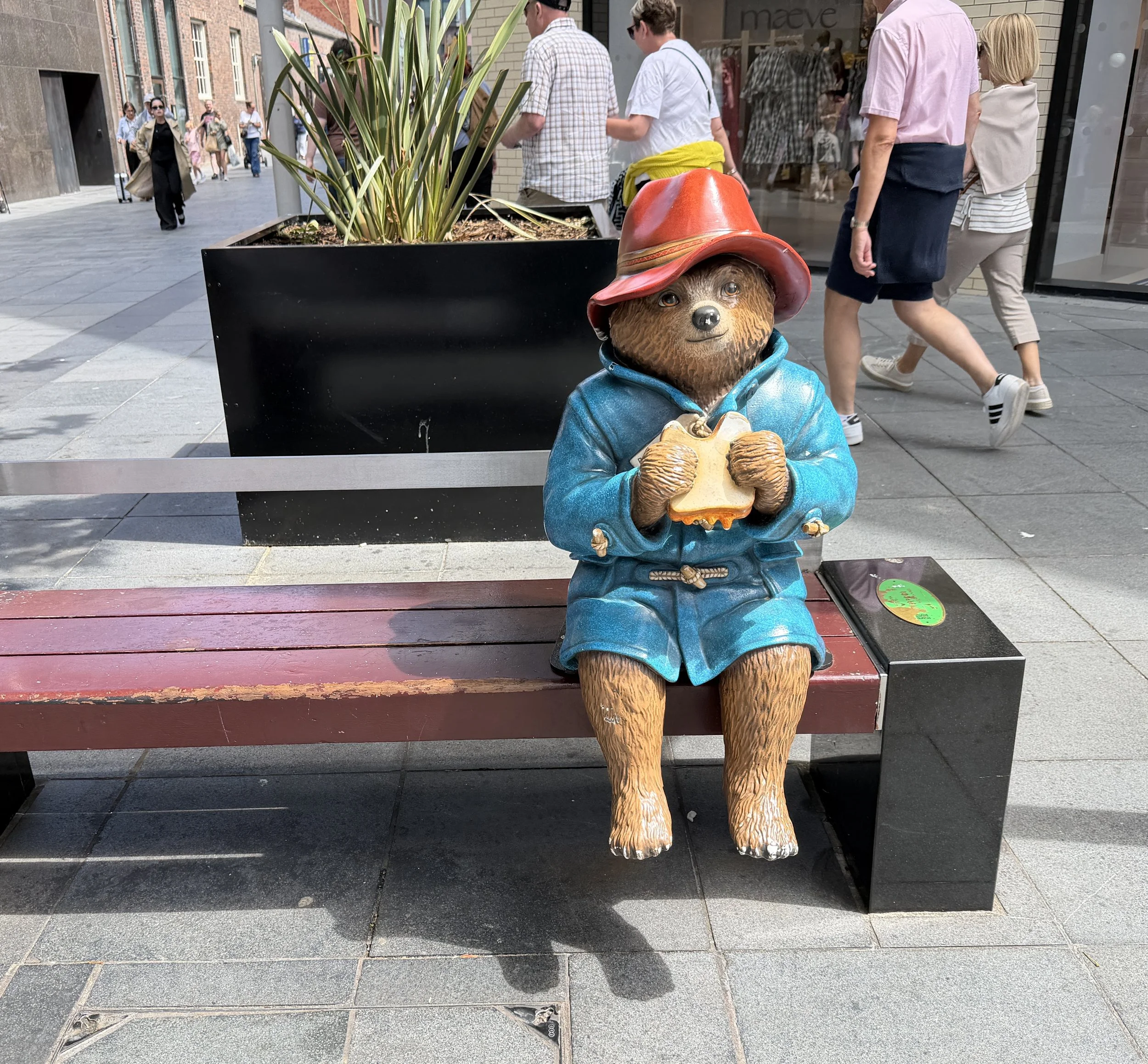
We returned home to Liverpool after a week in Copenhagen. It was blowing hard but beautiful cruising weather was predicted after just a few more days so the plan was to explore the city and reprovision the boat while we waited for calm seas.
We wandered down the waterfront to the Liverpool Museum which houses exhibits covering everything from the archeology of the area, transportation history and pop culture. The galleries are free to visit. We spent a couple of hours wandering through and I found the history of the river and dockyards quite fascinating.
The River Mersey is 110 km (68 miles) long, with its source near Manchester, and its mouth at Liverpool Bay, where it empties into the Irish Sea, with the Atlantic beyond. Prior to the 1700s Liverpool had been a small fishing and farming settlement on the banks of the River Mersey. The river’s natural pool, a sheltered natural harbor, was the ideal site for a strategic safe harbor and defensive castle from which to launch coastal raids into nearby Ireland or defend itself from incursions coming from across the Irish Sea.
By 1700, large ships that were anchored in Liverpool’s tidal “pool” risked being grounded and overturned at low tide. They had to anchor in the middle of the River Mersey where they were exposed to wind and waves and had to wait for high tides to load and unload or risk running aground on mudflats. The answer was to build the first enclosed, commercial wet dock in the world. Further docks were added and eventually interconnected by lock gates extending 7.5 miles (12.1 km) along the bank of the River Mersey. The interconnected dock system was the most advanced port system in the world and enabled 24 hour/day ship movement isolated from the River Mersey’s extreme tidal range.
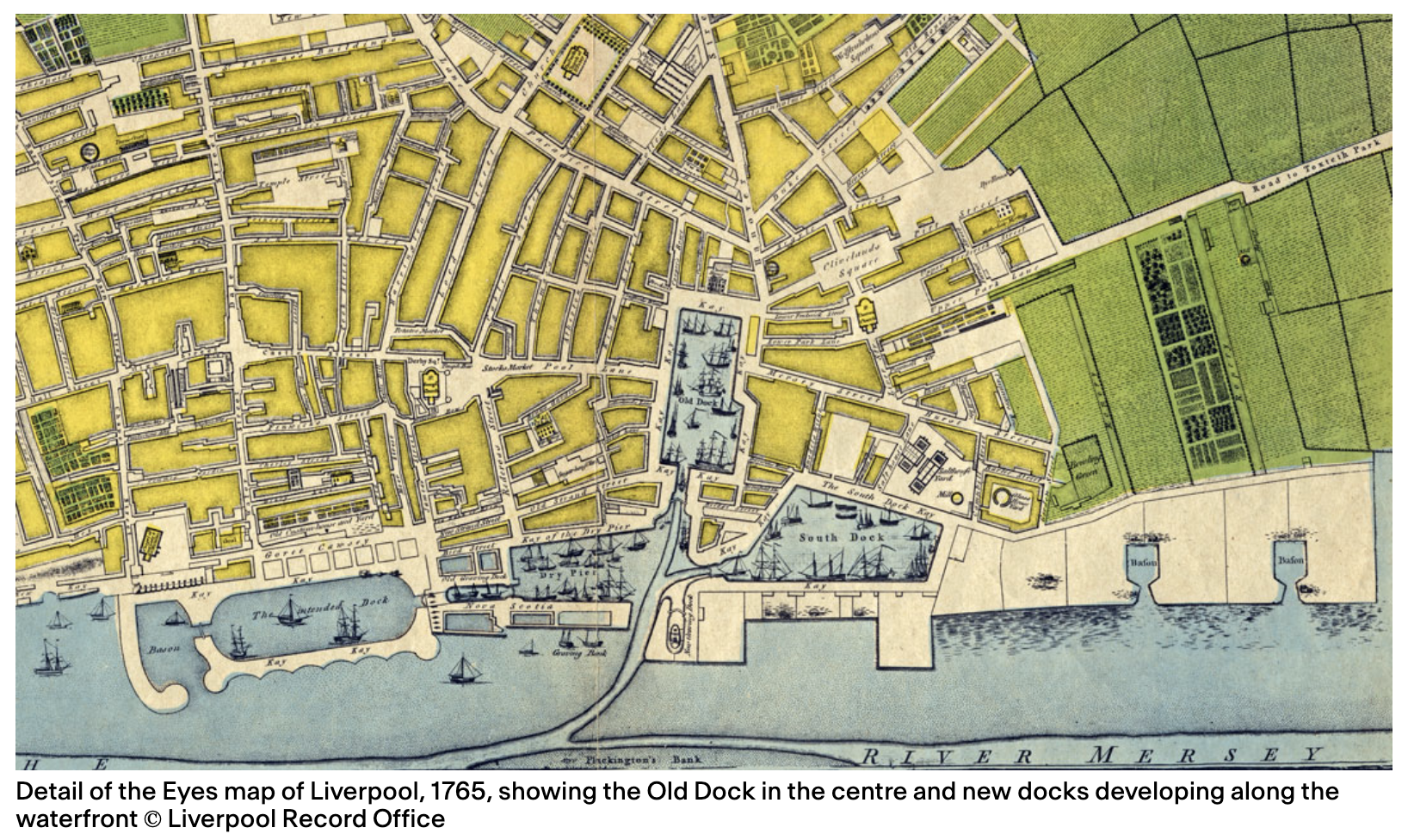
Part of the pool was enclosed with brick walls and fitted with wooden gates to keep the water level at the dock regardless of the rise and fall of the tide. The dock opened in 1715 and could hold 100 ships. It was located near the center of town and meant that traders could unload goods near the warehouses.
In the 18th and 19th century Liverpool became one of the British Empires principal ports and a major center of transatlantic trade and passenger shipping. Between 1830 and 1930 it is estimated that 9 million people passed through Liverpool aboard an ocean-going liner to the New World and a new life. The story of emigration is rooted in the River Mersey and classic ocean Lines, like Cunard who made the port of Liverpool their home port.
Canals began to be built alongside the river to carry bulky cargos. In the late 18th century these canals transported coal to Liverpool and Manchester. Further canal building gave impetus to the Industrial Revolution by enabling the efficient movement of bulky goods and raw materials and by 1850 canal building had added more than 3,000 nautical miles of navigable waterways around Britain. By the early 20th century the port was redeveloped as a modern freight and container port and remains one of the UKs largest ports handling container, bulk and cruise traffic.
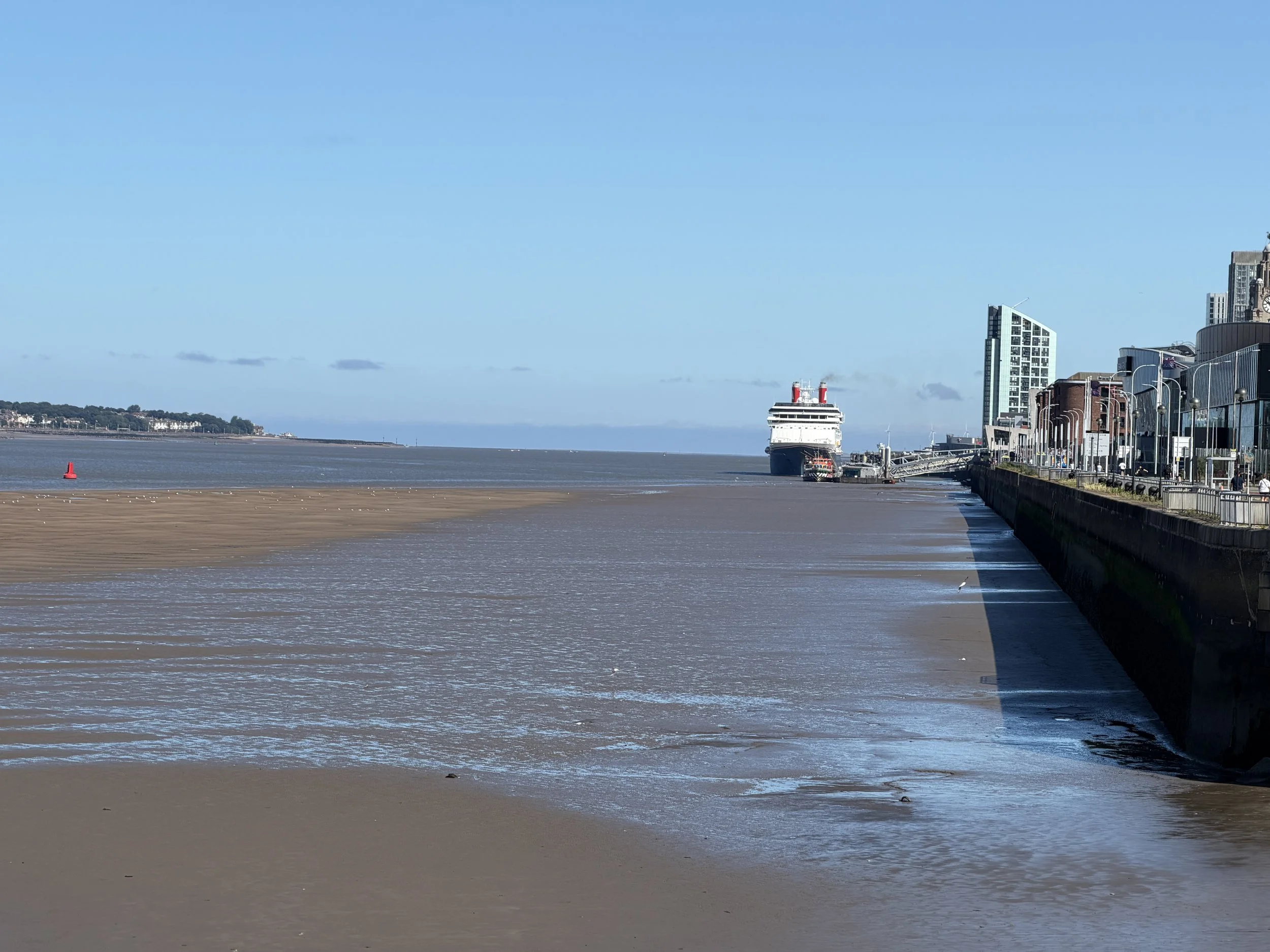
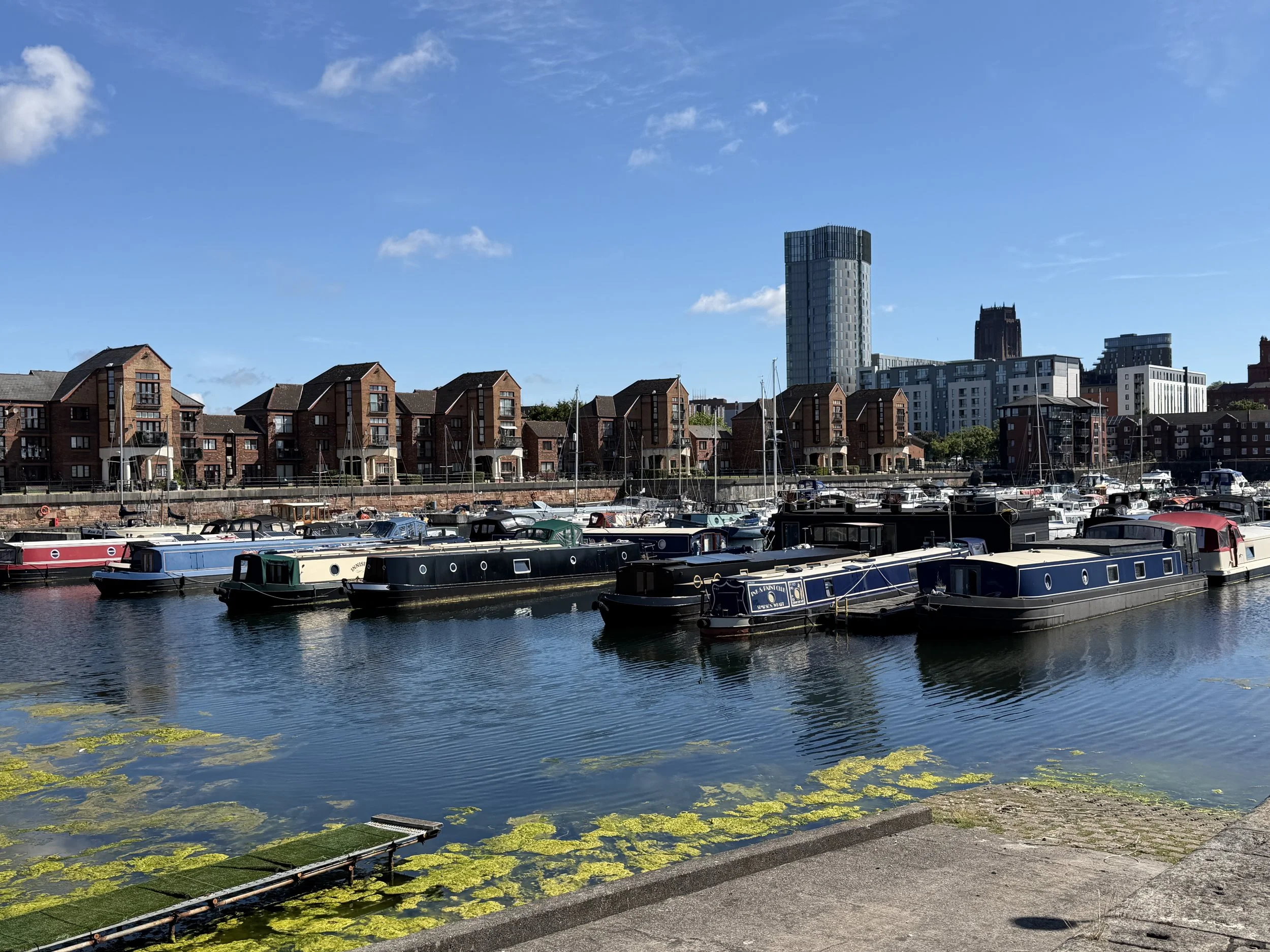
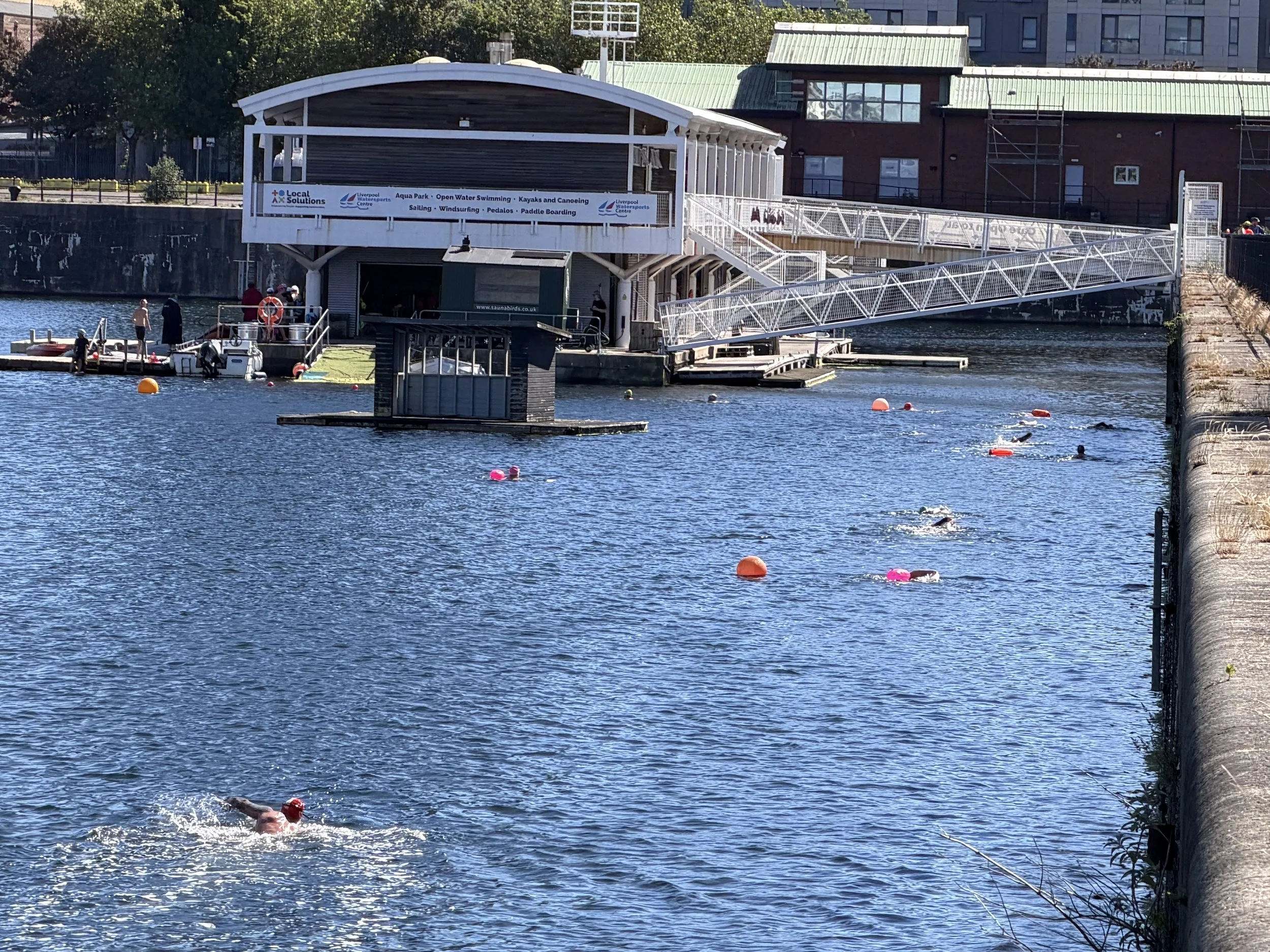
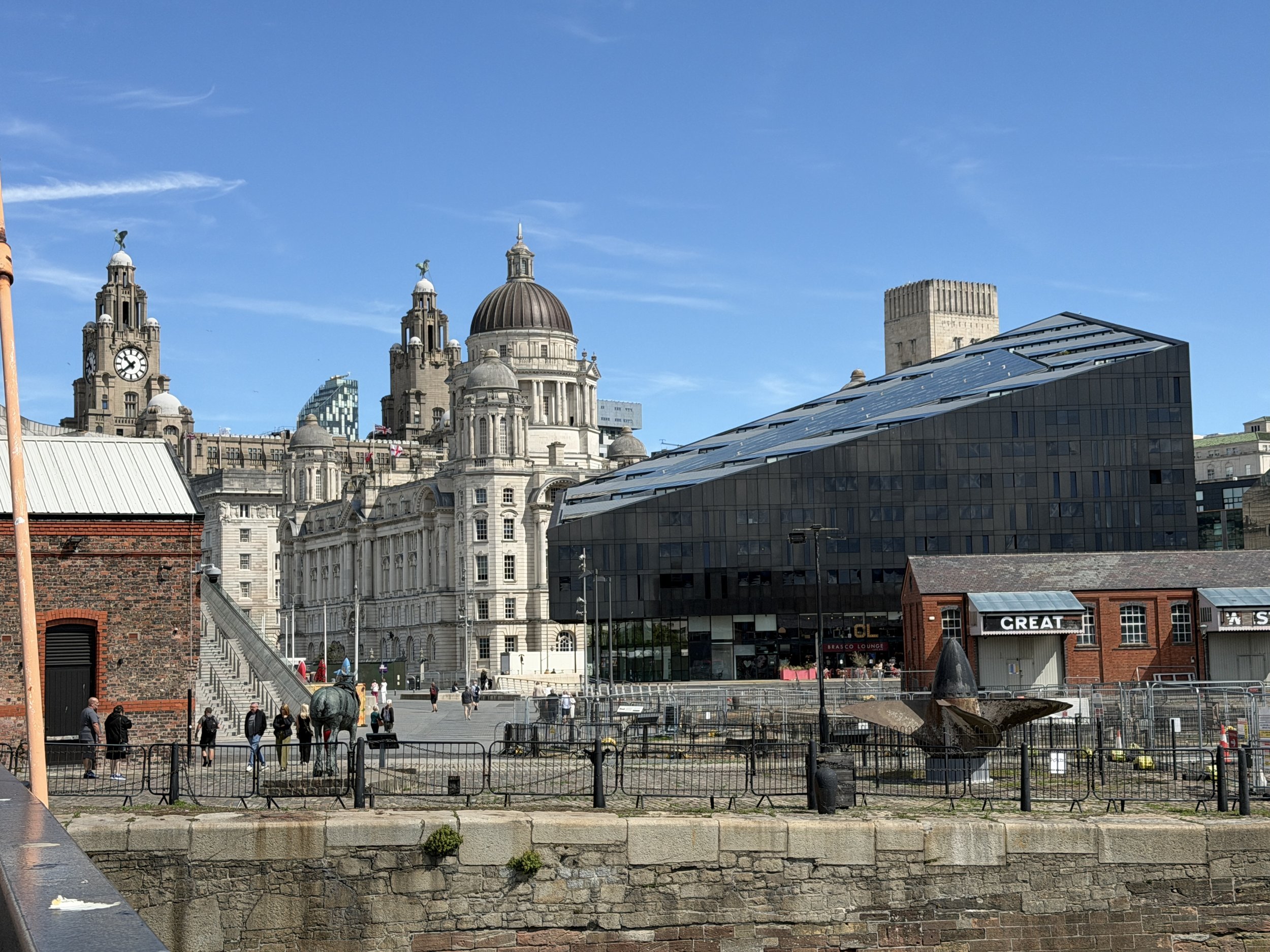
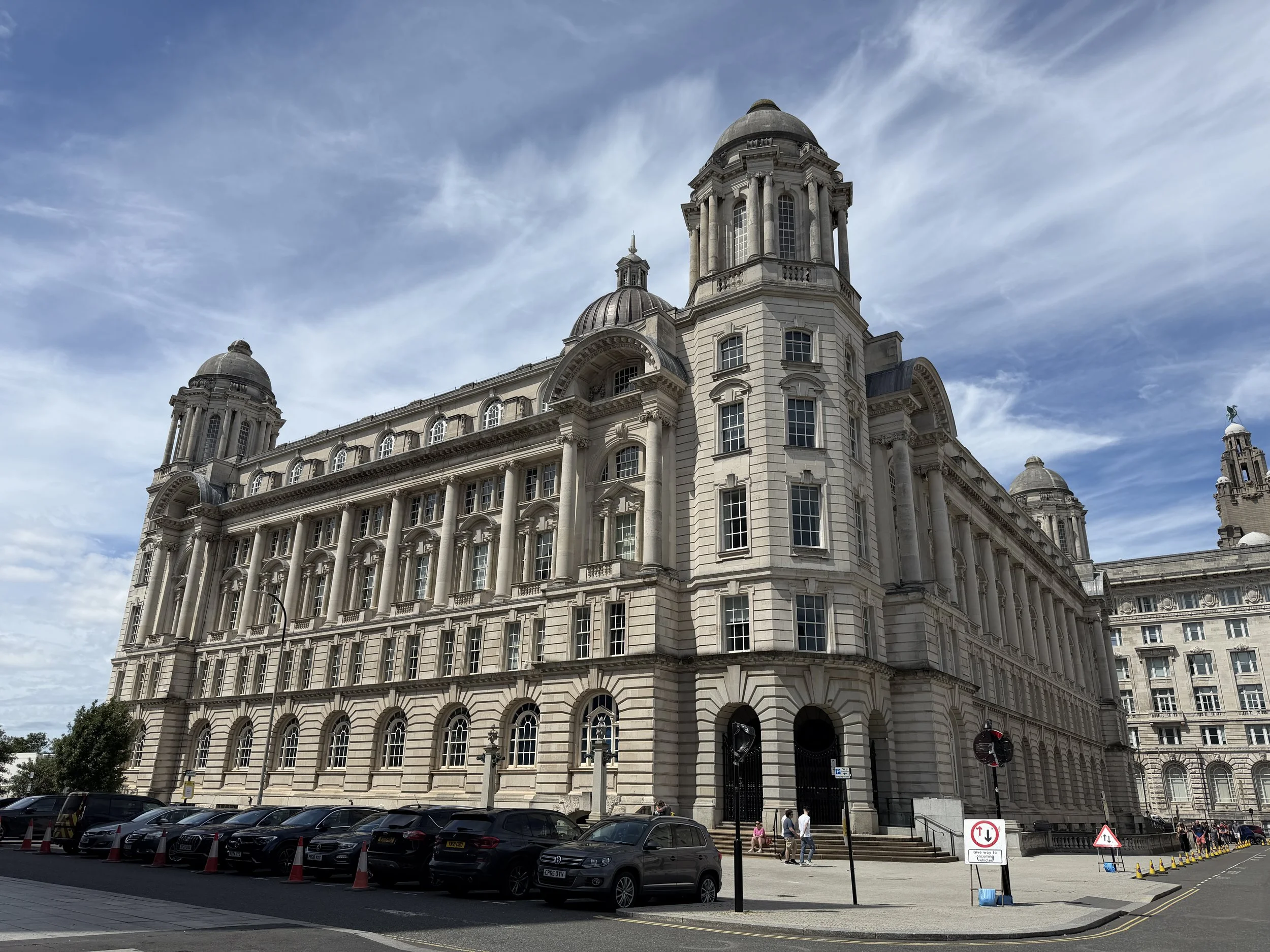
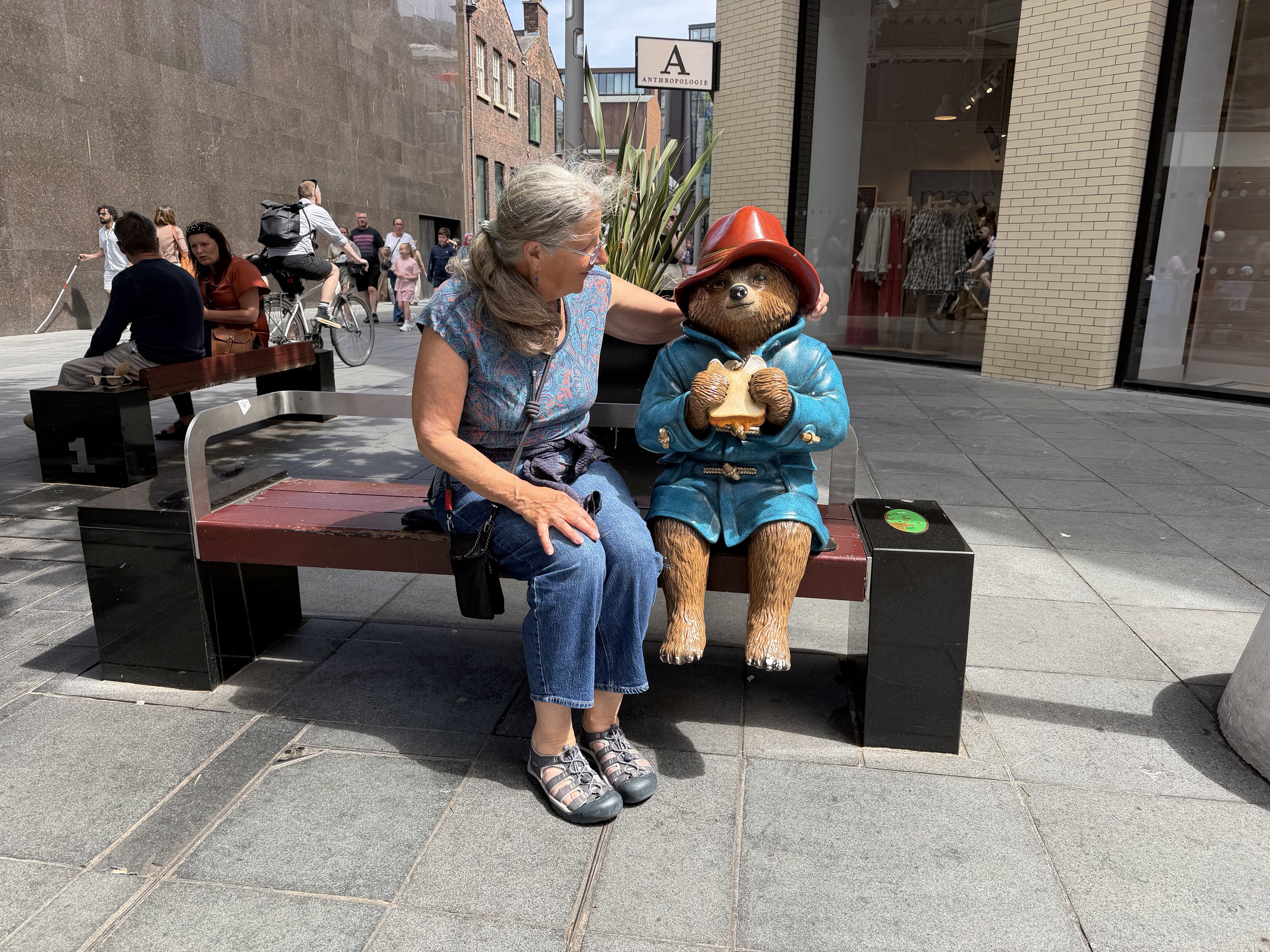
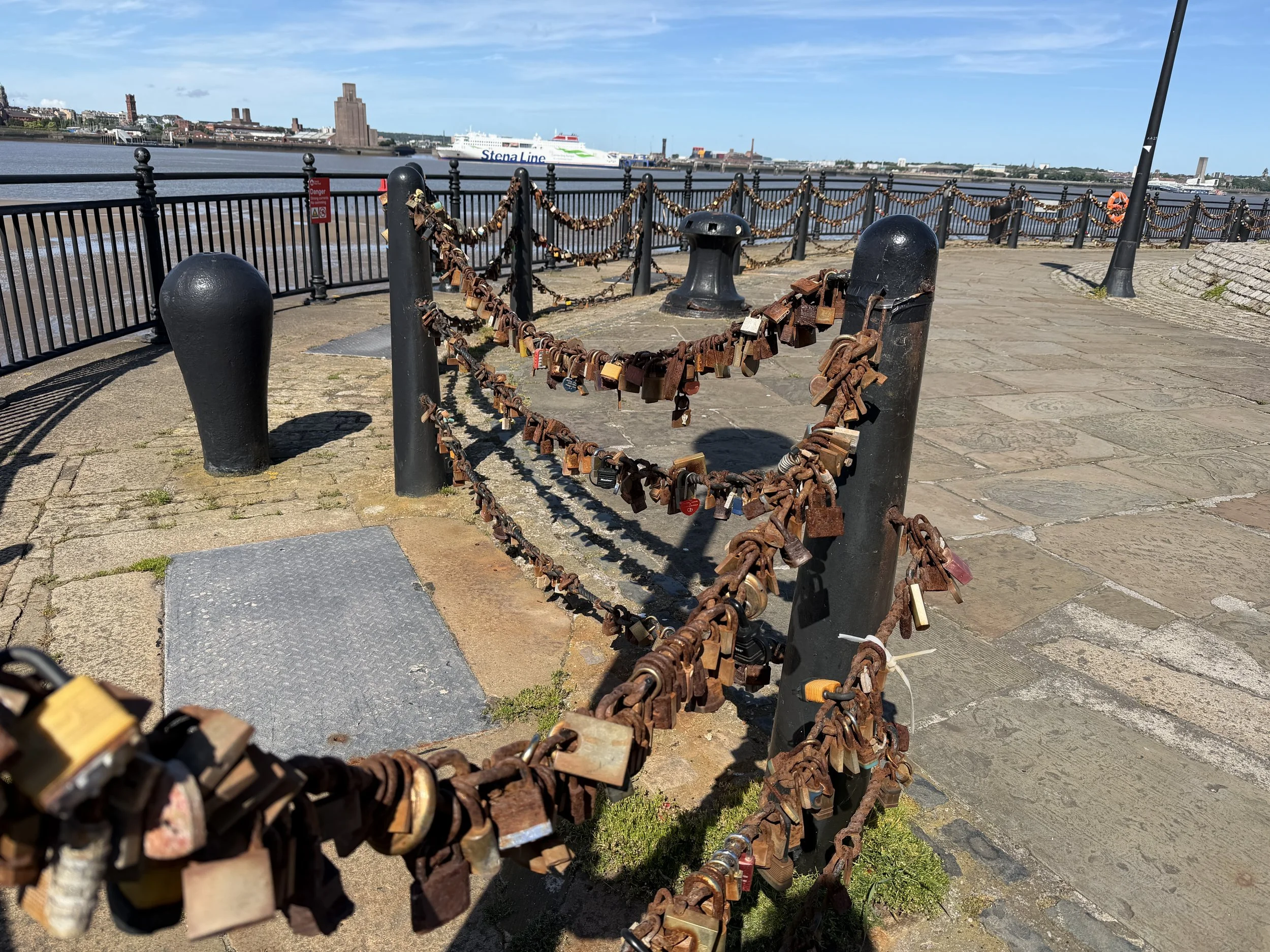
As we walked along the river we stumbled upon the ‘Love Locks’ at the Royal Albert Dock. The display covers a span of approximately a quarter of a mile along the black chain fences separating the waterfront from the River Mersey.
The accumulation consists of thousands of individual padlocks decorating chains along the river with symbols of love. Many of them have been inscribed with messages such as when couples met, were engaged and married. The tradition is believed to have started over 100 years ago during the first world war when women inscribed padlocks with their loved ones' names as a gesture of protection and hope.
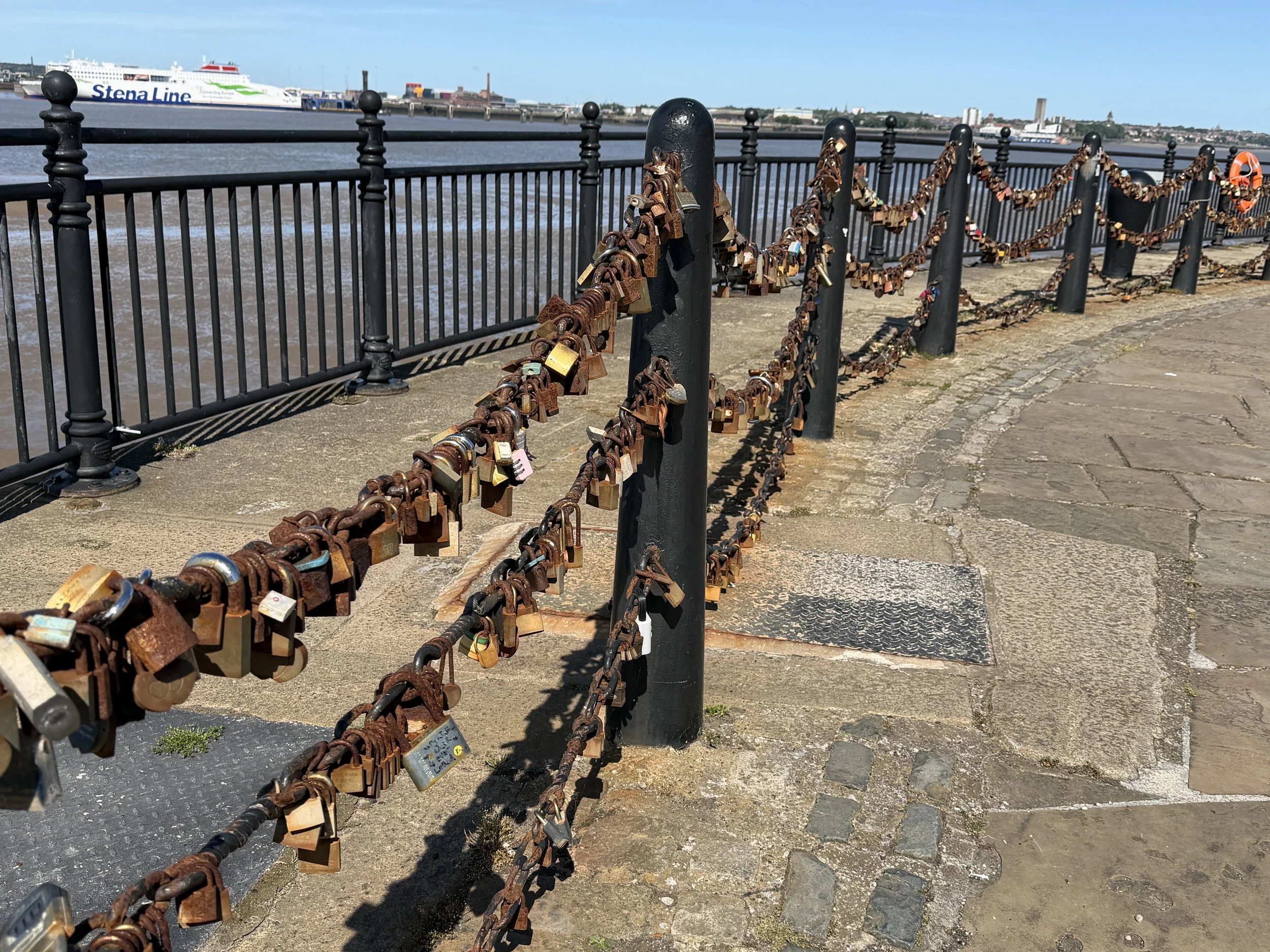
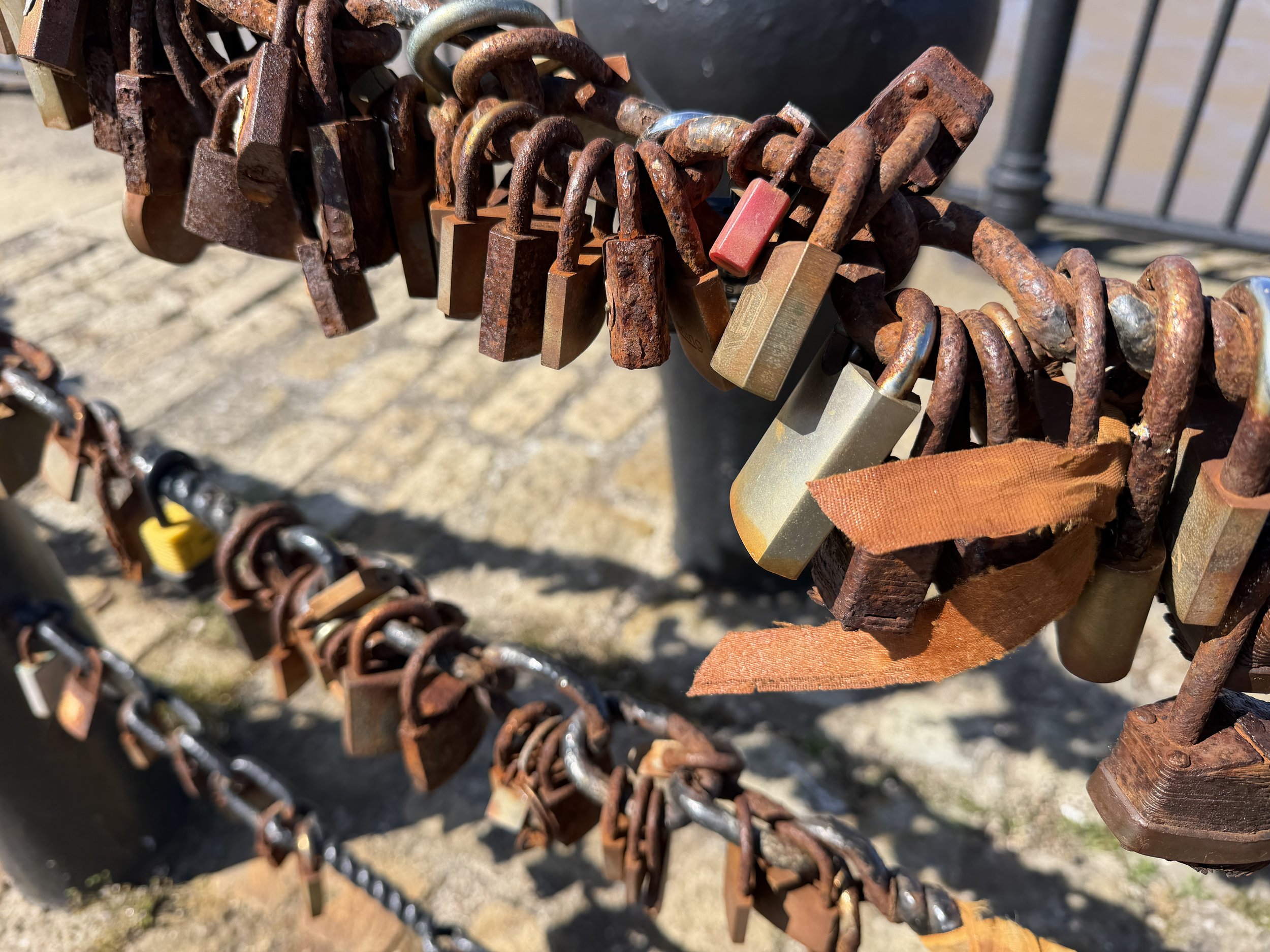
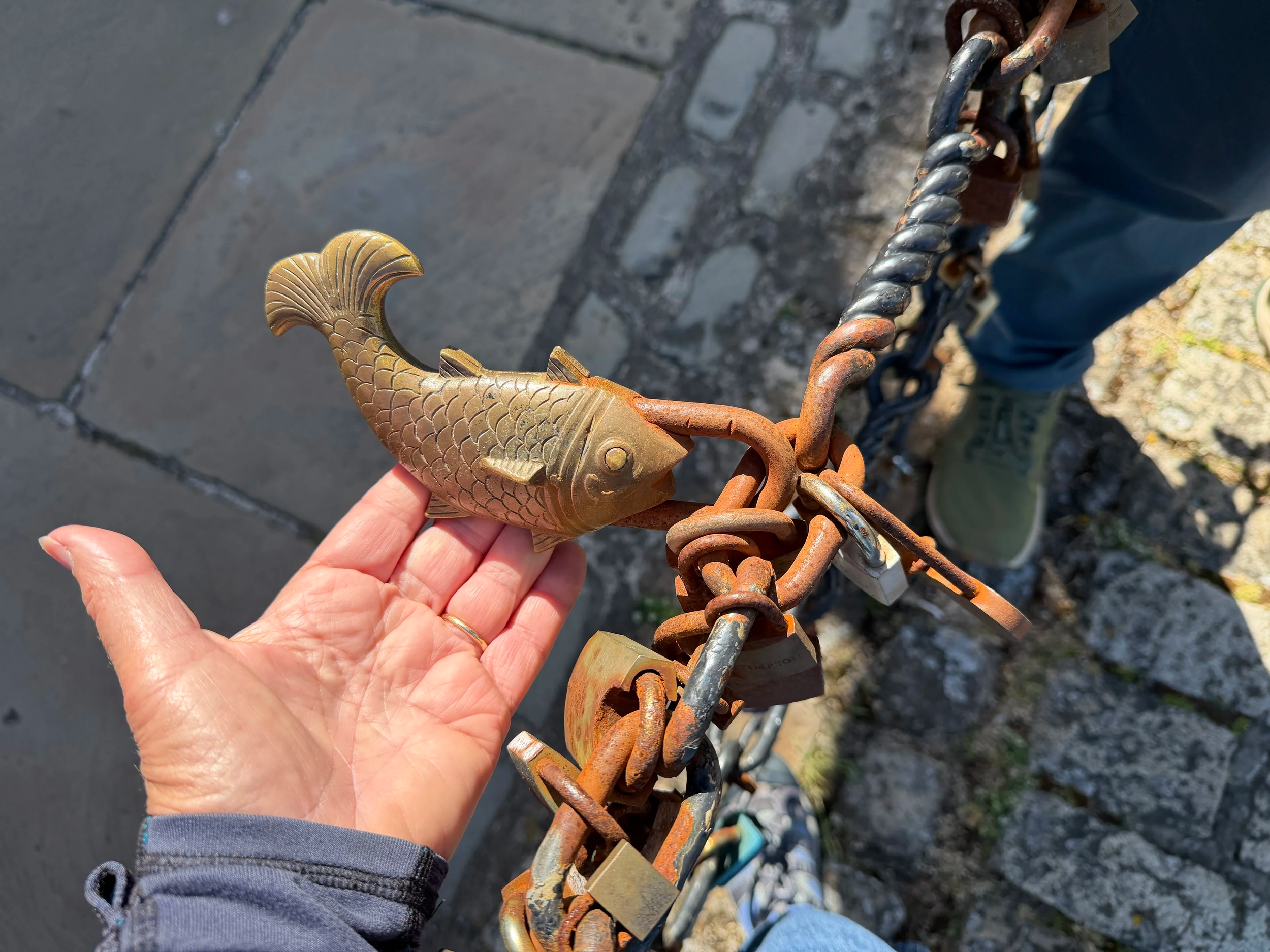
The Royal Albert Dock, opened in 1846, was the world’s first brick-built warehouse which meant it was fireproof. The previously wooden built structures were a great fire hazard to Liverpool’s merchants.
Within 40 years of being built the Royal Albert Dock was largely redundant as the age of sail had given way to that of steam and the larger ships. These ships were too large to get through the lock gates into the dock. As the port of Liverpool grew, along with the ships that traded there, commercial uses decreased and canals became more popular for leisure purposes. The Old Dock warehouses were closed to commercial shipping and regenerated into what is now an arts and tourism hub.
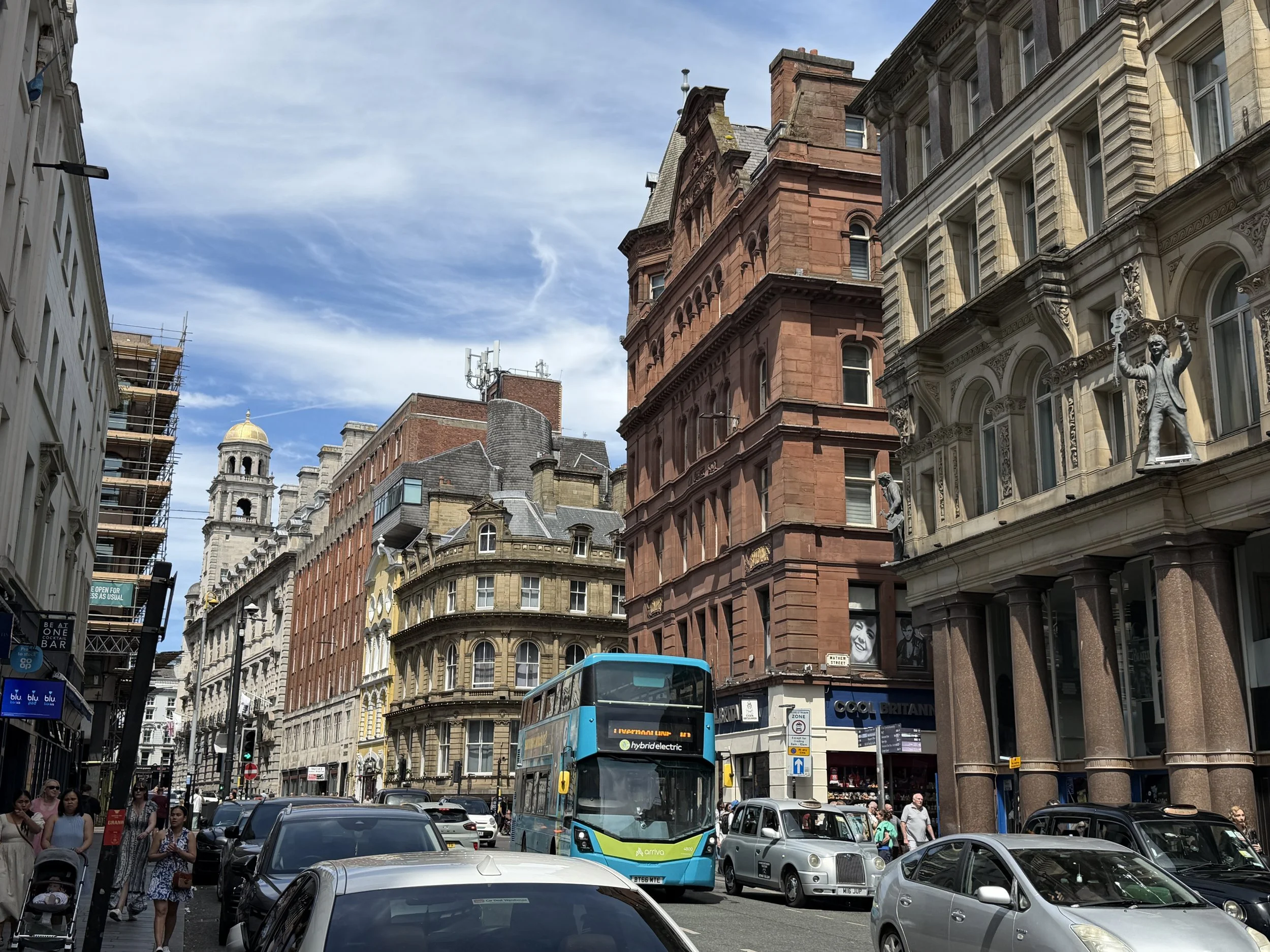
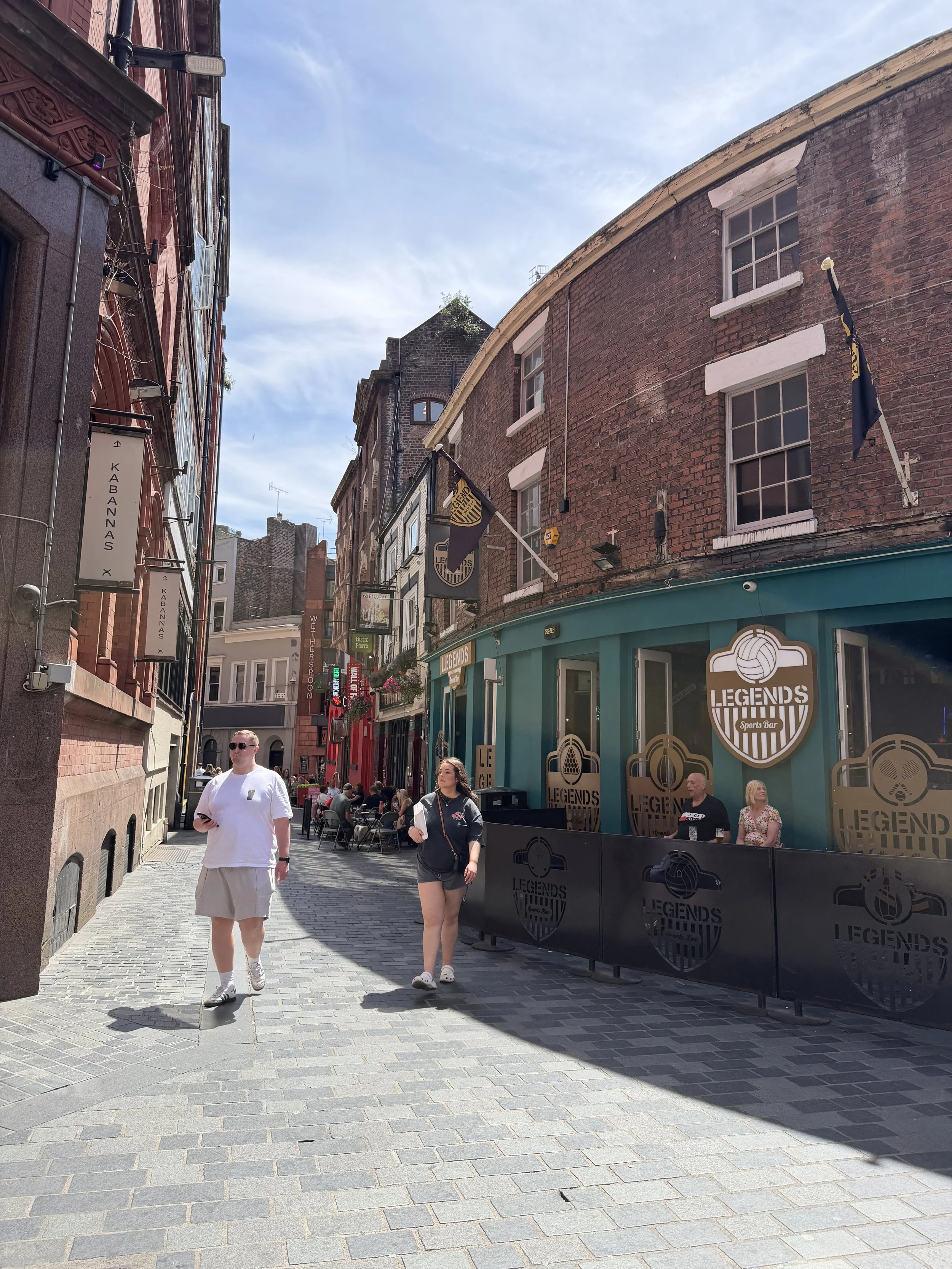
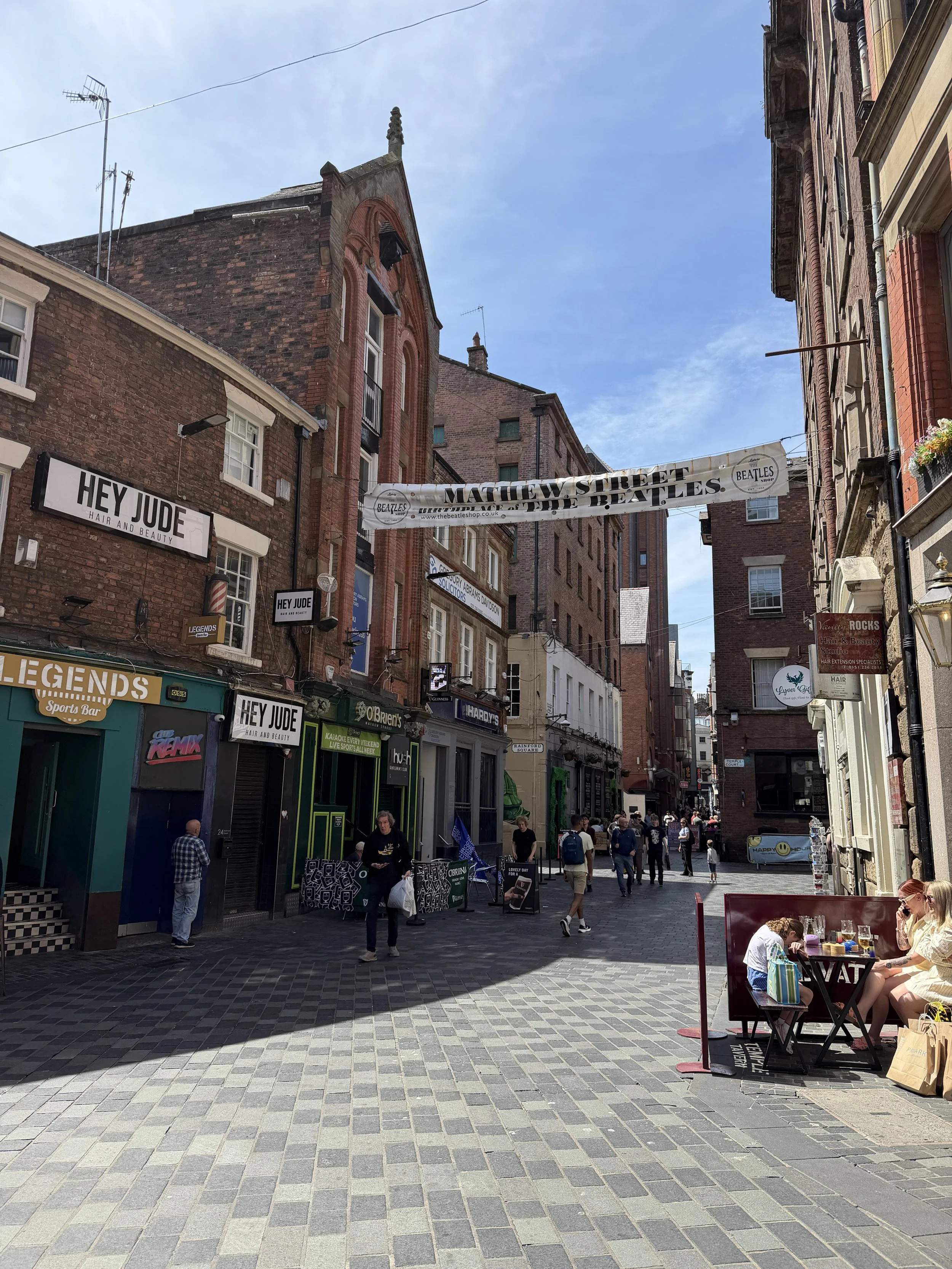
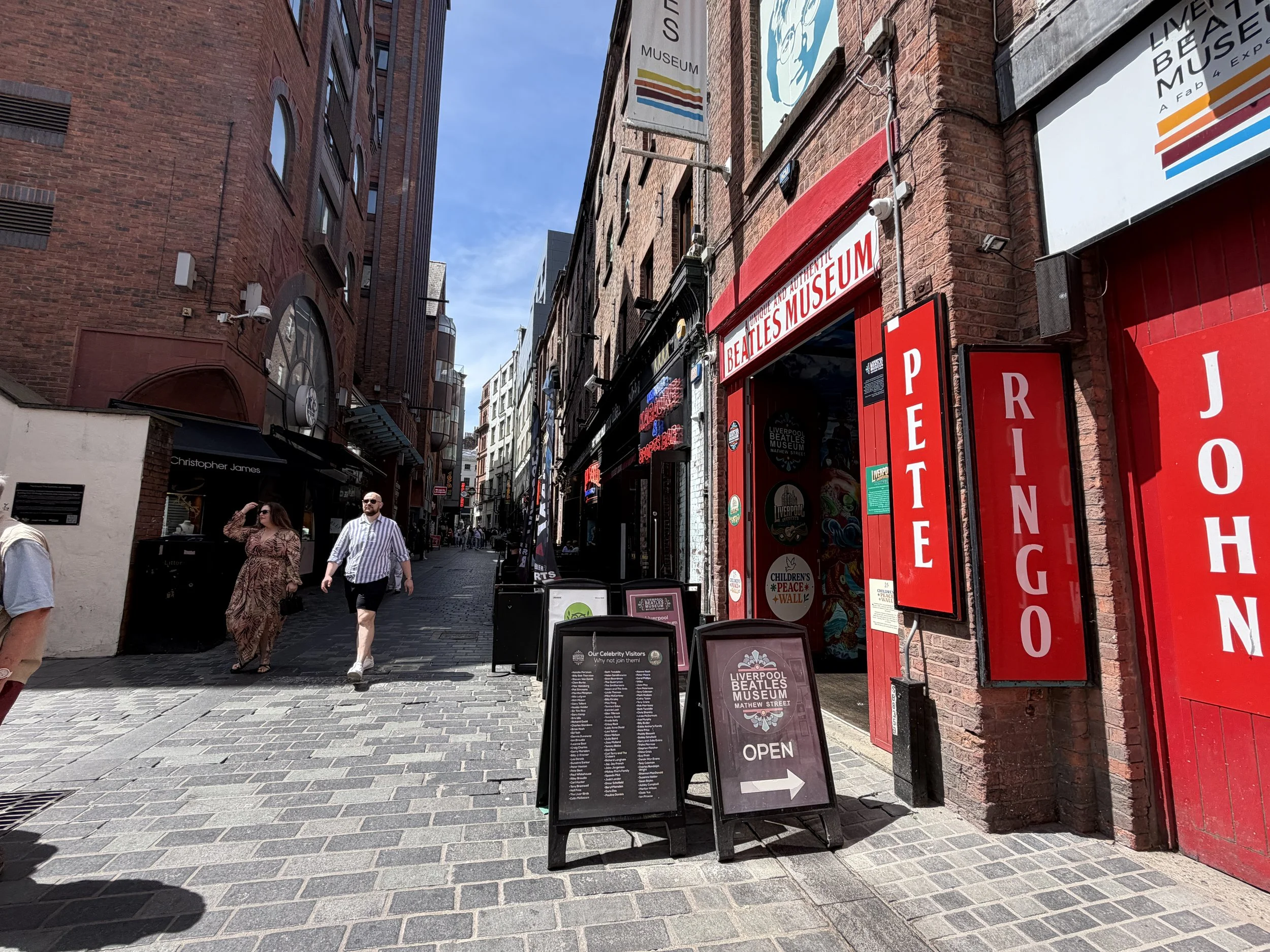
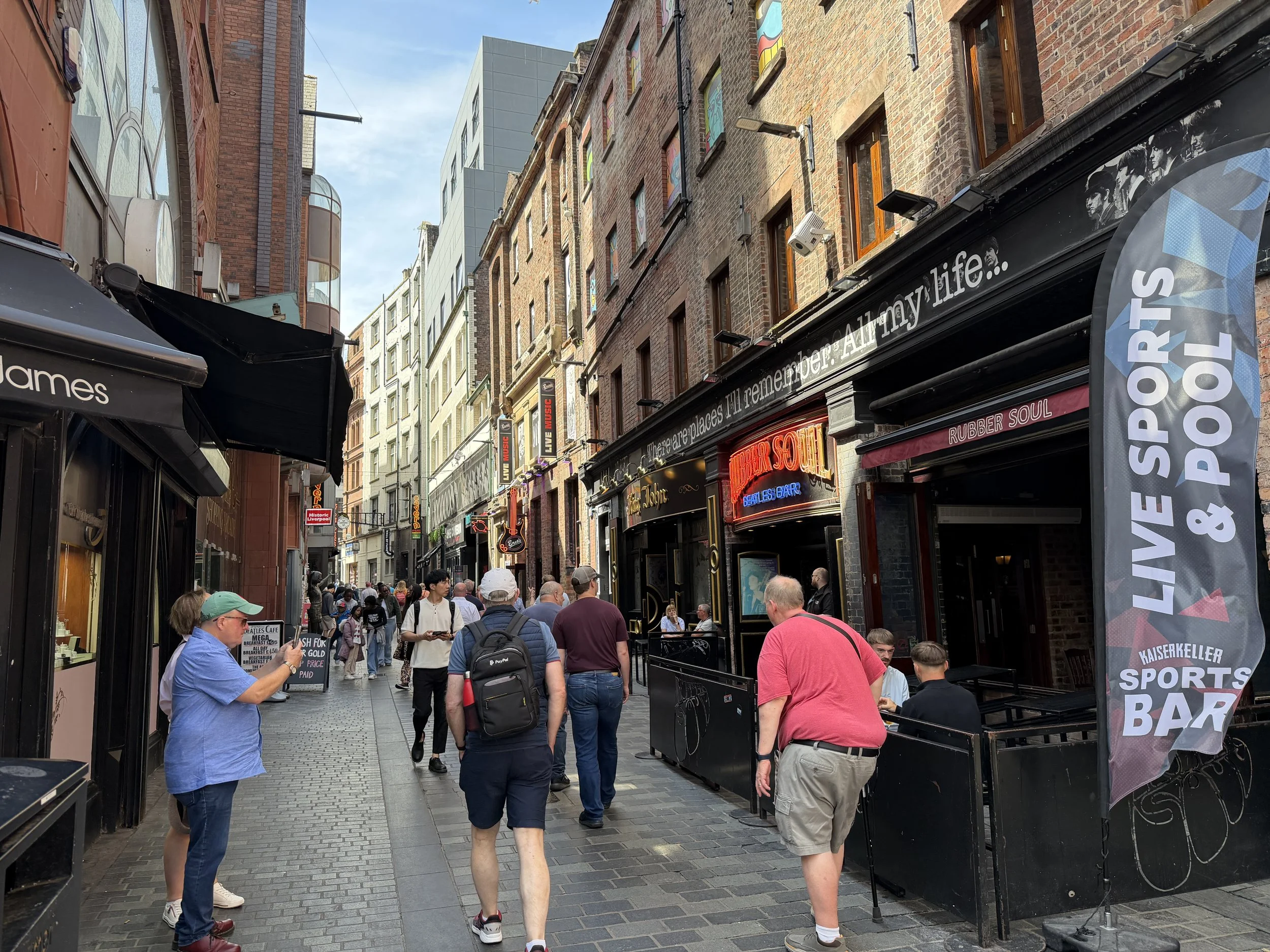
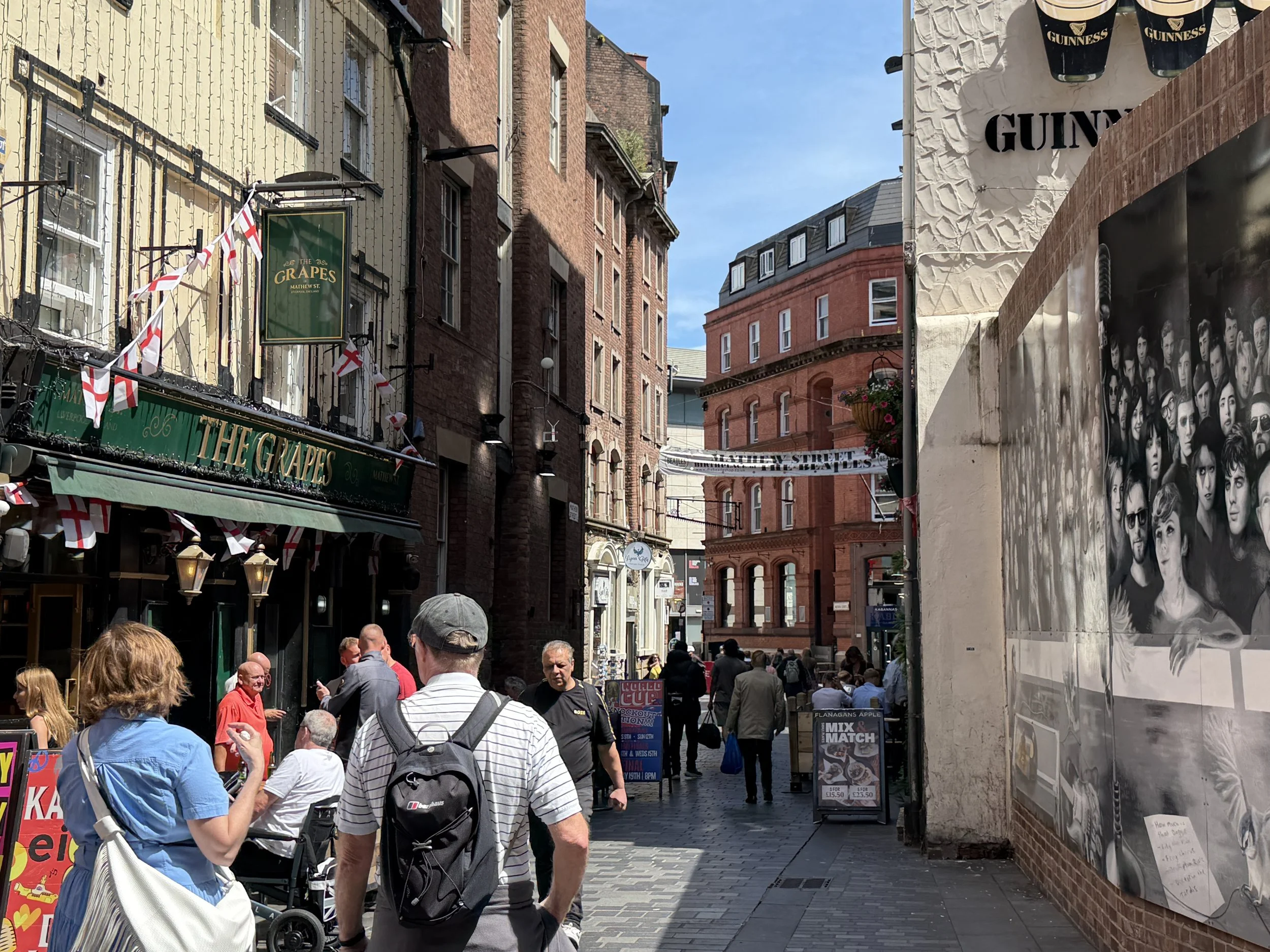
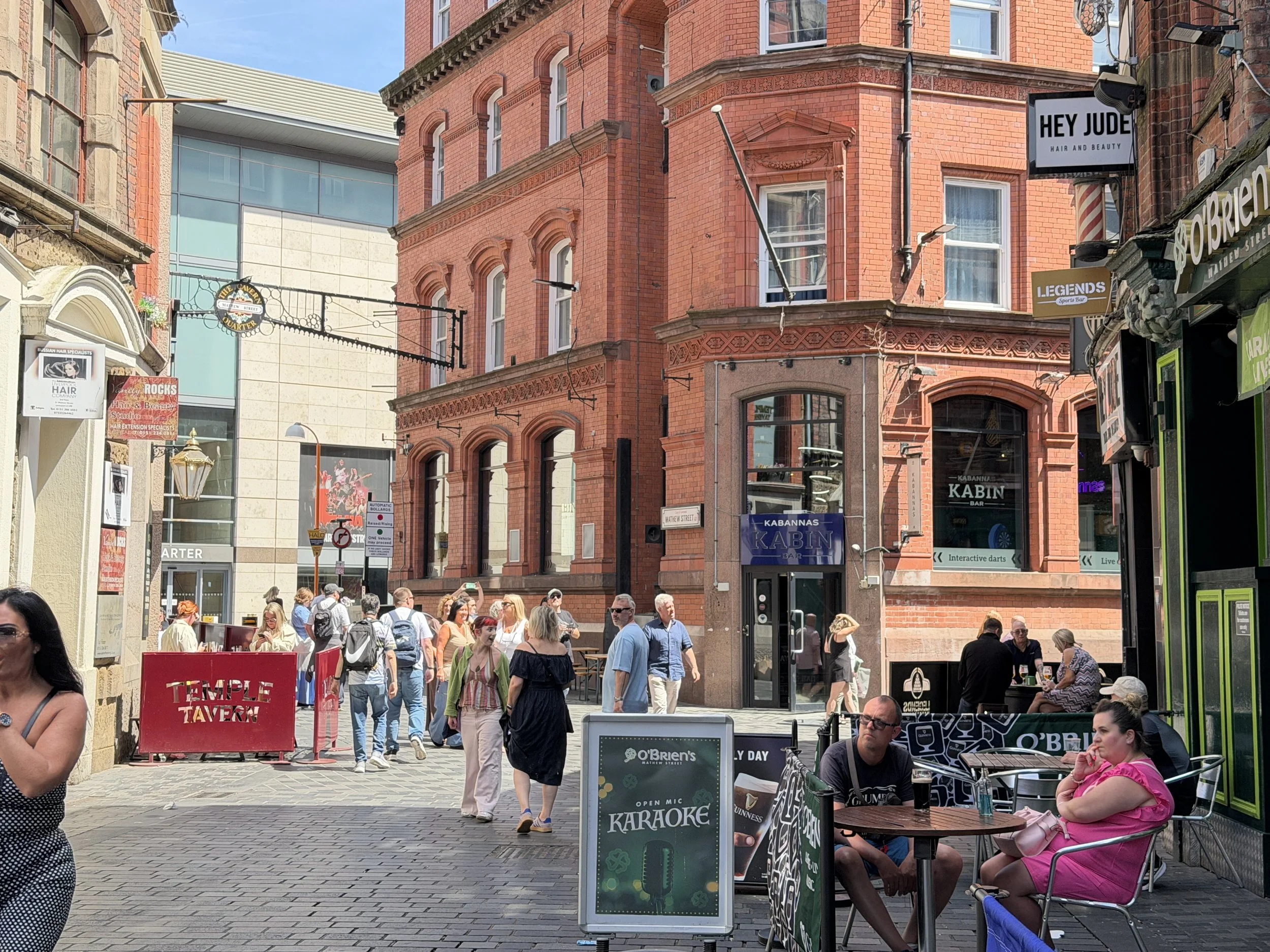
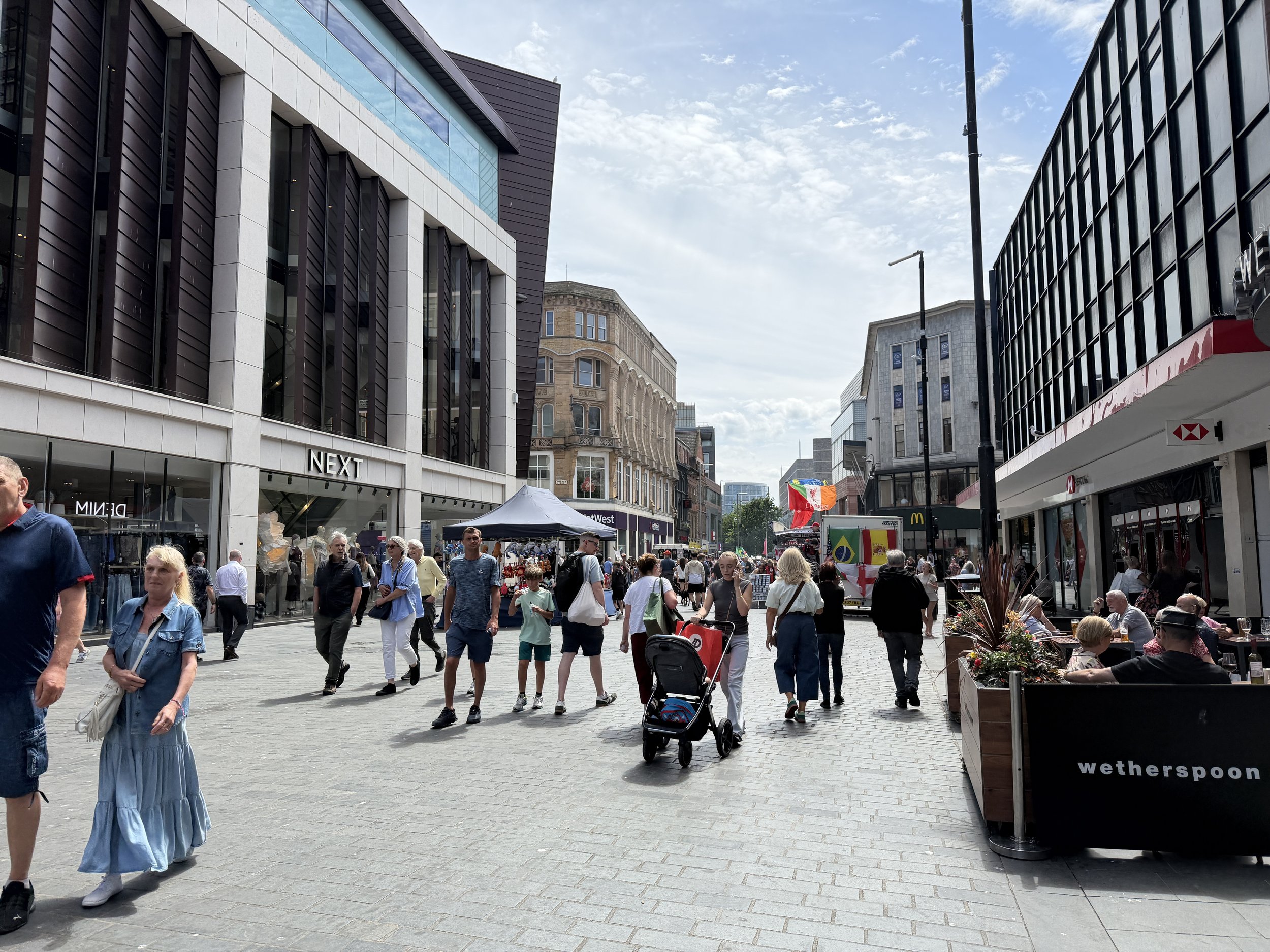
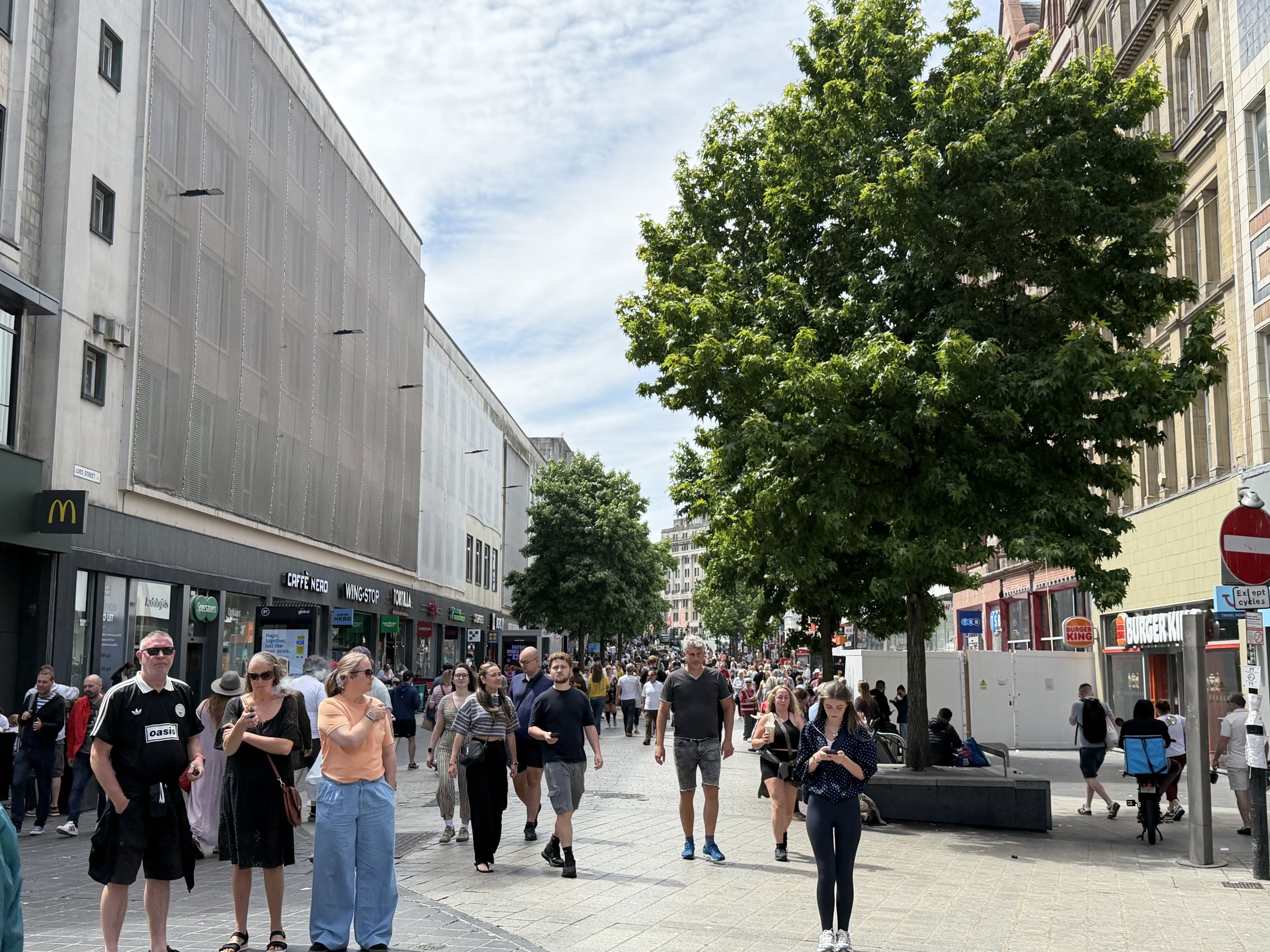
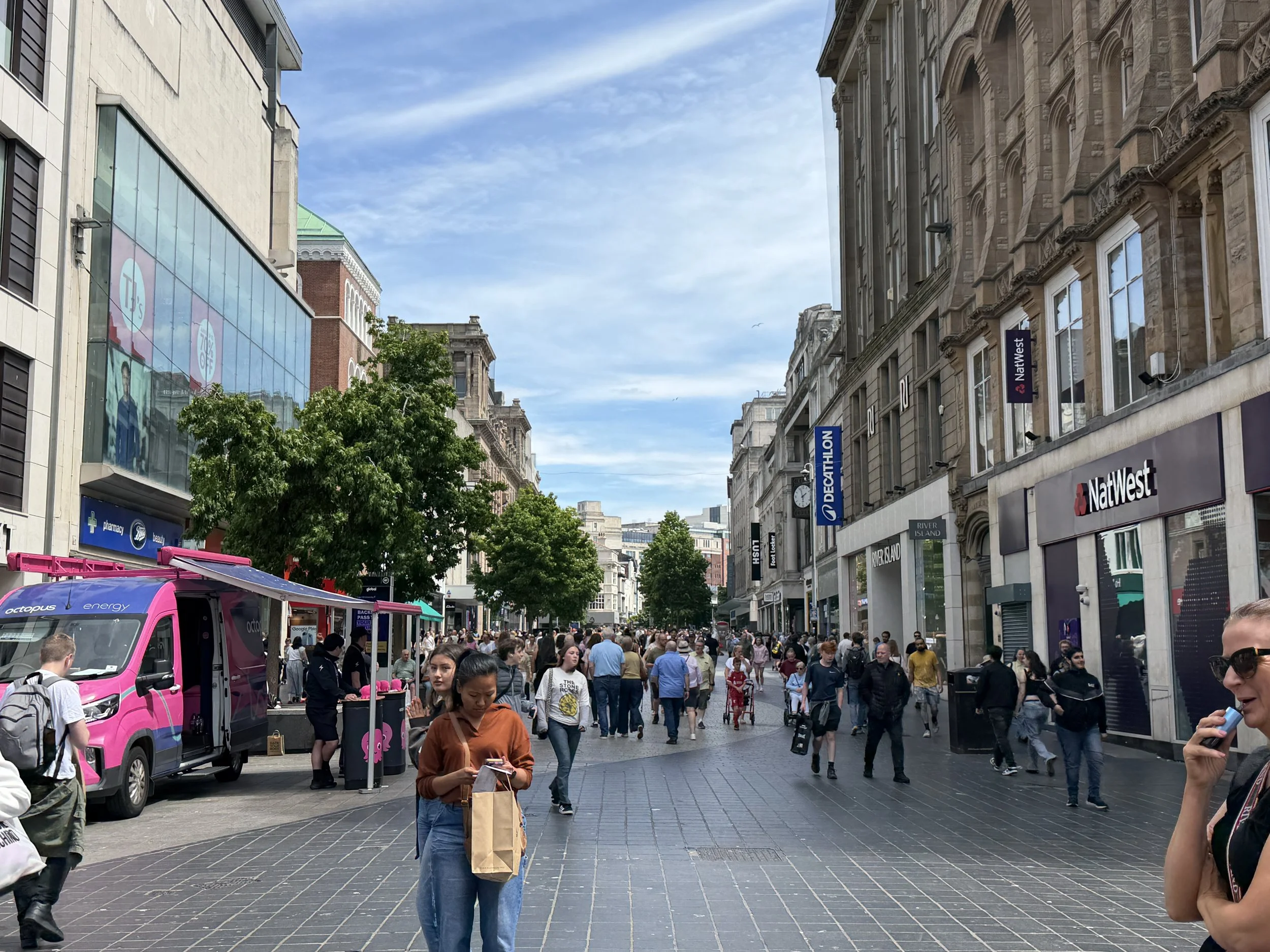
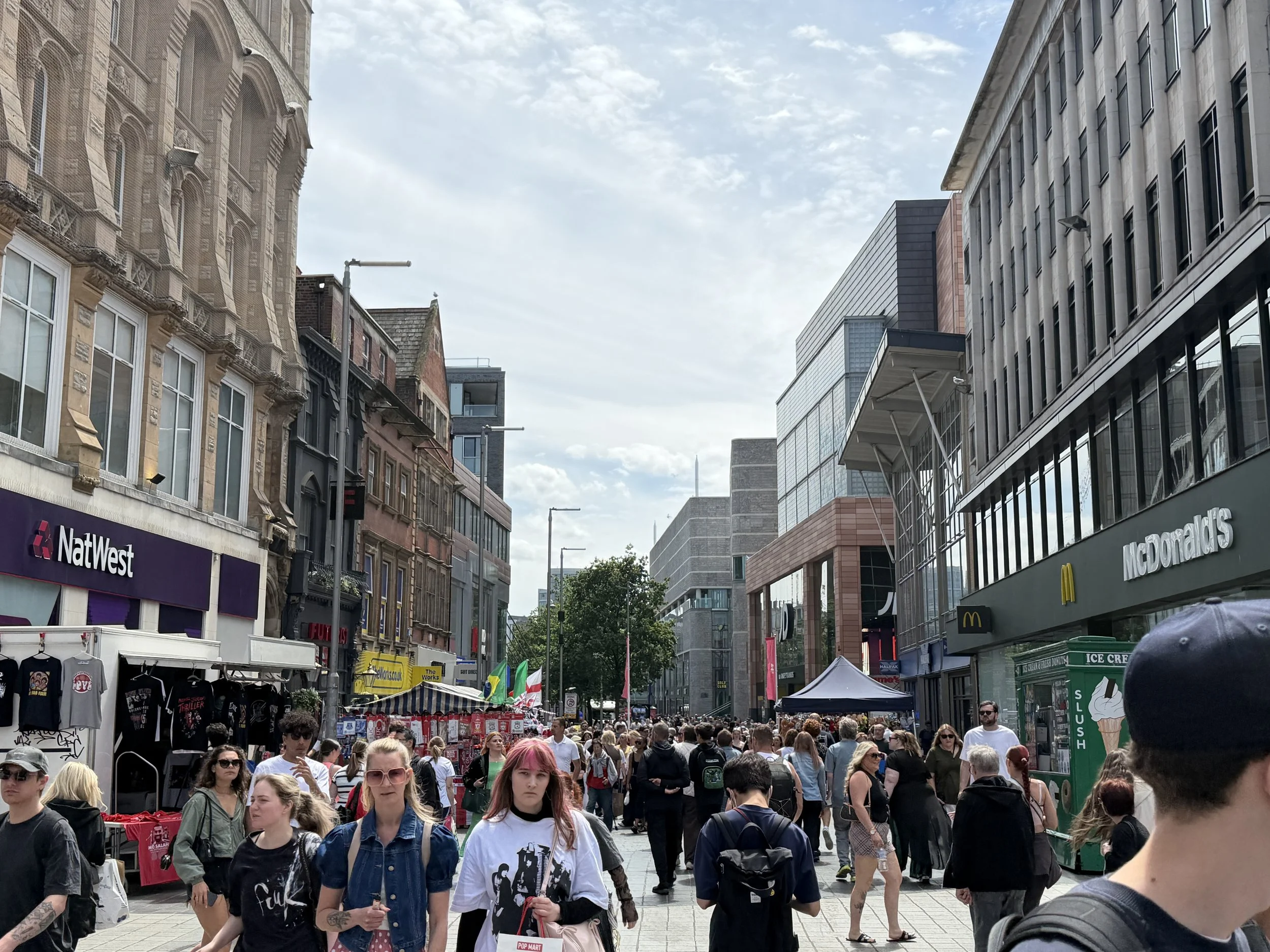
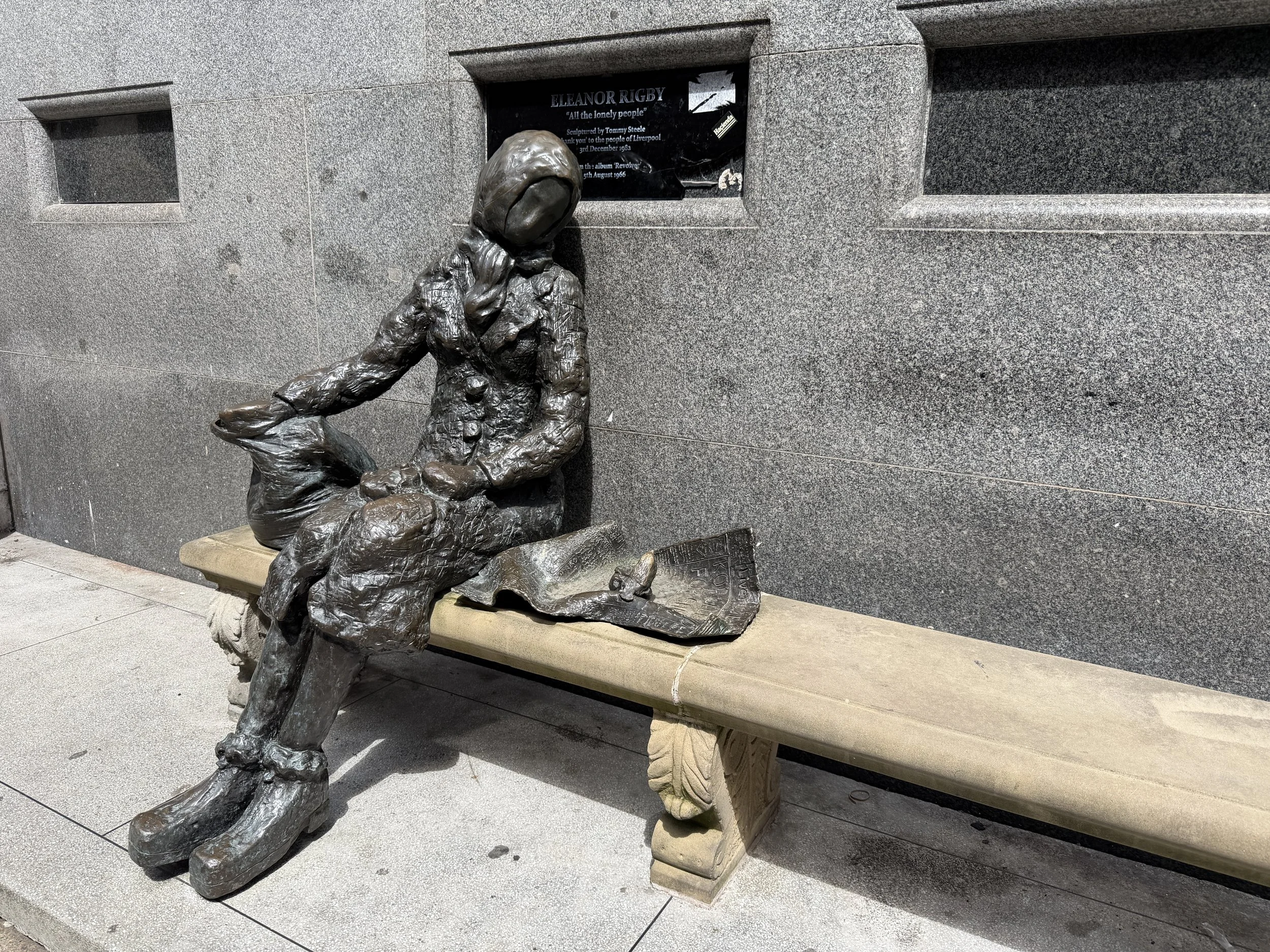
As you might expect, the city is also buzzing with all-things Beatles. We walked through the Cavern Quarter, known as the birthplace of The Beatles, and down Mathew Street, the historic home of the Cavern Club where The Beatles performed nearly 300 times in their early career. The cobblestone district is packed with other venues like the Liverpool Beatles Museum, and memorabilia-filled shops and pubs. This bustling, pedestrianized street is still rocking to diverse music and is the heart of Liverpool's vibrant music scene.
After a full day playing tourists, we returned to Meraki with a week’s worth of groceries, we did the laundry and checked the weather. It looked like an entire week of perfect conditions! We couldn’t have been happier - we were due. We walked up to the marina office to let them know we’d be leaving in the morning and to square up.
But that was not to be. We were told that the entrance lock was broken and we could not get out of the marina. It was weekend and they said it would likely be repaired on Monday. We rechecked the weather for a Tuesday departure and everything still looked good. No worries, we could easily enjoy a couple more days in Liverpool.
On Monday we walked over to the lock to see how the repair was coming. No one was there. Back in the marina office we were given the latest update - the lock would not likely be repaired before the end of the month and possibly as late as the end of July!
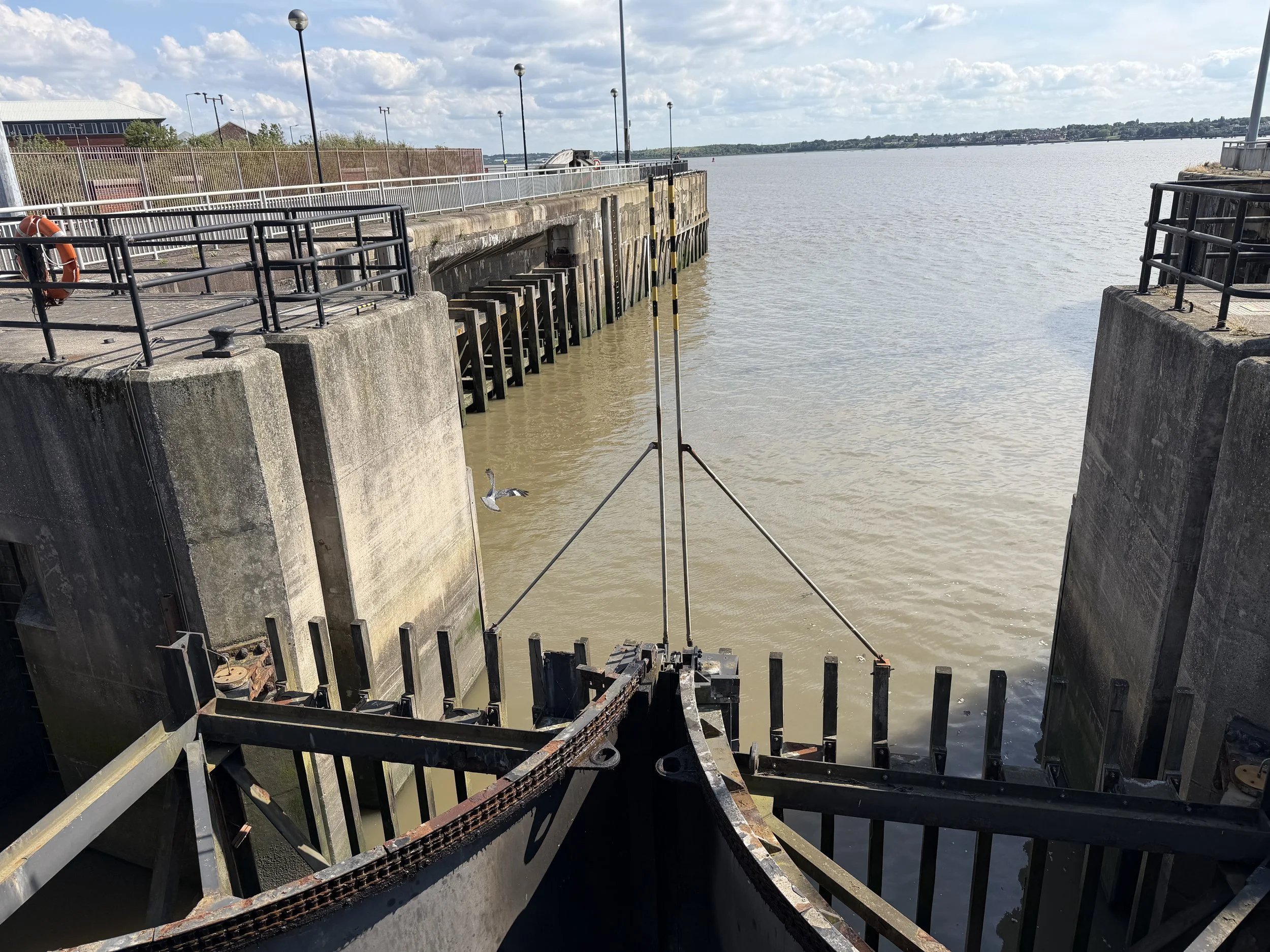
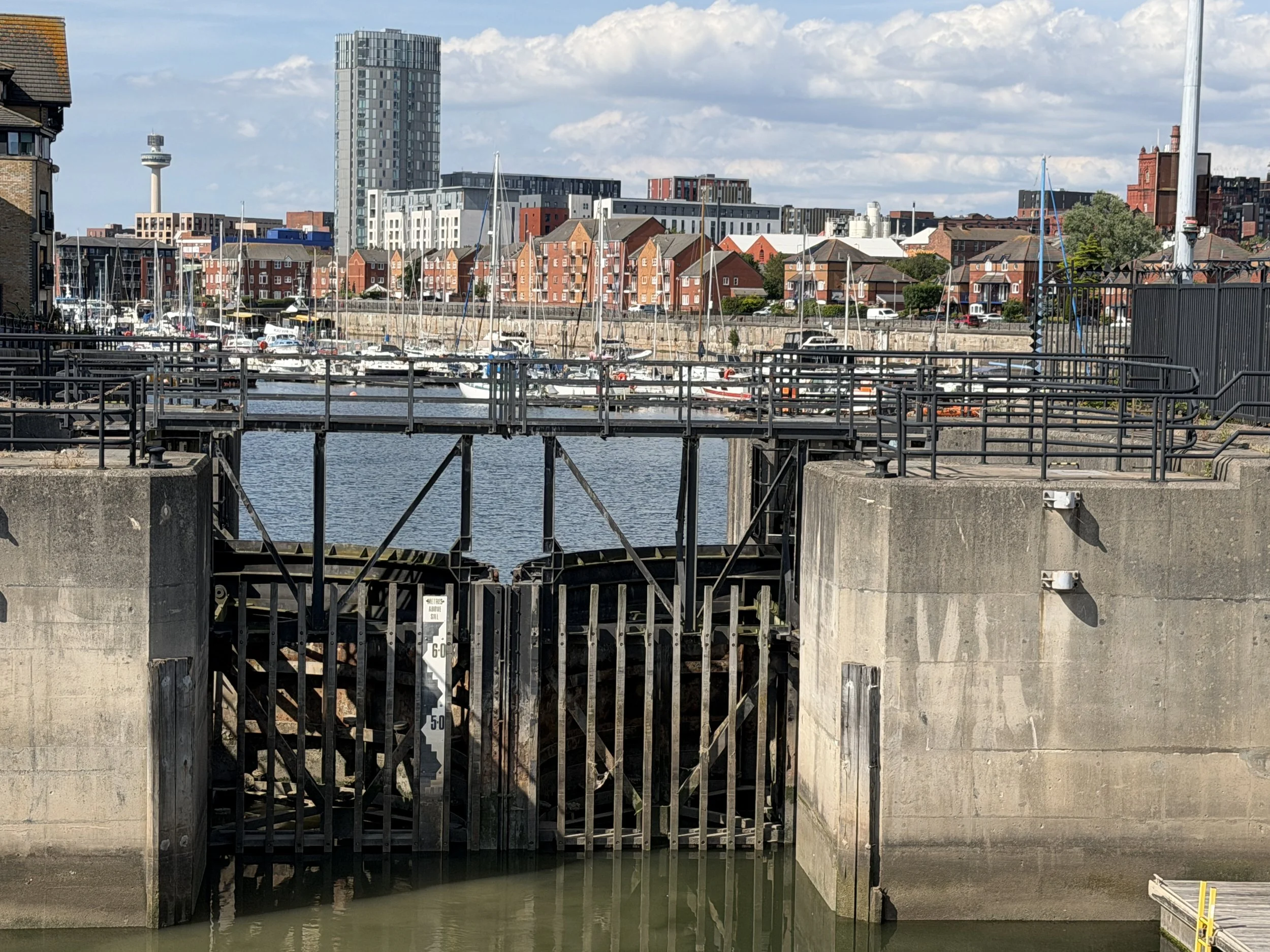
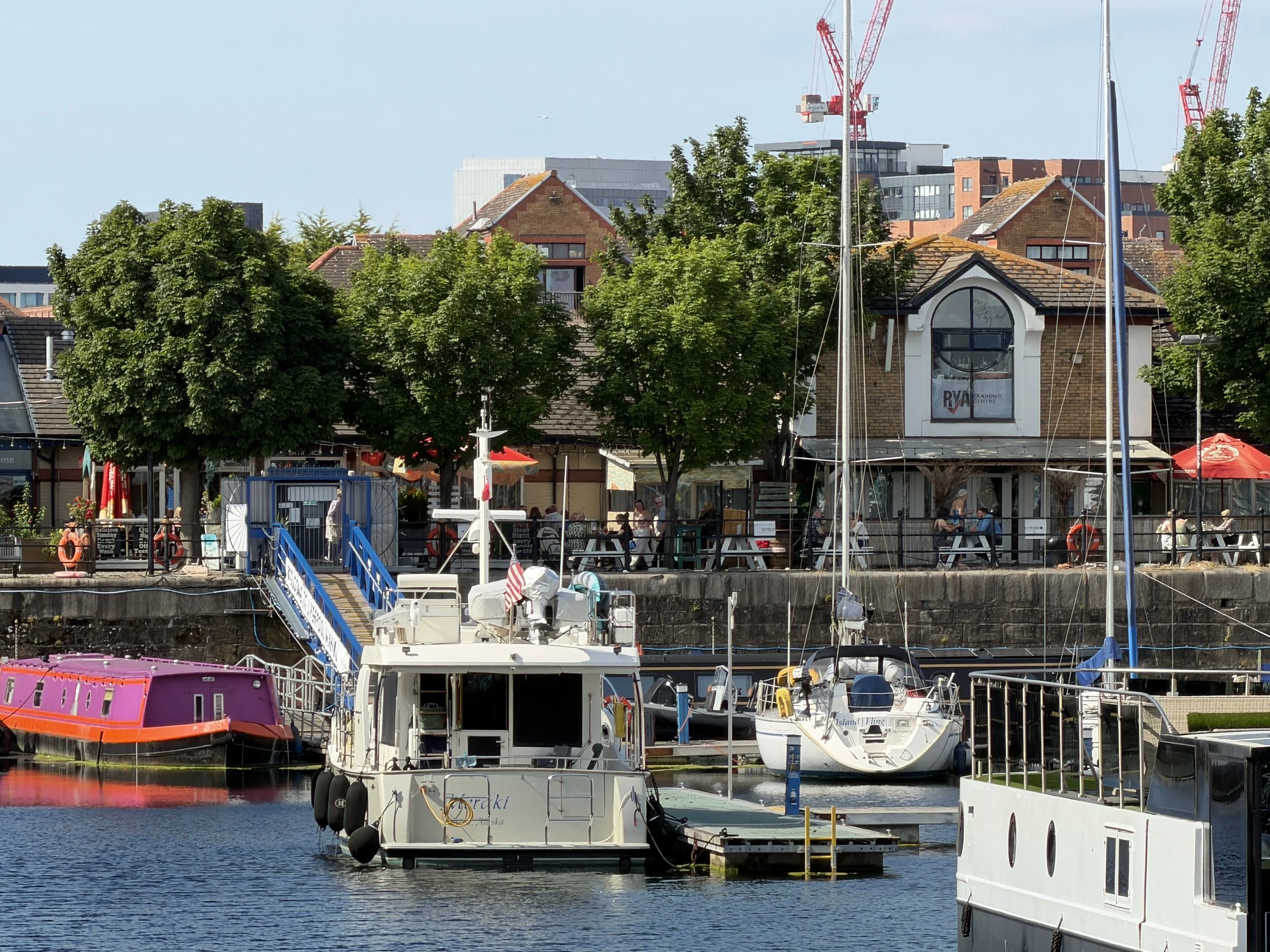
Needless to say we weren’t happy. We were literally locked in. So much for our plane tickets from Scotland home to Alaska at the end of June. We were excited to get home for the arrival of our first grandchild. Moreover, we would be missing quite literally, the best cruising weather we’d seen the entire season (since April).
Nothing to do but leave Meraki in Liverpool. Time to switch gears. Rebook flights, re-secure Meraki to remain floating all summer in our absence. Empty the fridge, close the through-hulls, turn off the inverter…all the things. It was a somewhat sad and rather an abrupt end to our spring cruising season, but it couldn’t be helped.
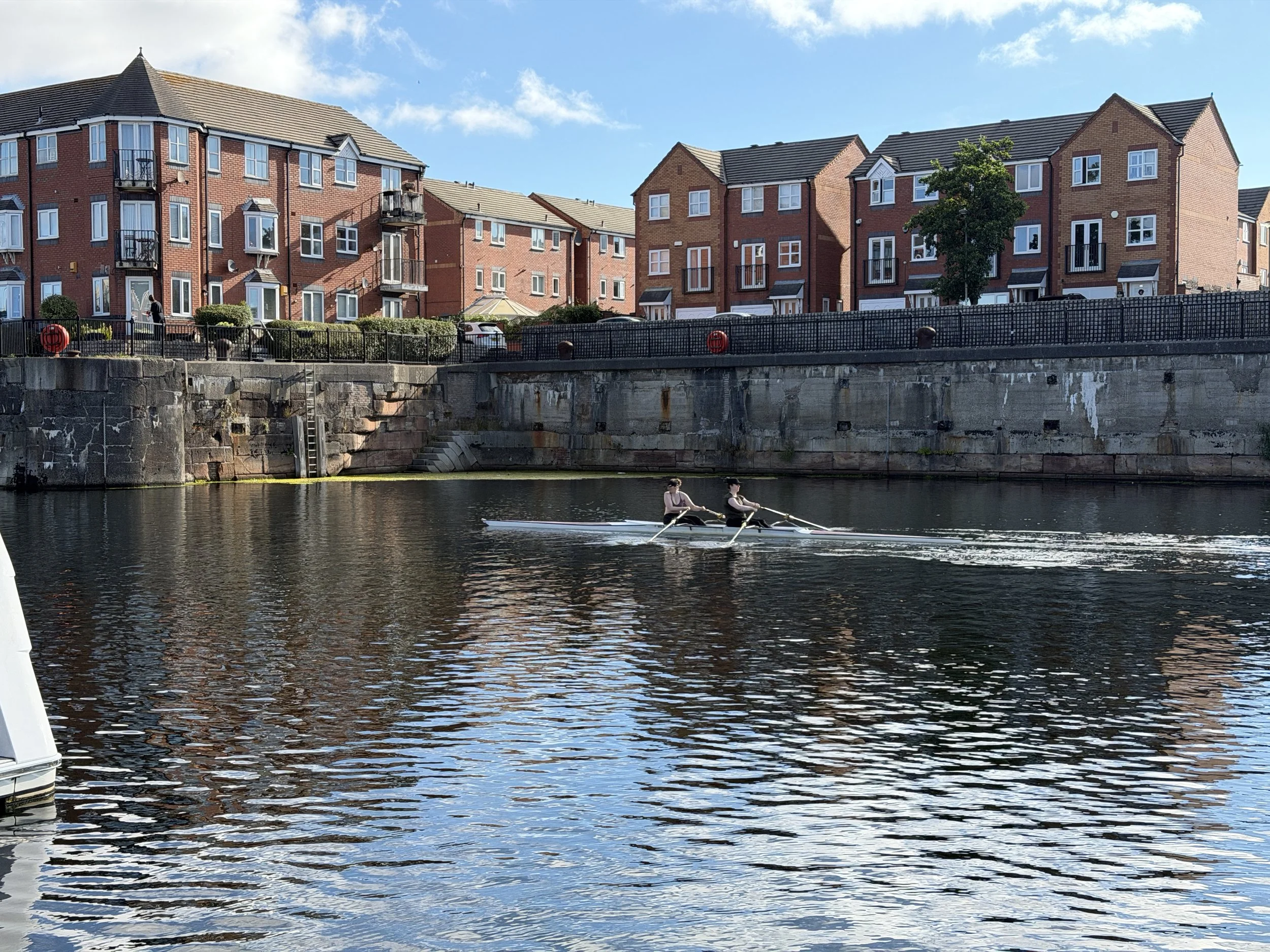
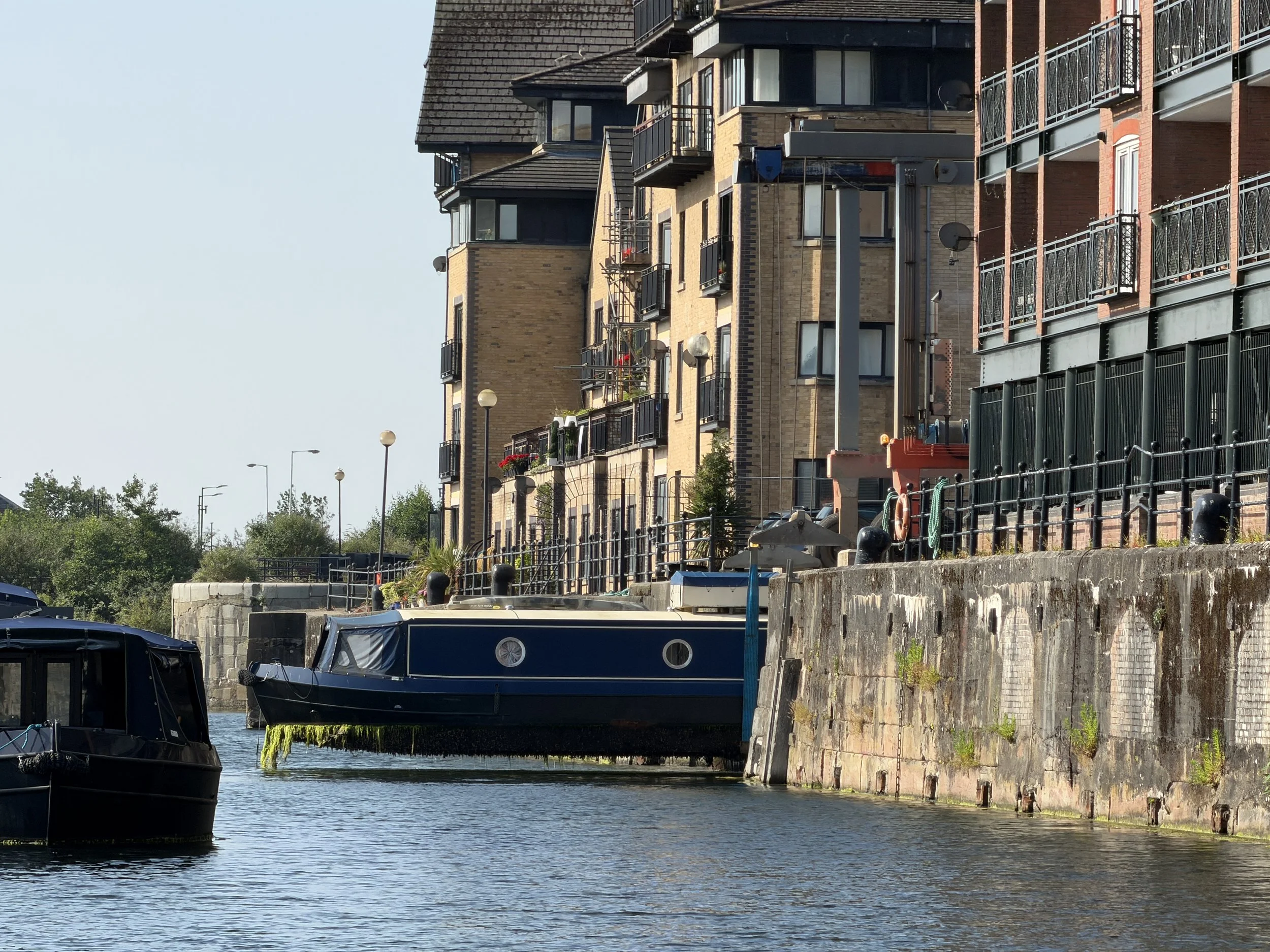
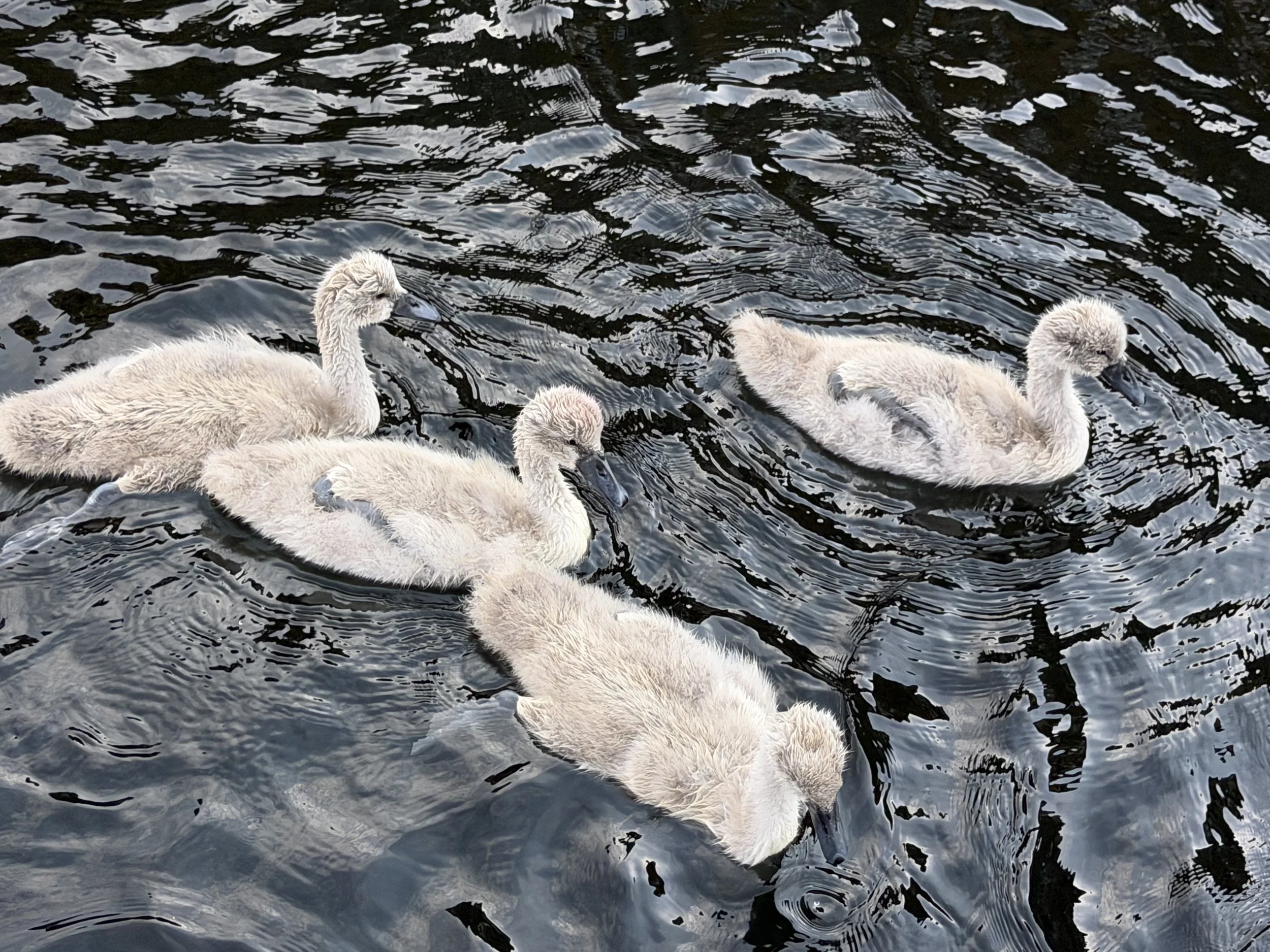
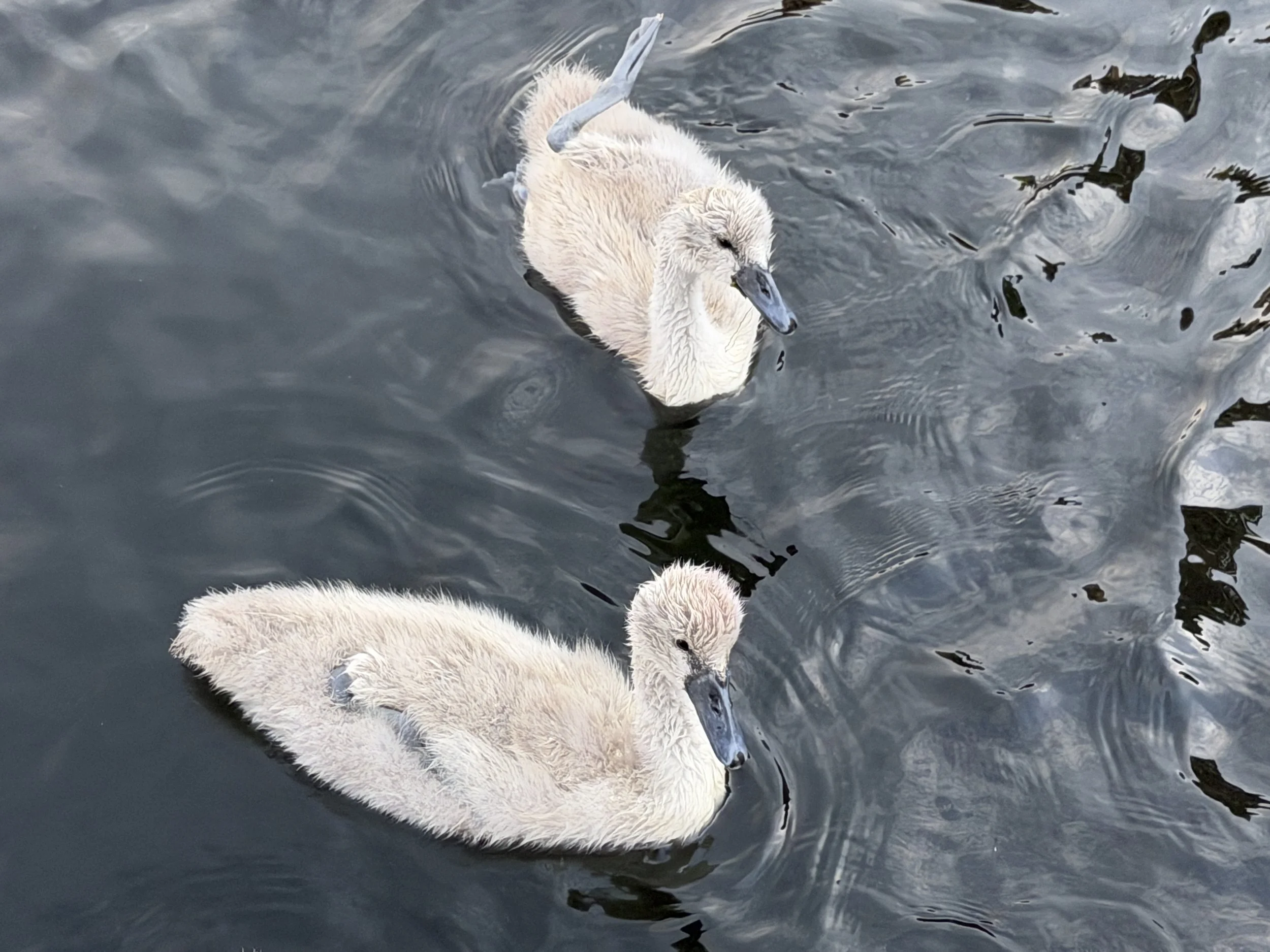
If there’s one thing I’ve learned from boat life, it’s how to face adversity. Like rogue waves and sudden storms, hardship is inevitable. Rather than fighting the currents, the sea has shown me how to cultivate resilience when faced with misfortune and how to adapt to unpredictable circumstances. We can’t control the wind but we can adjust the sails.
Alaska here we come.
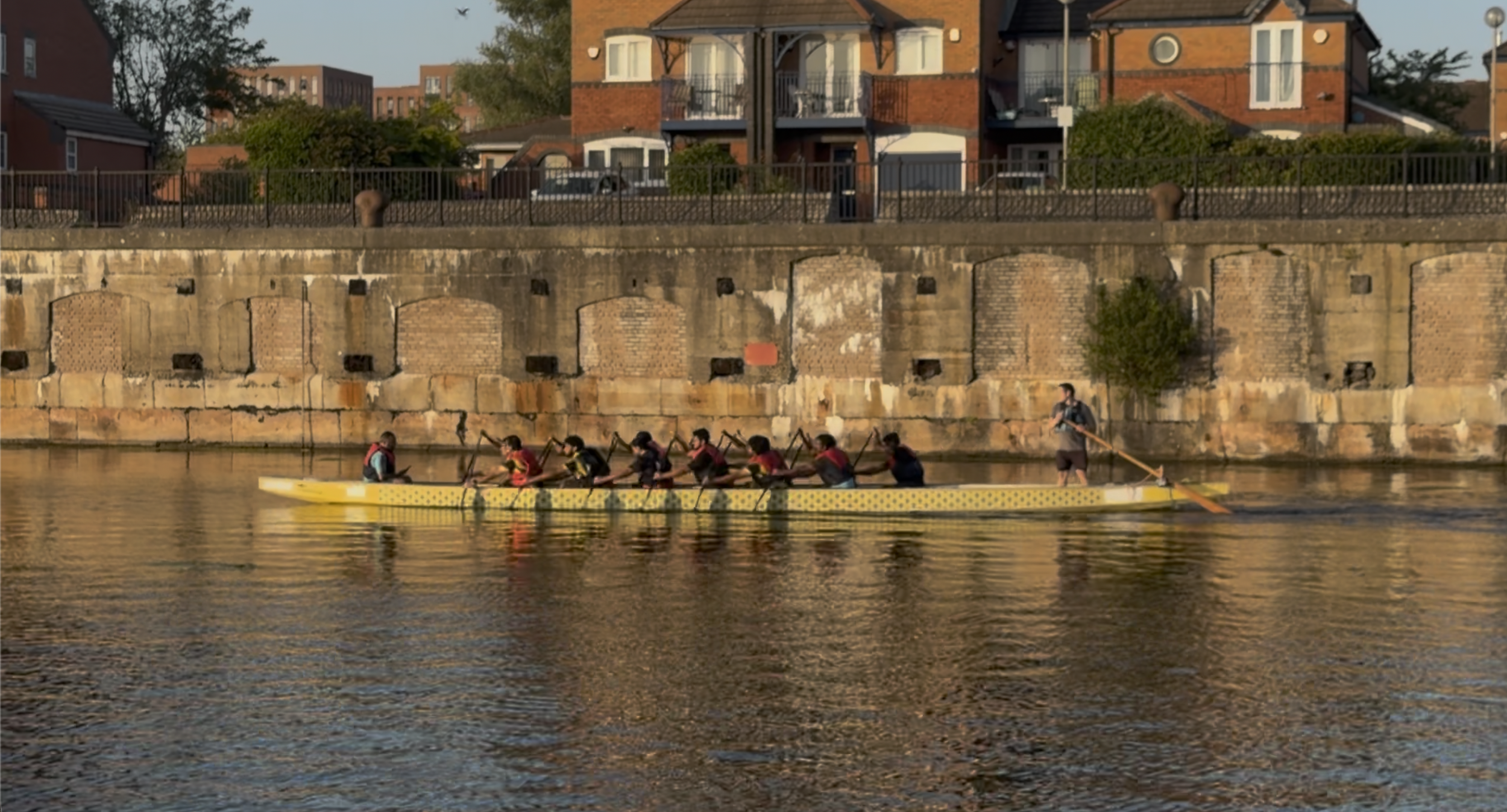
At least we got a nice send off.
Note: photo captions will not appear if viewing on a cell phone.