

South Devon Coast
We left Portland Marina on a fairly long passage, heading south down the coast and then westward. We had been warned about rounding the point known as the Portland Bill.
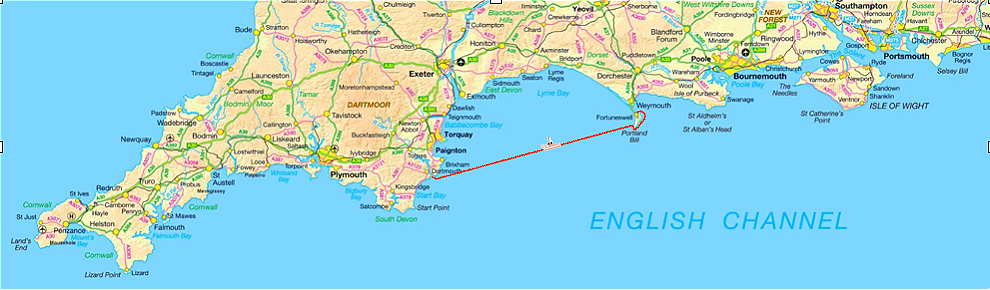
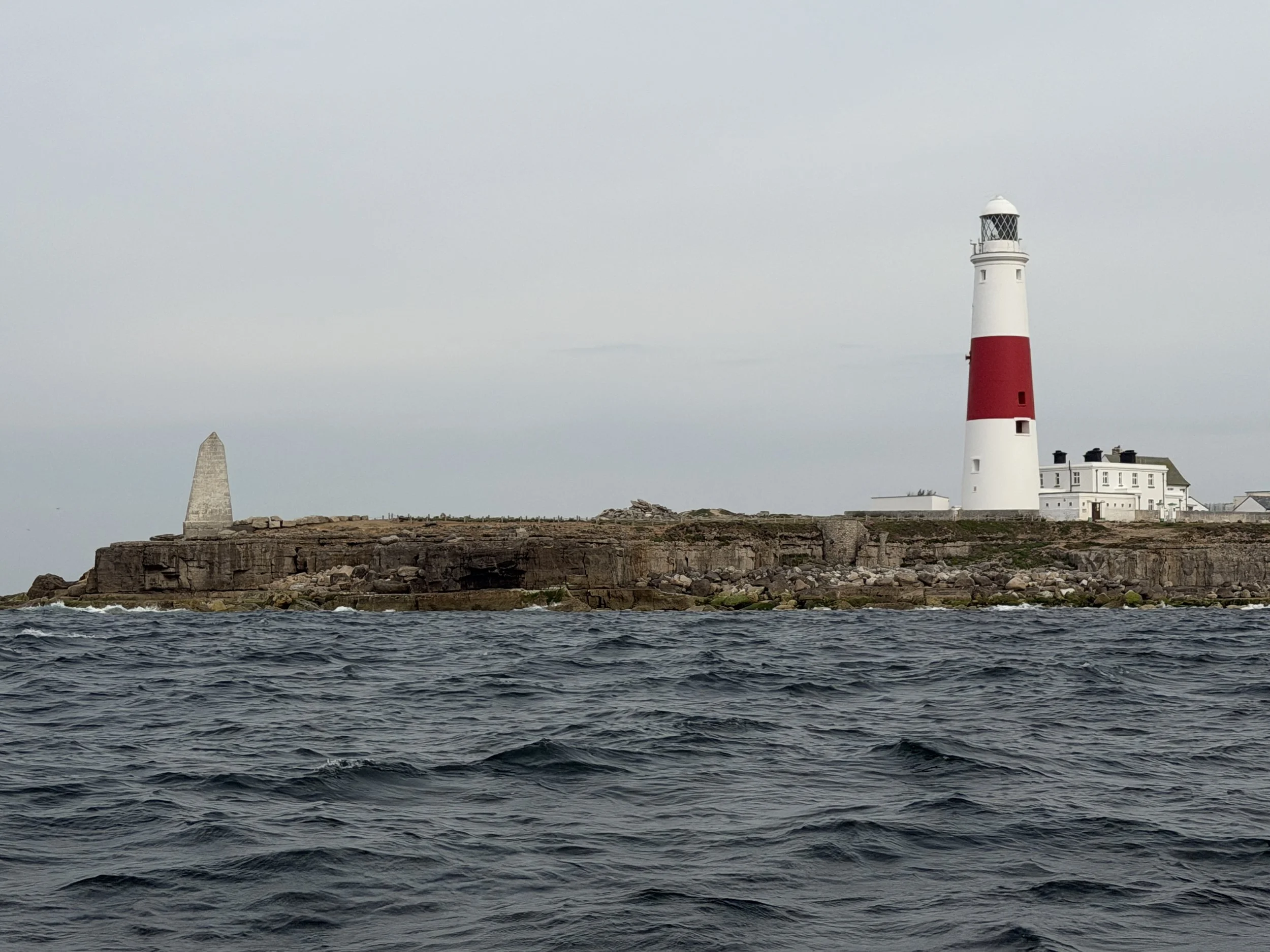
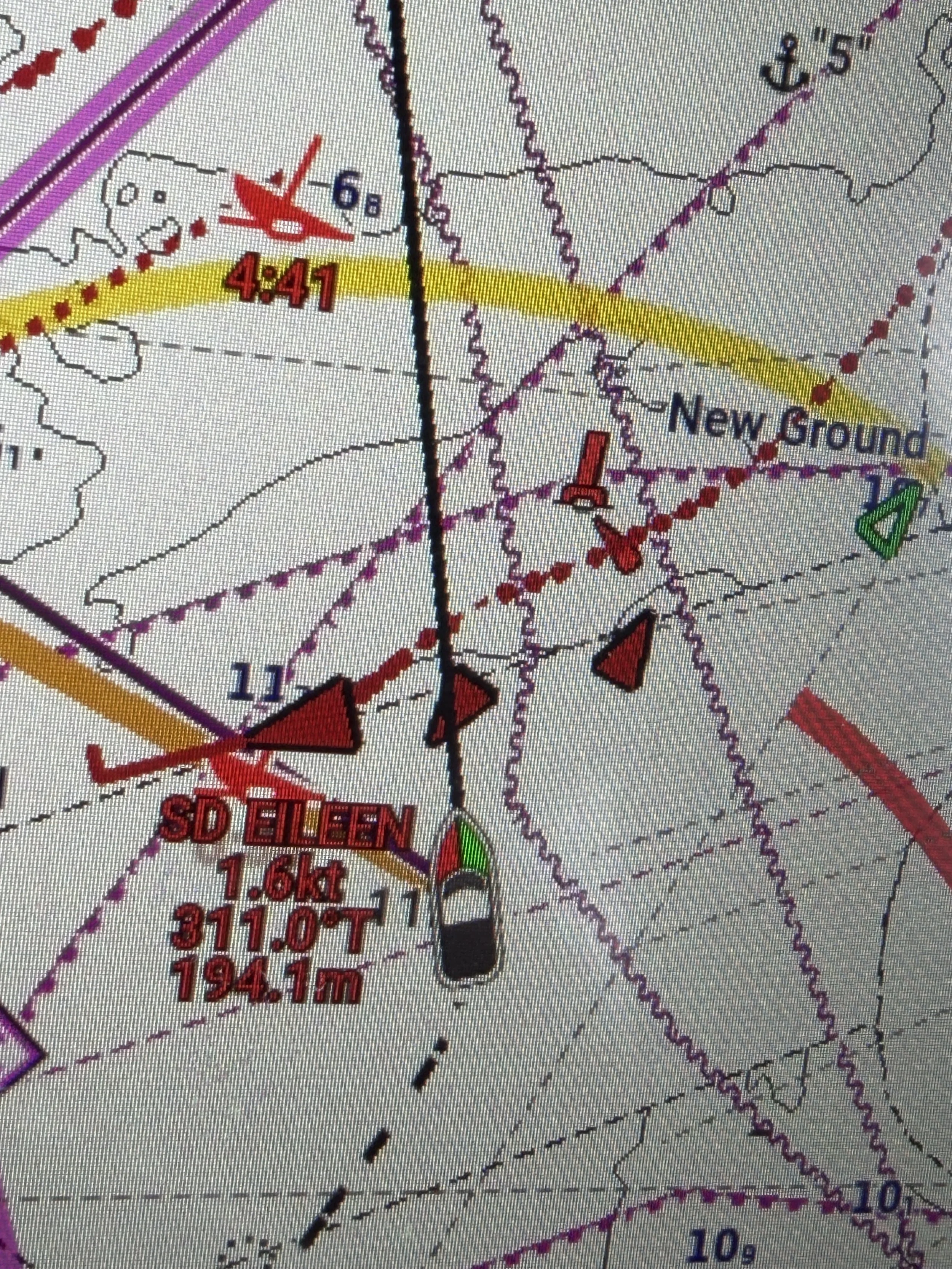
The Portland Race, the waters off Portland Bill, can be treacherous. It is one of the most treacherous stretches of water in the English Channel, where powerful tidal currents of up to 10 knots collide over a shallow, rocky ledge creating steep waves. The breaking waves (or “races”) can stretch miles off the coast, making precise timing at slack water essential.
With careful planning however, the tidal flow can be of great benefit when running to the west. According to our research, and a much appreciated video explanation shared by Gary, it is suggested that vessels are at Portland Bill four hours after high water-Portland in order to gain the best use of the surrounding tides.
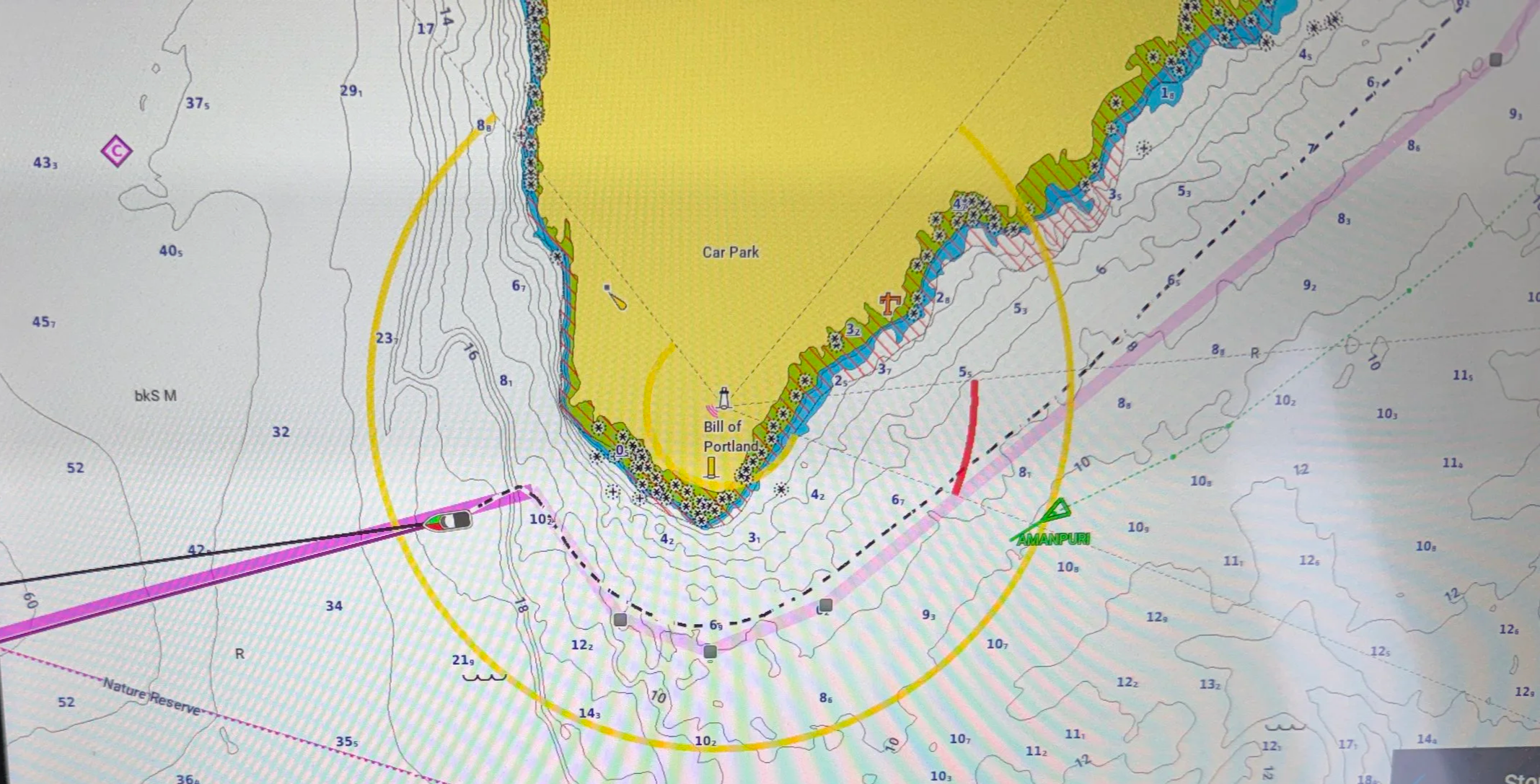
The pink line indicates our route
We left the marina at 0730 after saying goodbye to our children, figuring we’d arrive at the Portland Race around an hour later. We were well ahead of the optimal tidal flow in our direction - but still within the safe window to transit. The seas were a bit choppy and we had a broadside swell. Arriving at Portland Bill Lighthouse right on schedule, we hugged the coastline. The locals say you should be able to catch a biscuit thrown from shore. We stayed within 100 meters of the shoreline as suggested and continued around the point northward before turning to follow our route to the west.
We were a bit anxious about this transit and were thankful it went smoothly and was behind us. Now to enjoy a calm, sunny and pleasant sail across Lyme Bay.
This area of the English coast is quite fascinating. Many of the earliest discoveries of dinosaur and other prehistoric reptile remains were found here. Coastal erosion means the Jurassic Coast, a World Heritage Site about 95 miles long (153km), continues to reveal samples spanning the entire Age of Reptiles - the Triassic, Jurassic and Cretaceous periods.
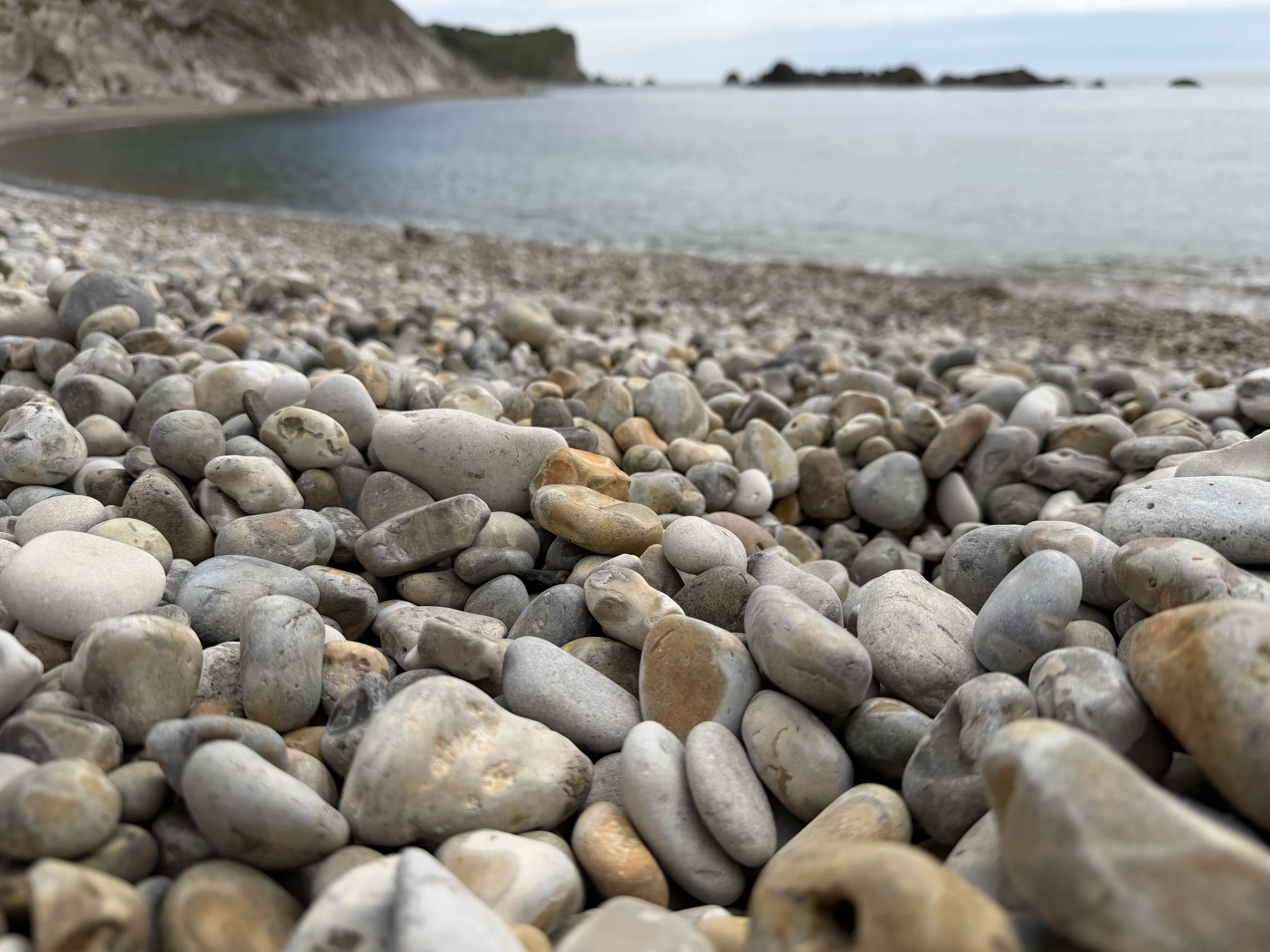
These are mainly of ocean creatures, stemming from when the region was a warm and tropical sea. The unique geology of this place, where seas continually erode the cliffs, means new and exciting fossils emerge regularly. Lyme Bay is one of the best places to find fossils along the Jurassic Coast, containing thousands of fossils of marine reptiles that swam in the Jurassic seas 145 million years ago, and representing one of the richest slices of life in Jurassic times anywhere in the world. Fossils have been found along this stretch of Dorset coastline for centuries. An amateur fossil hunter recently discovered a rare fragment of the world's oldest marine crocodile. High winds and inclement weather kept us from doing much beach combing but it’s definitely worth walking these beaches if fossils are your jam!
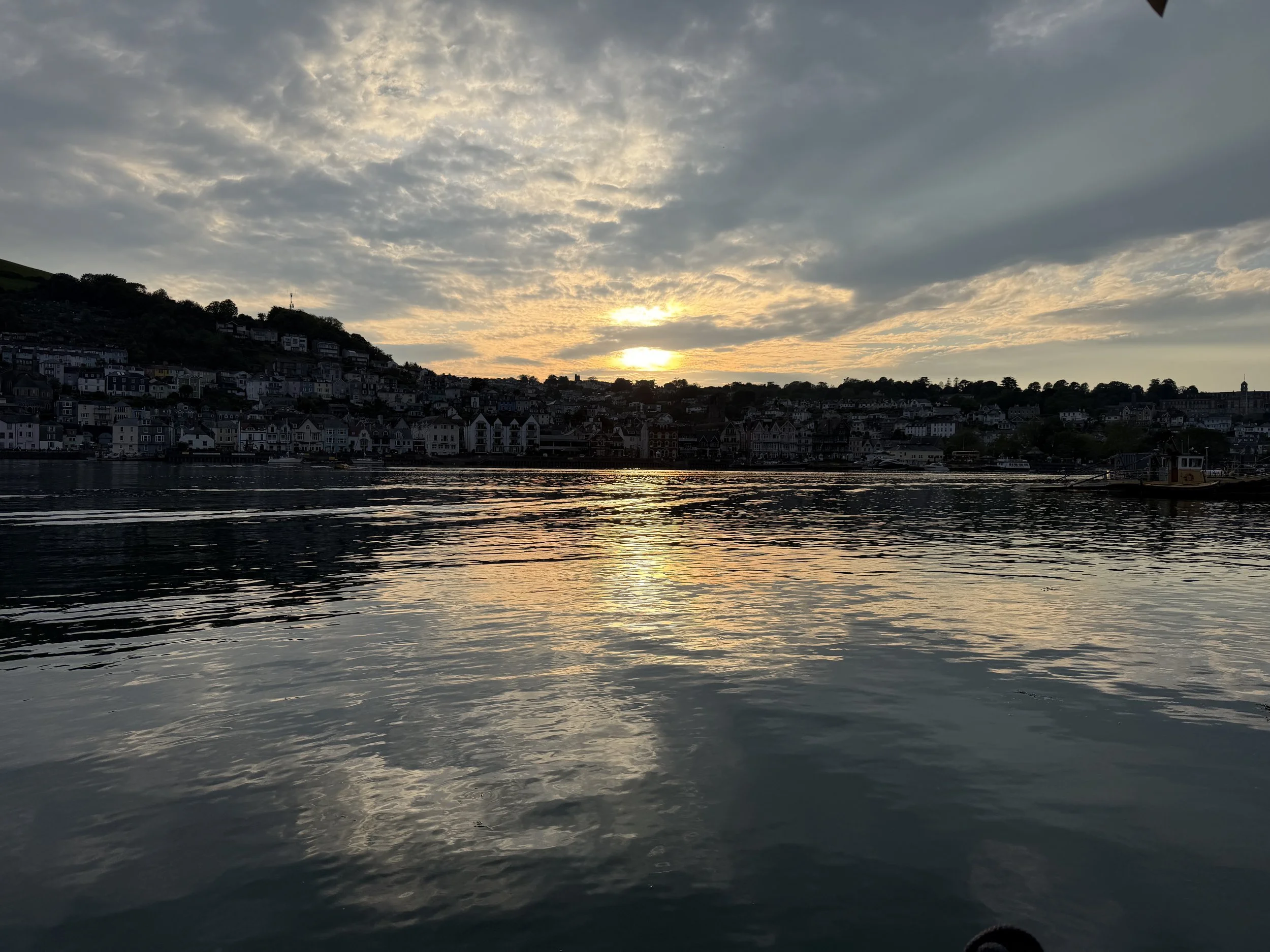
We arrived at the mouth of the Dart River in early evening and made our way upstream to the town of Dartmouth. We’d called ahead for a berth in Kingswear - a village directly across the river from the town of Dartmouth, and were told they would call us back once they checked to see if they had space. Upon arriving at the mouth of the river eight hours later and having not heard from them, we called a second time and were told they didn’t think they could fit us anywhere. I chatted a bit further, letting them know theirs was our preferred marina on the river, and we were offered a space on the Visitors pontoon if we wanted to try to squeeze in there. The last space at the end of the dock was ample enough for Meraki and we couldn’t have more pleased. We had an unobstructed view of the town of Dartmouth across the river and front row seats to all the comings and goings; the small passenger and barge/tug car ferries, dinghies, pleasure craft, kayaks and more.
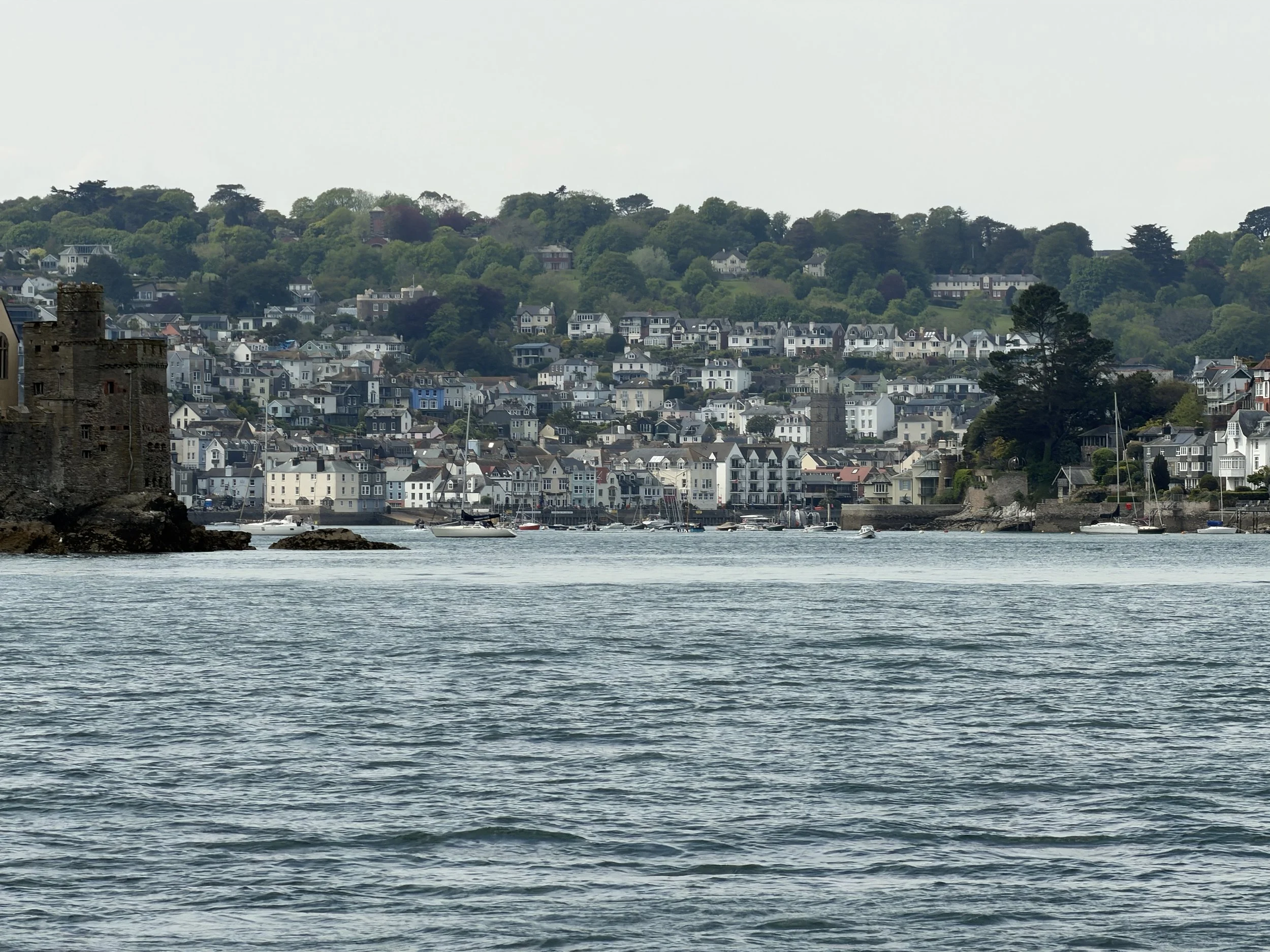
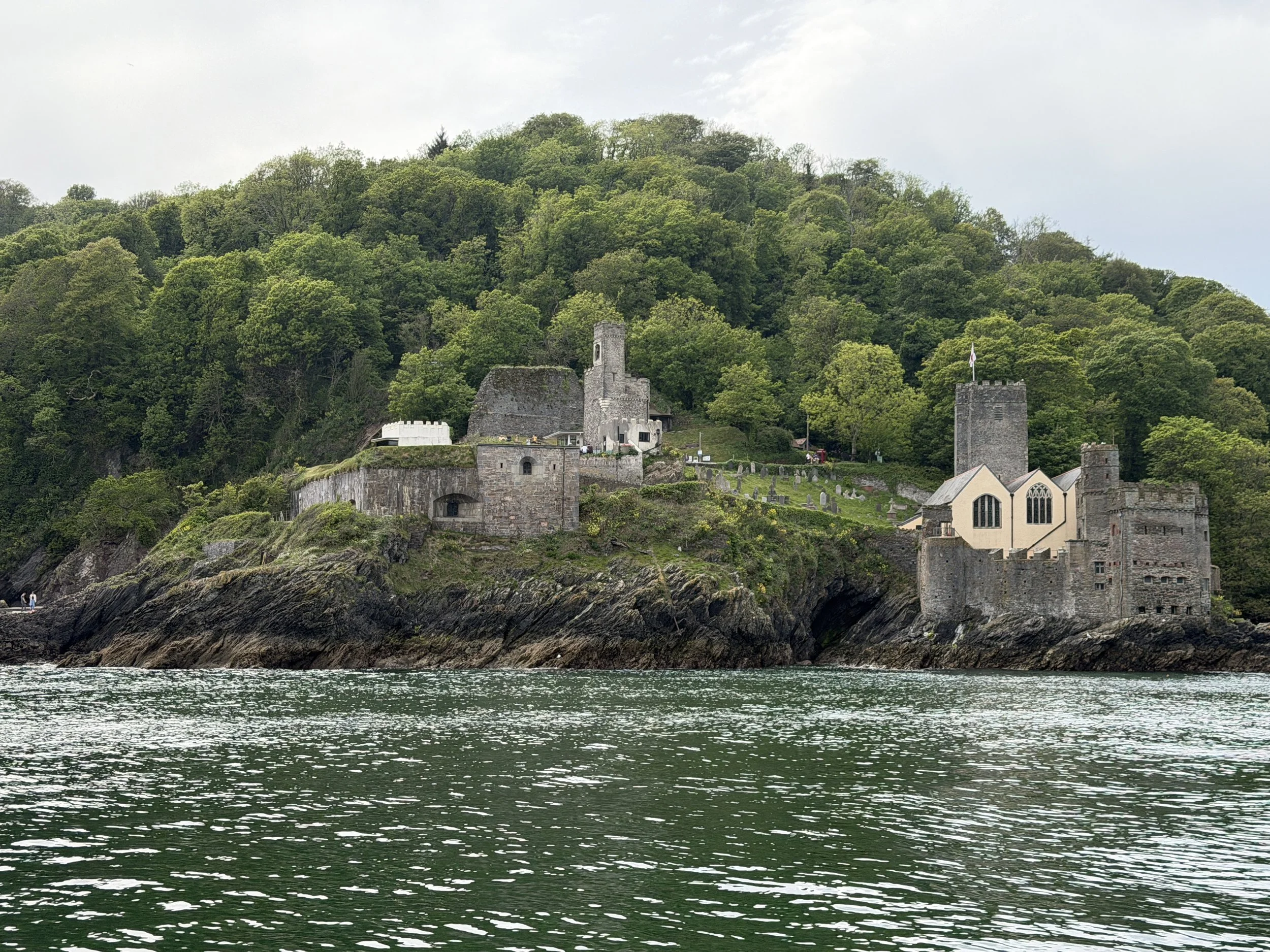
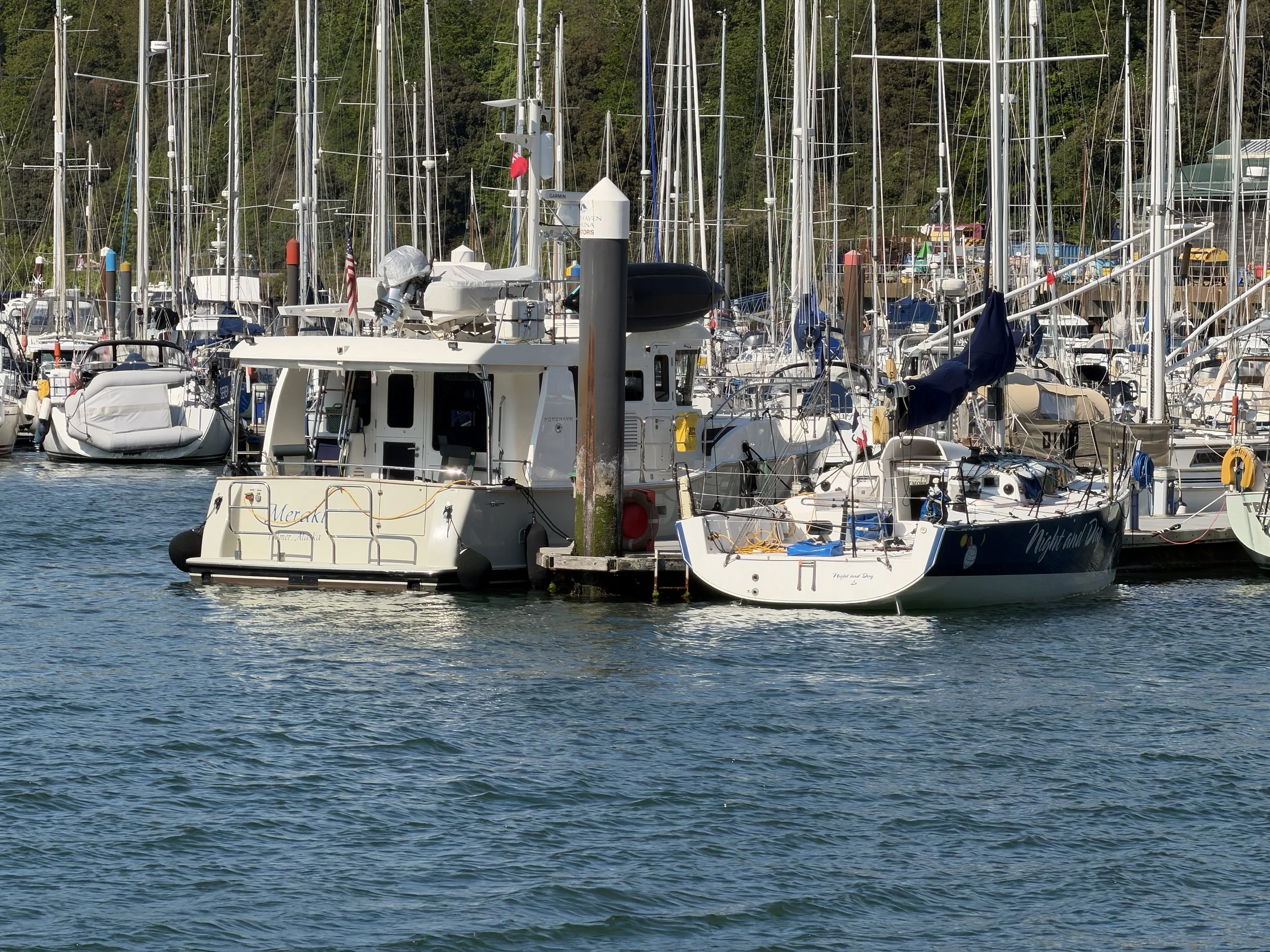
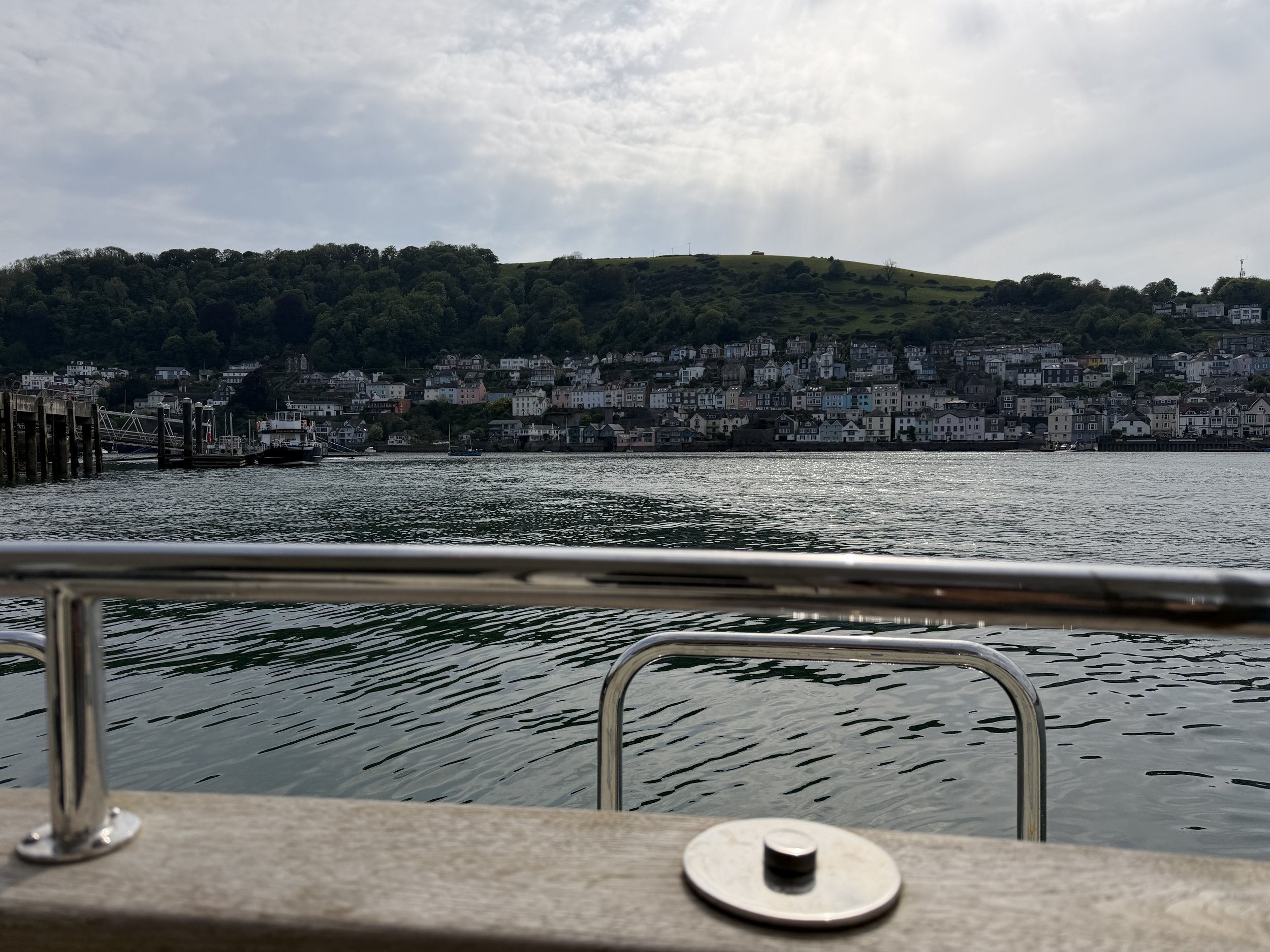
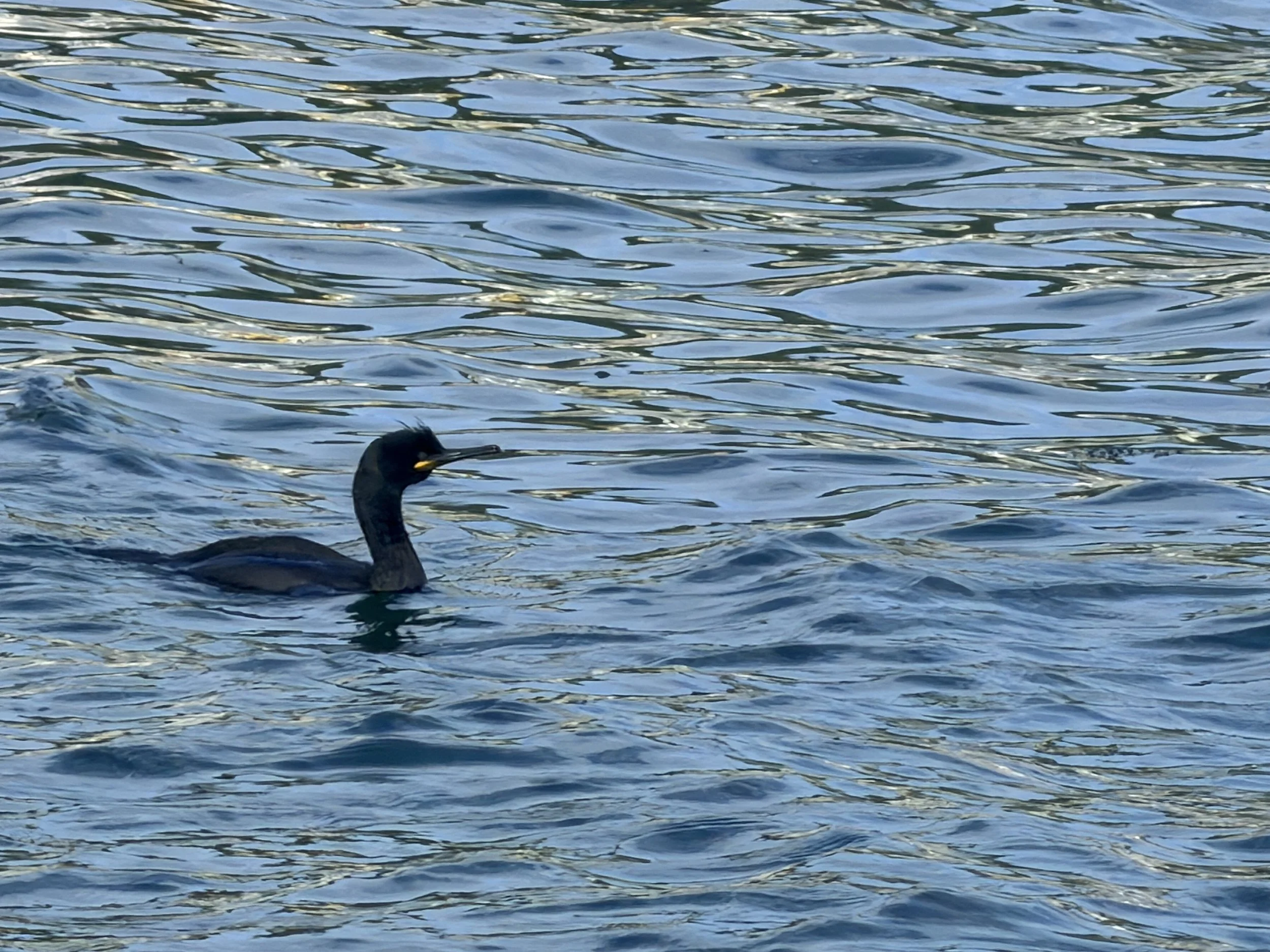
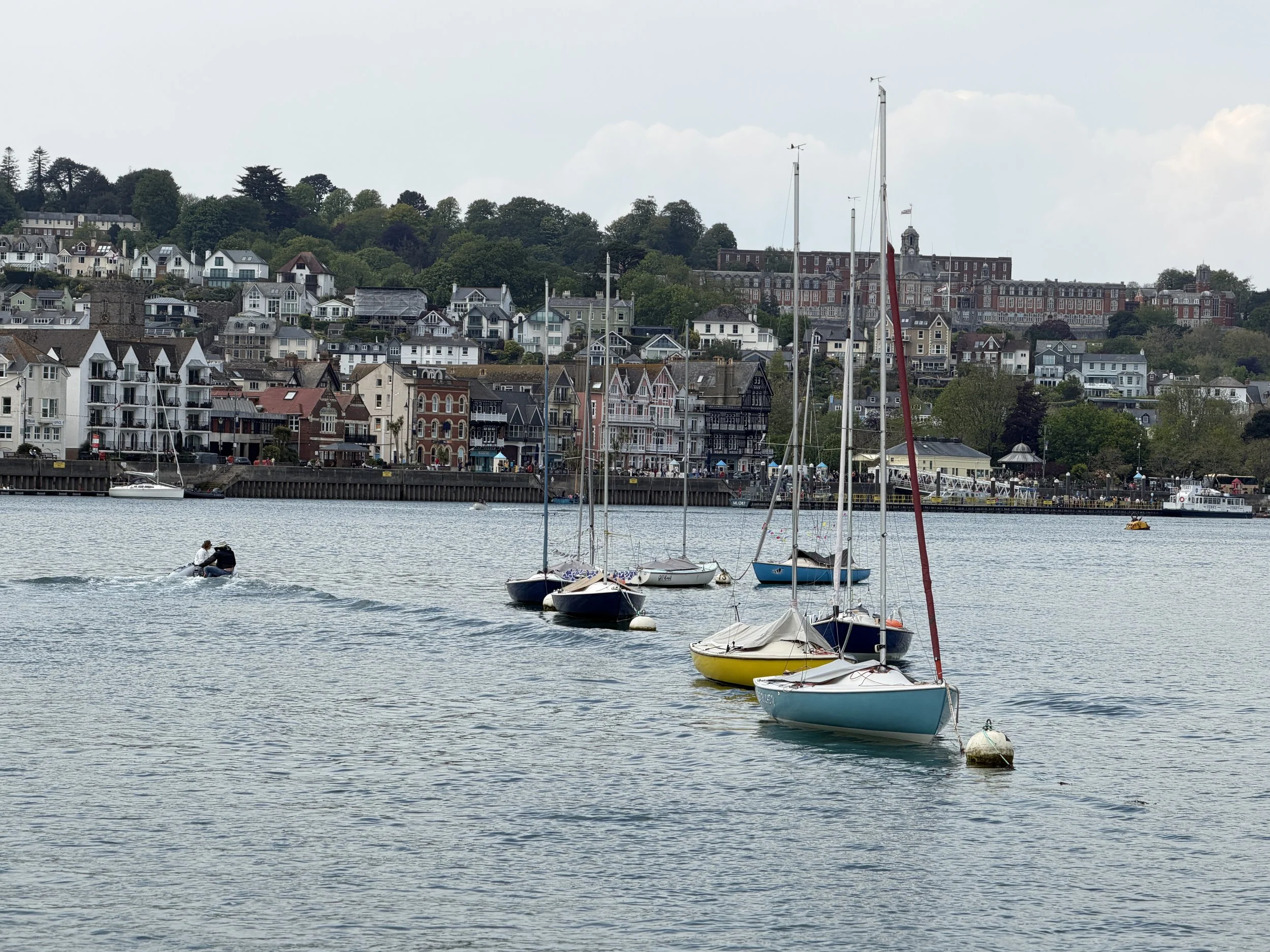
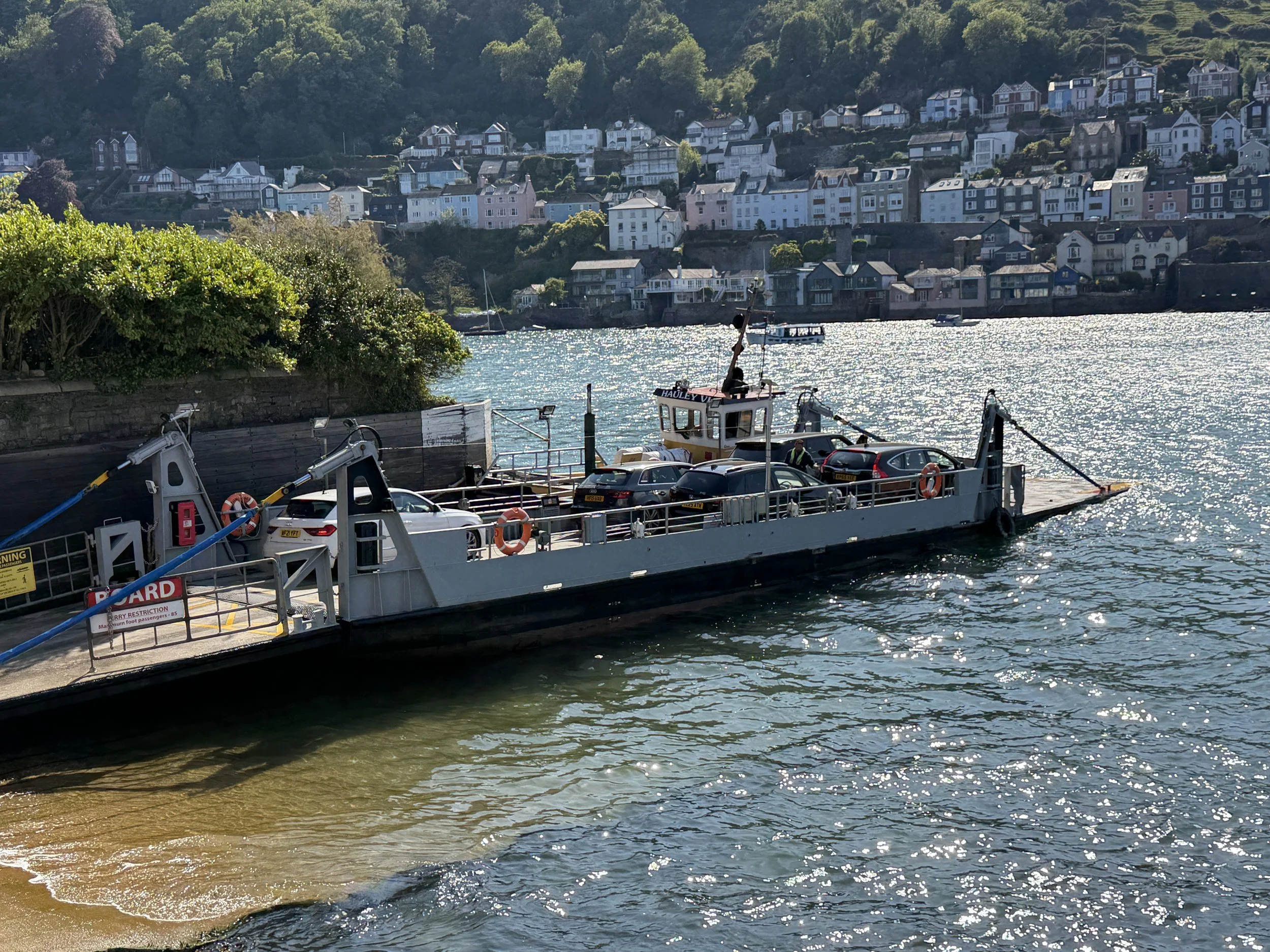
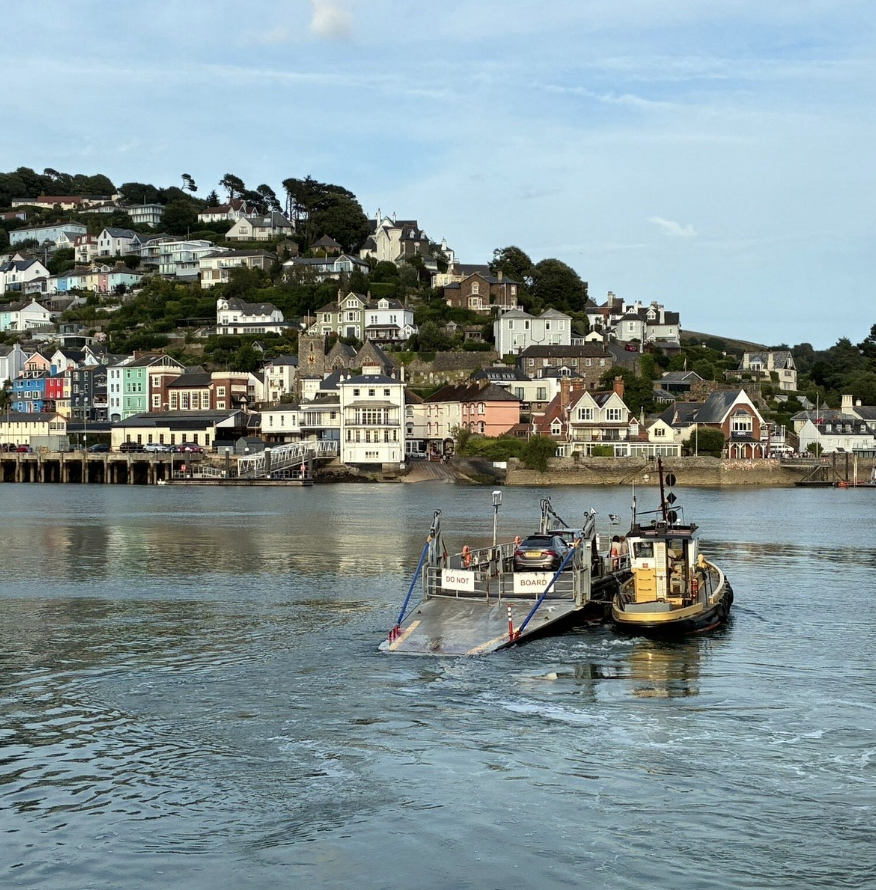
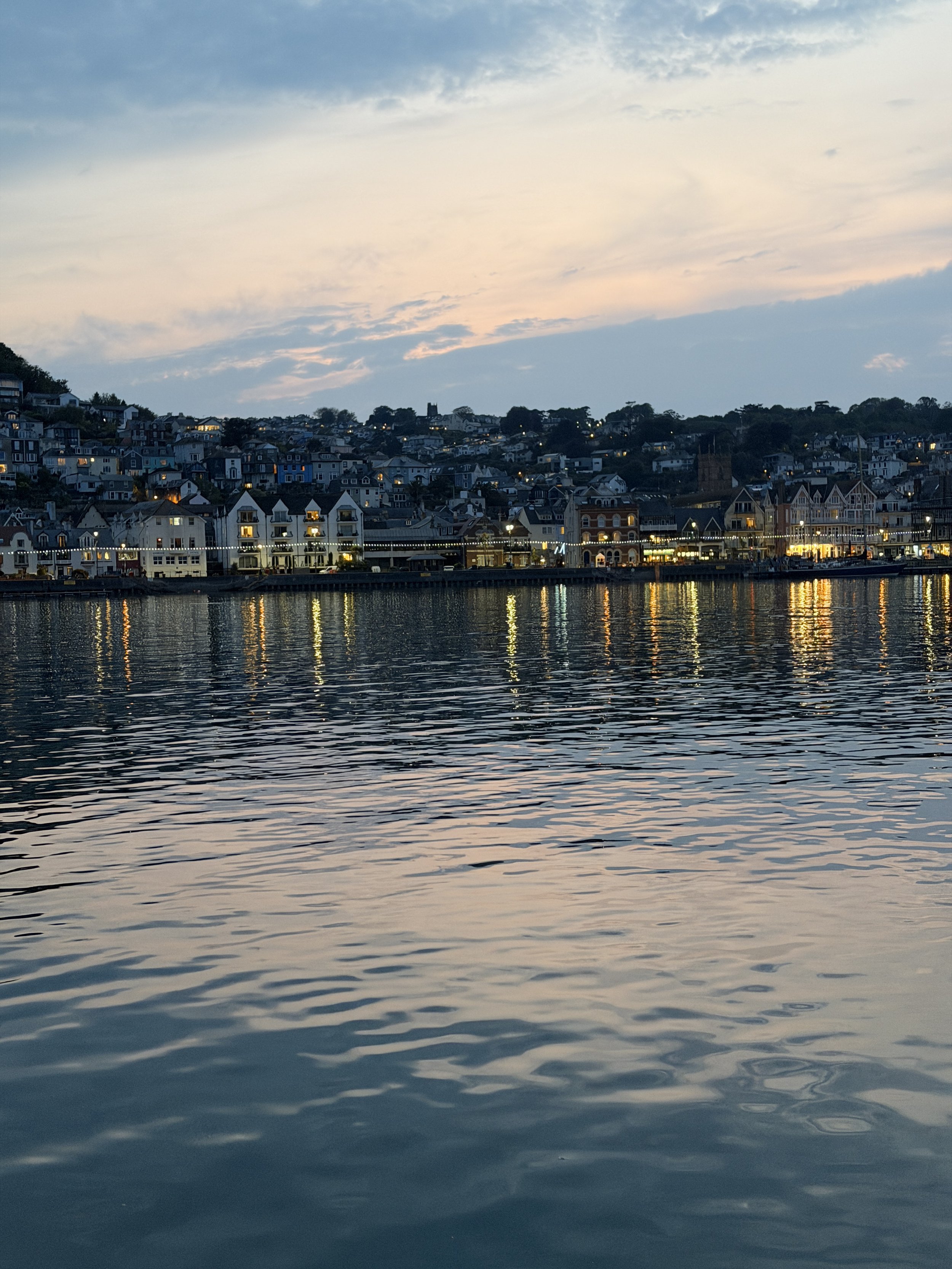
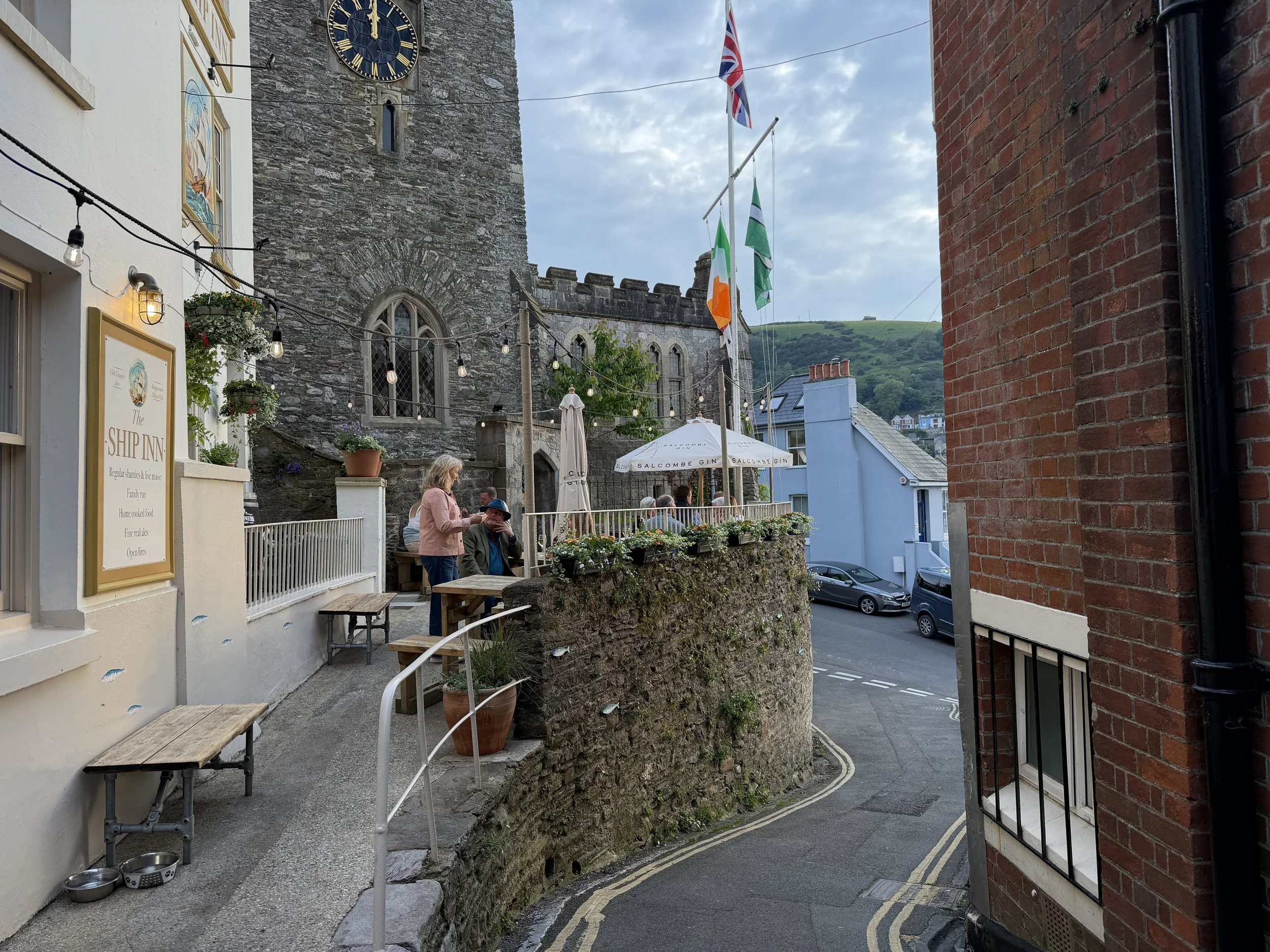
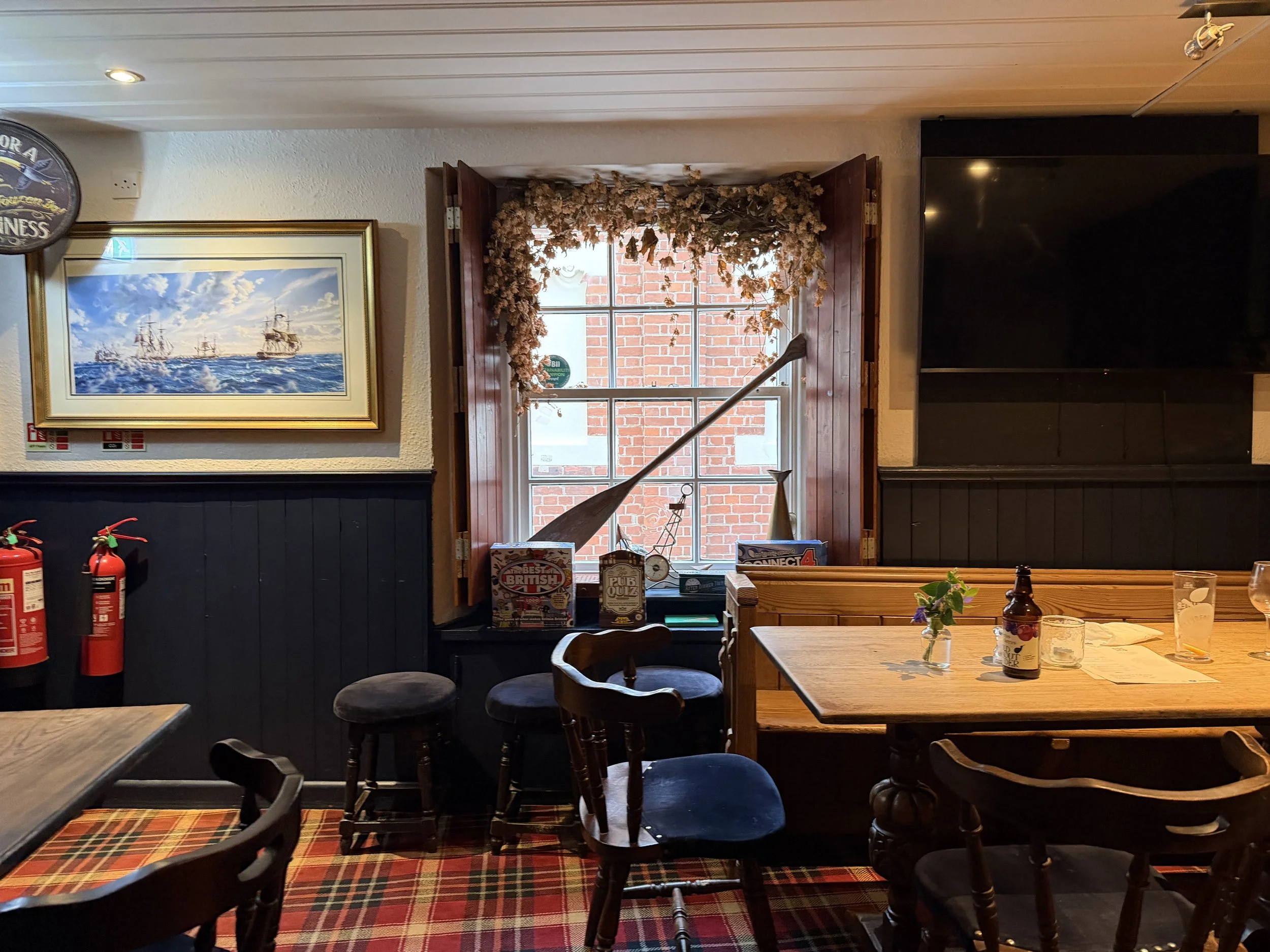
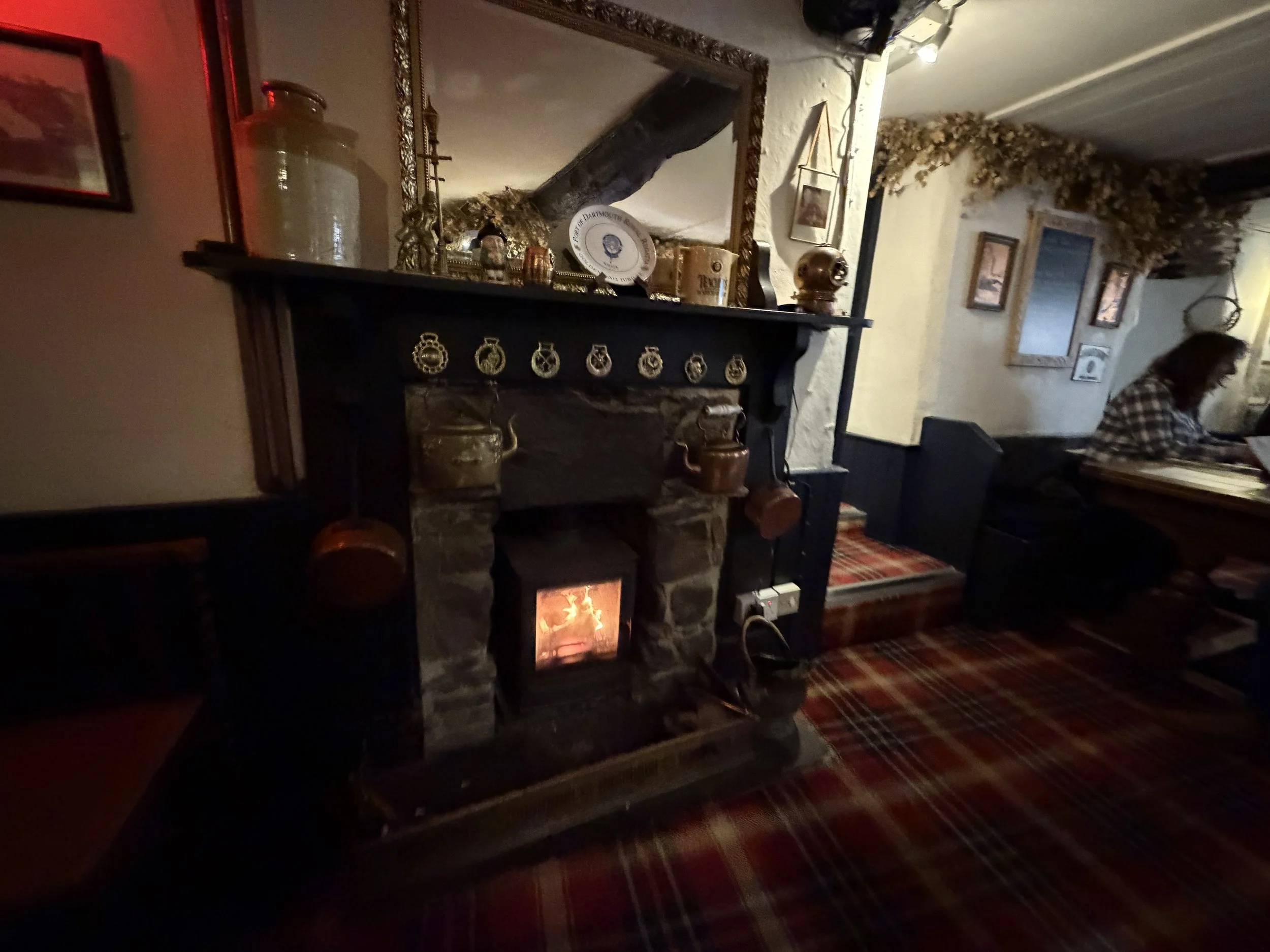
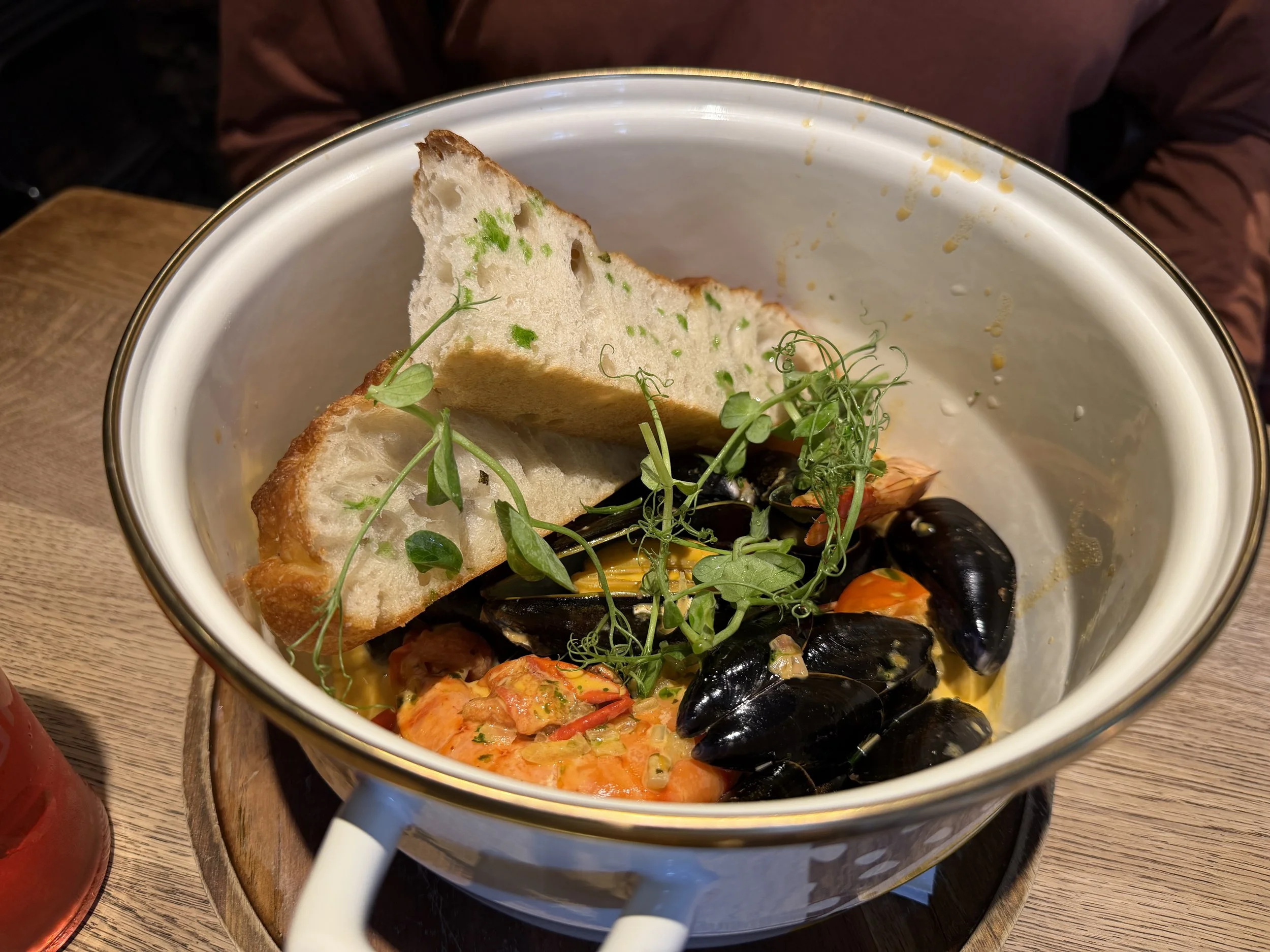
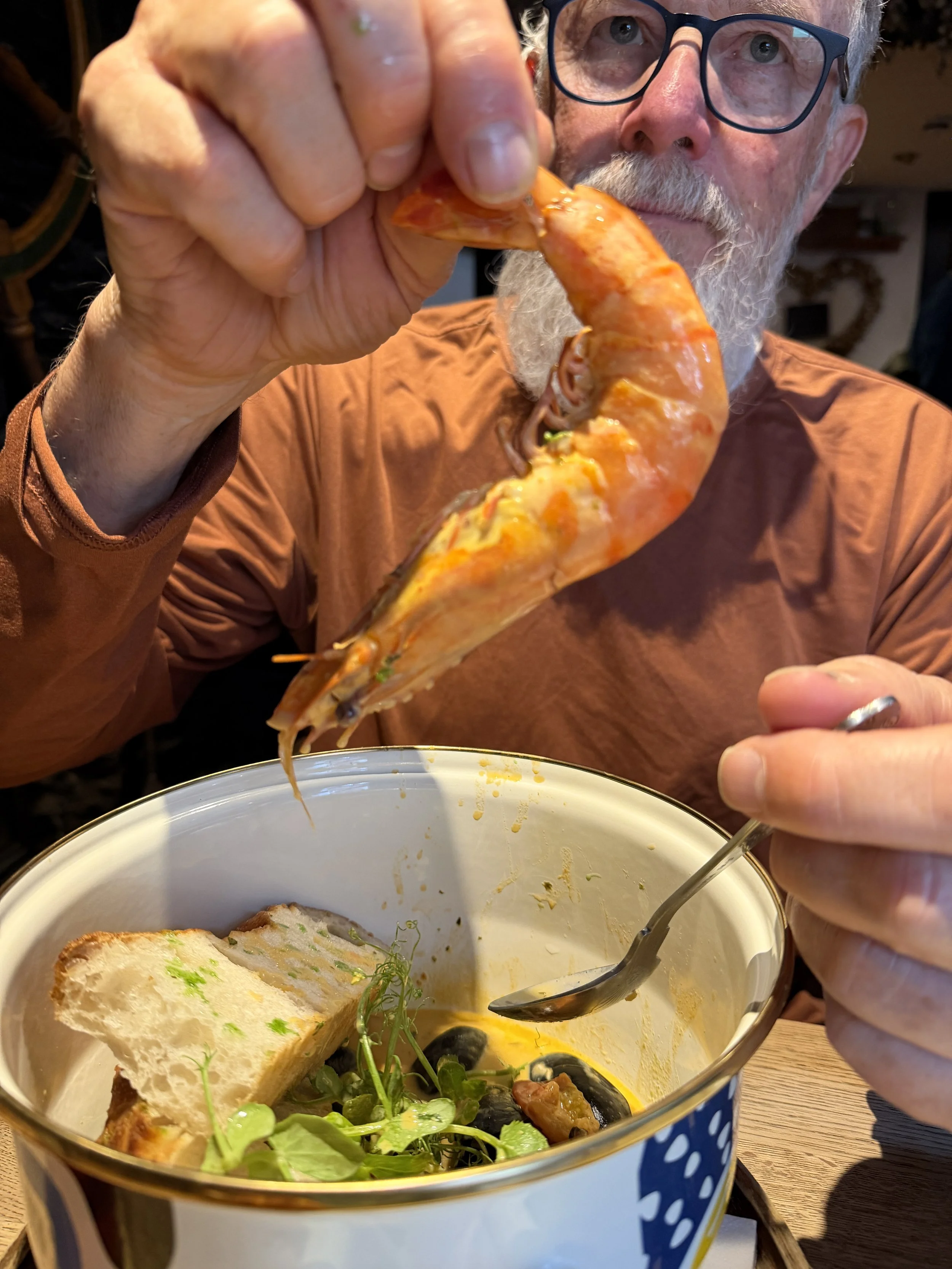
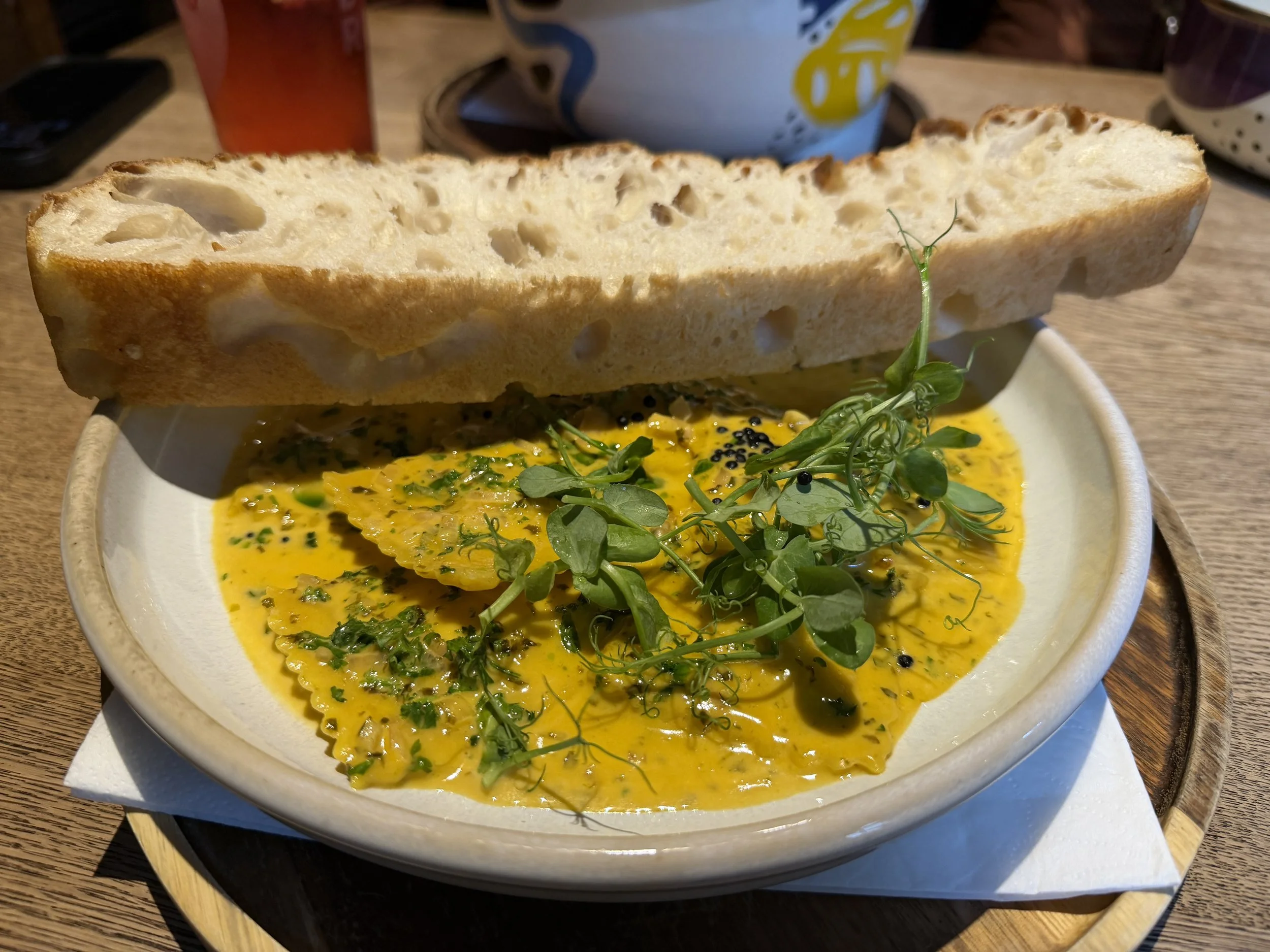
Kingswear is an ancient village located on the east bank of the mouth of the River Dart opposite the town of Dartmouth. Initially a Saxon village, it later became a stopping point for pilgrims on their way to Canterbury, it was the site of a Civil War battle, and a railway town which led to it becoming a shipbuilding hub. We settled ourselves in, and then walked up to the 15th century Ships Inn for dinner where we enjoyed a good home cooked meal made with super fresh local ingredients.
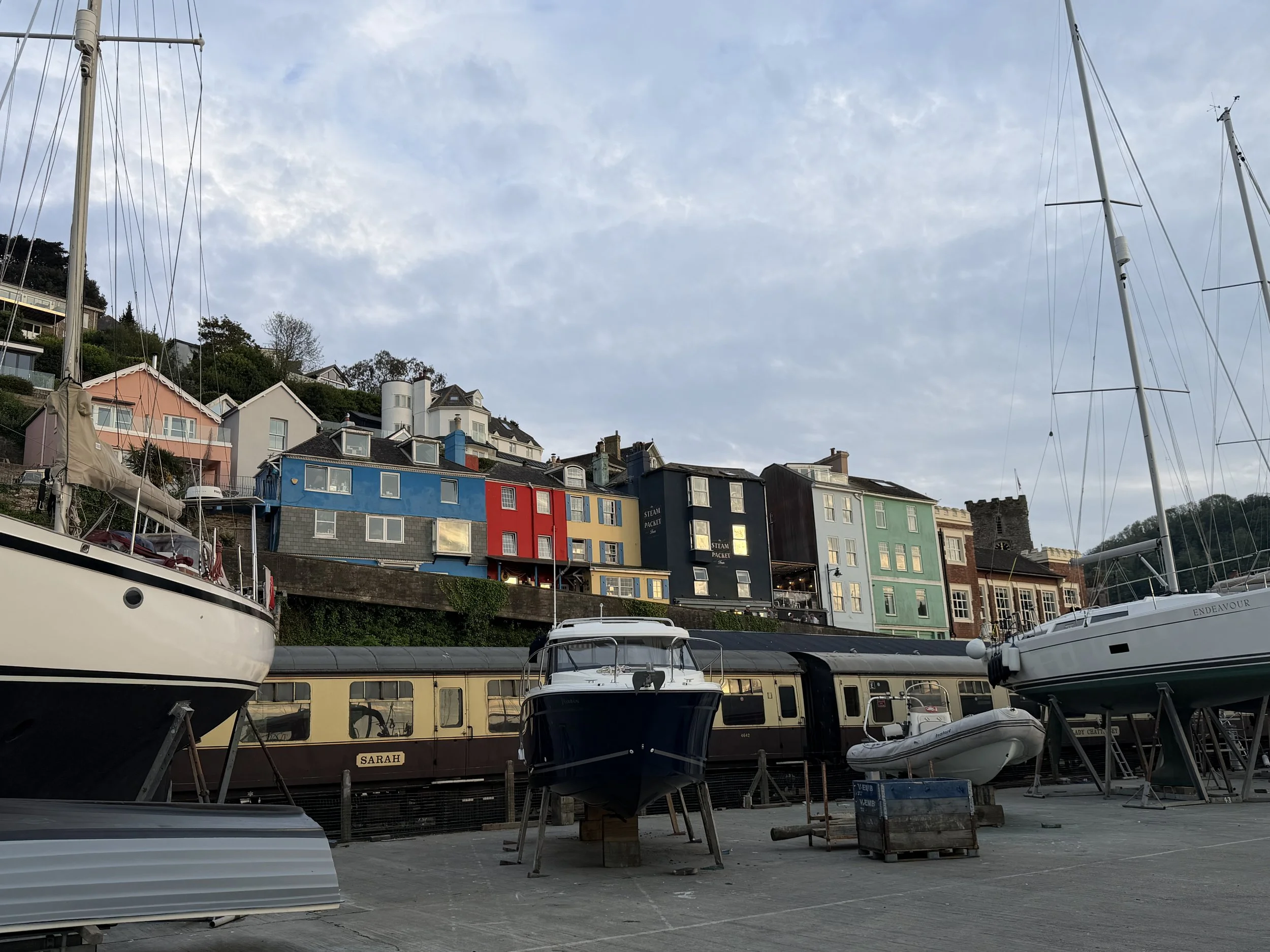
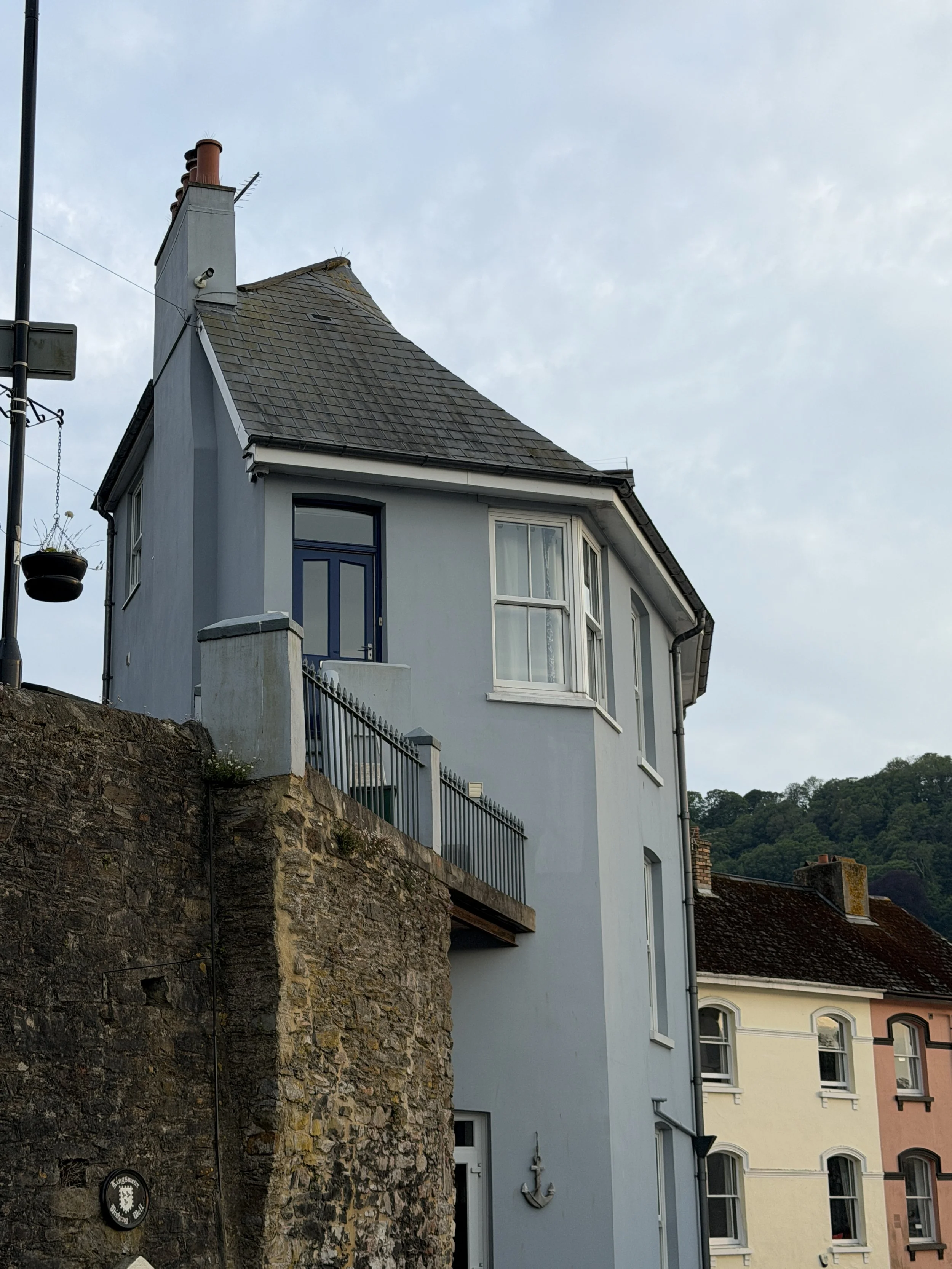
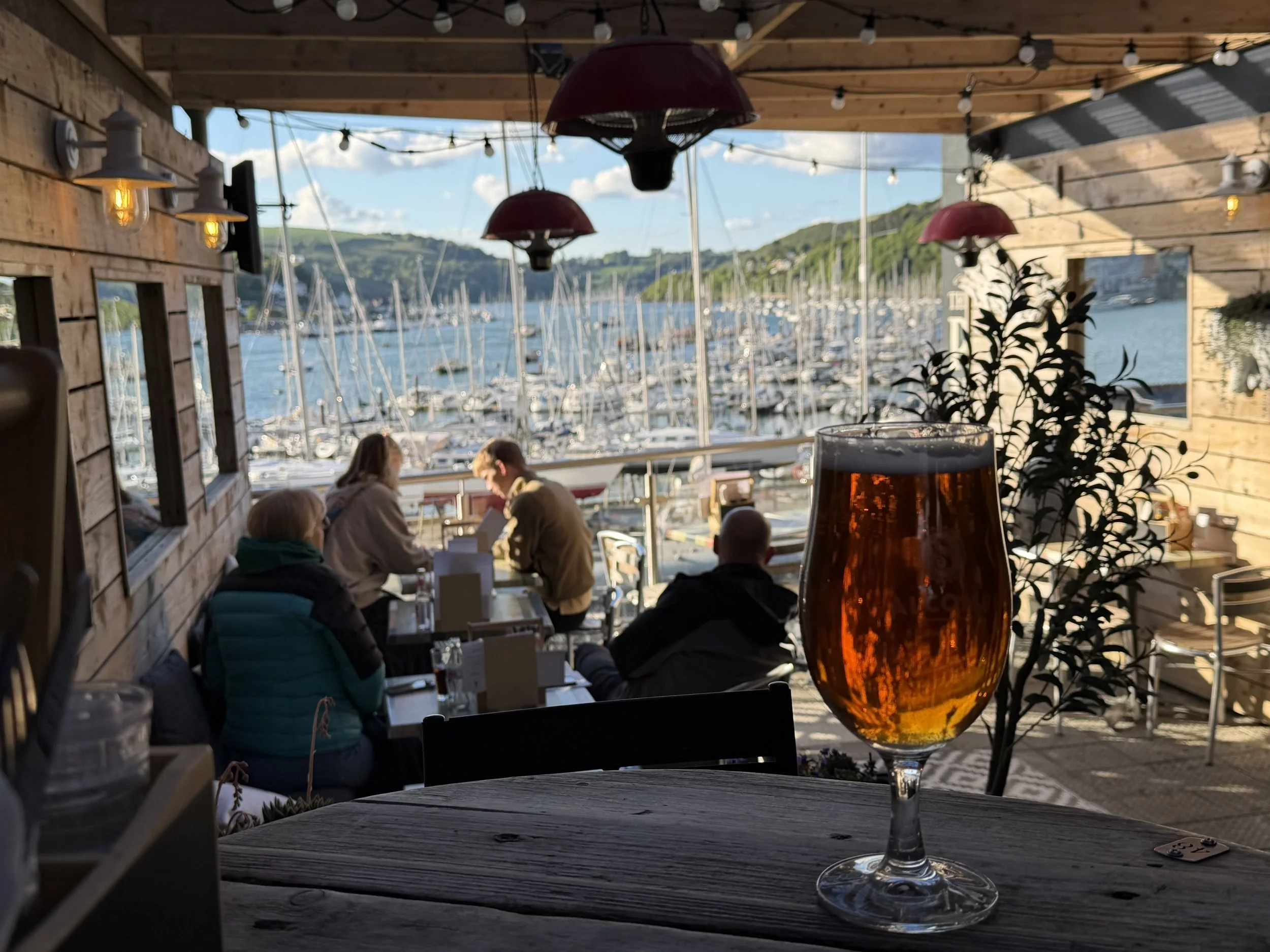
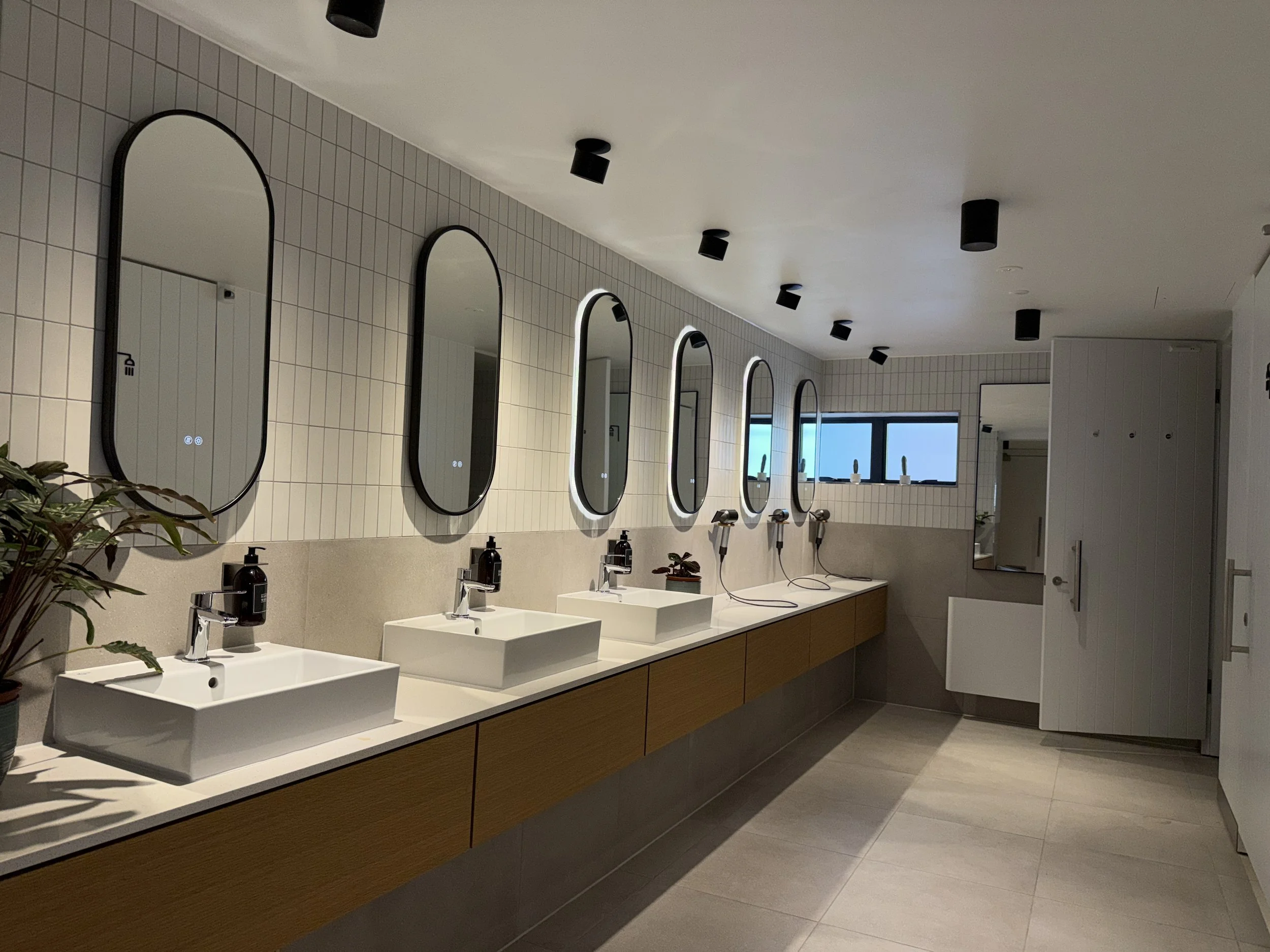
The next day we walked onto the ferry to cross the river to explore Dartmouth. The first thing you see after disembarking the ferry is the train station. Interestingly, Dartmouth Station has never once been served by trains - despite multiple plans during the 1850s to build a track to the station. Apparently the Railway Company ran out of funds and the railway bridge across the river was difficult and expensive. The station at Kingswear which lies on the east bank of the River Dart became a terminus for the railway, and passengers would exit the train and take the chain ferry across to Dartmouth. The Dartmouth Station is now home to the Pontoon Restaurant.
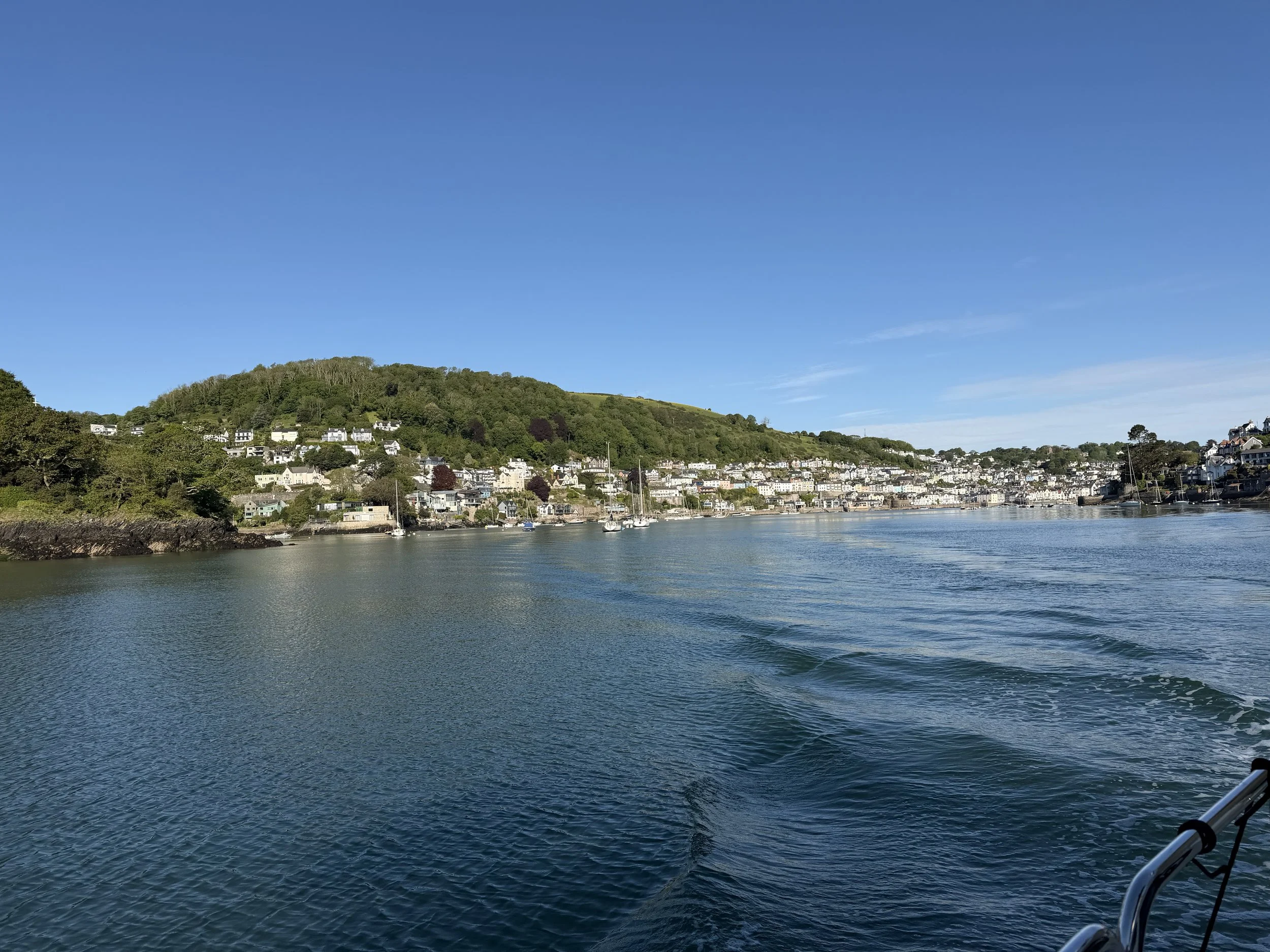
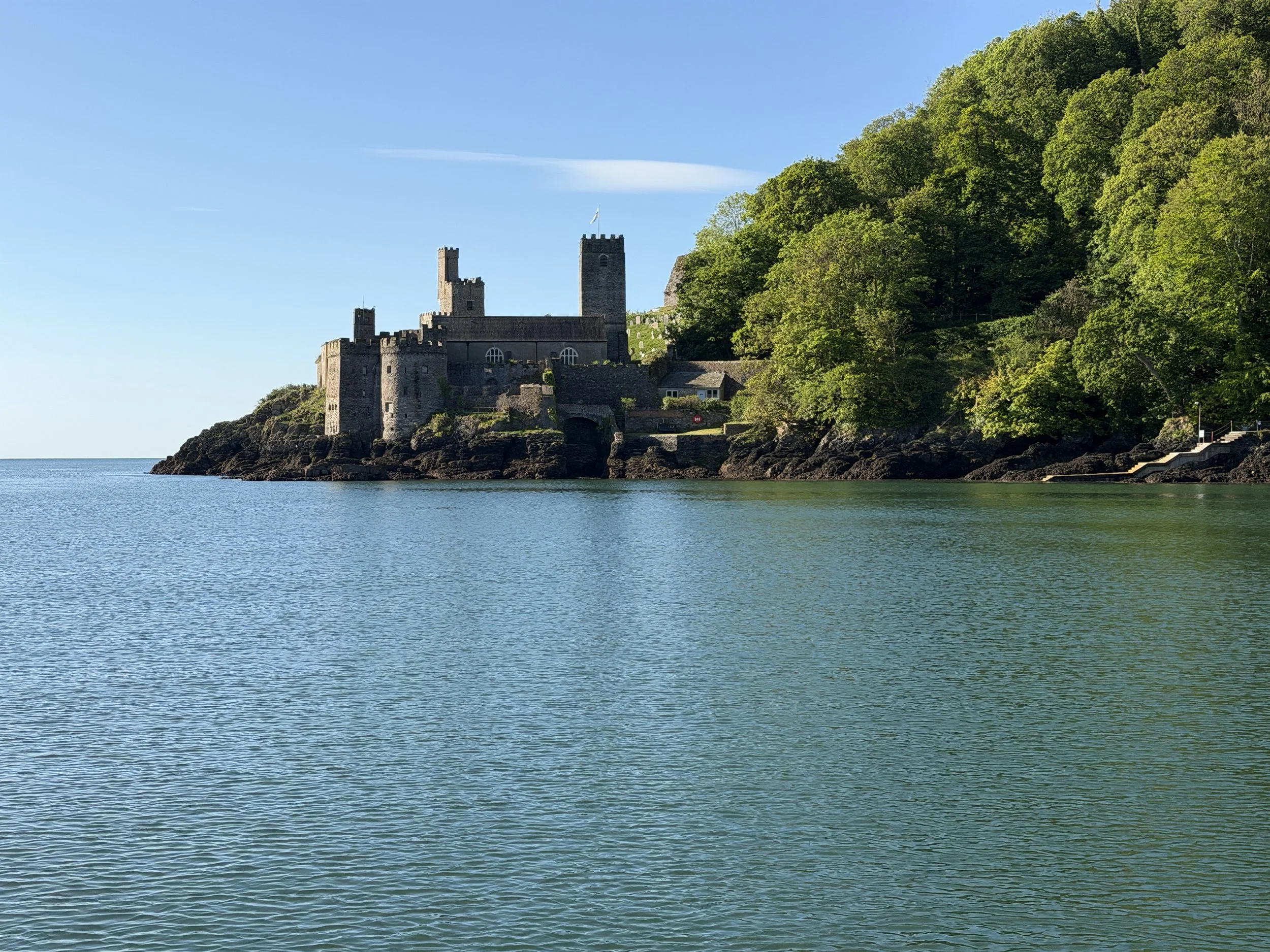
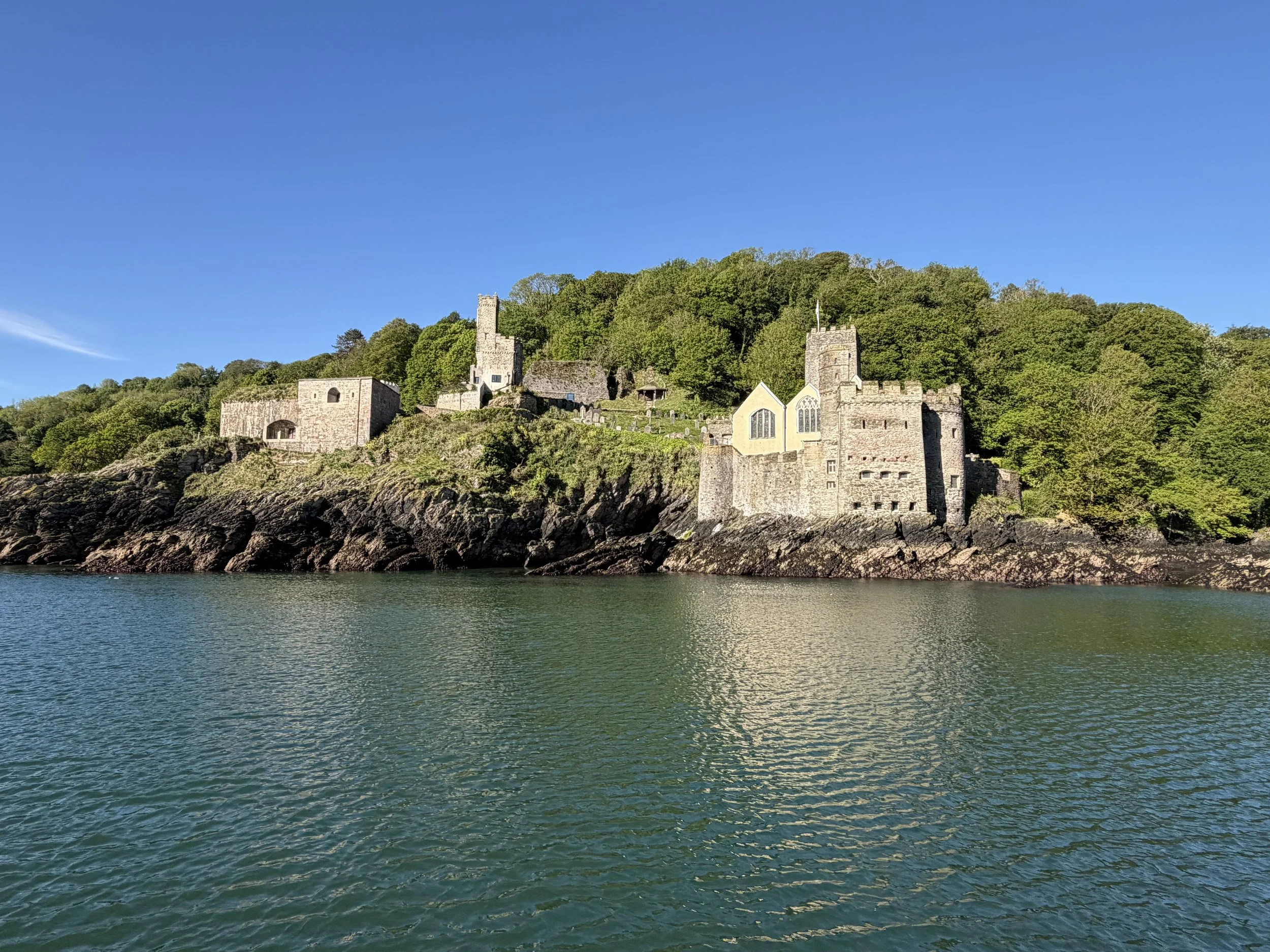
Dartmouth was used as the sailing point for the Crusades of 1147 and 1190. It was a home of the Royal Navy from the reign of Edward III and was twice surprised and sacked during the Hundred Years' War, after which the mouth of the estuary was closed every night with a great chain. The narrow mouth of the River Dart is protected by two fortified castles, Dartmouth Castle and Kingswear Castle. In the latter part of World War II (1944) the town was a base for American forces and hundreds of small craft left Dartmouth to take part in the D-Day landings.
The town is comprised of narrow streets, picturesque half timbered houses and a deep water natural harbor which is a forest of masts, cabin cruisers, large ships and fishing boats in high summer.
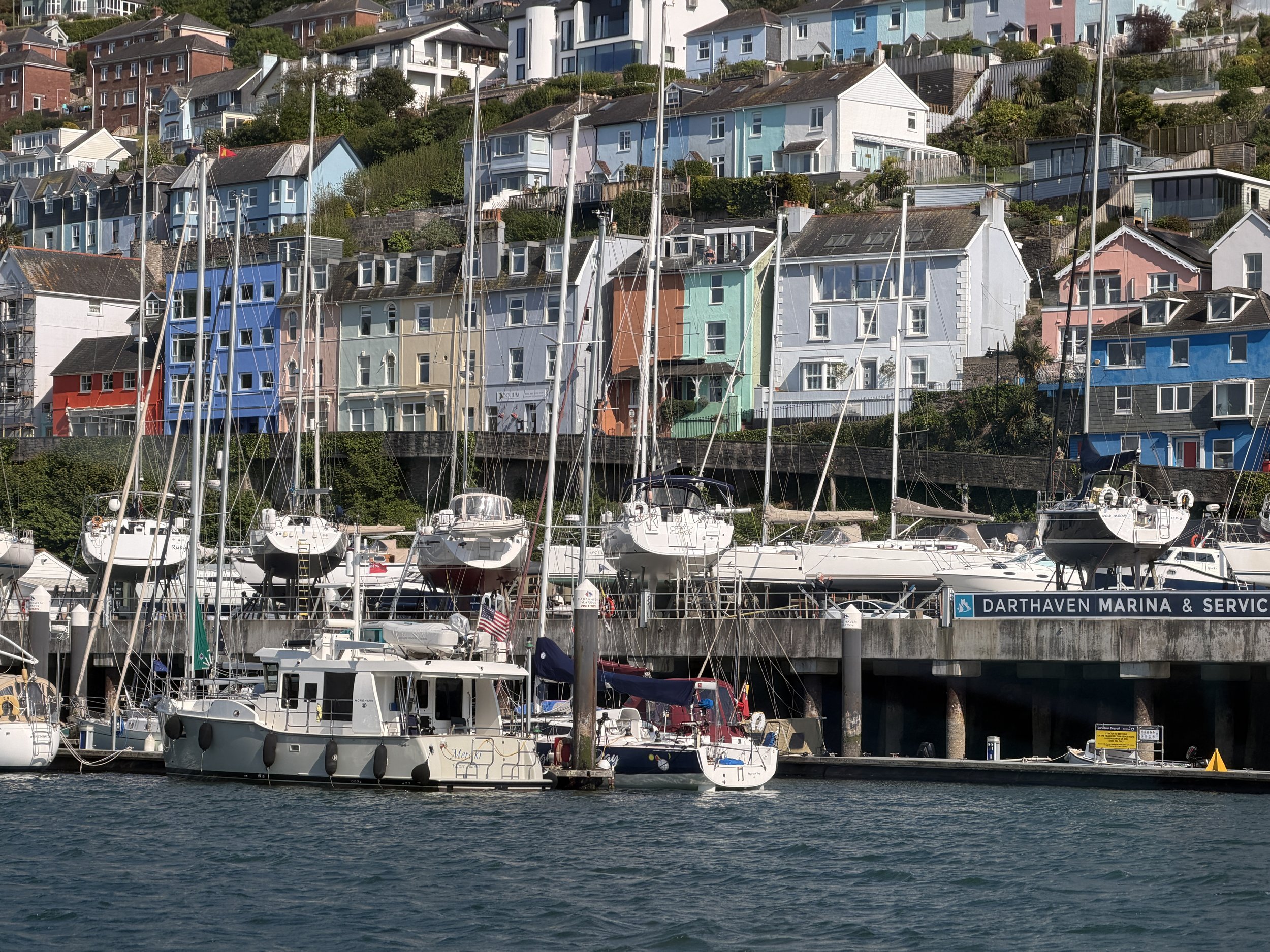
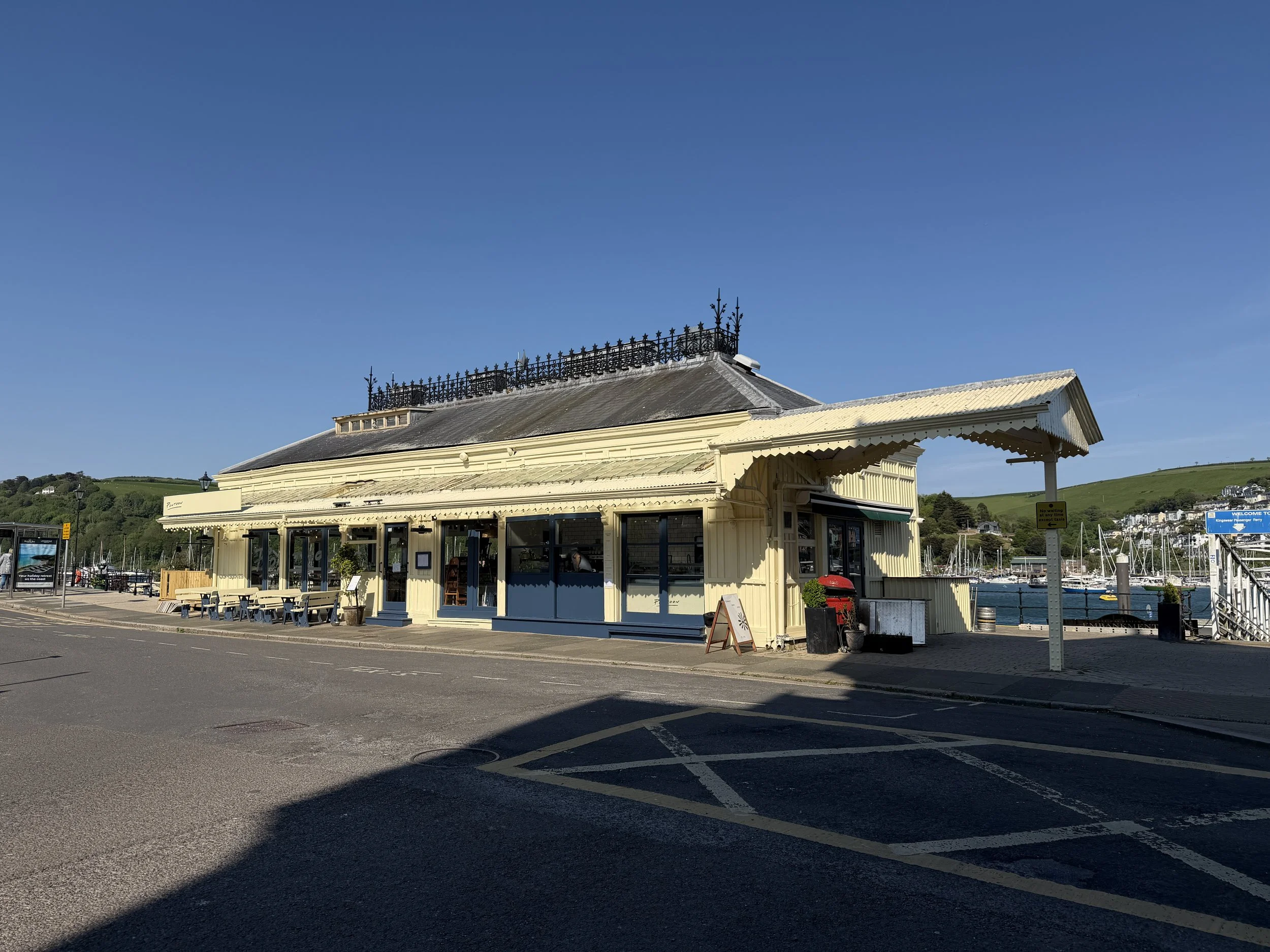
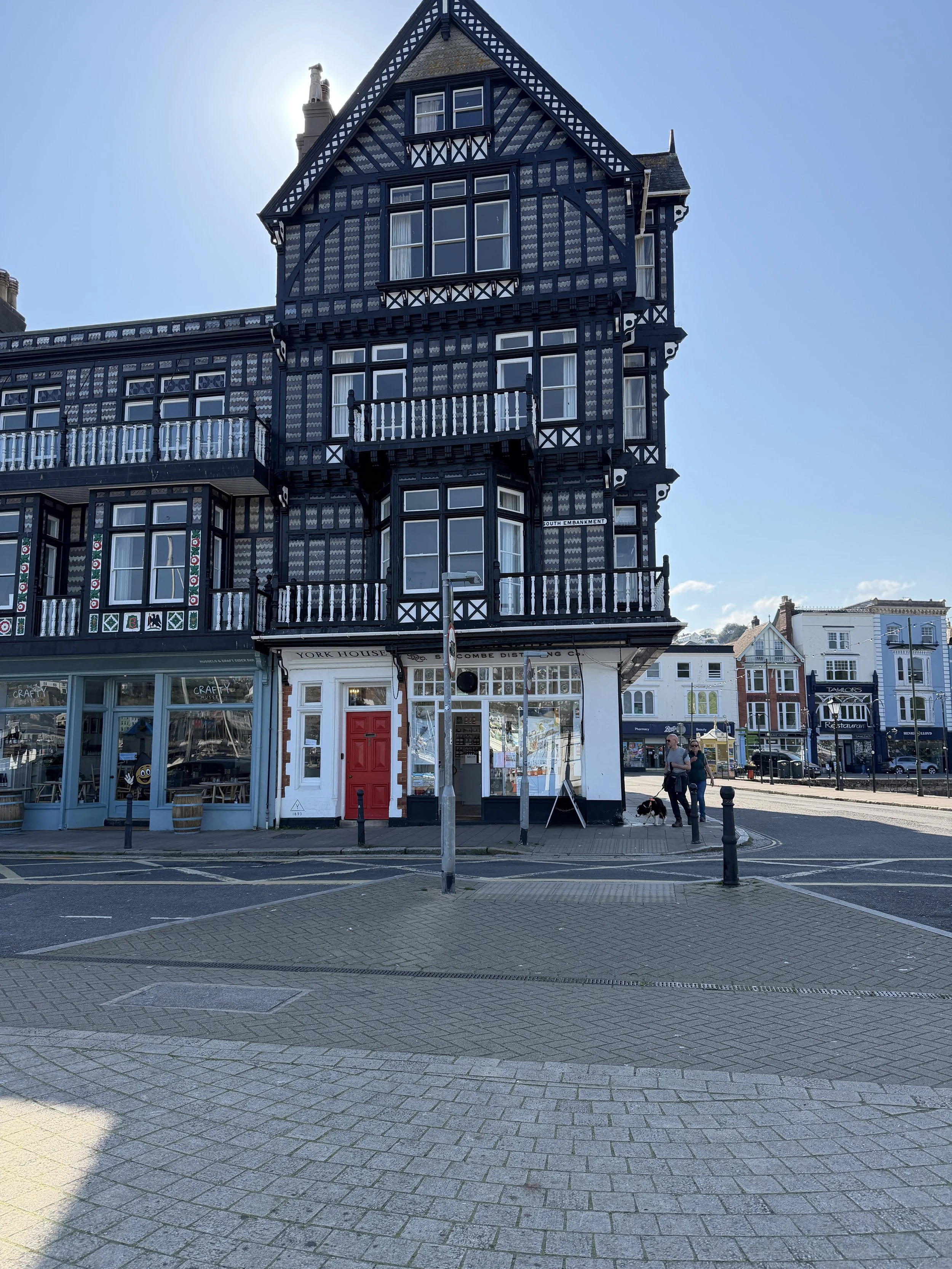
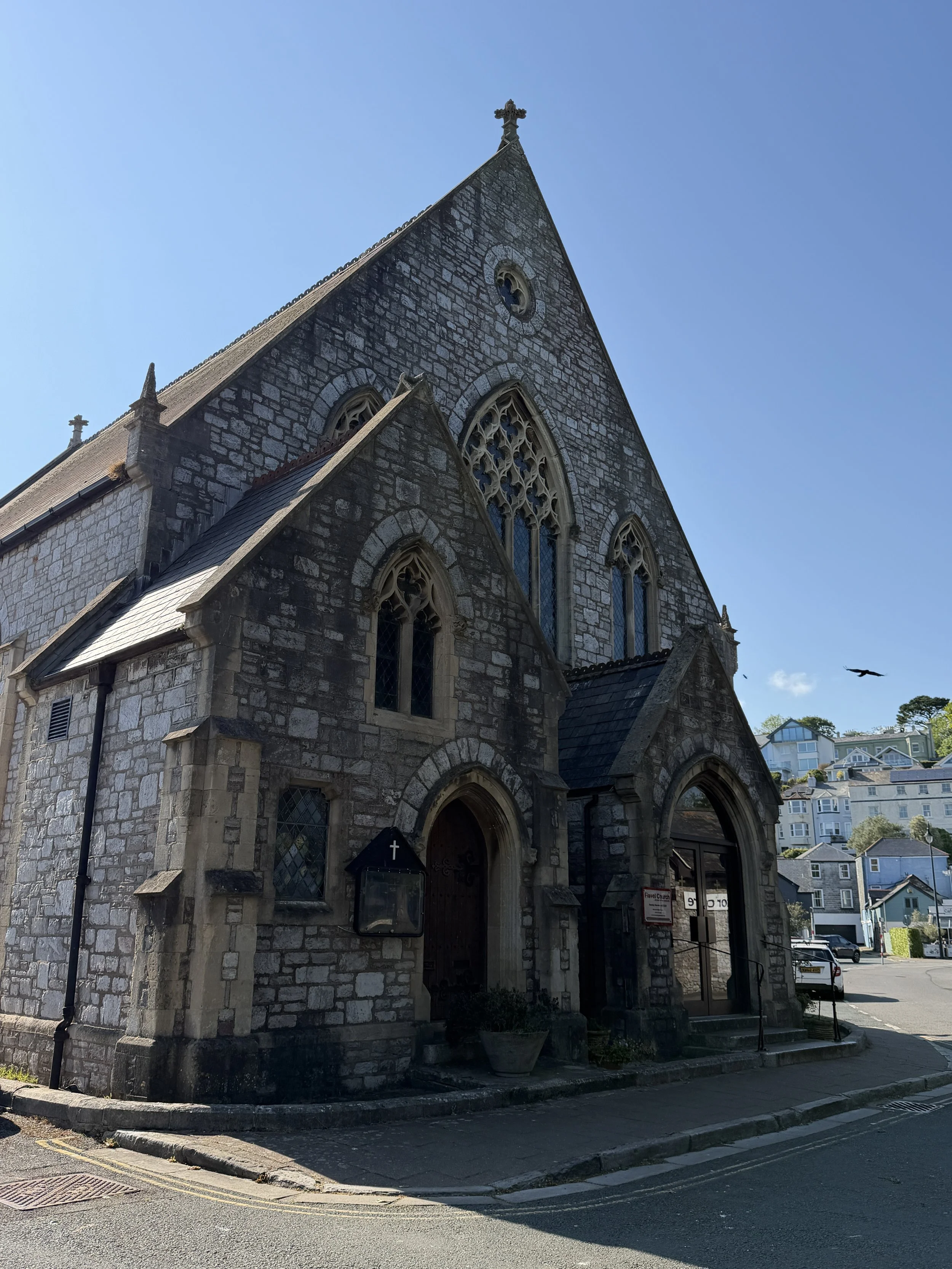
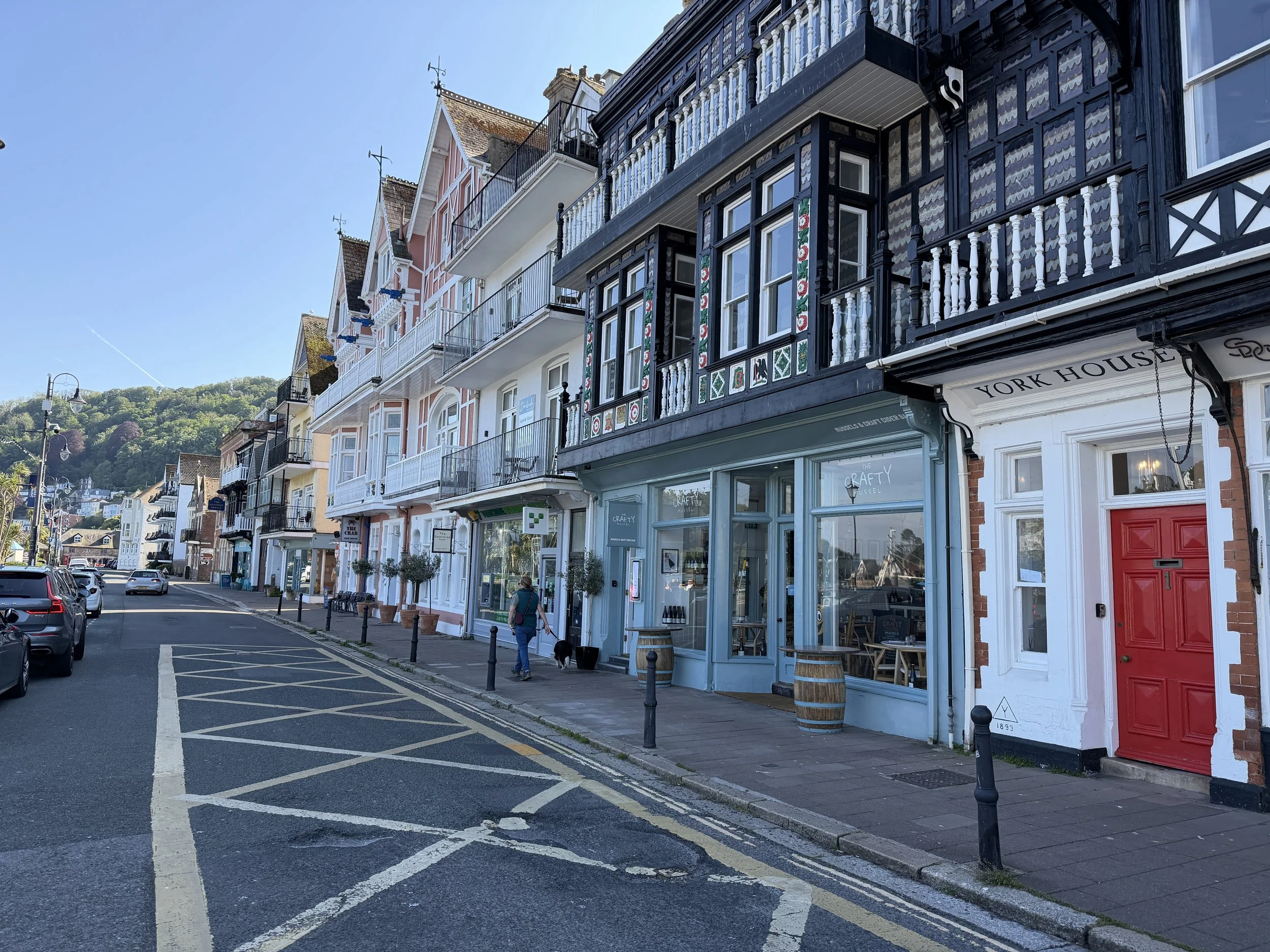
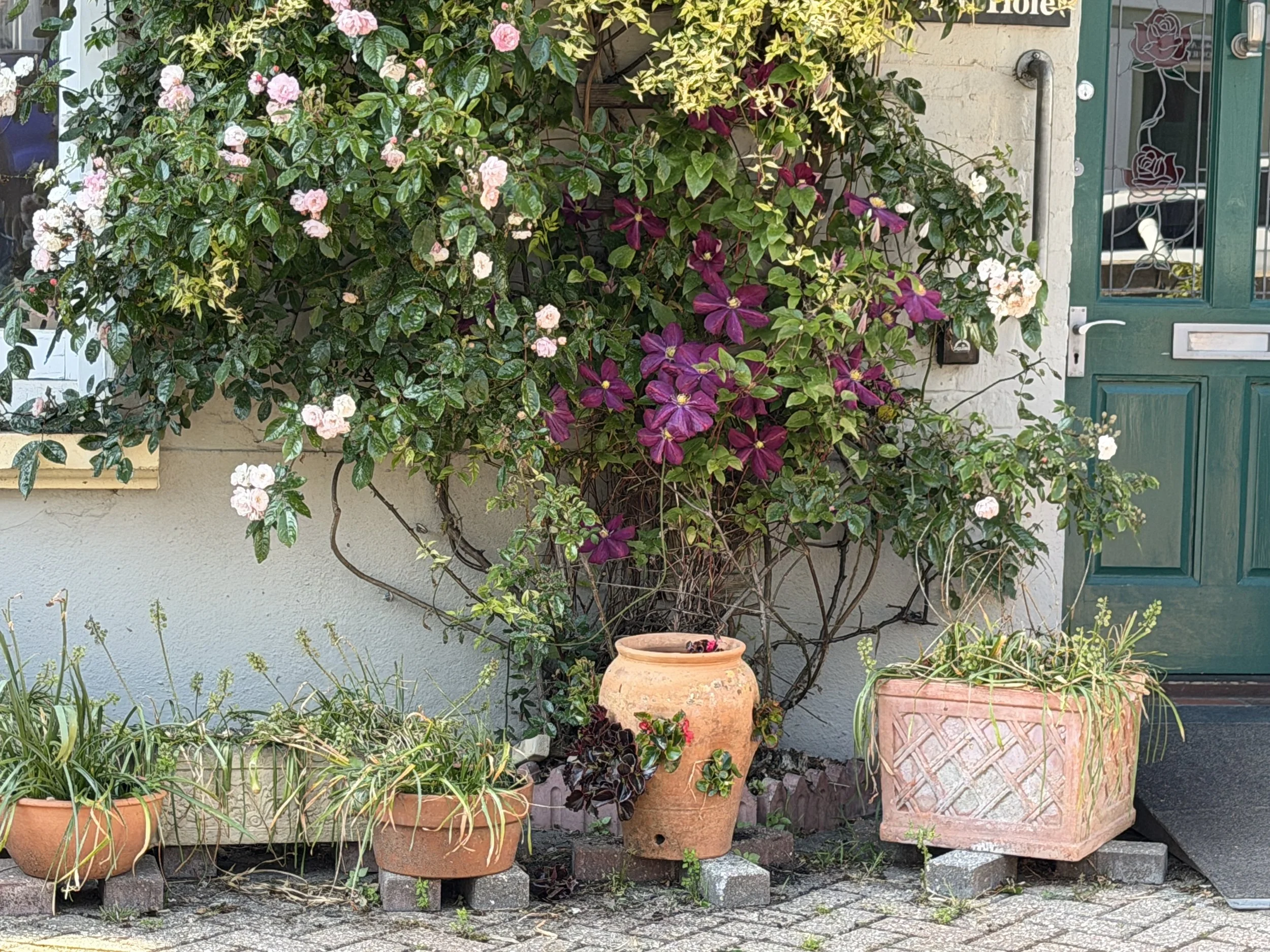
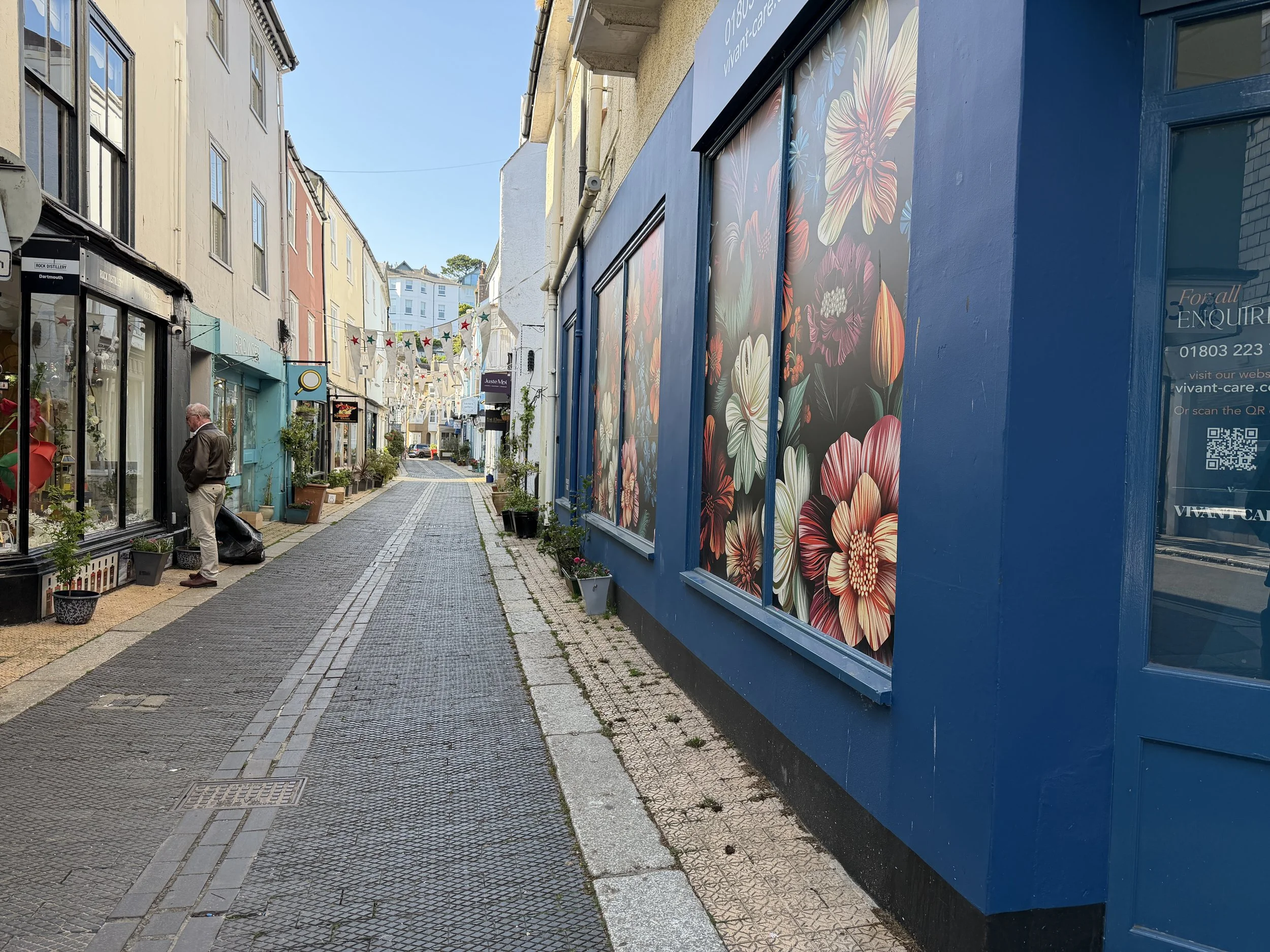
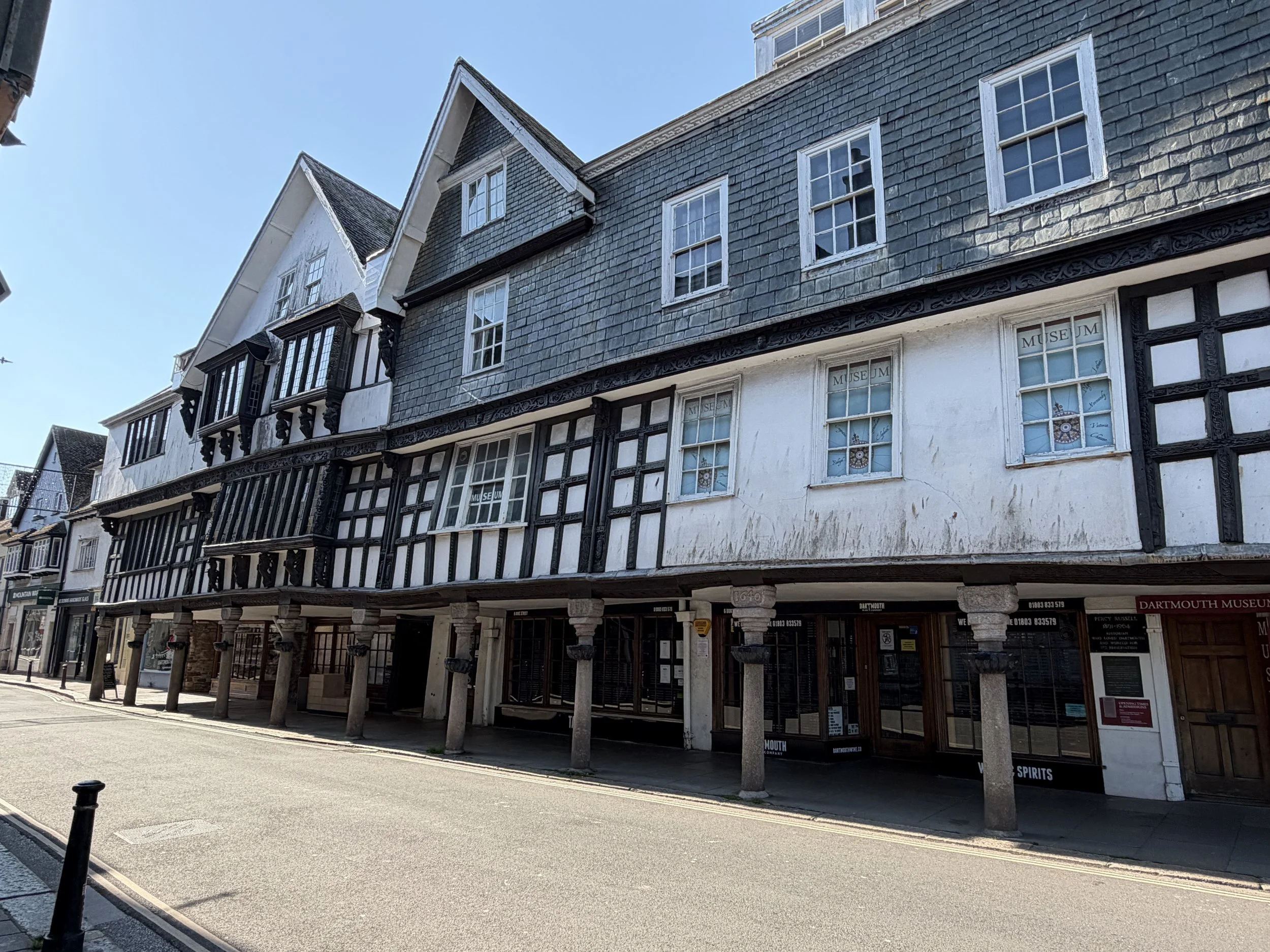
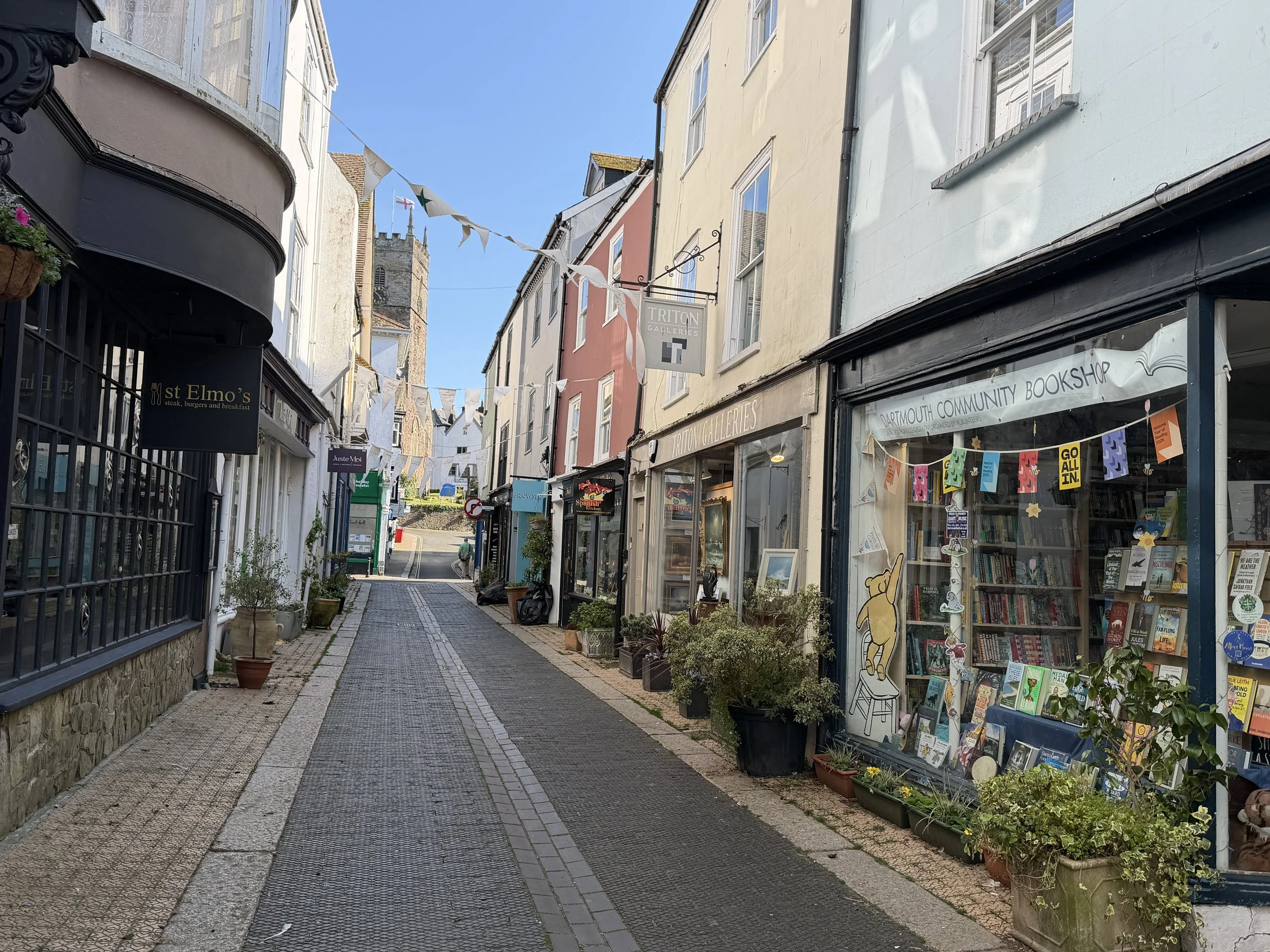
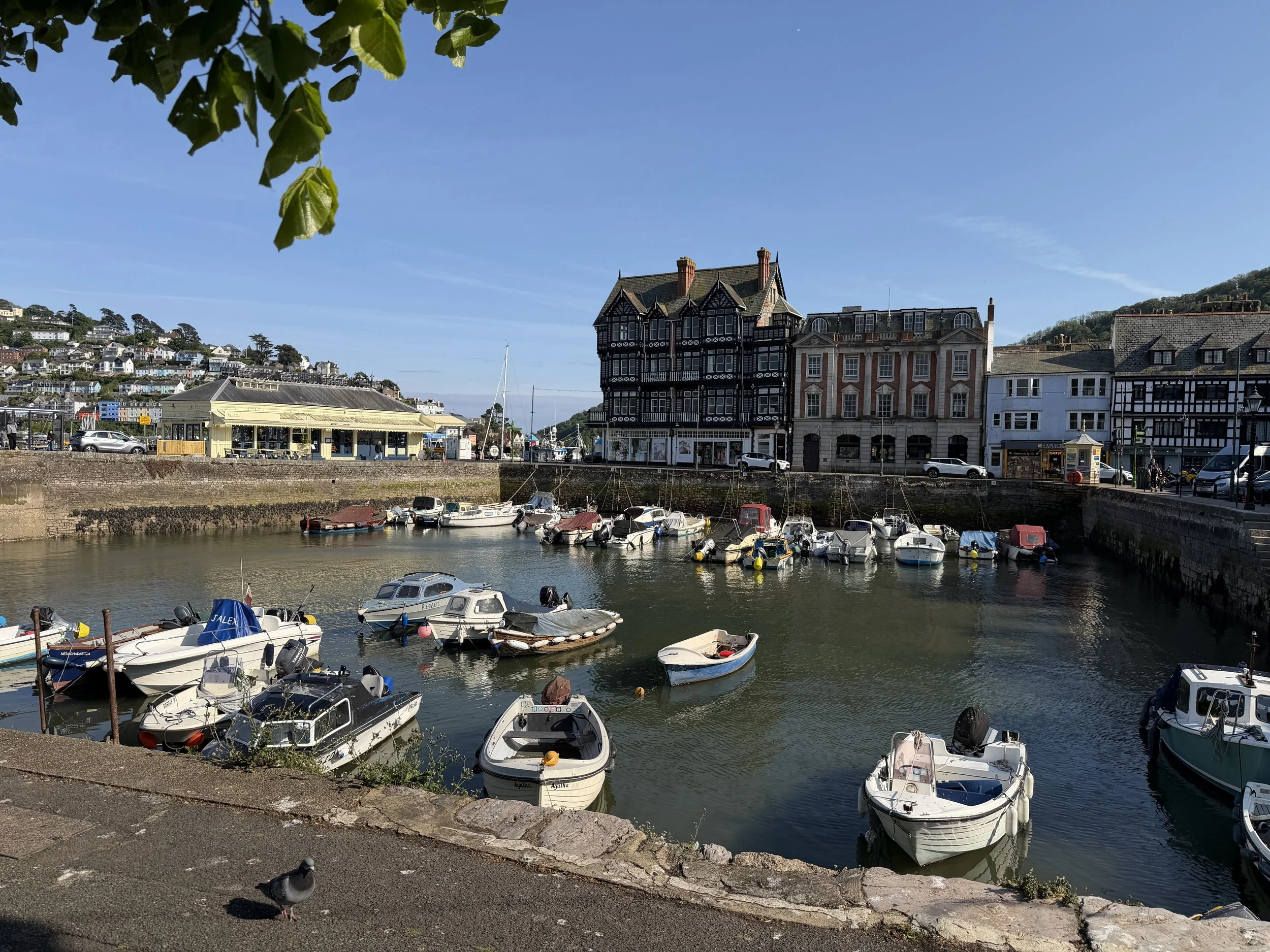
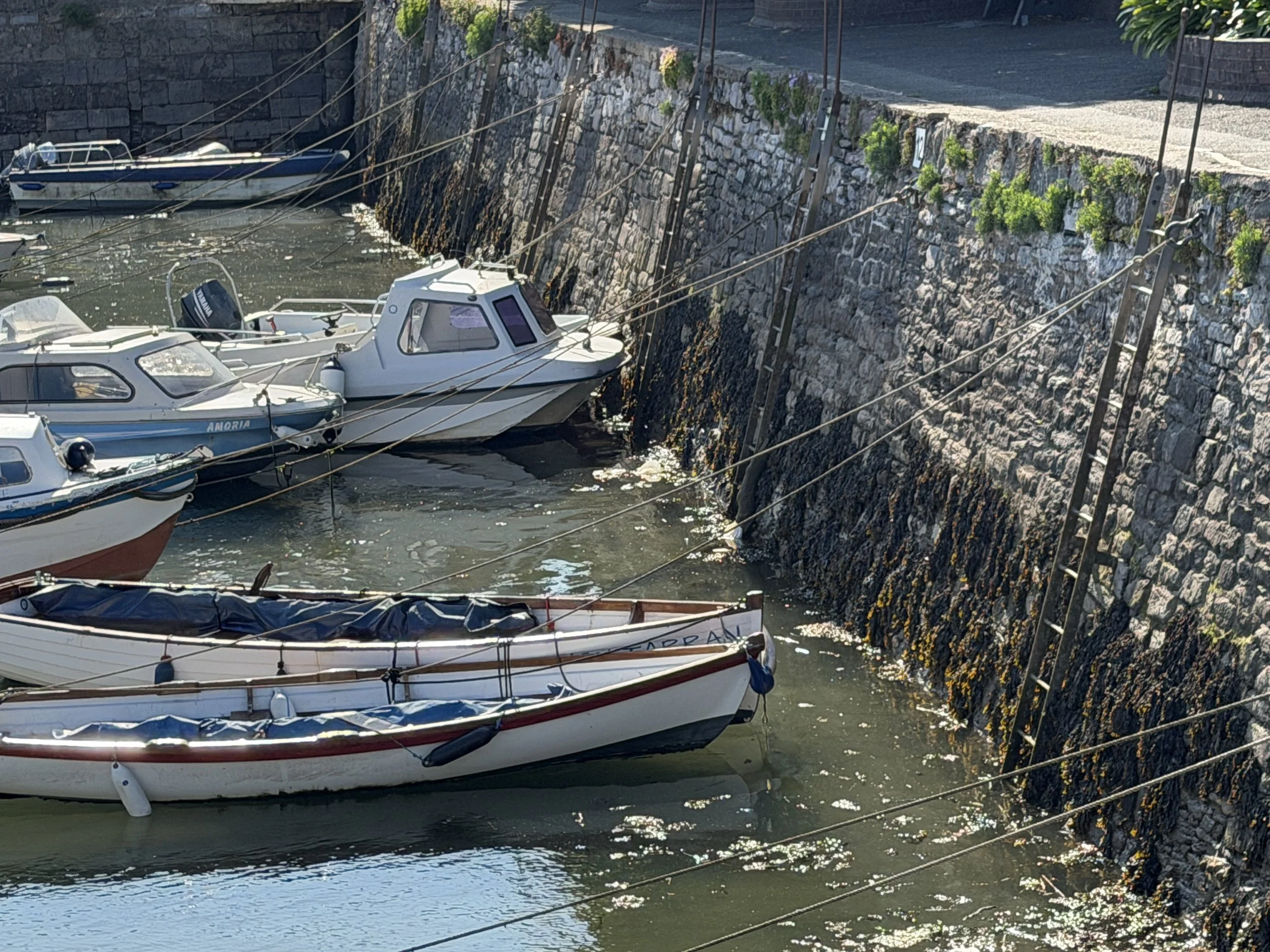
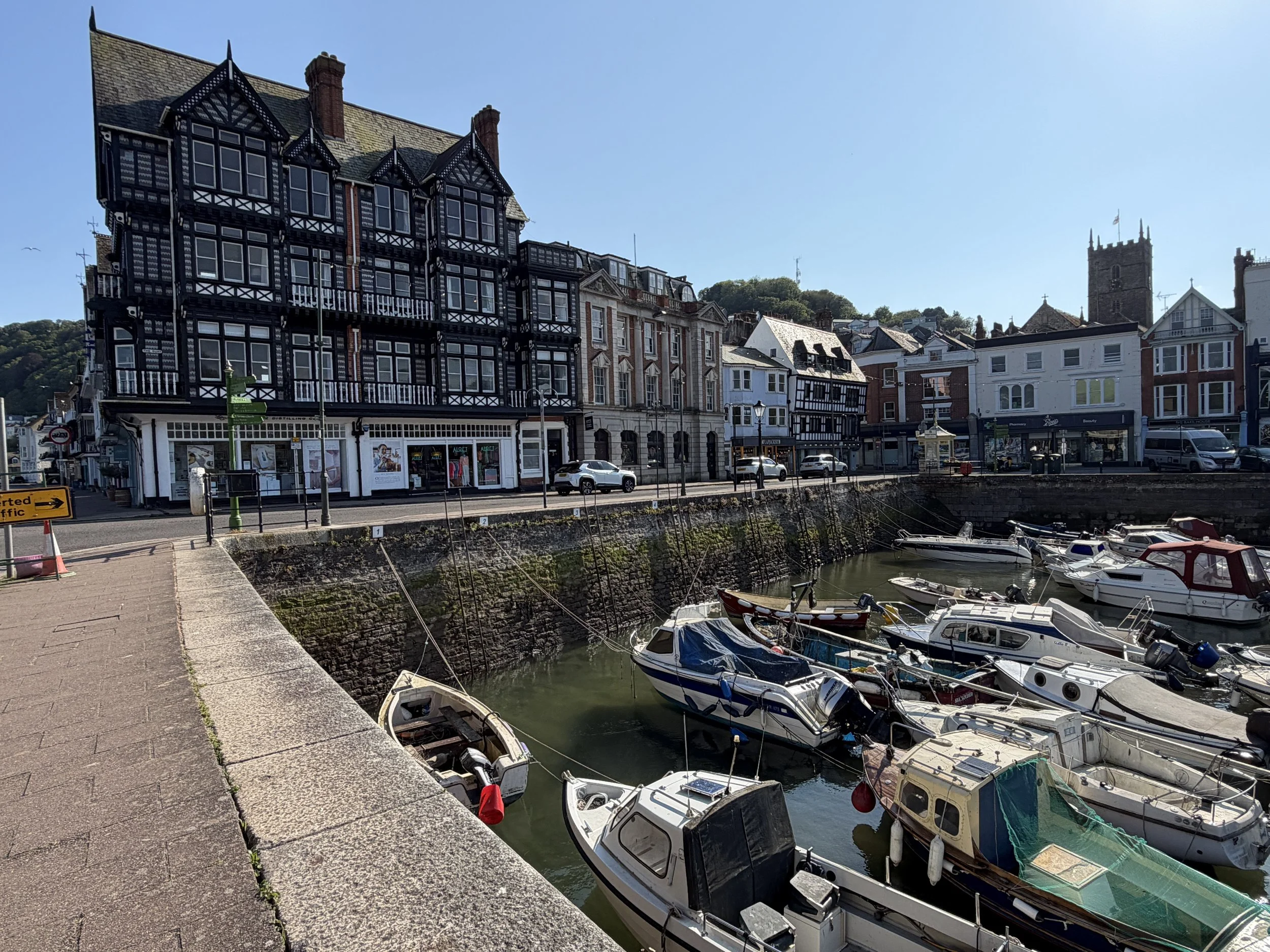
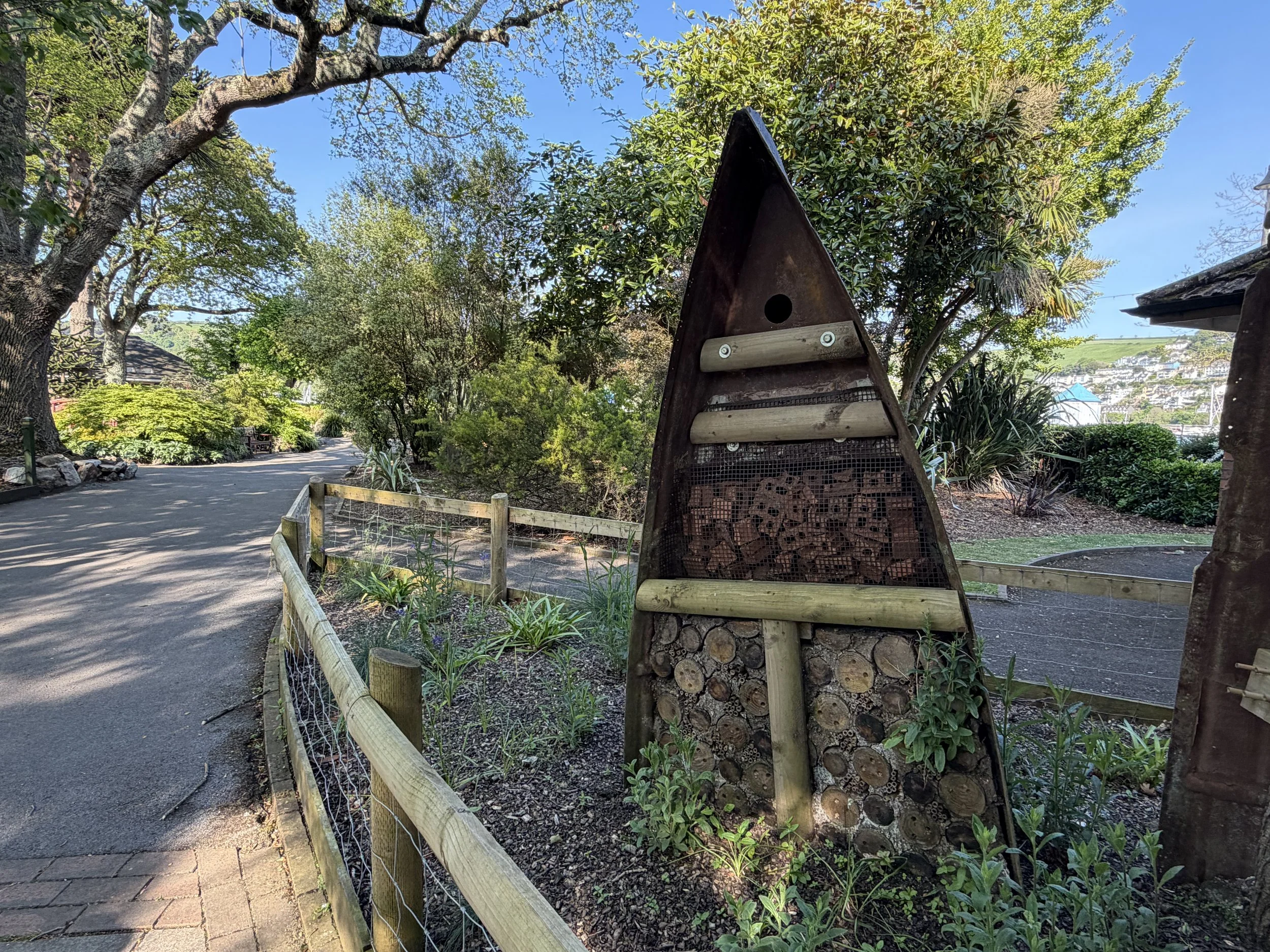
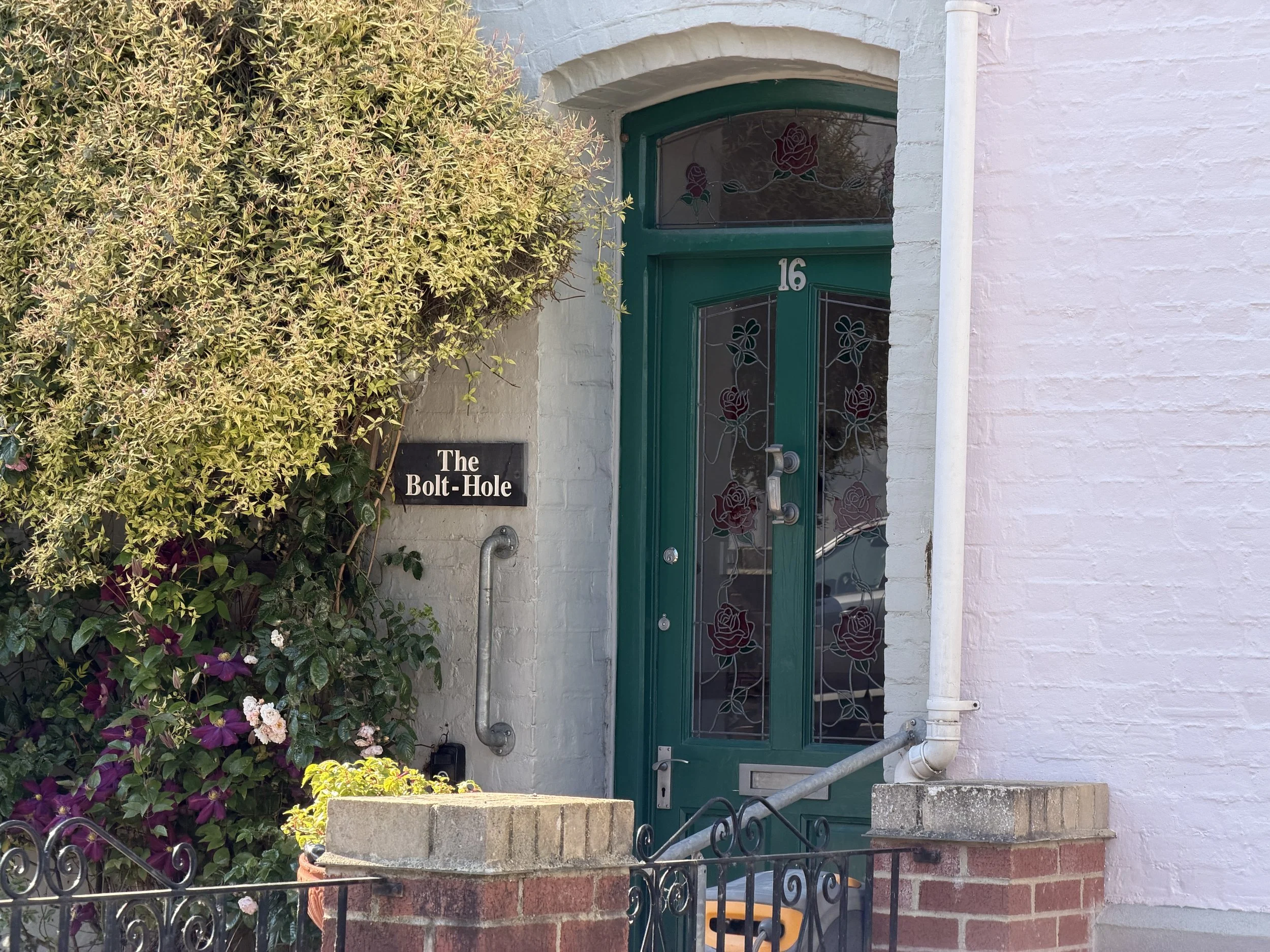
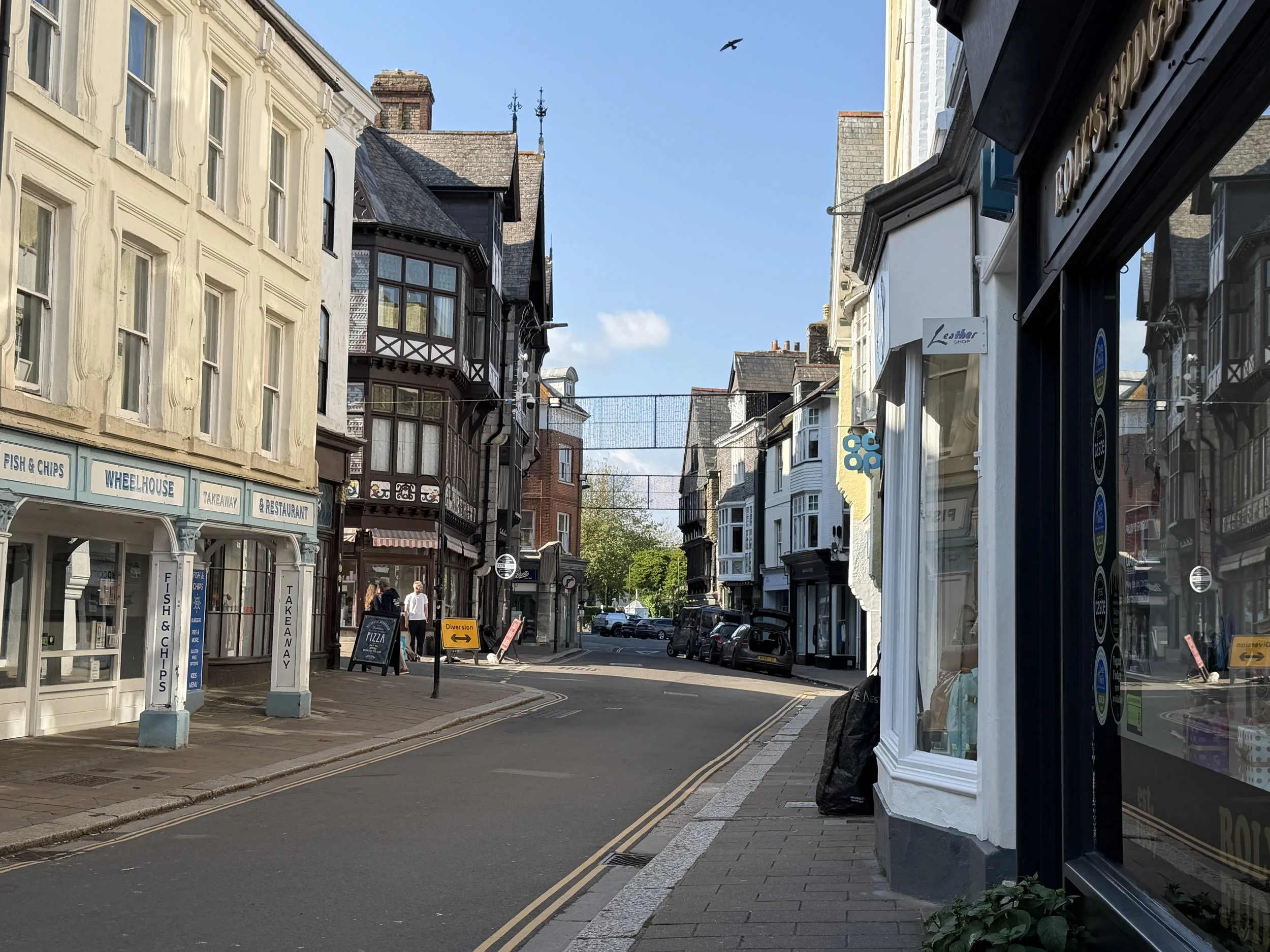
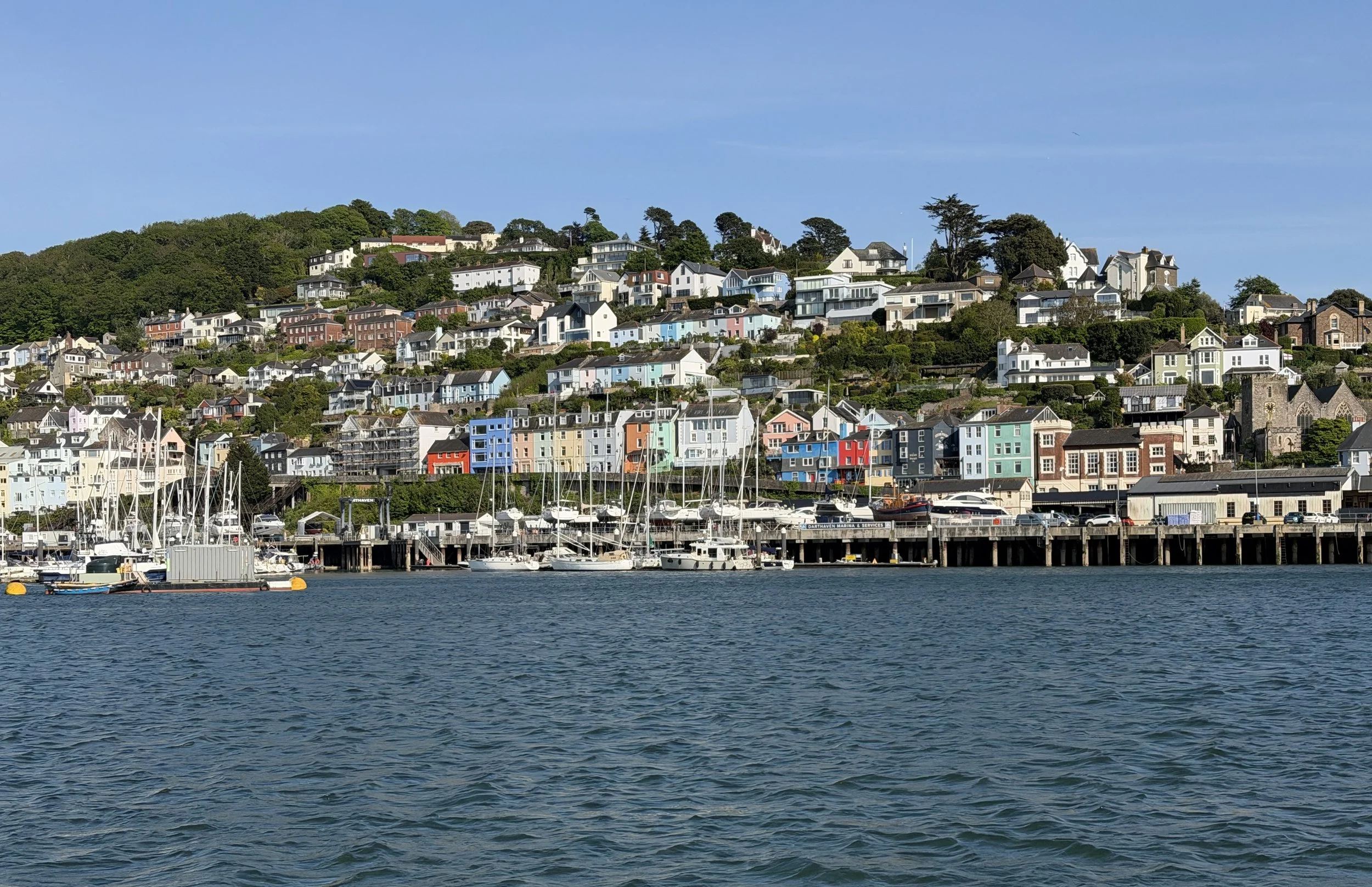
We thoroughly enjoyed Dartmouth, Kingswear and the Darthaven Marina but we were ready to move along. We left the River Dart on a glorious, sunny and calm morning and headed to Plymouth.
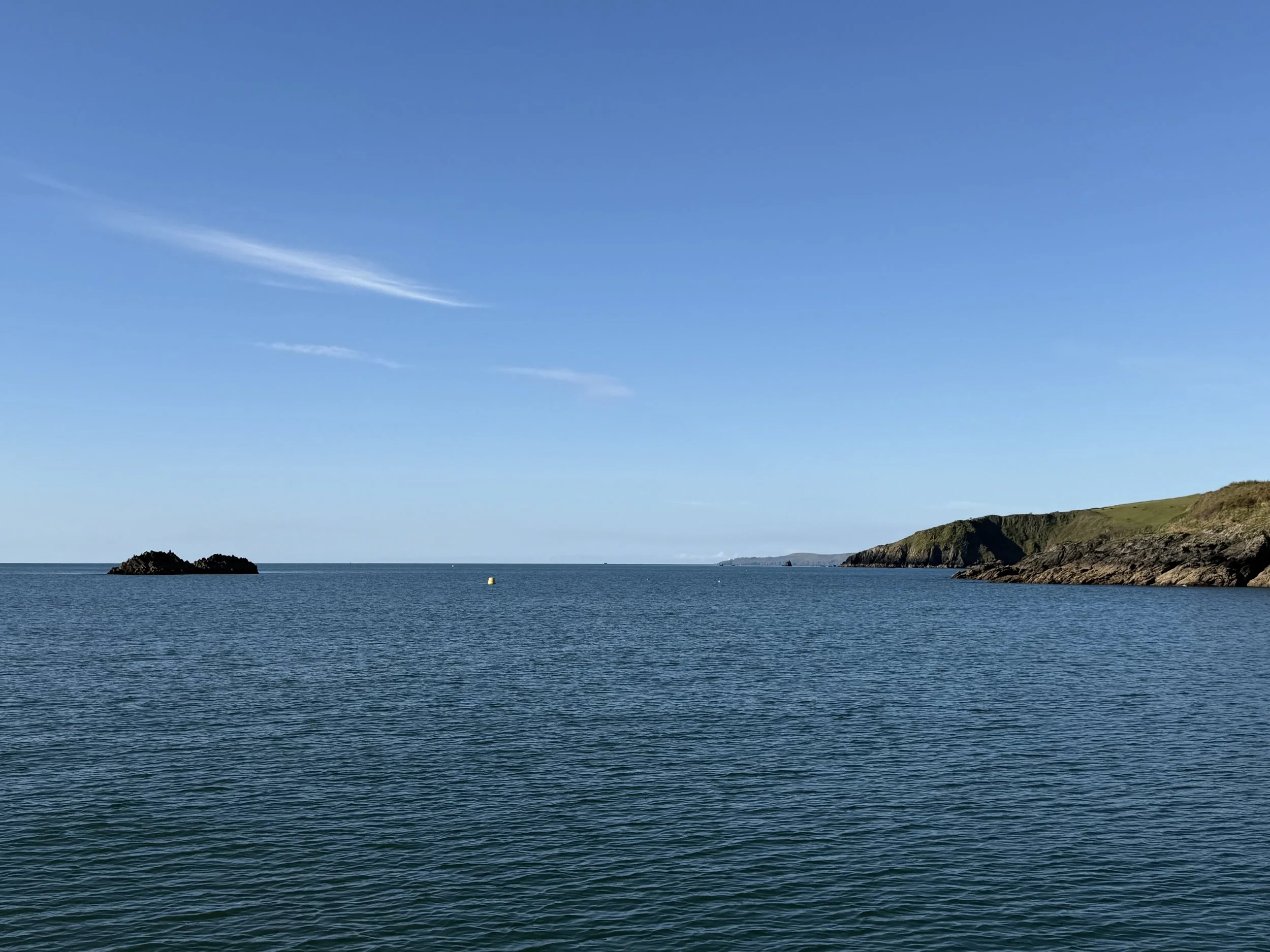
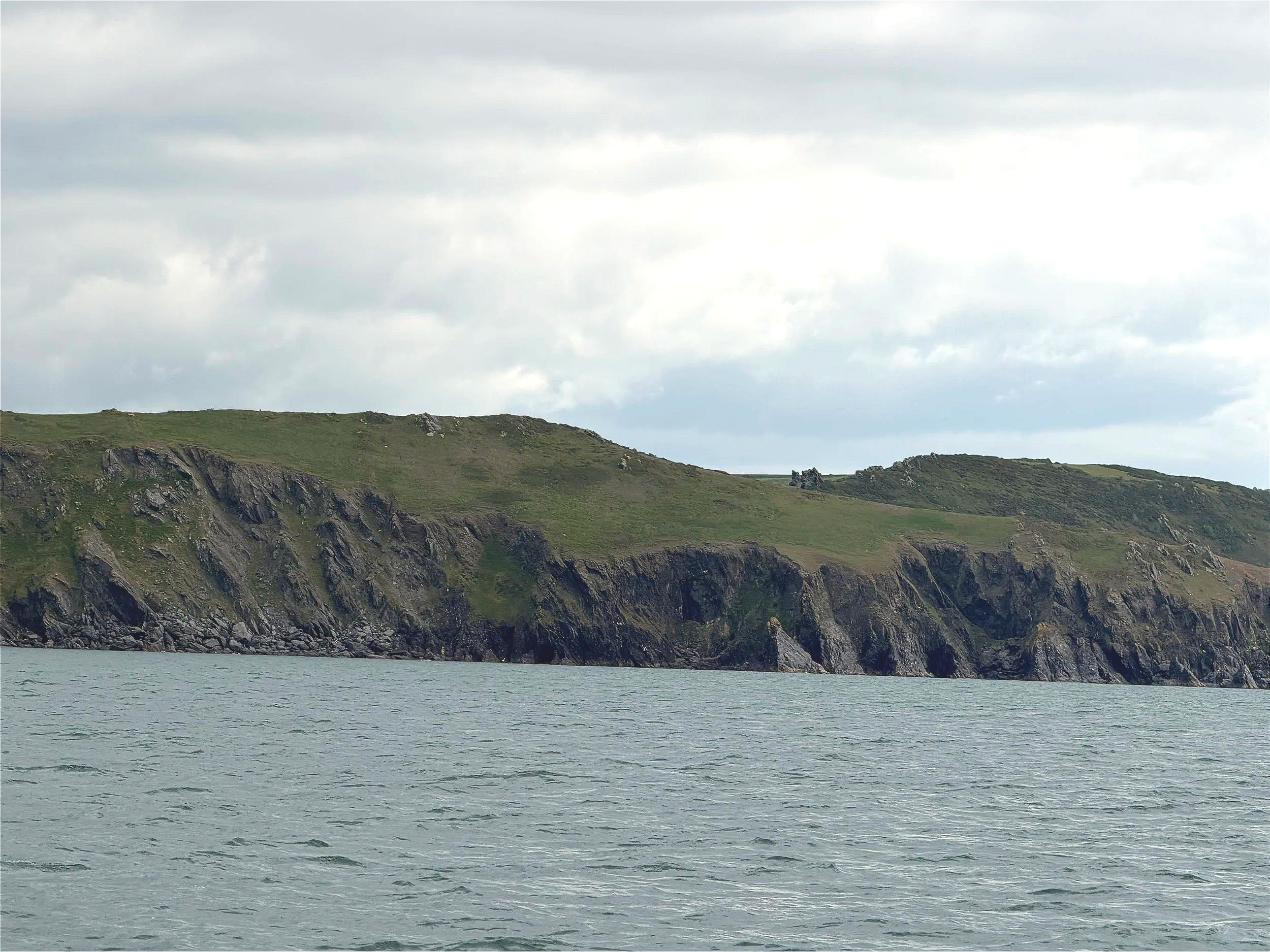
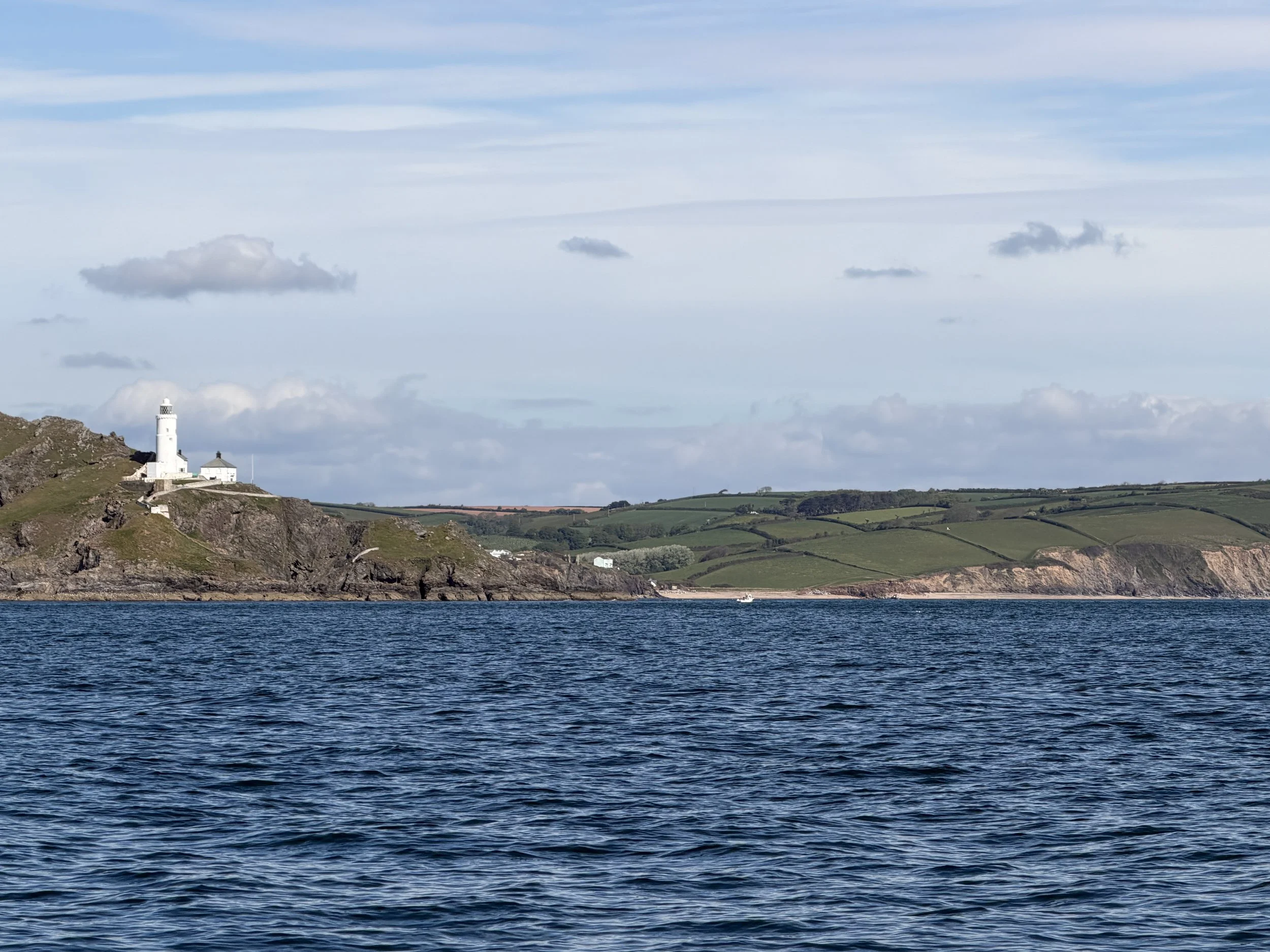
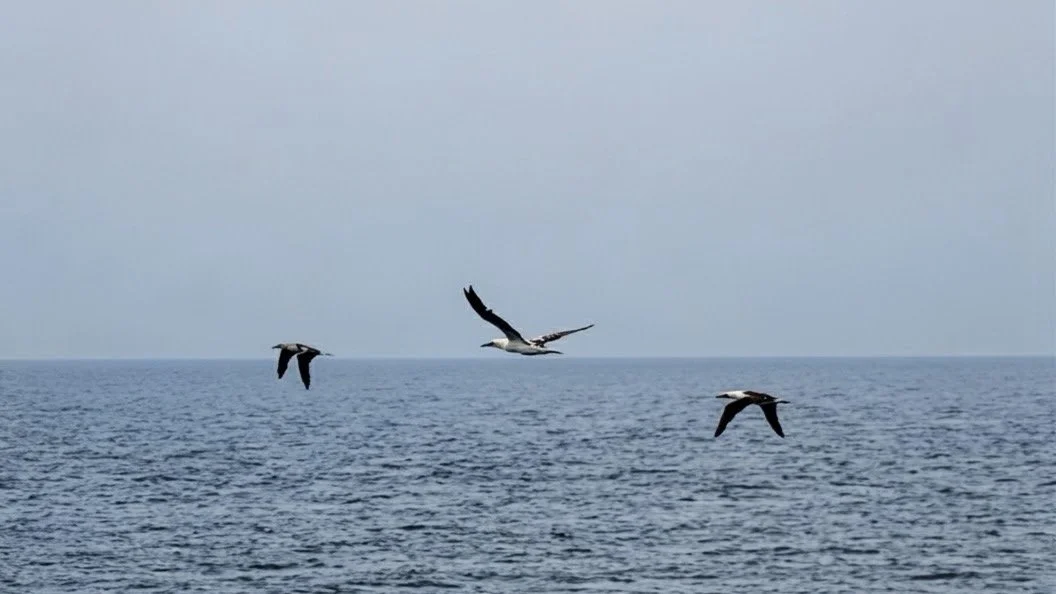
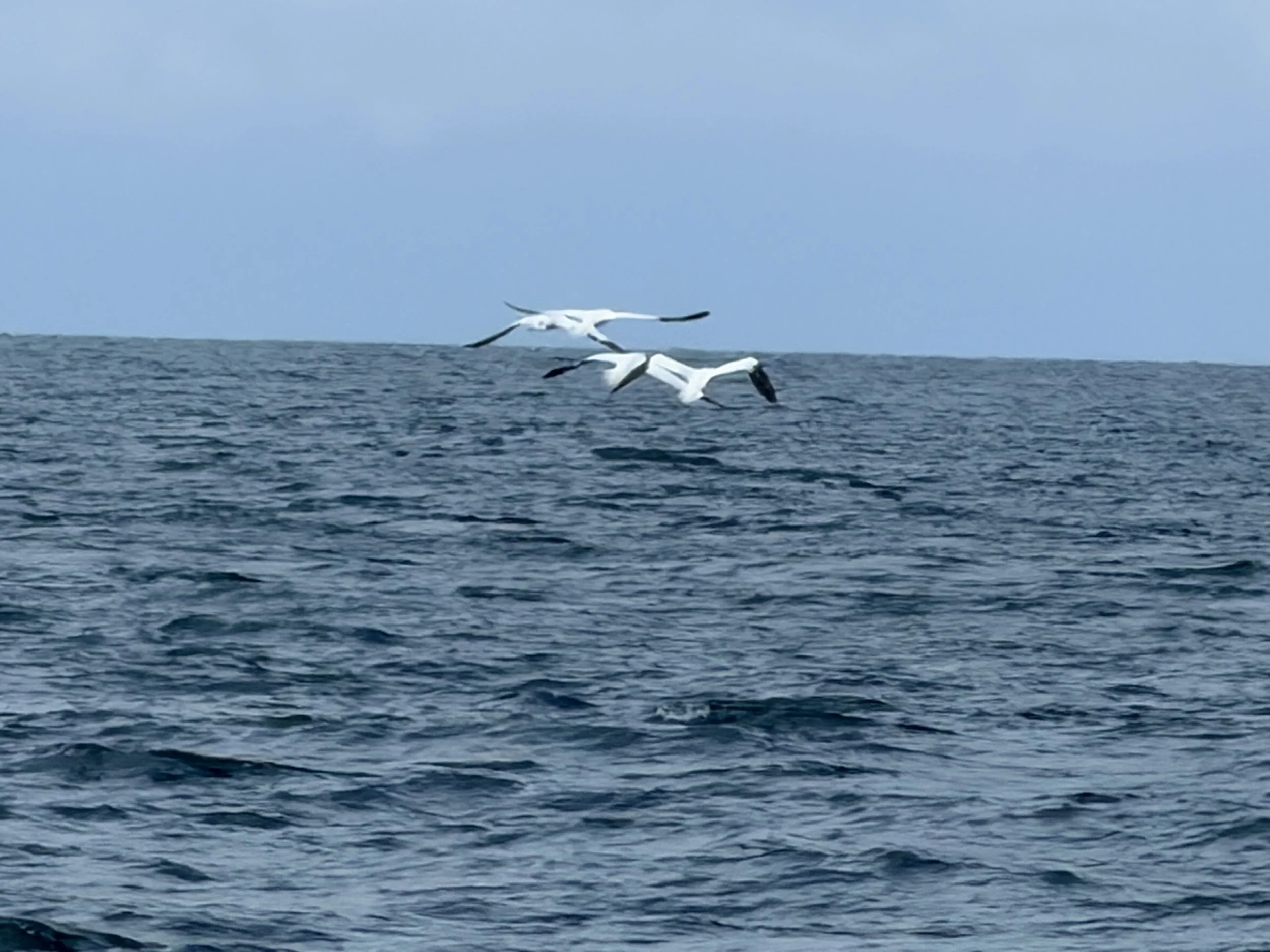
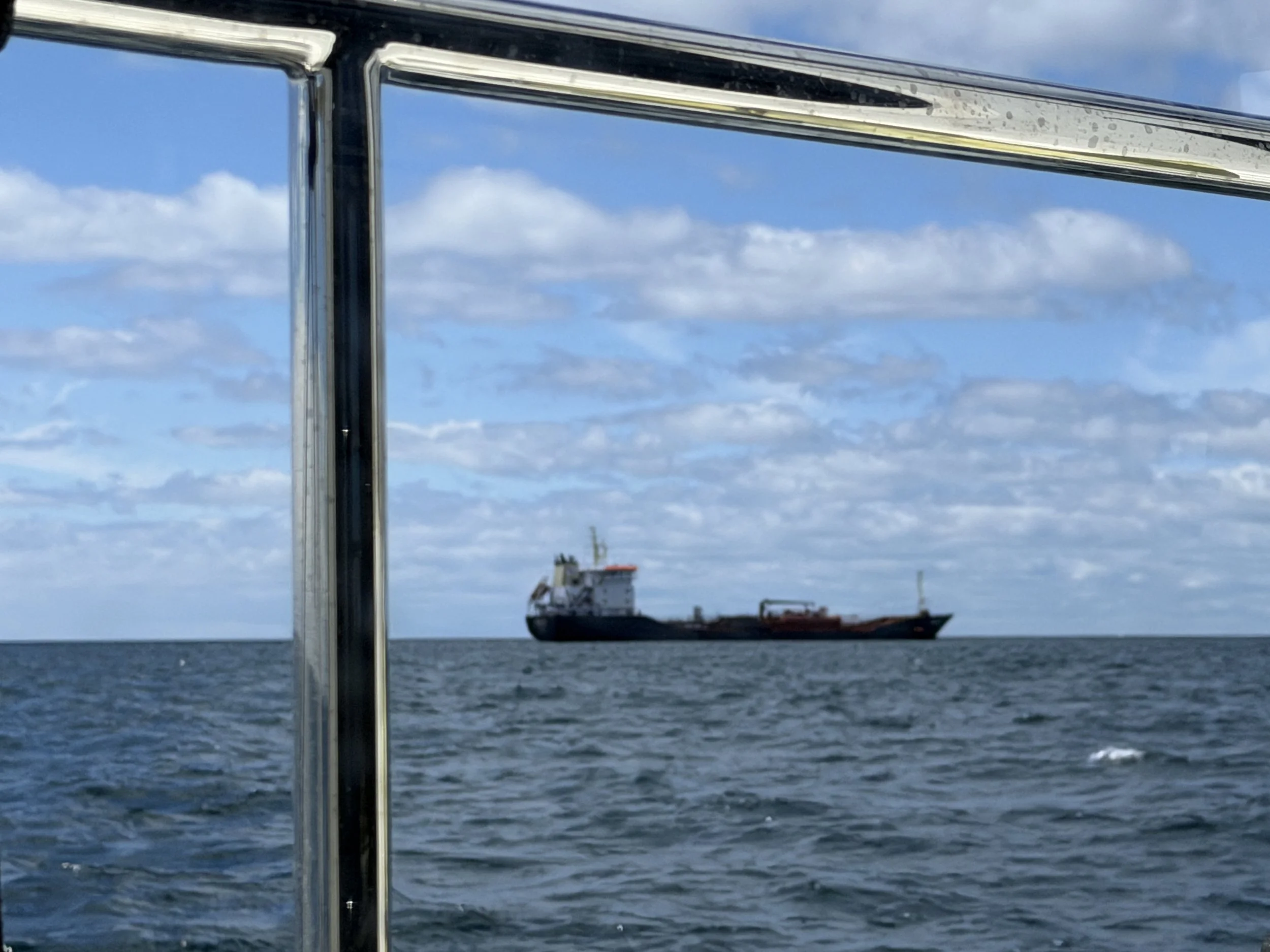
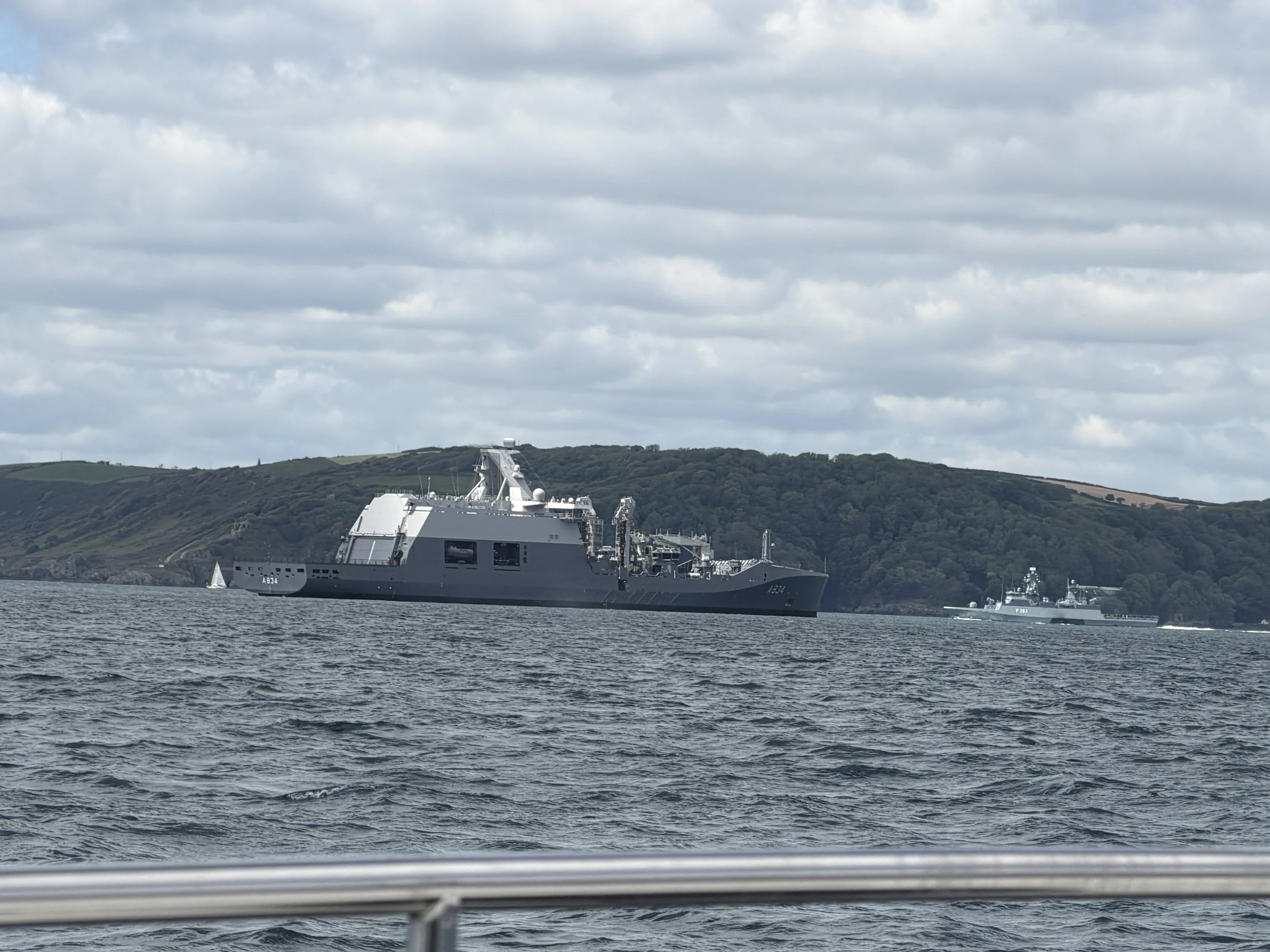
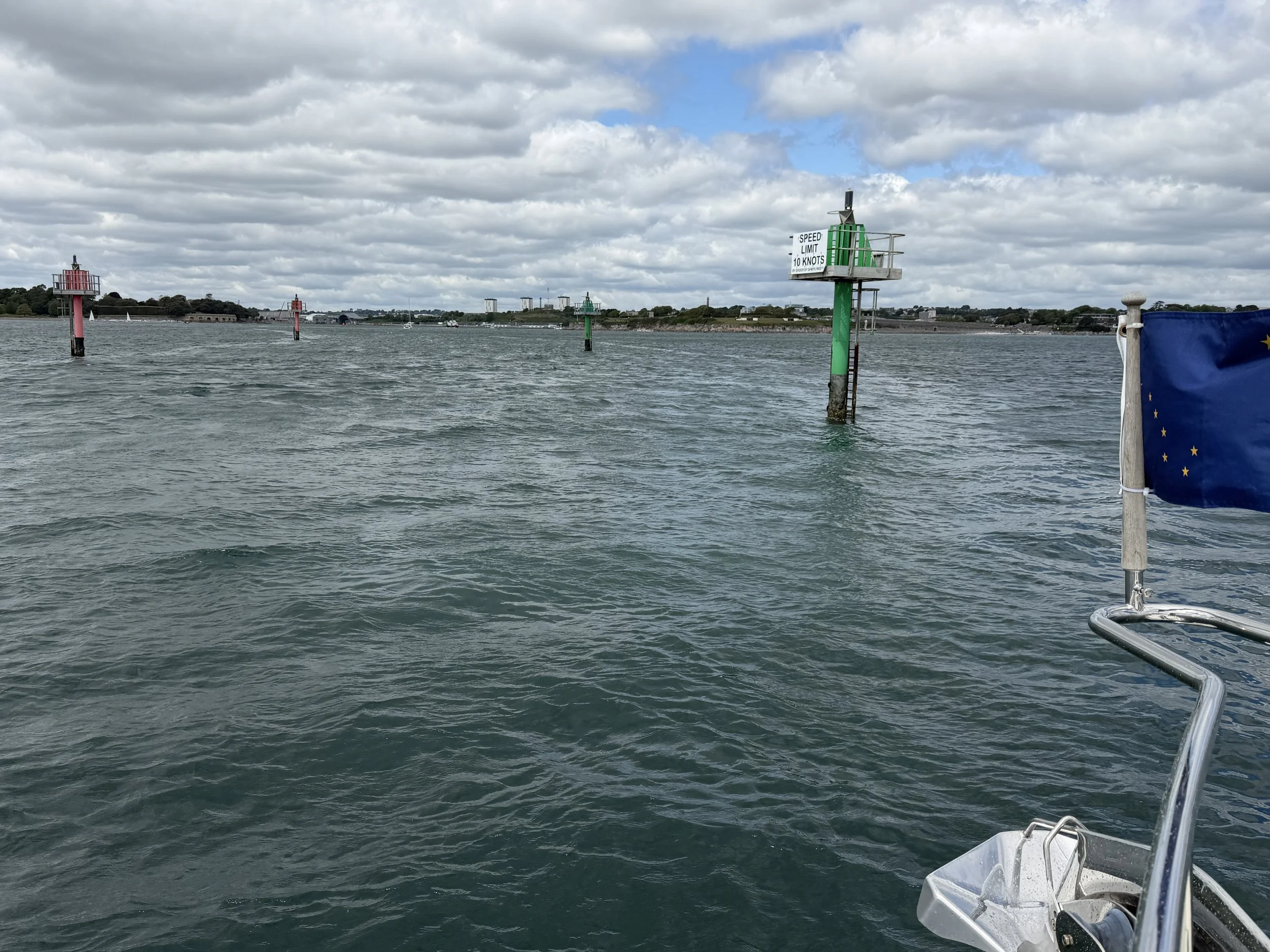
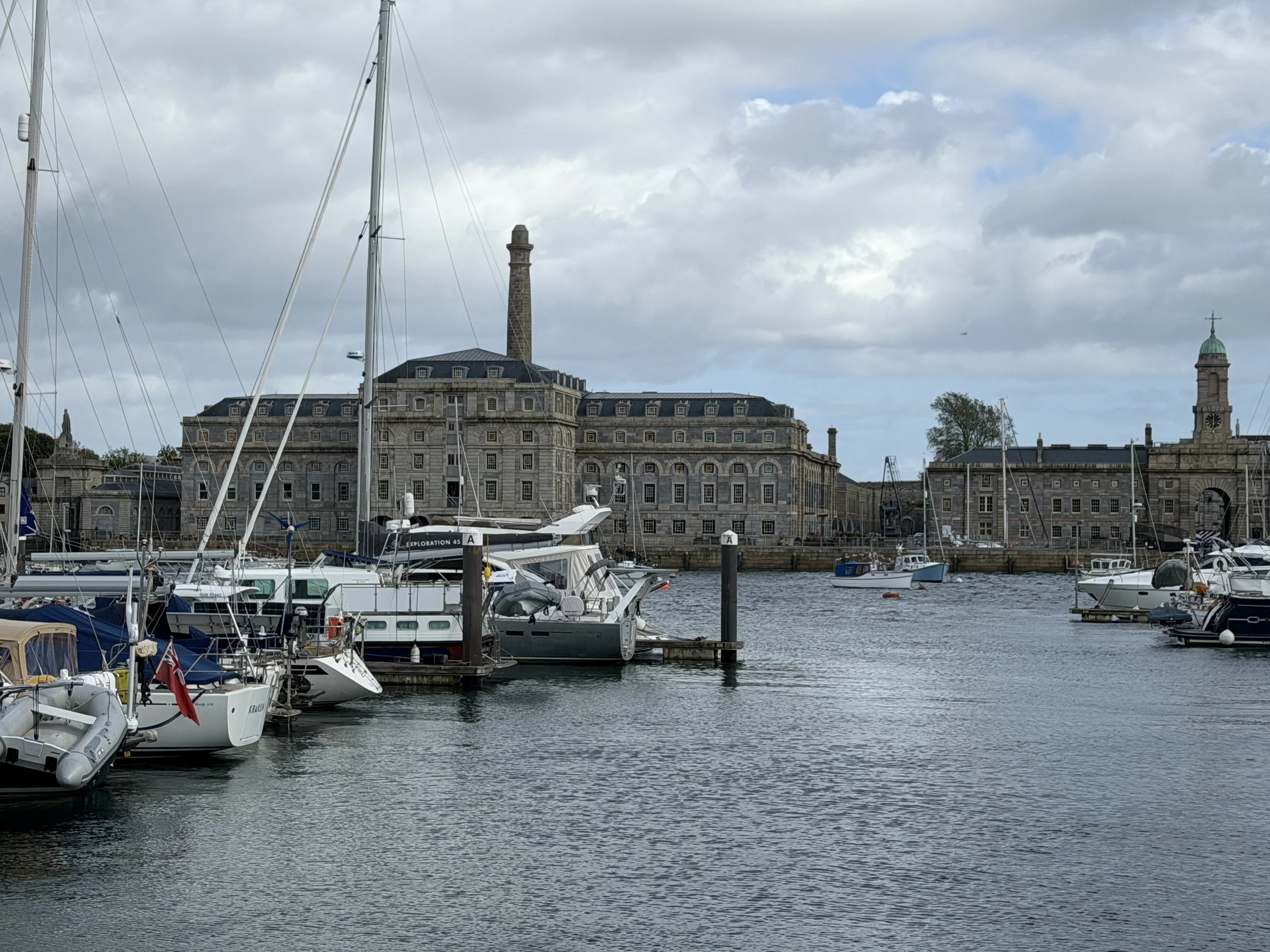
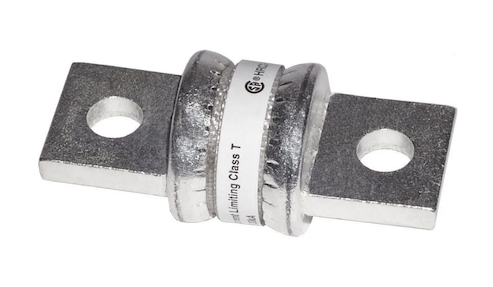
We spent three days in Plymouth exploring the city between rainstorms. Naturally we also visited a few chandlers (Tom’s favorite!) and picked up a much needed high amperage T-fuse (a timed, slow-blow fuse designed to protect circuits from overcurrent). We had started up our water-maker on the transit over and while it was running I decided to cook brunch. Evidently our inverter cannot handle the water-maker, the cooktop and the oven all at once. Oops! Tom had an extra T-fuse aboard and was able to fix it once we arrived, and we were able to order a replacement spare (they are not common in most chandlery’s) and pick it up the next day.
It took an hour; a fair bit of walking and two bus rides, to find the chandlery. Luckily we discovered a ferry that would take us back to the historic Barbican, Plymouth's old port which is full of narrow cobbled streets, Elizabethan warehouses, art galleries, cafes and restaurants.
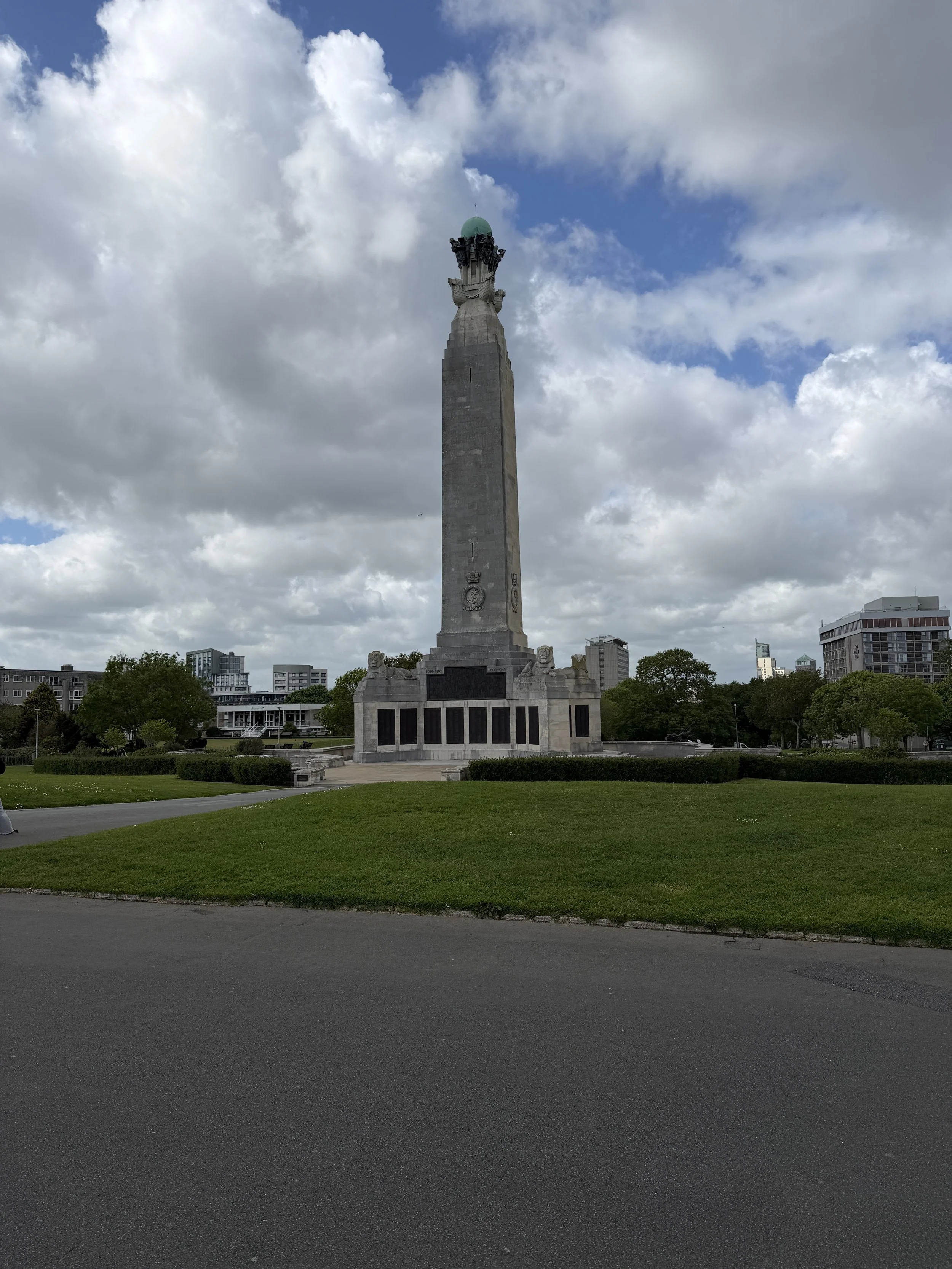
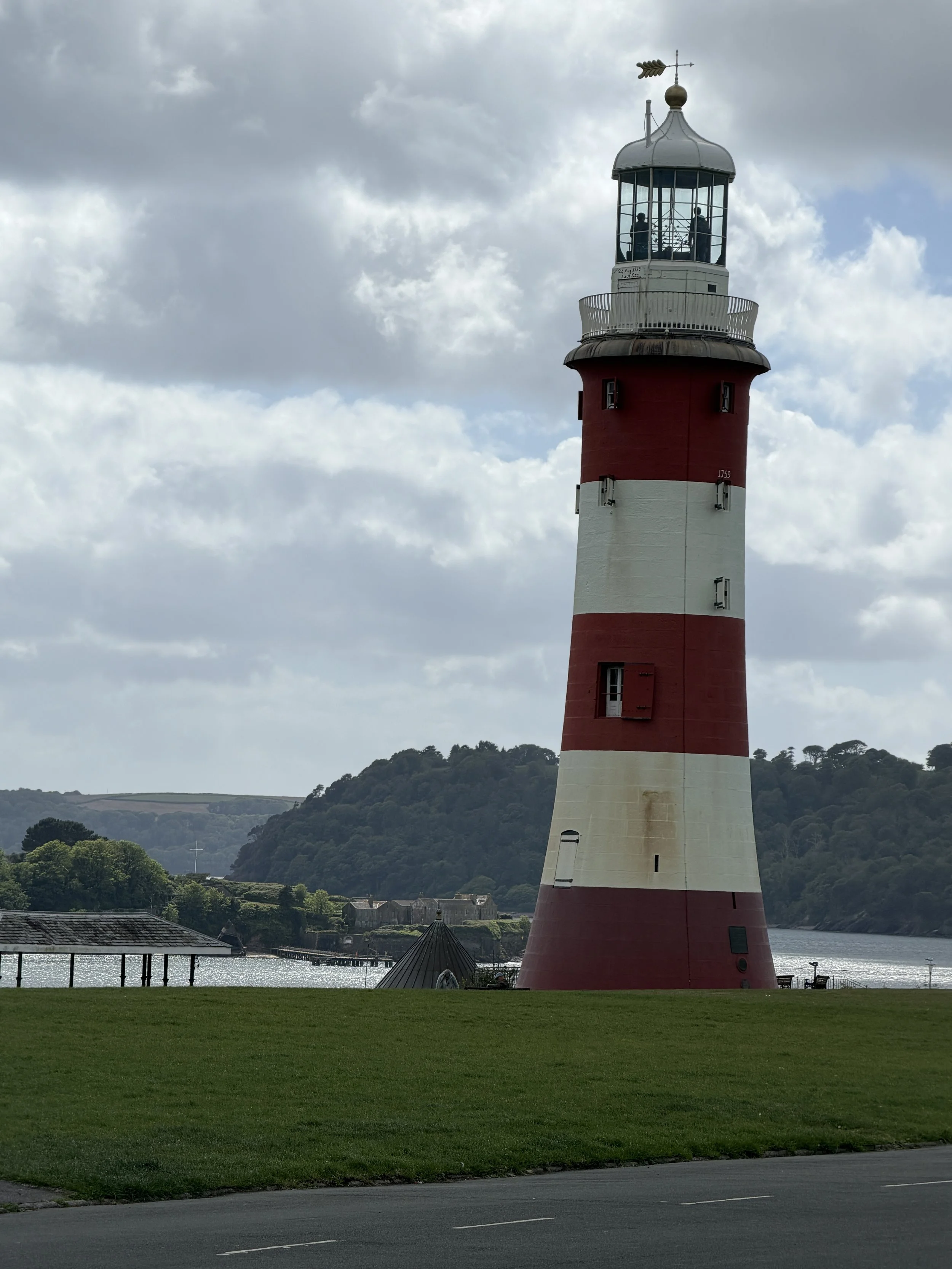
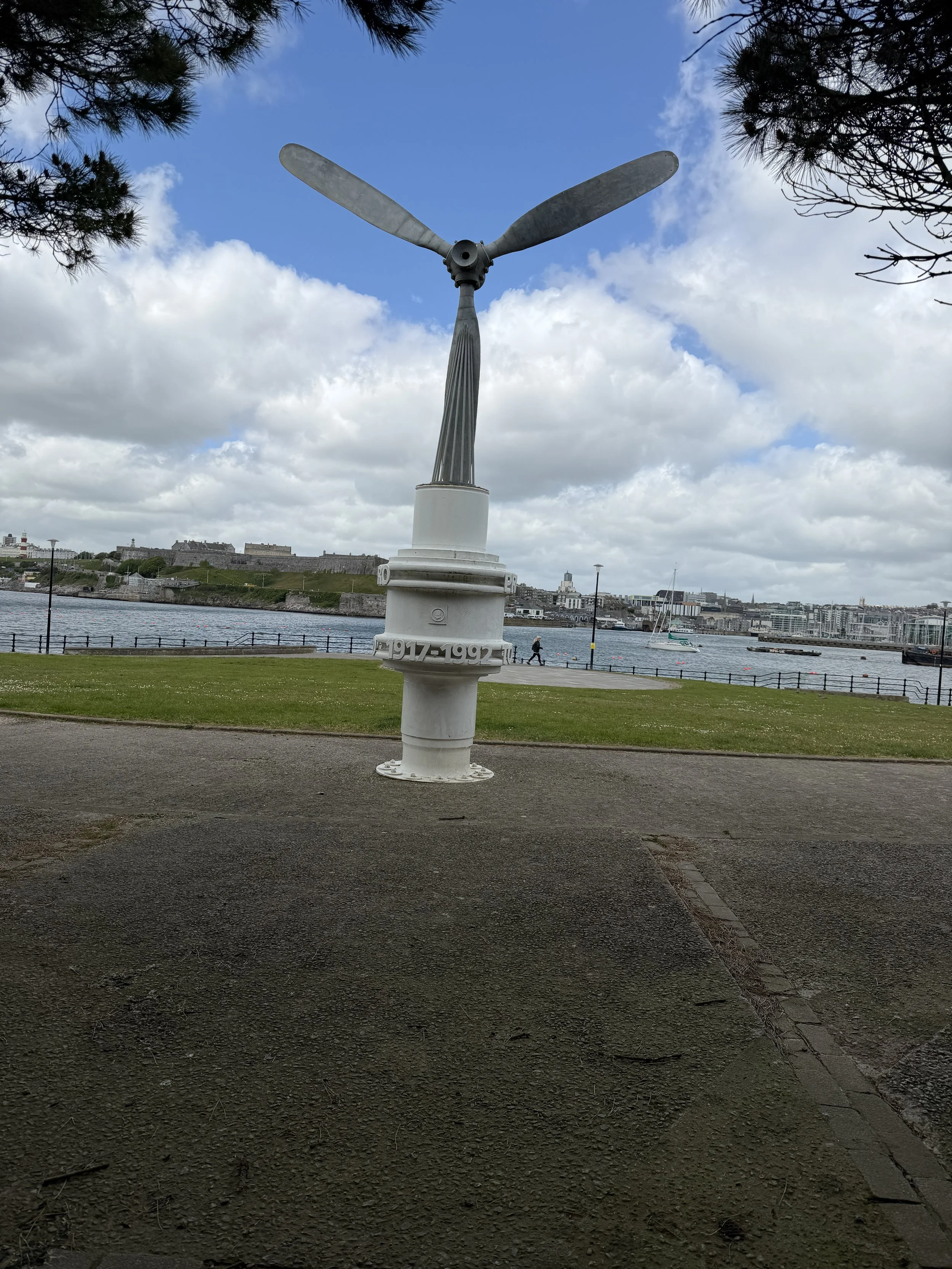
We also walked through Plymouth Hoe, a major focal point in the city. This landmark includes a large grassy area, gardens, lots of memorials, a handful of cafes and a wide promenade. Apparently every school child here has heard the story of Sir Francis Drake and his game of lawn bowls on Plymouth Hoe as the Spanish Armada was sighted in the English Channel. Legend has it that he insisted on finishing his game (which incidentally, he lost) before setting off and defeating the Spanish fleet in 1588.
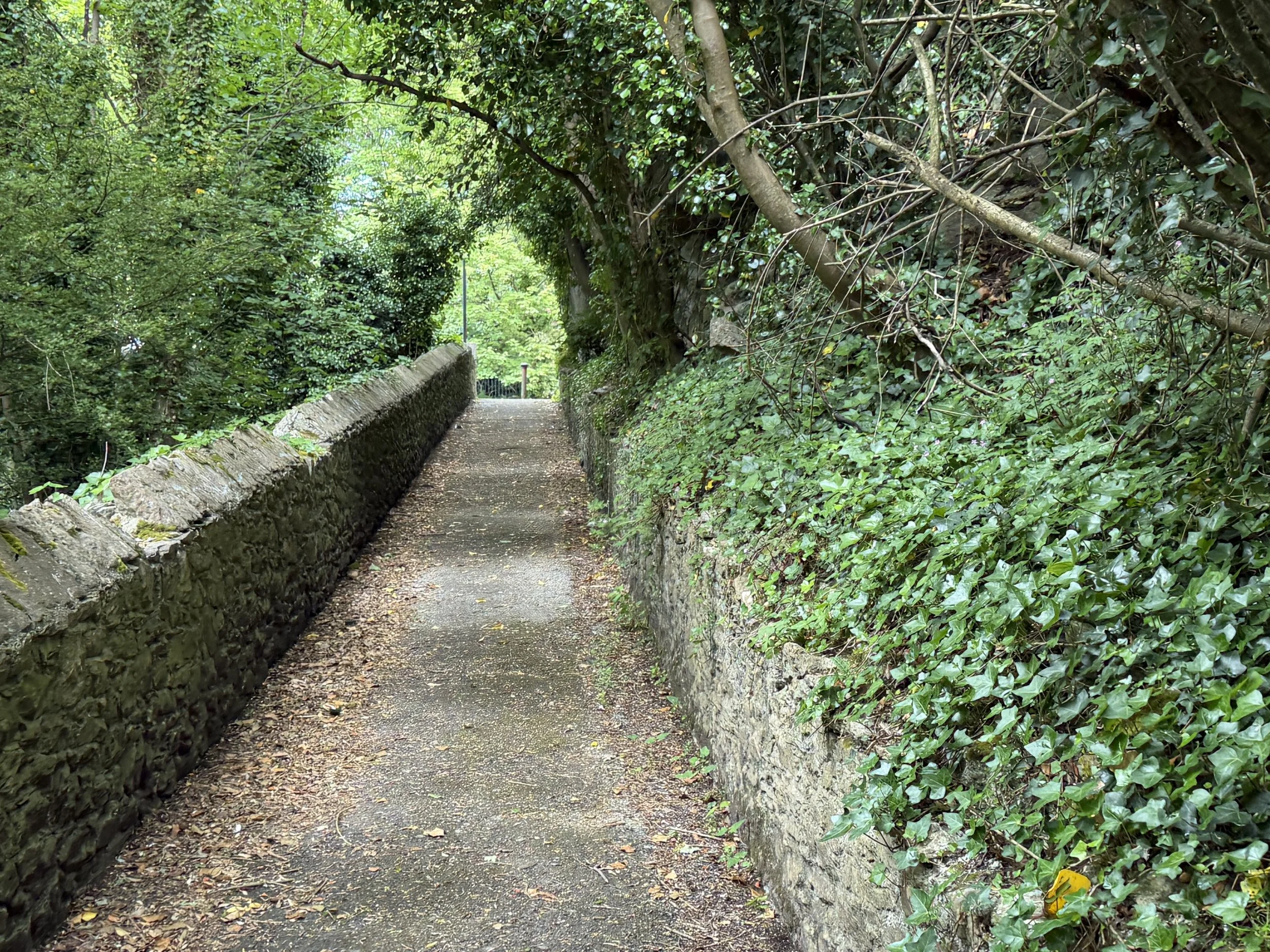
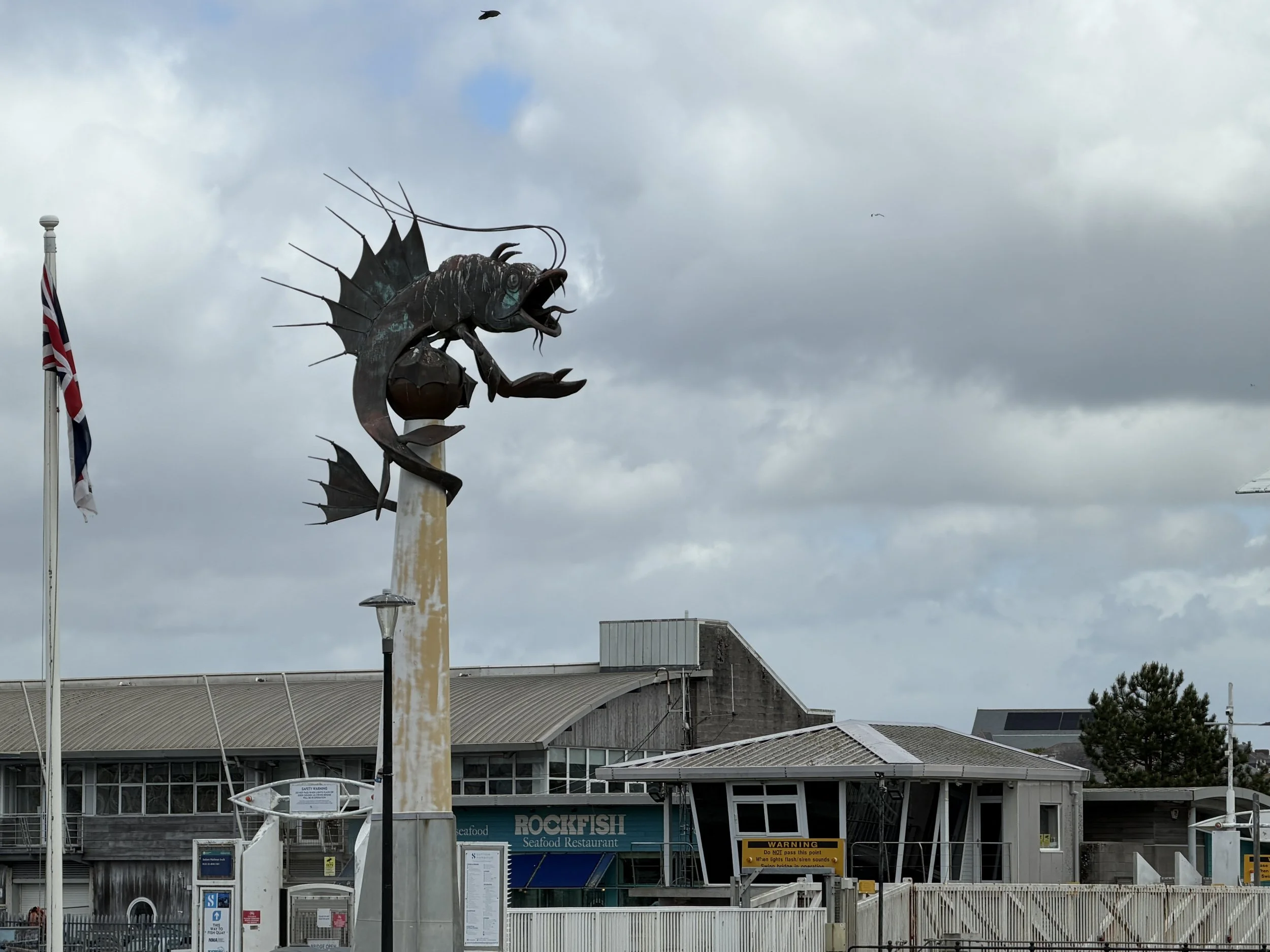
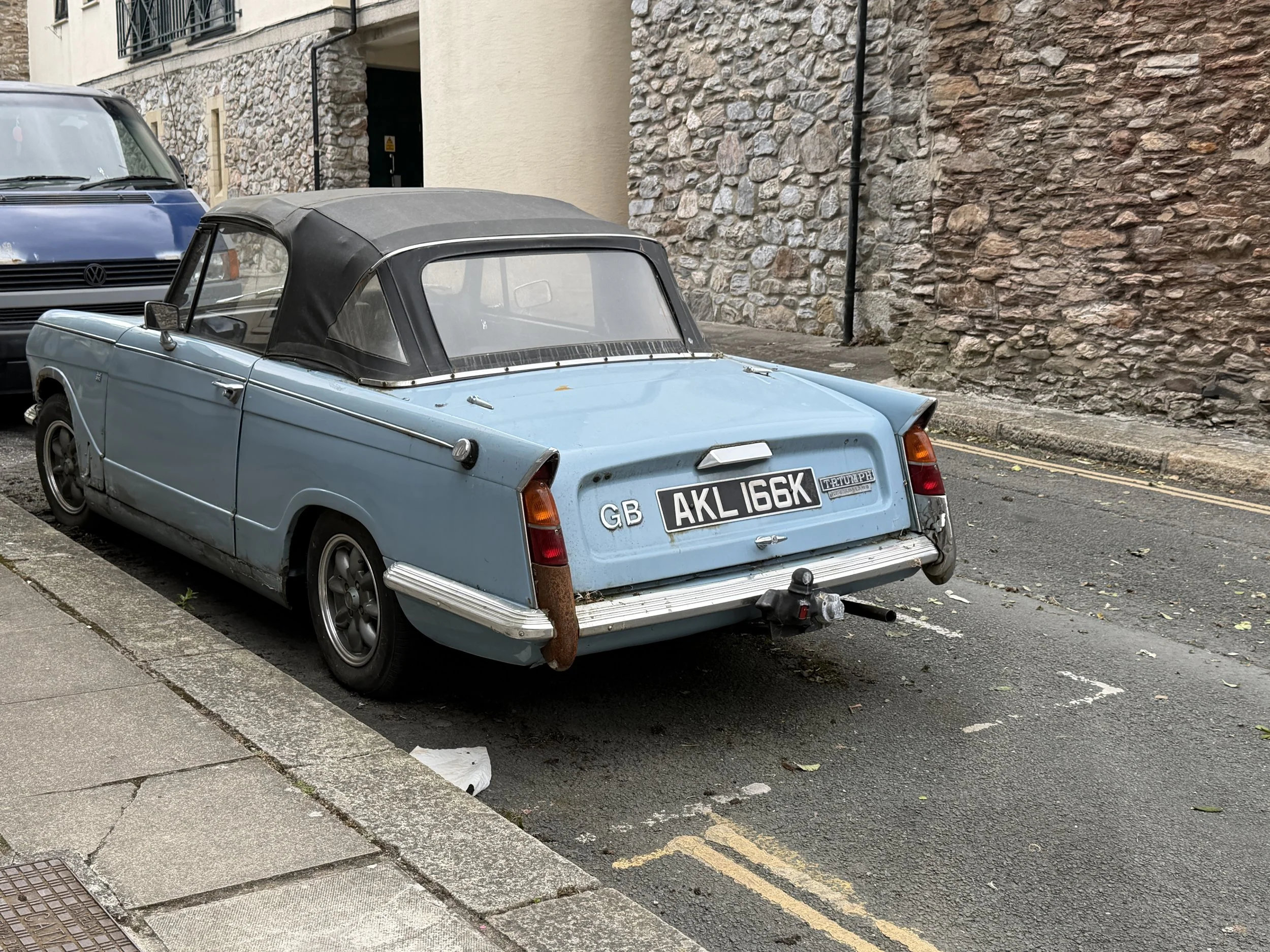
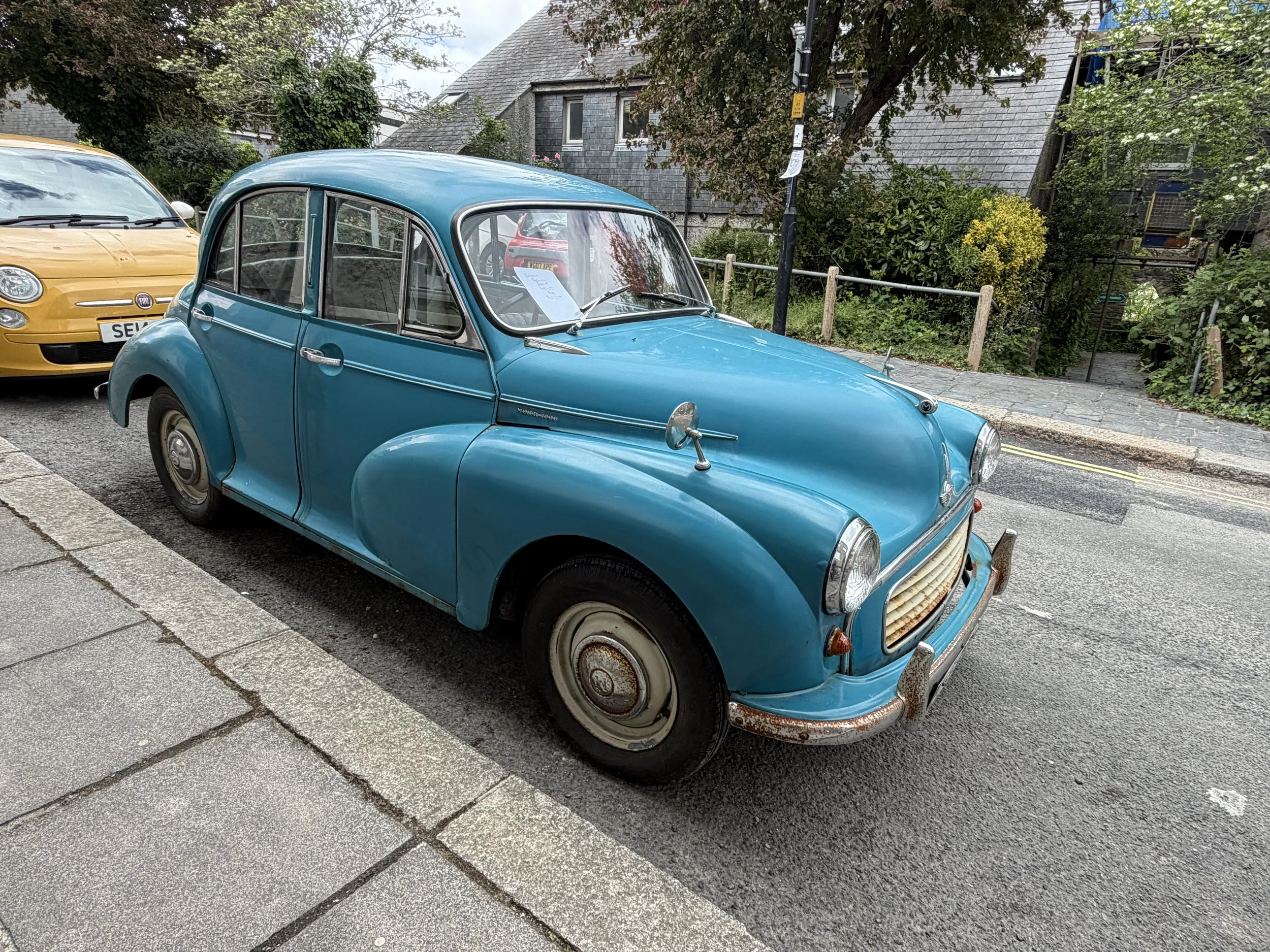
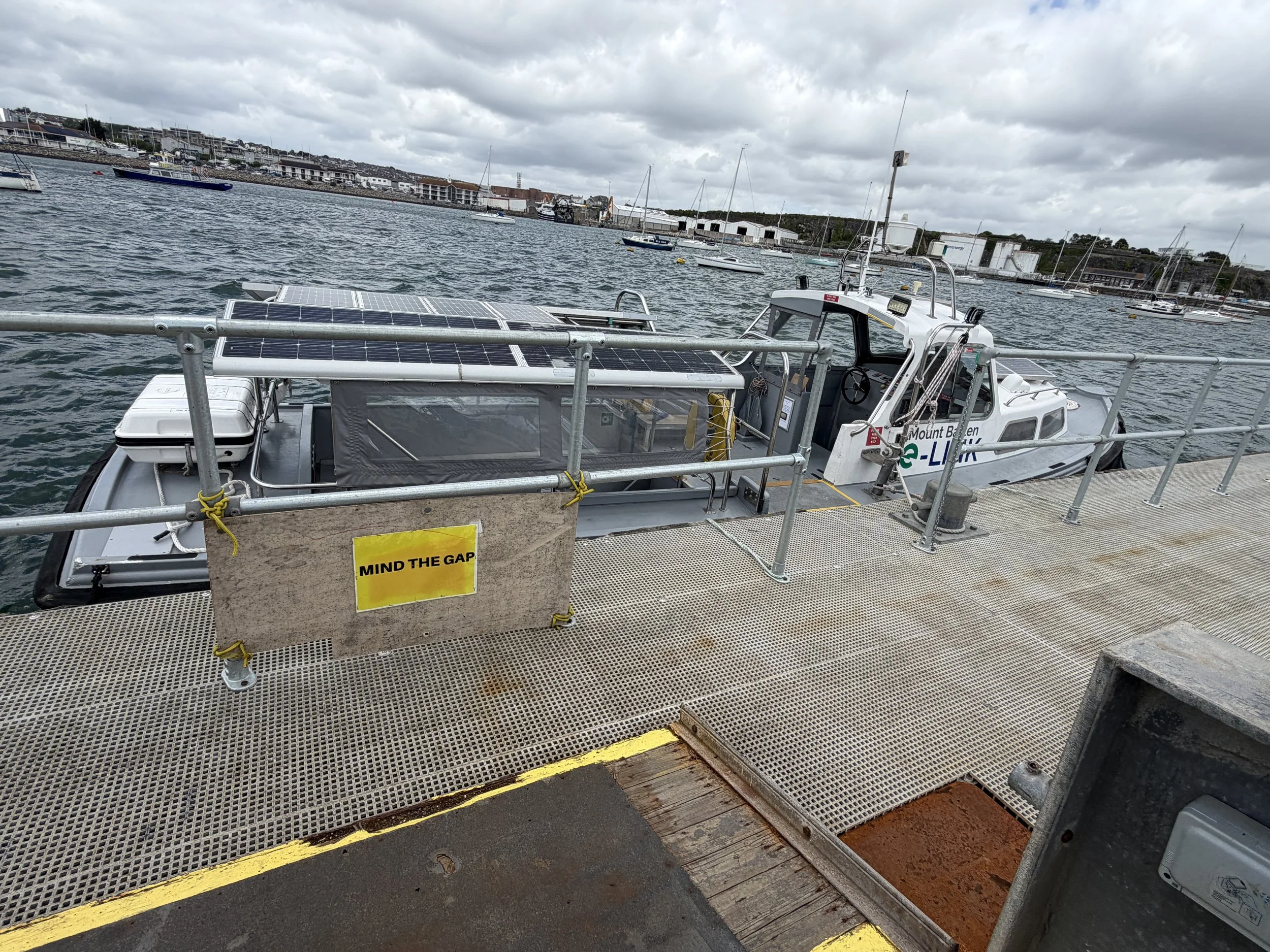
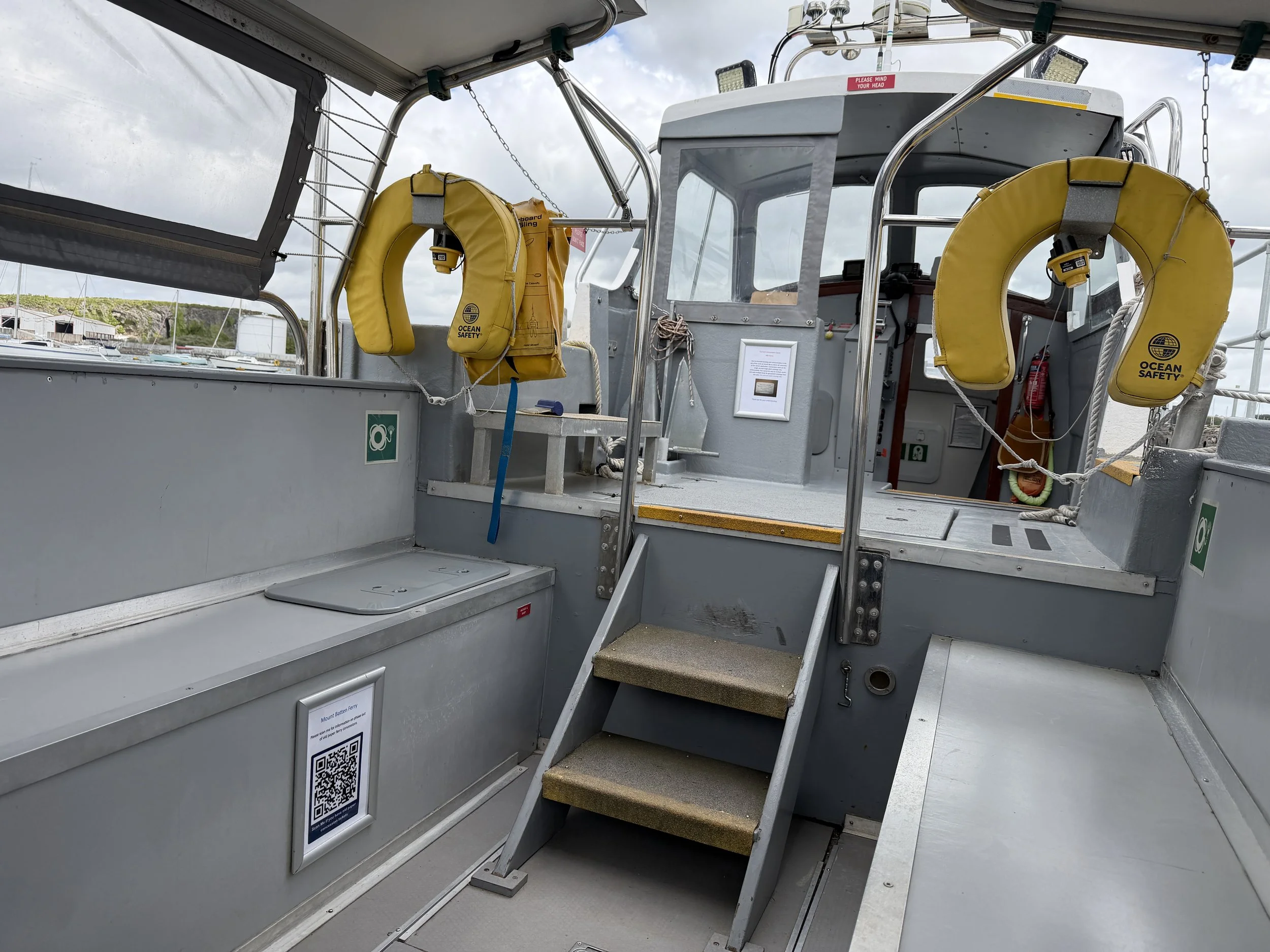
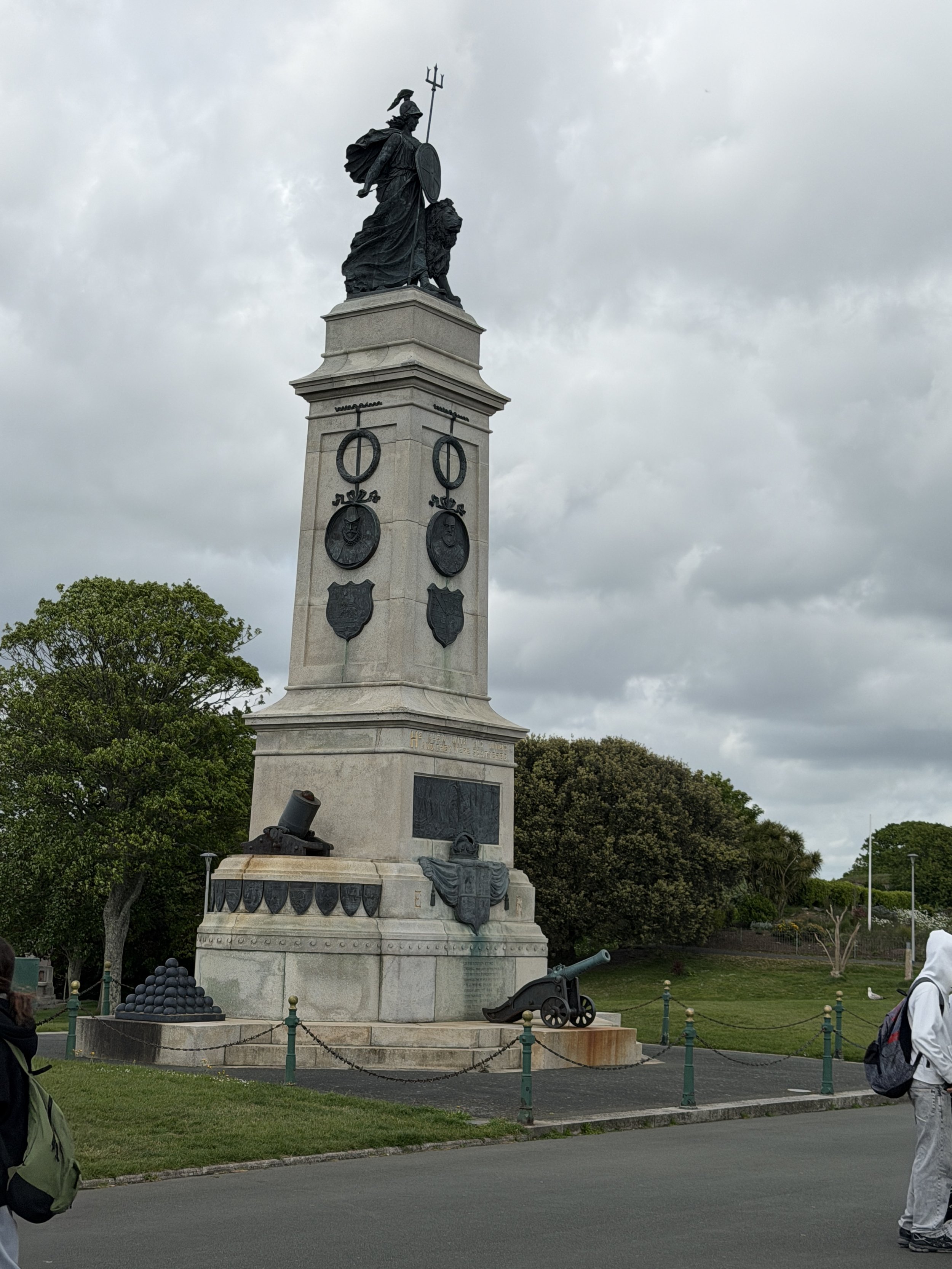
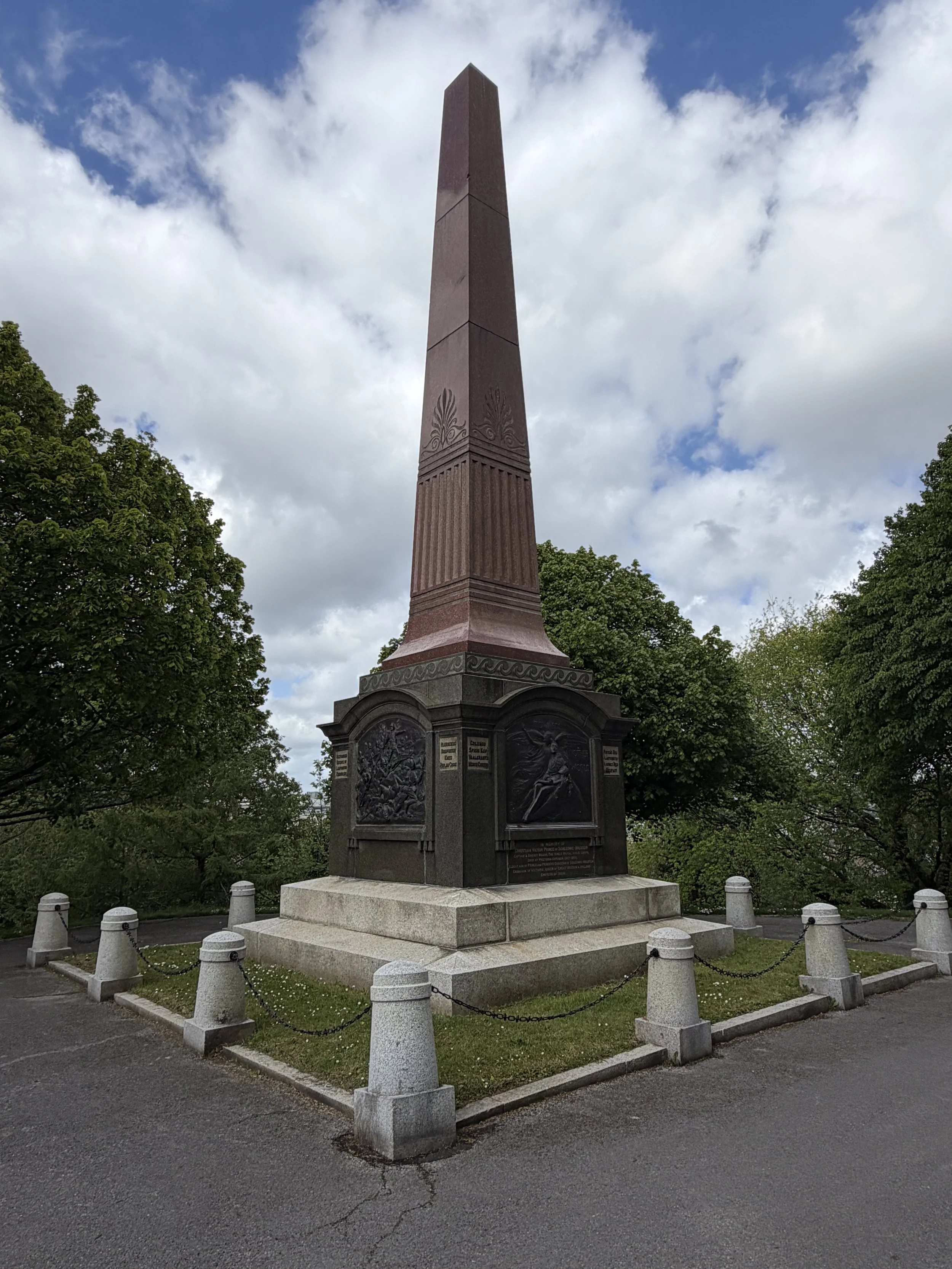
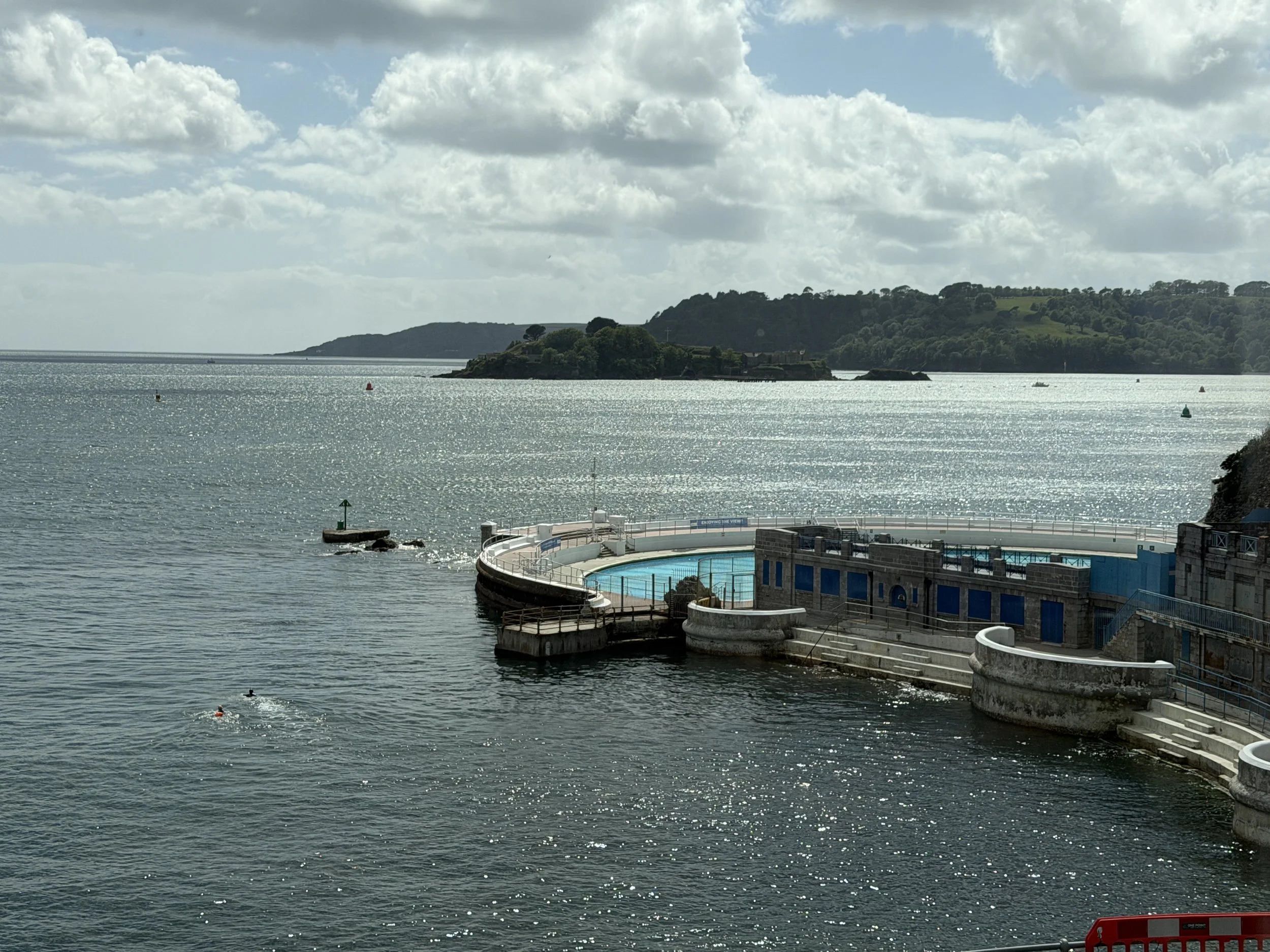
We stayed an extra day in Plymouth waiting for better cruising weather. Turns out we were berthed directly across from ‘Barry’ whom we’d heard about years ago. He had just arrived in the UK from crossing the Atlantic, and has spent 9 years circumnavigating, single handed, around the world! To call him adventurous is an understatement. If you like sailing videos his Youtube channel is well worth checking out: Adventures of an Old Seadog.
This lifestyle affords us the opportunity to explore new towns and cities and to meet fascinating people in the harbors where we dock. It’s interesting and educational, and we both love it. At the same time, we each thrive on remote places, untouched landscapes, and solitude as well. We look forward to some time spent on anchor in the days ahead. Here’s hoping the weather cooperates!
Note: photo captions will not appear if viewing on a cell phone.