

With A Little Help From Our Friends
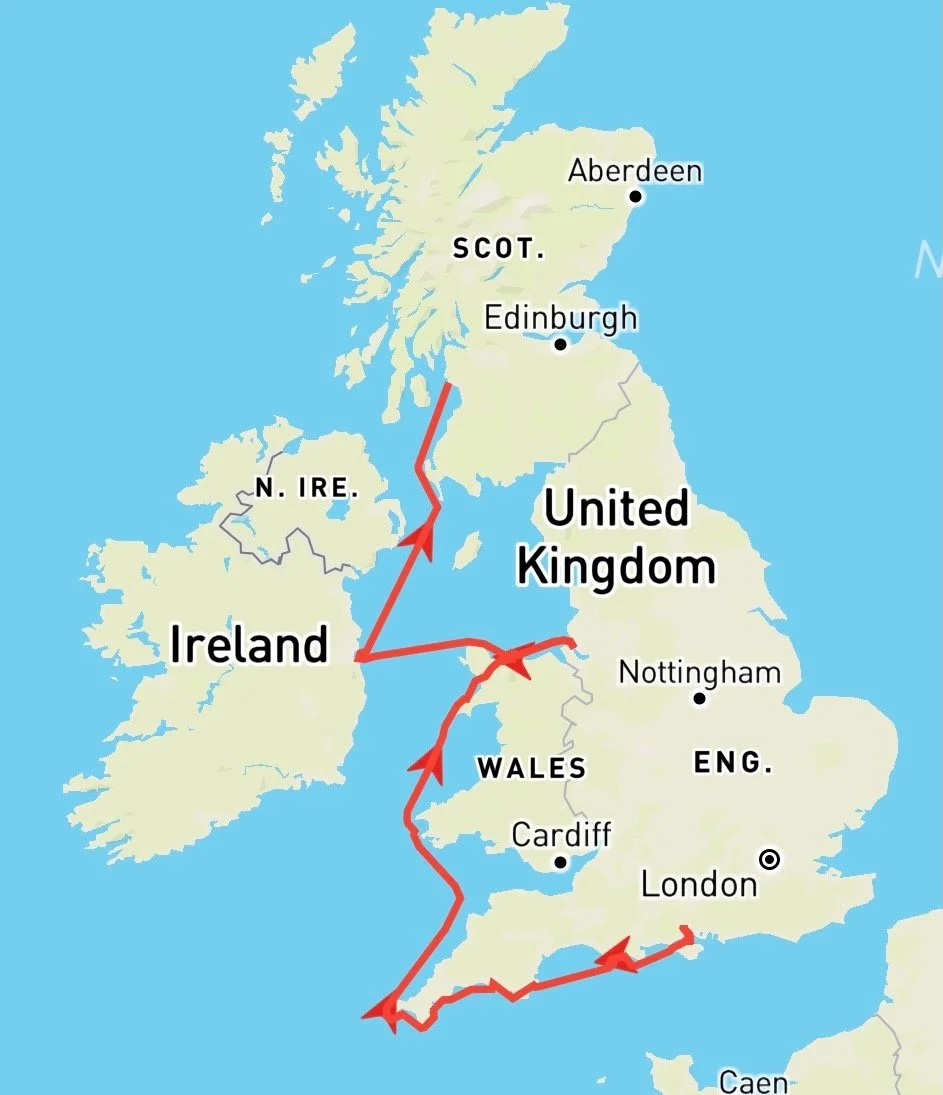
Meraki’s 2026 cruising season.
I last posted at the beginning of July. The lock at the entrance to the Liverpool Marina broke down and we were quite literally locked in. With no way to continue our voyage to Scotland we left the UK and returned home to Alaska earlier than we’d planned. We were eager to get home as we were awaiting the arrival of our grandson. Our beautiful, healthy grandson arrived in early August and we spent as much time as possible visiting with the new family without overstaying our welcome.
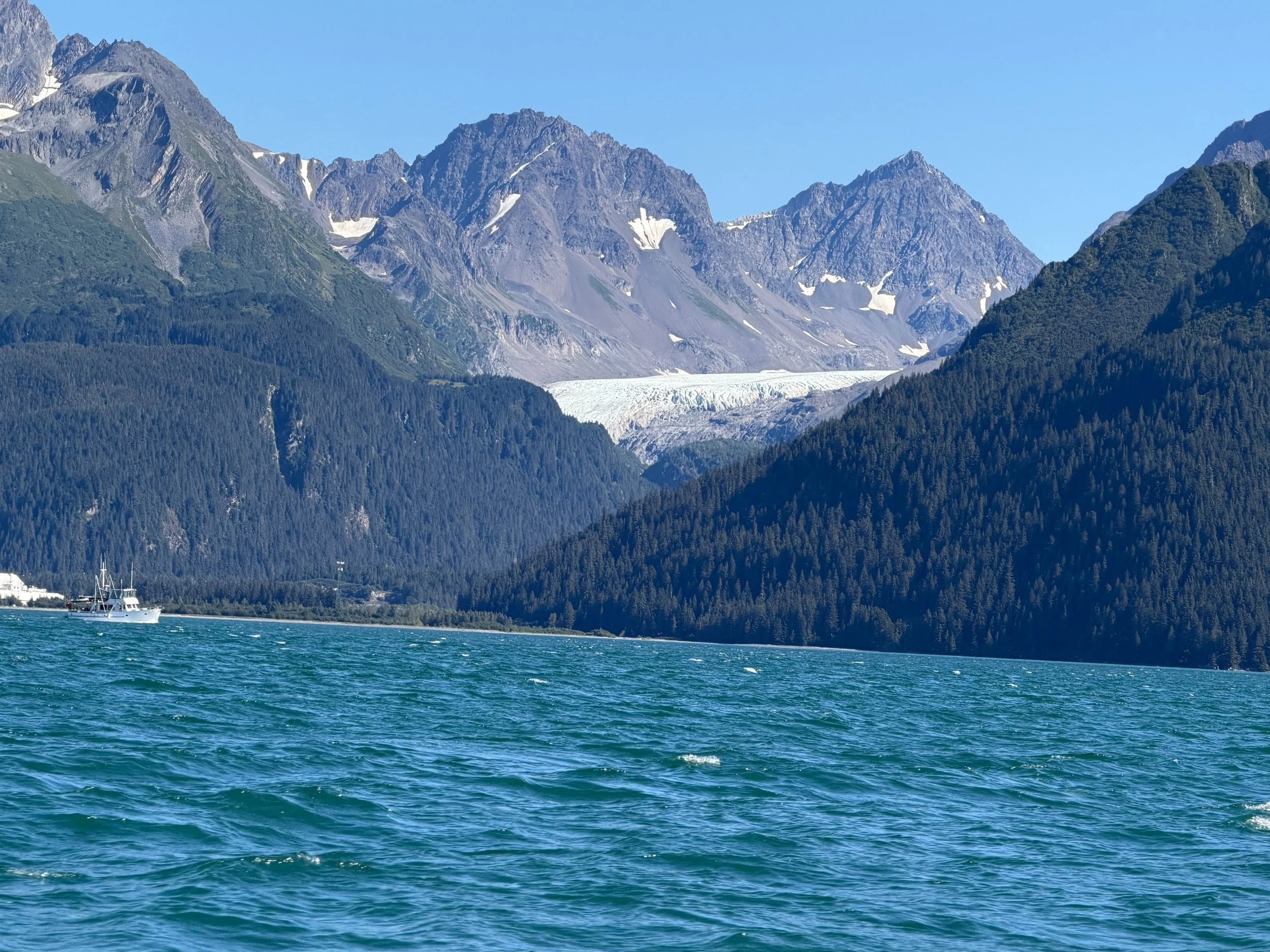
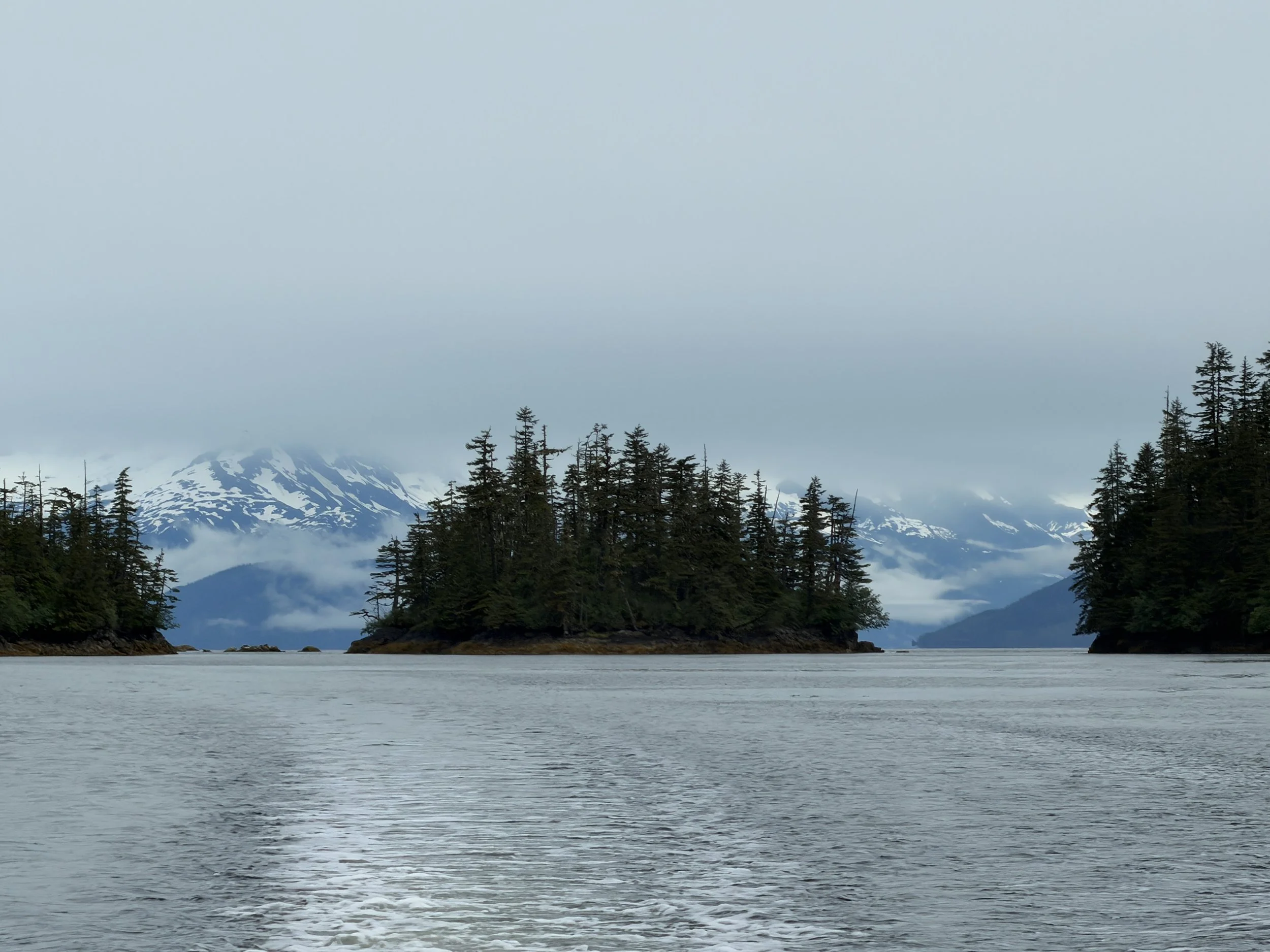
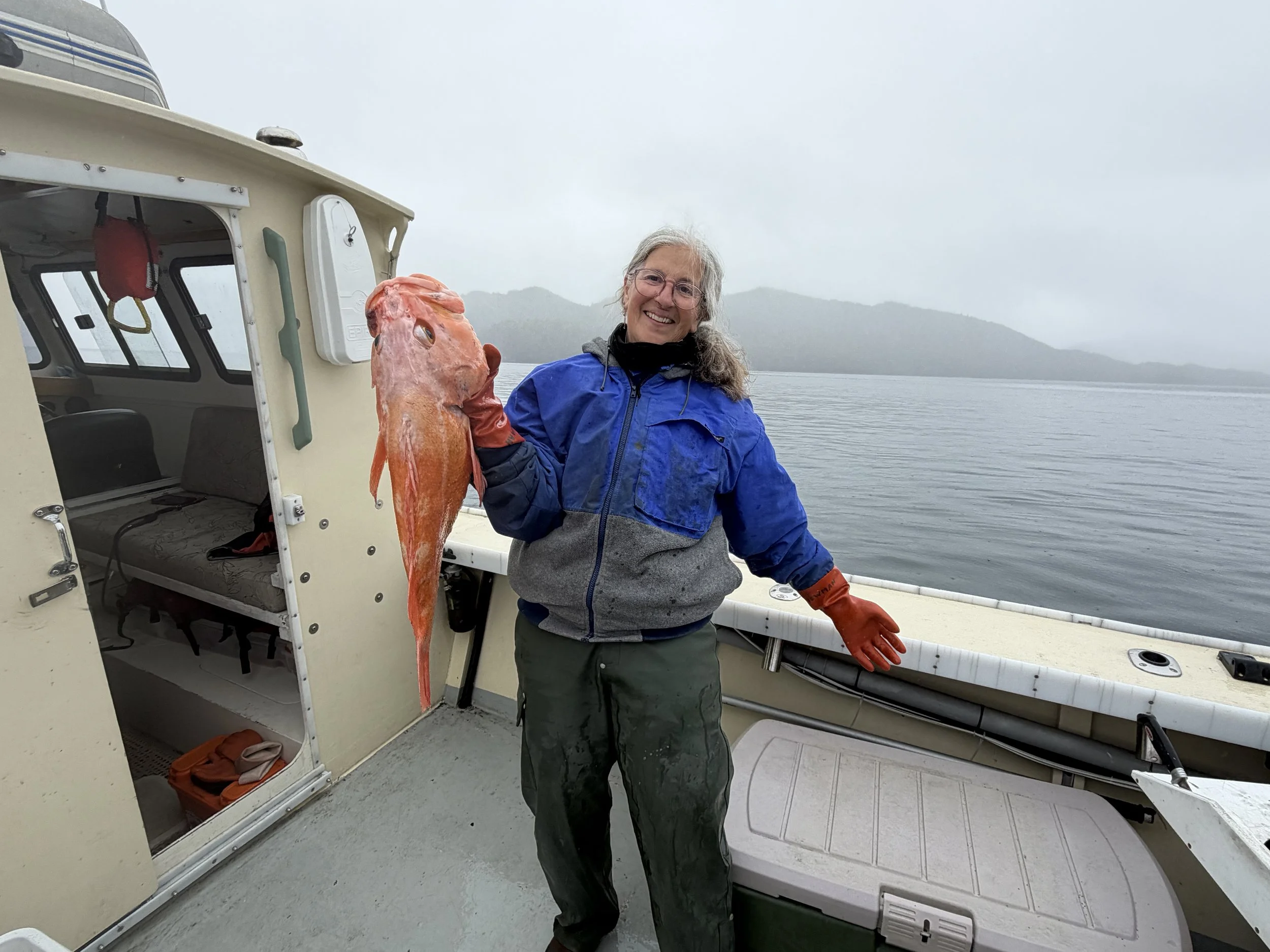
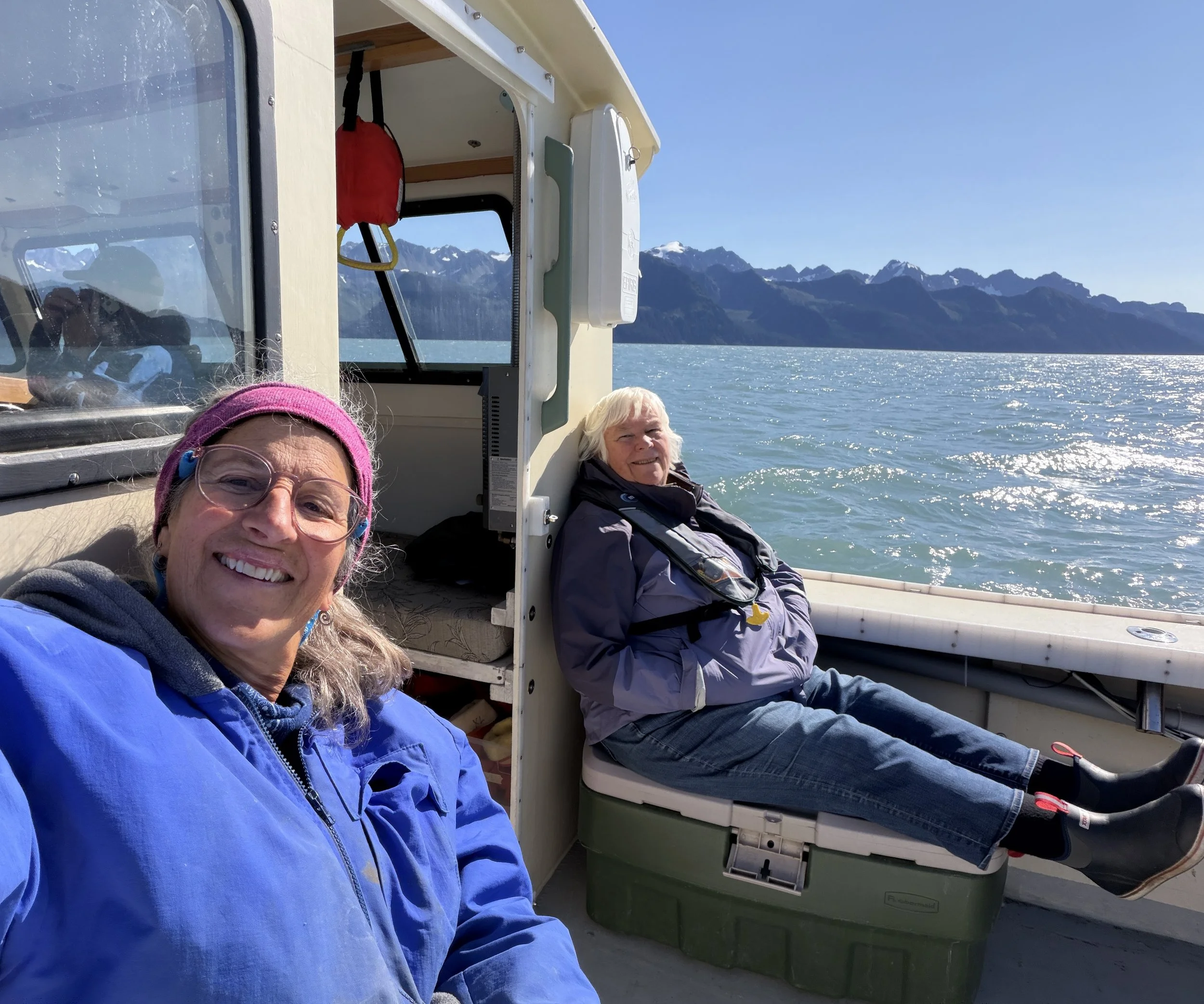
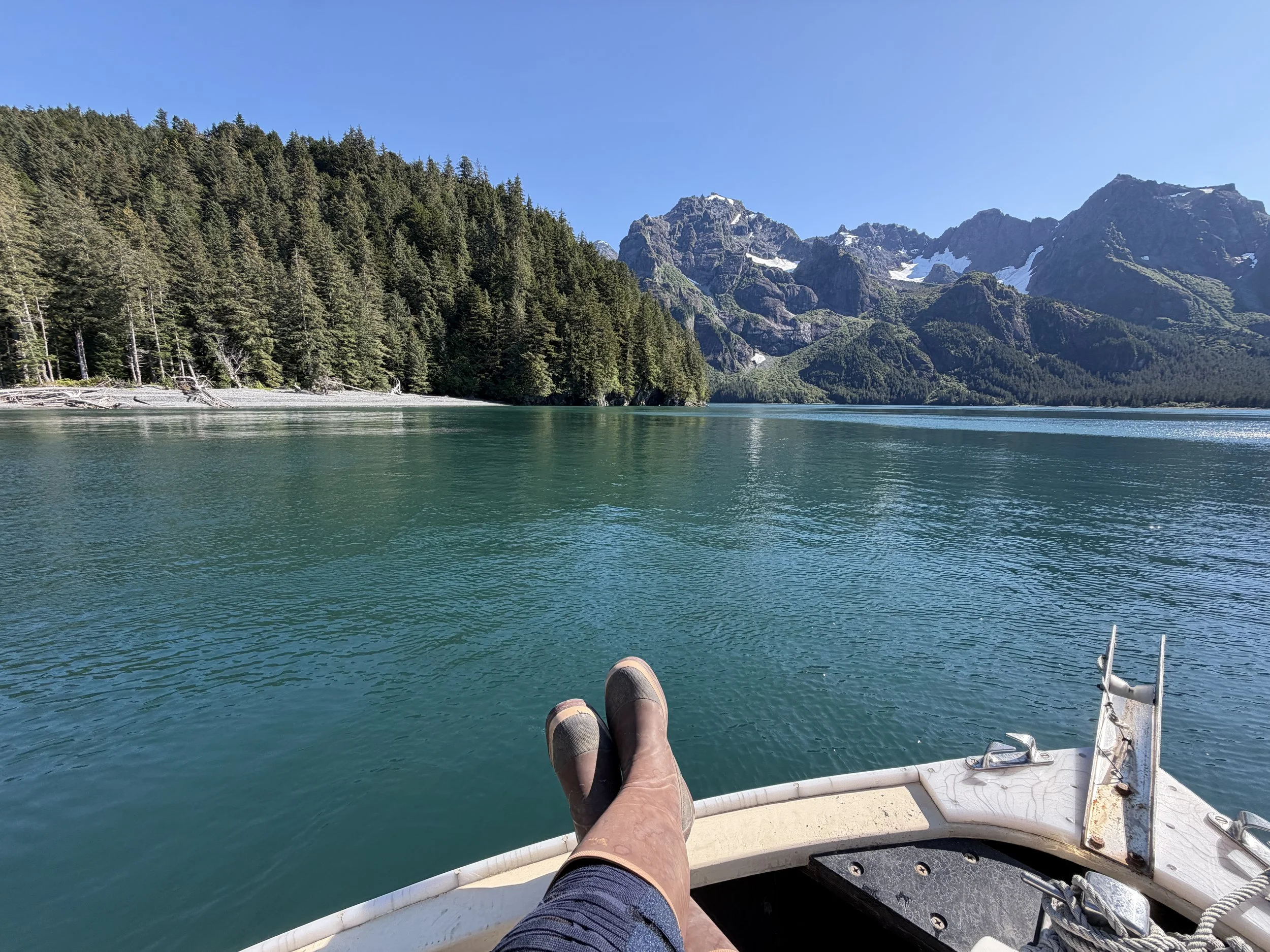
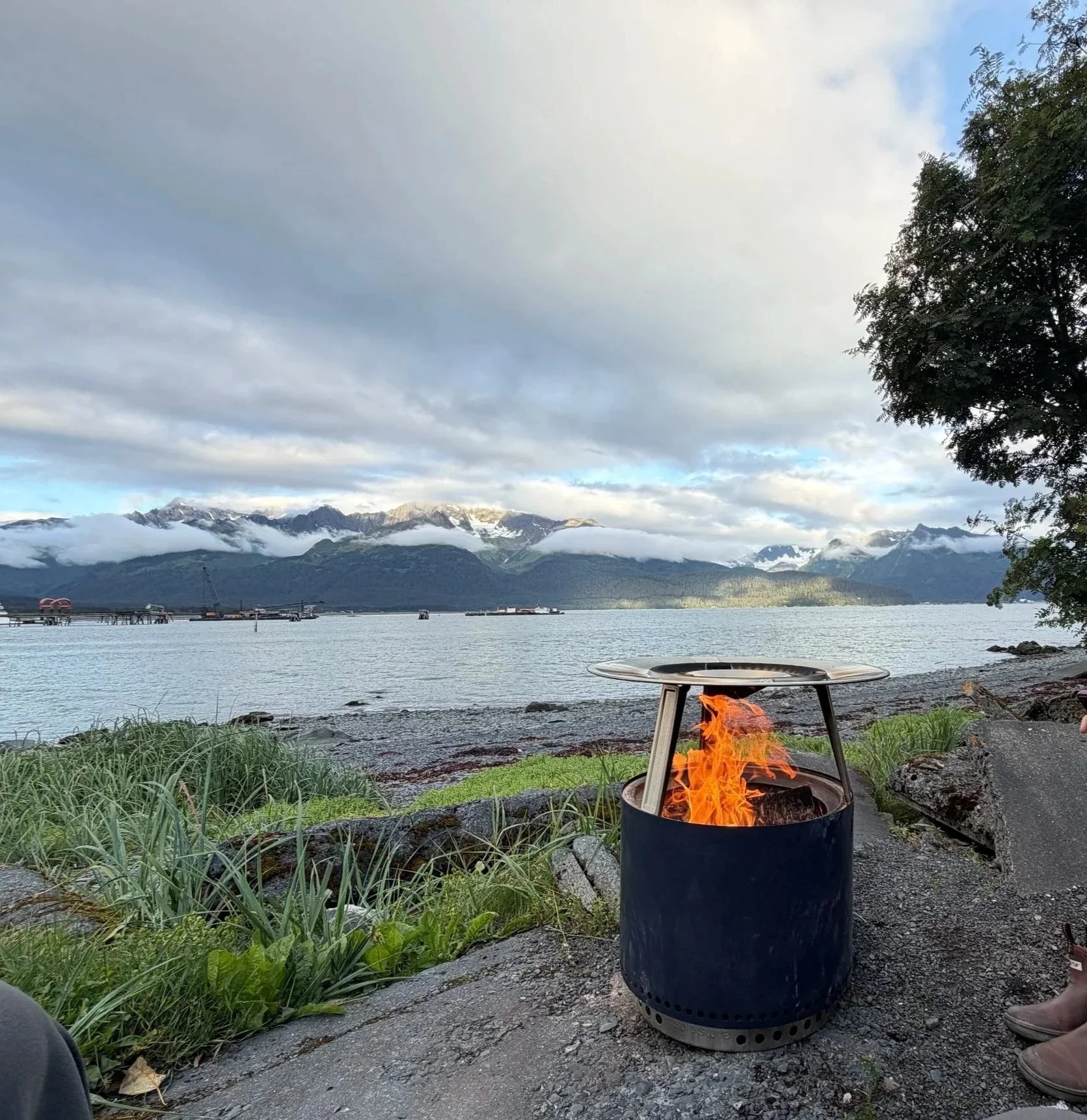
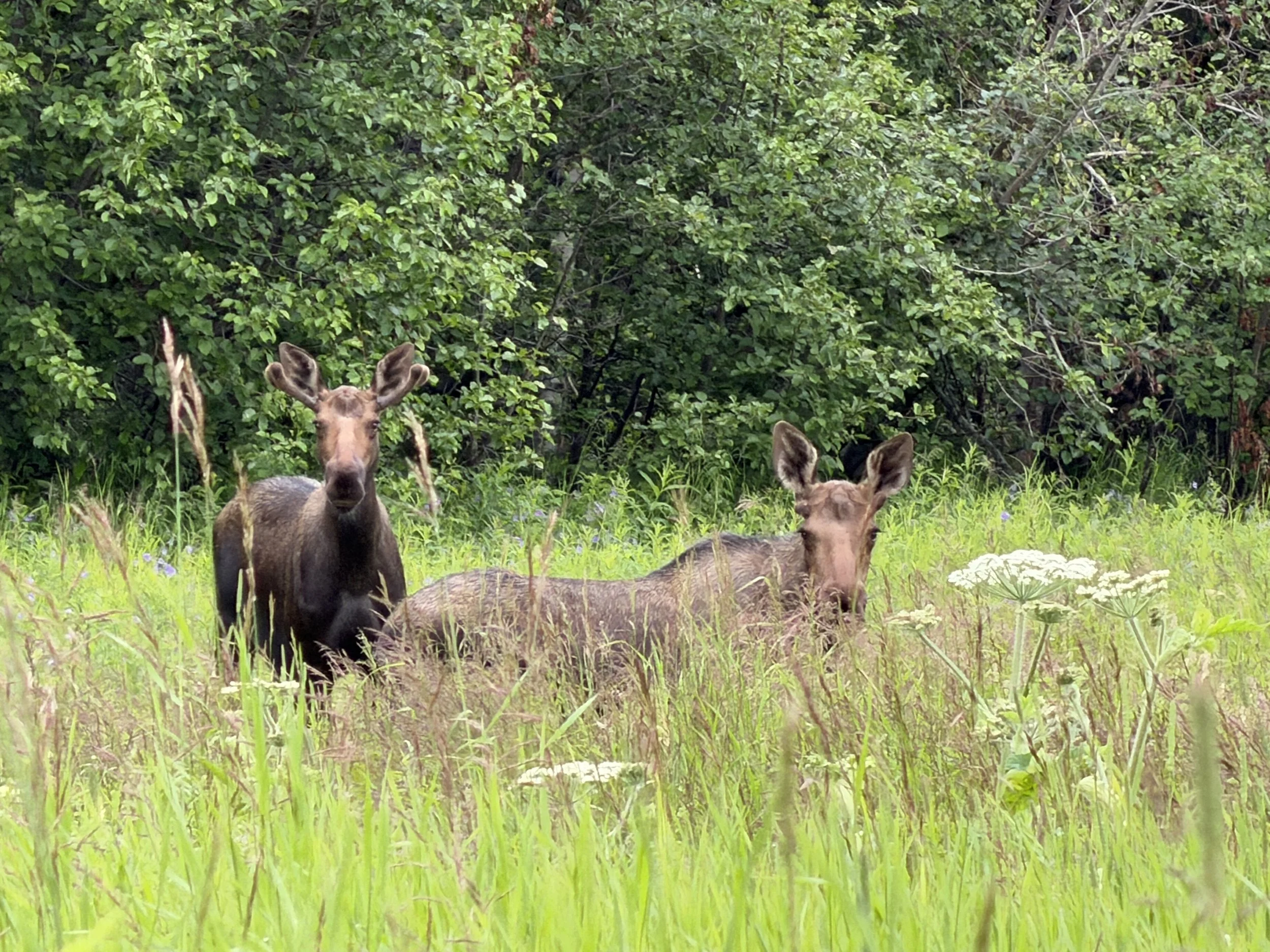
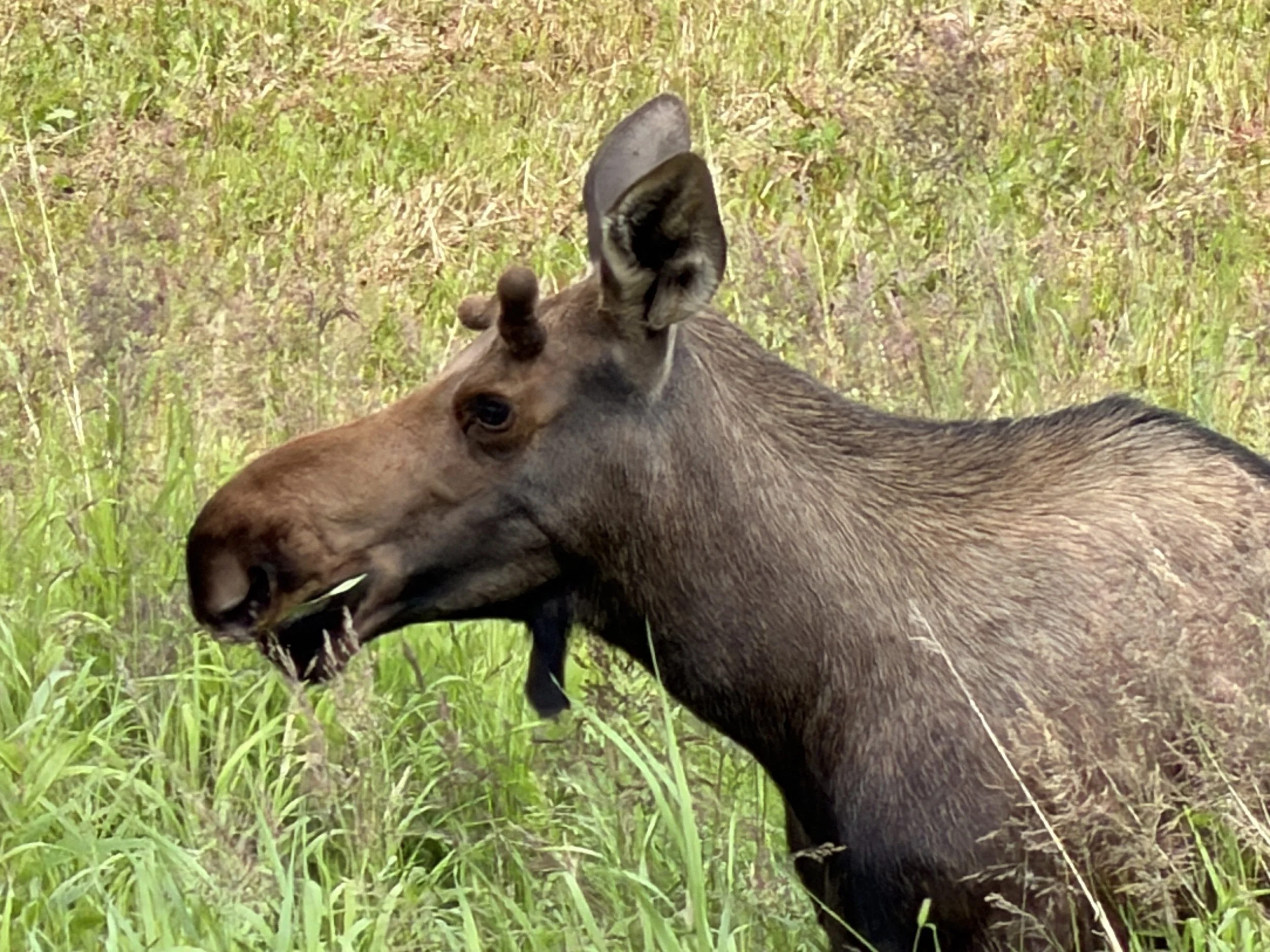
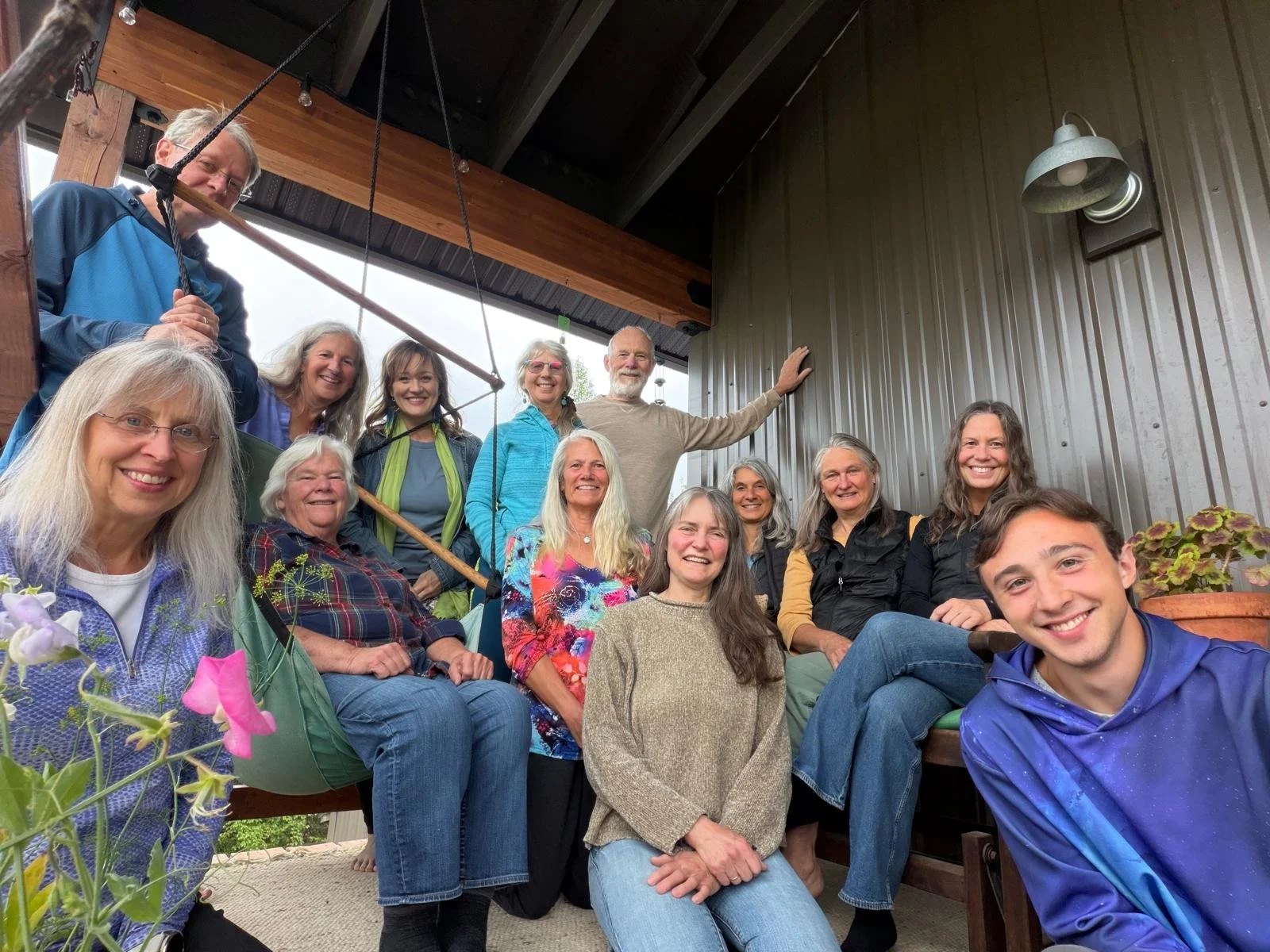
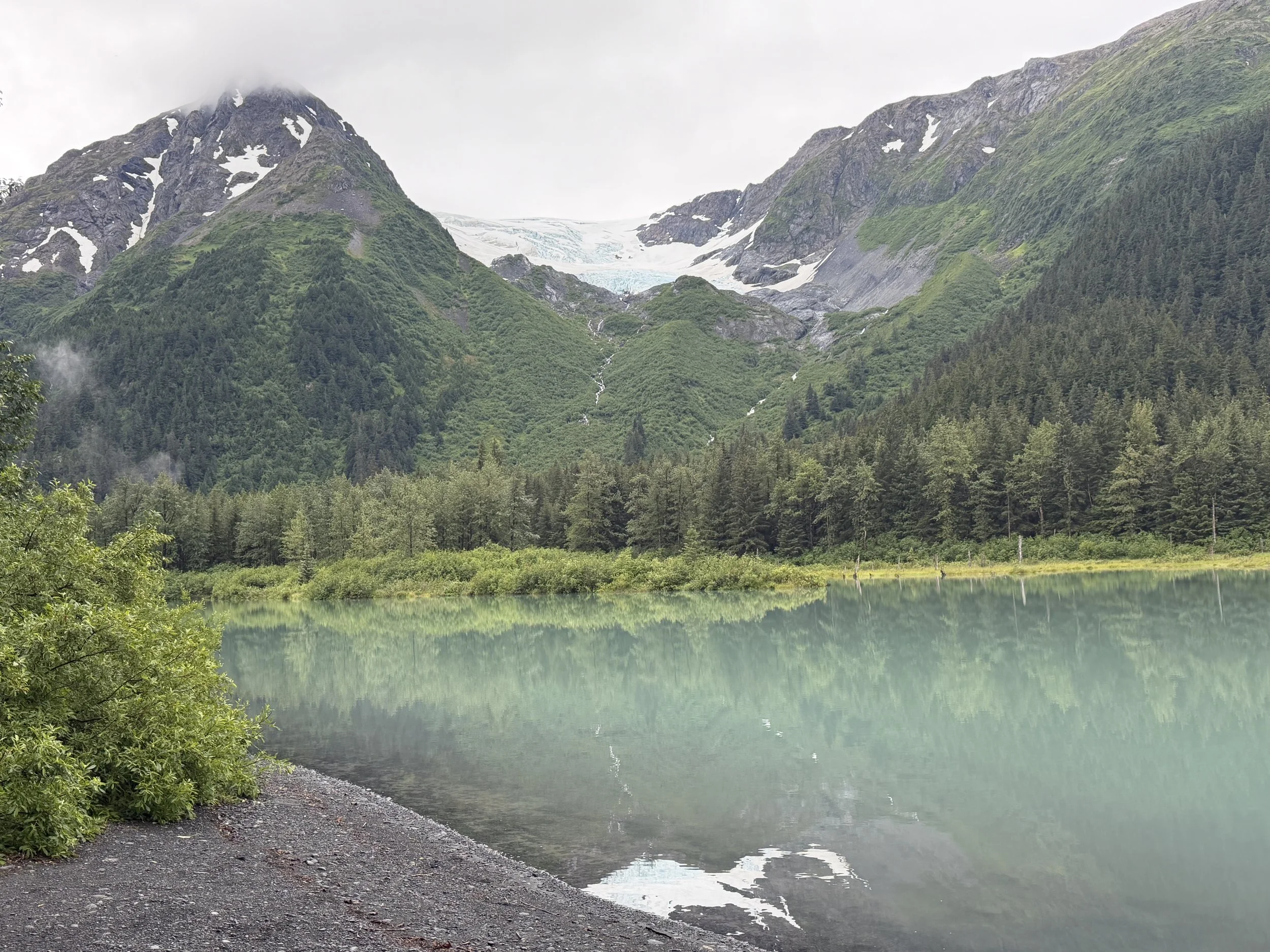
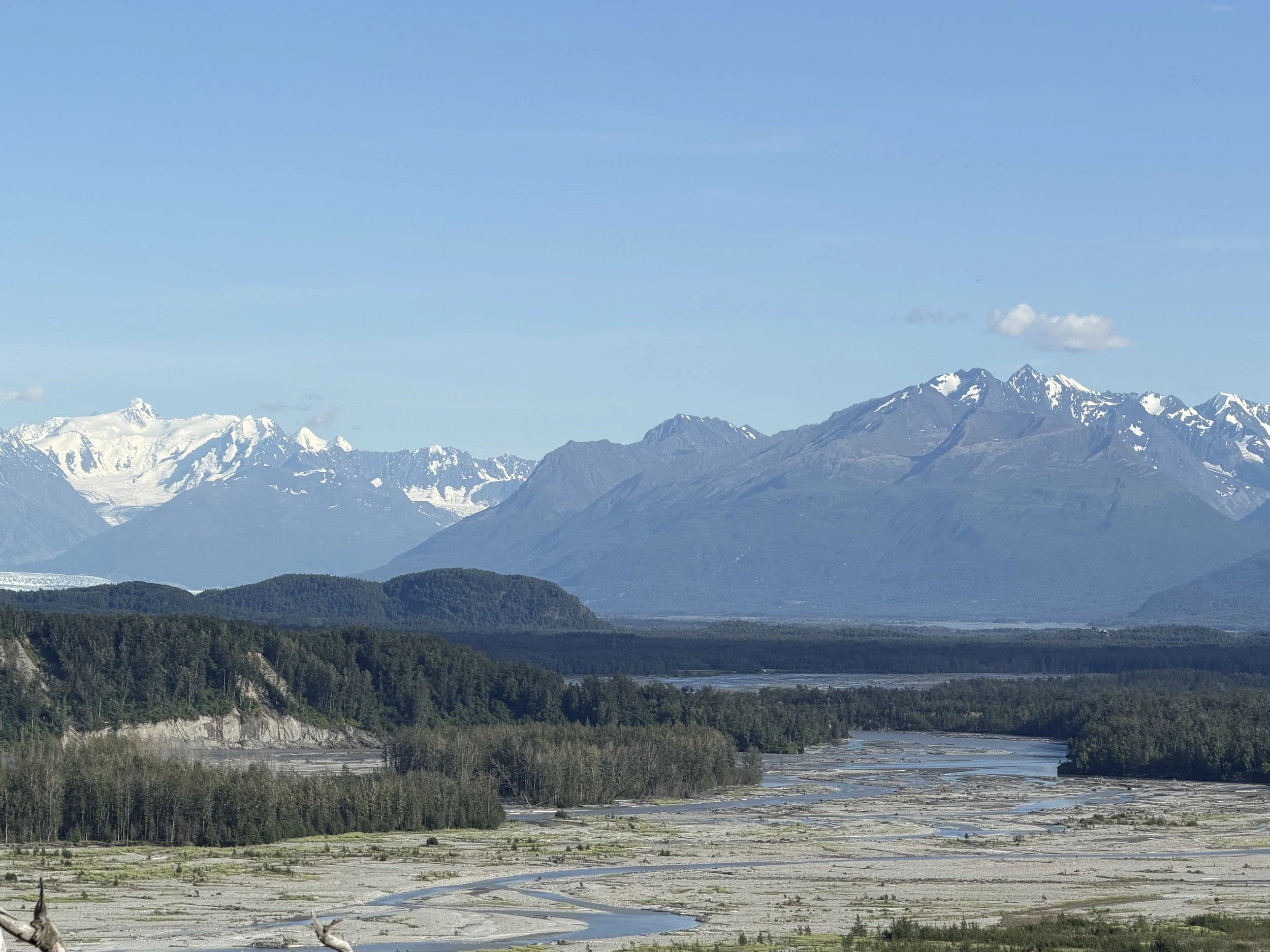
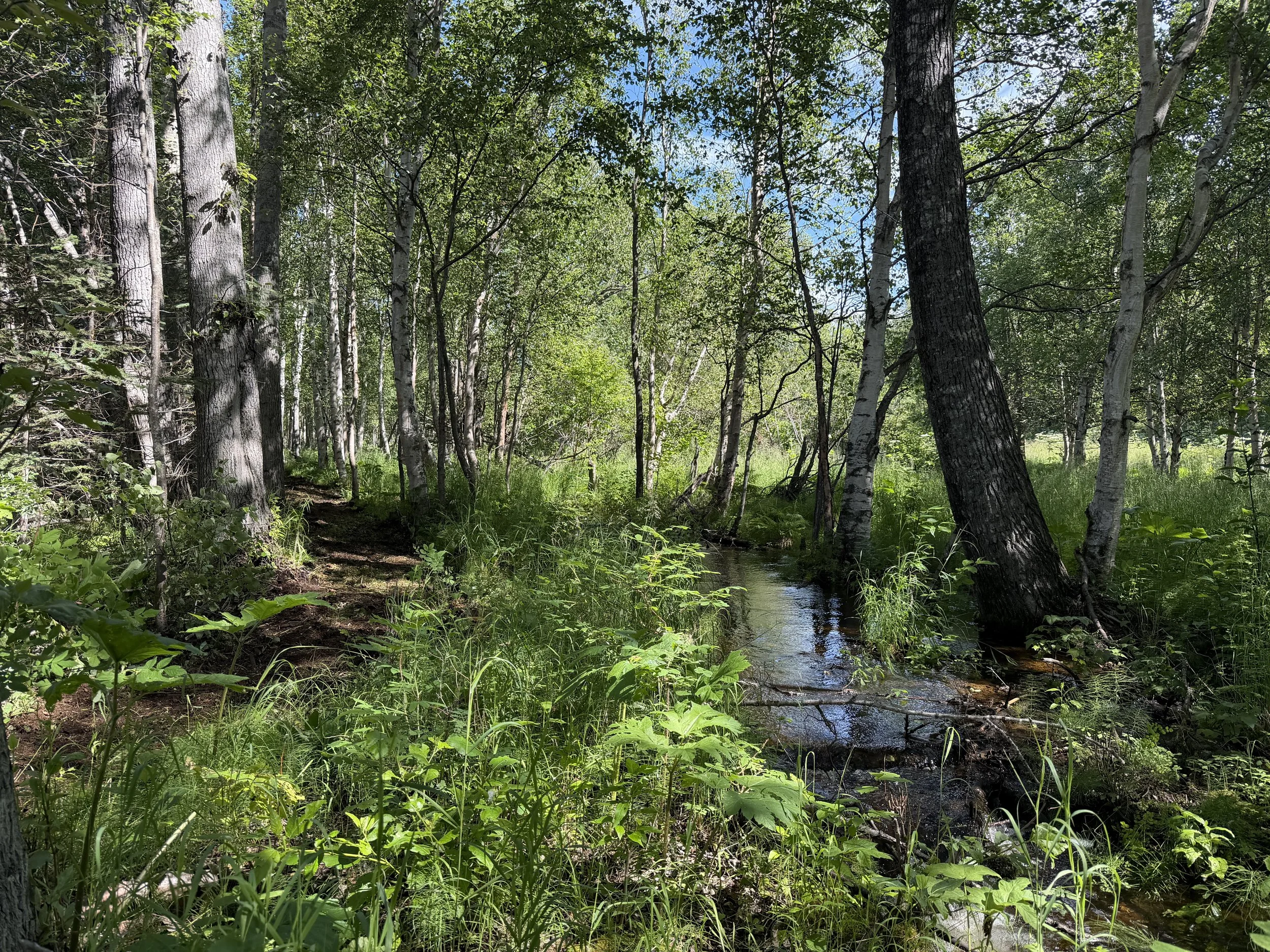
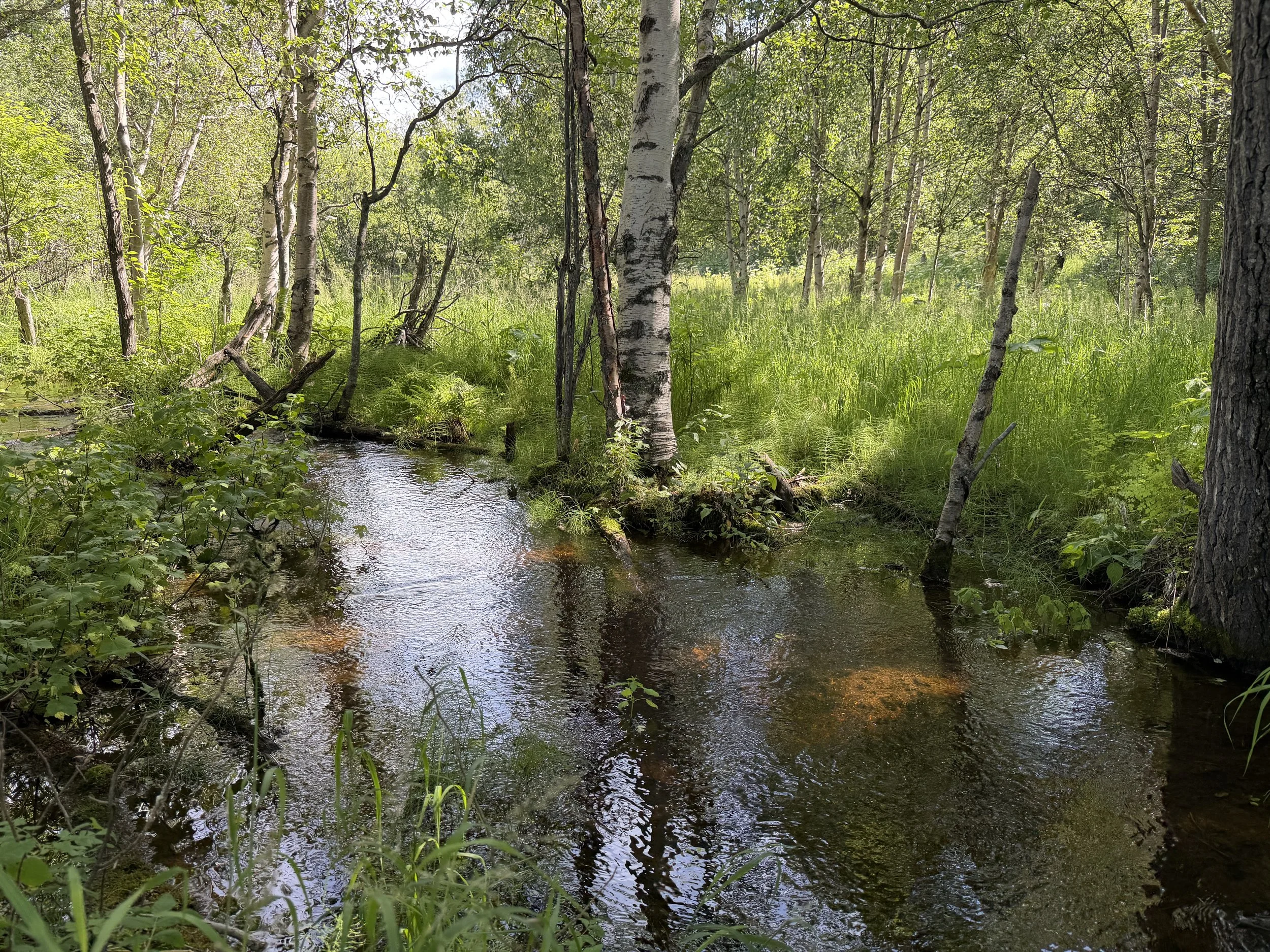
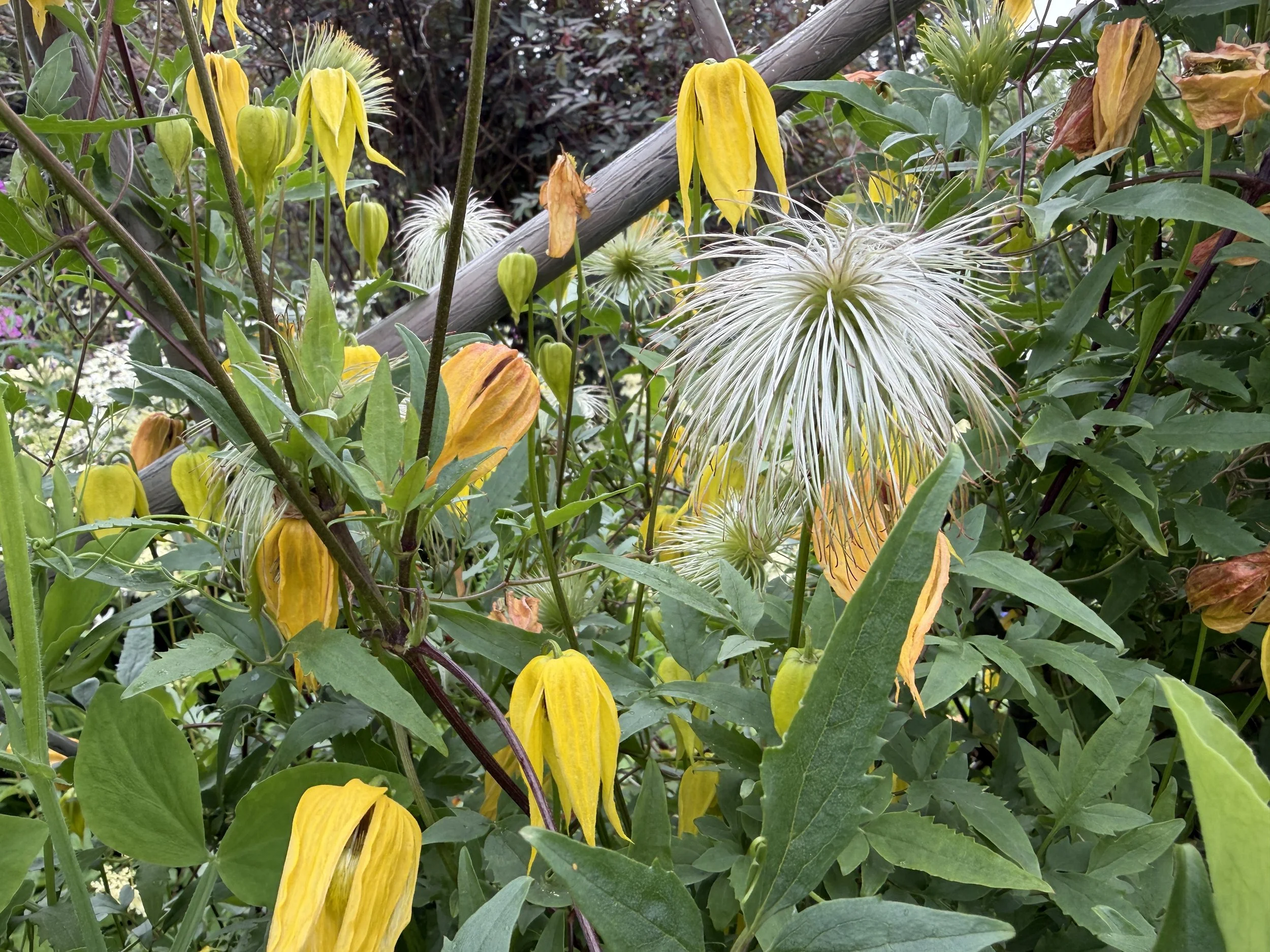
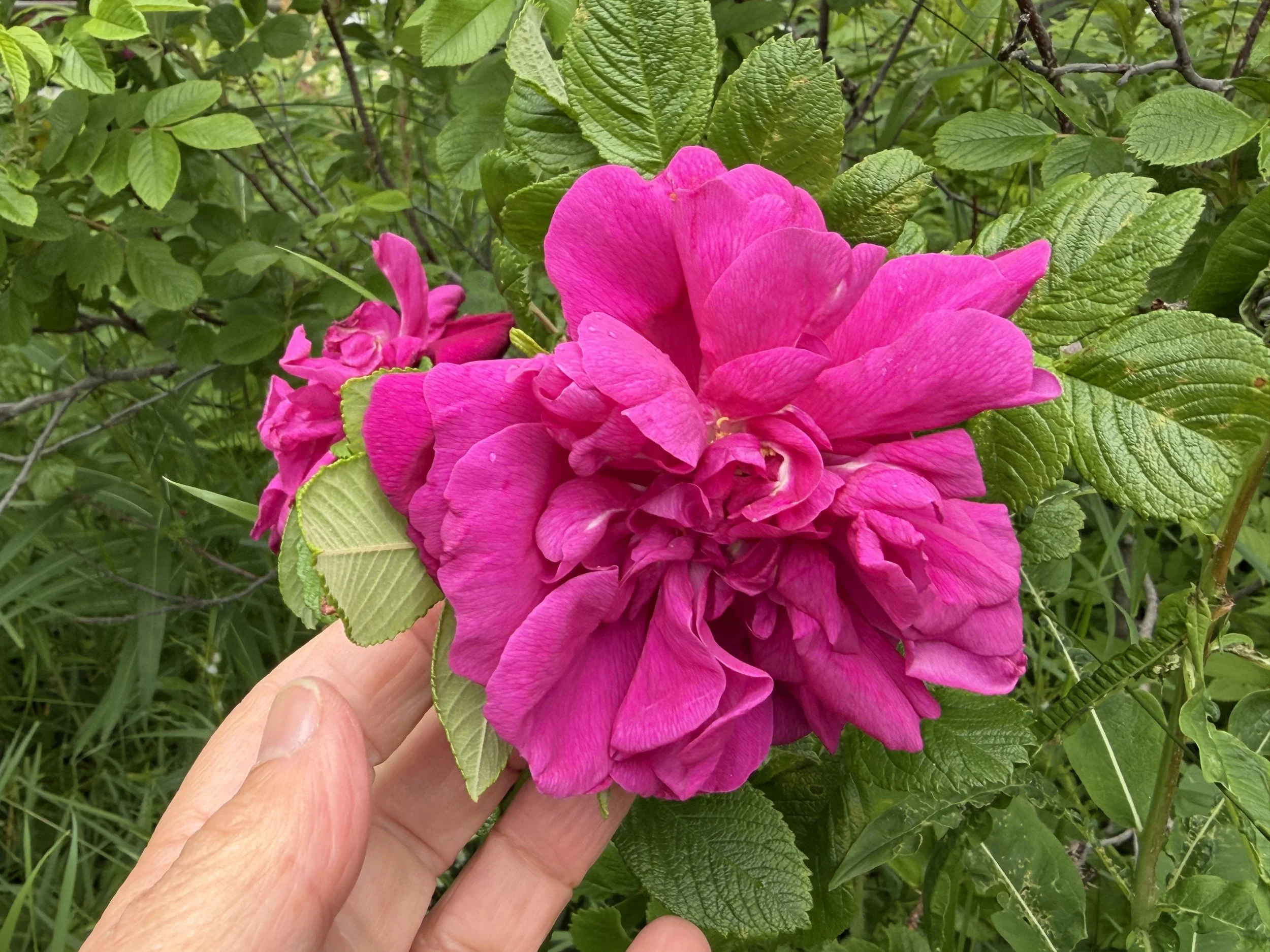
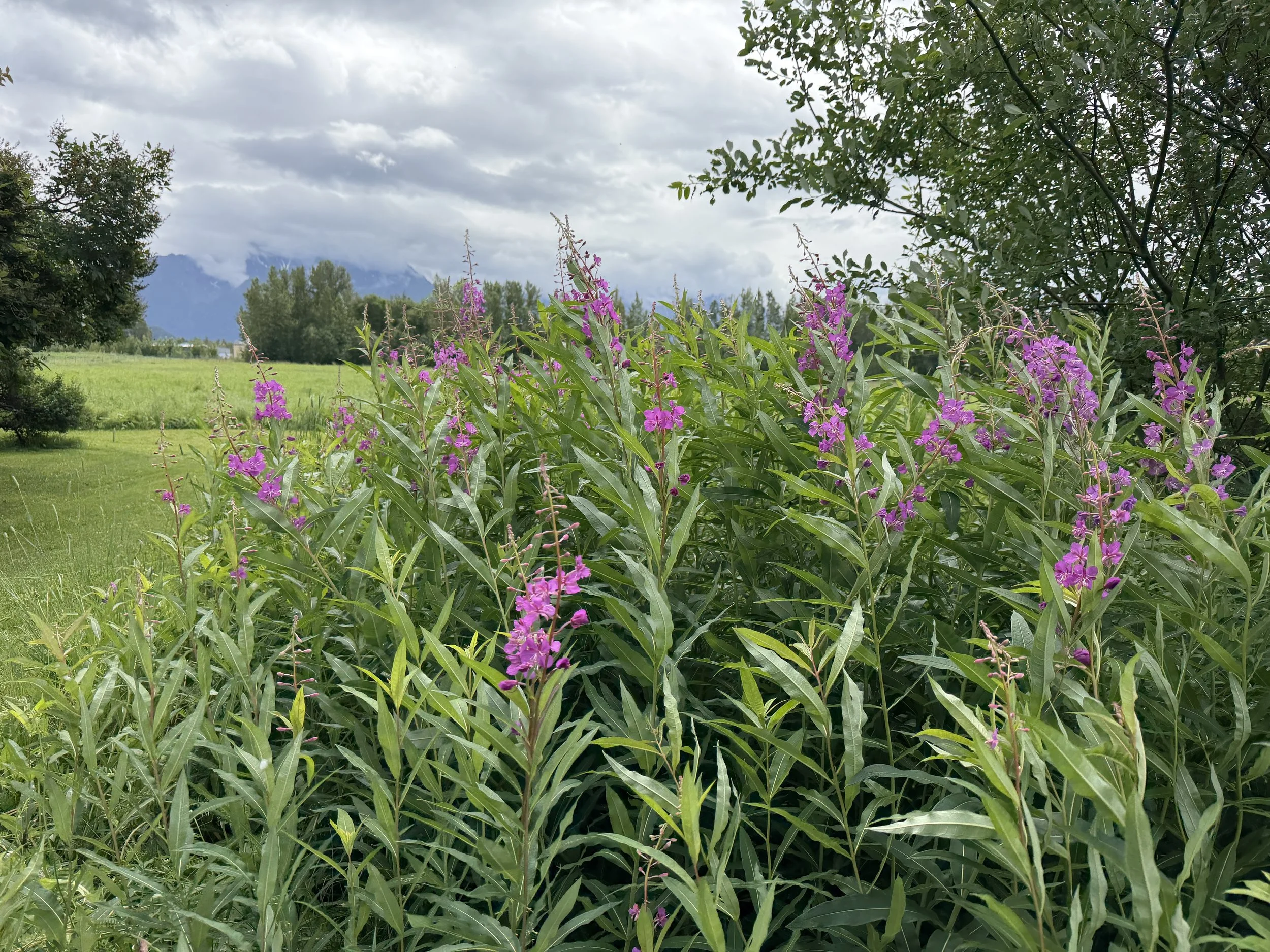
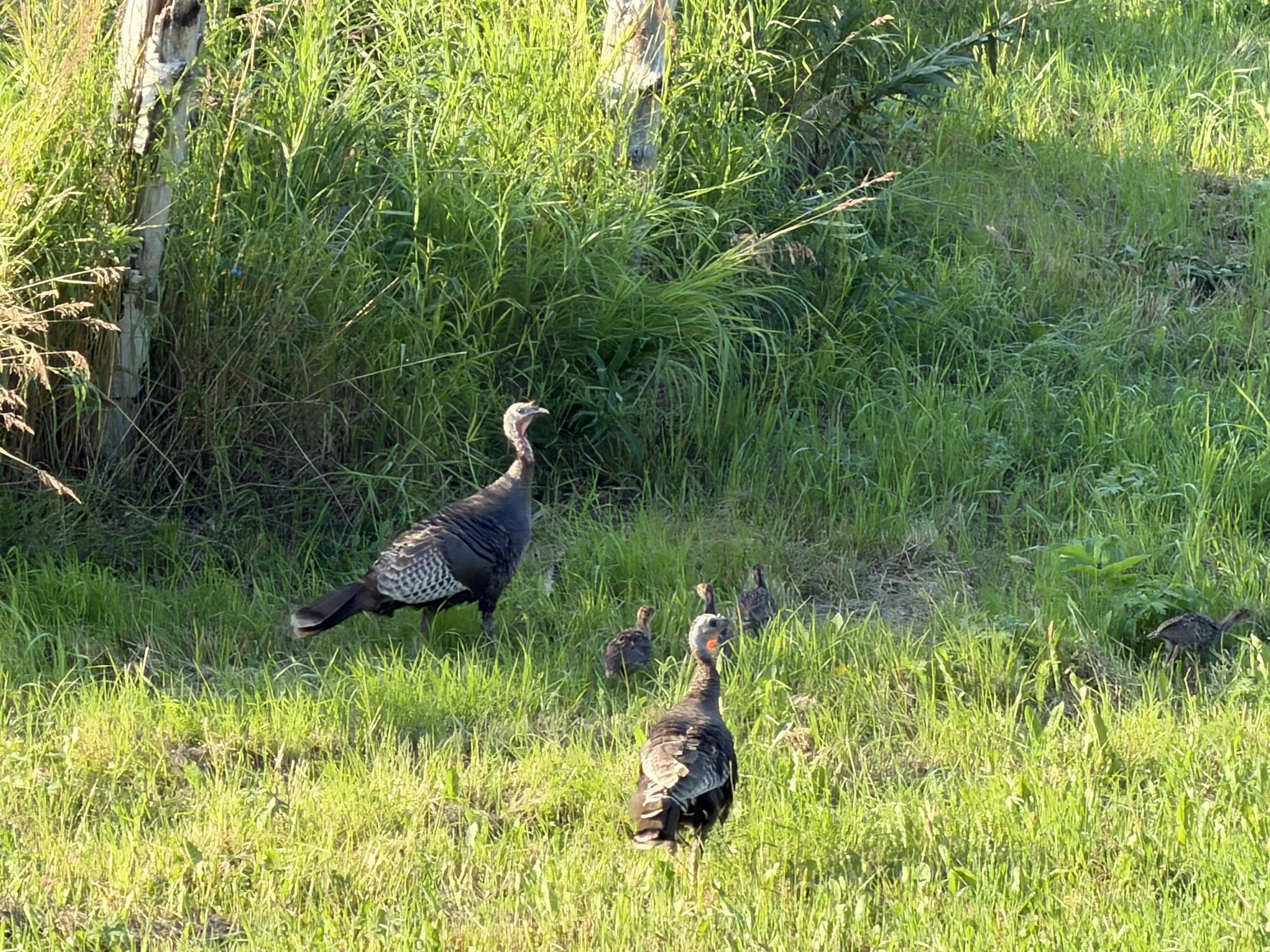
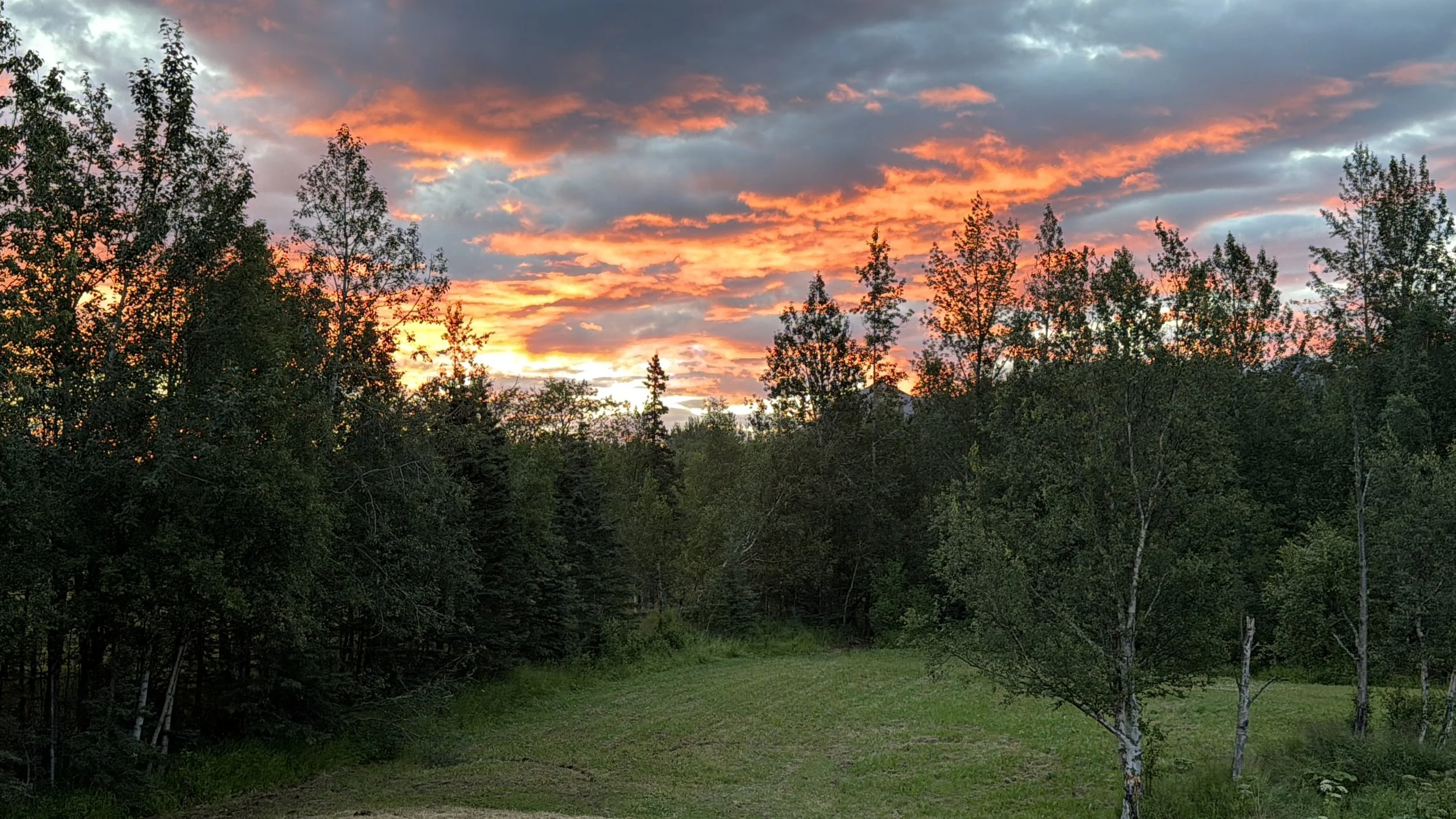
In addition to playtime with the baby, and despite a cooler and wetter-than-normal rainy pattern, we managed to fit in a couple of camping trips, boating excursions on our small skiff, and gatherings with friends. We also completed a few farm chores and thoroughly enjoyed Alaska’s flora and fauna.
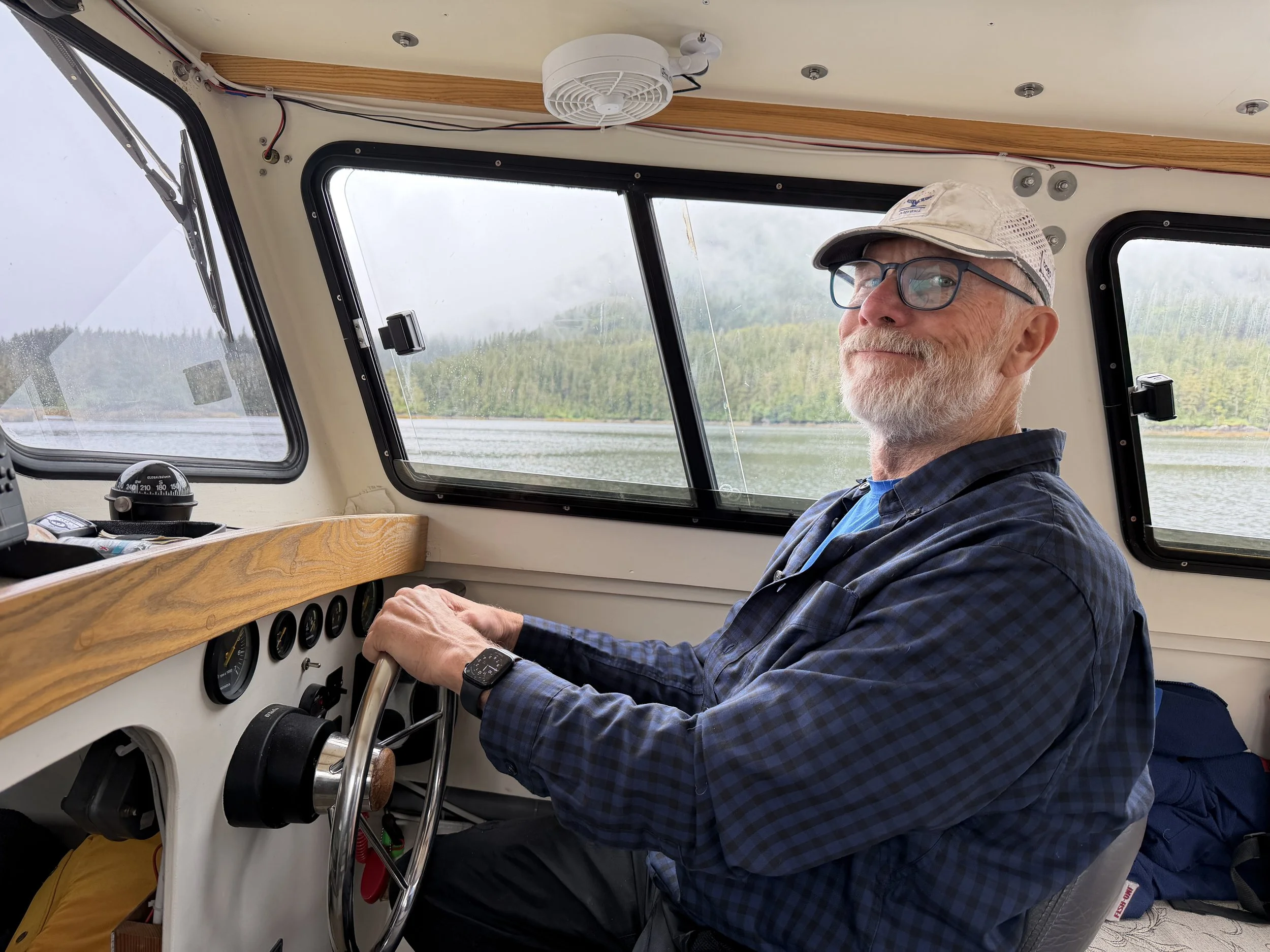
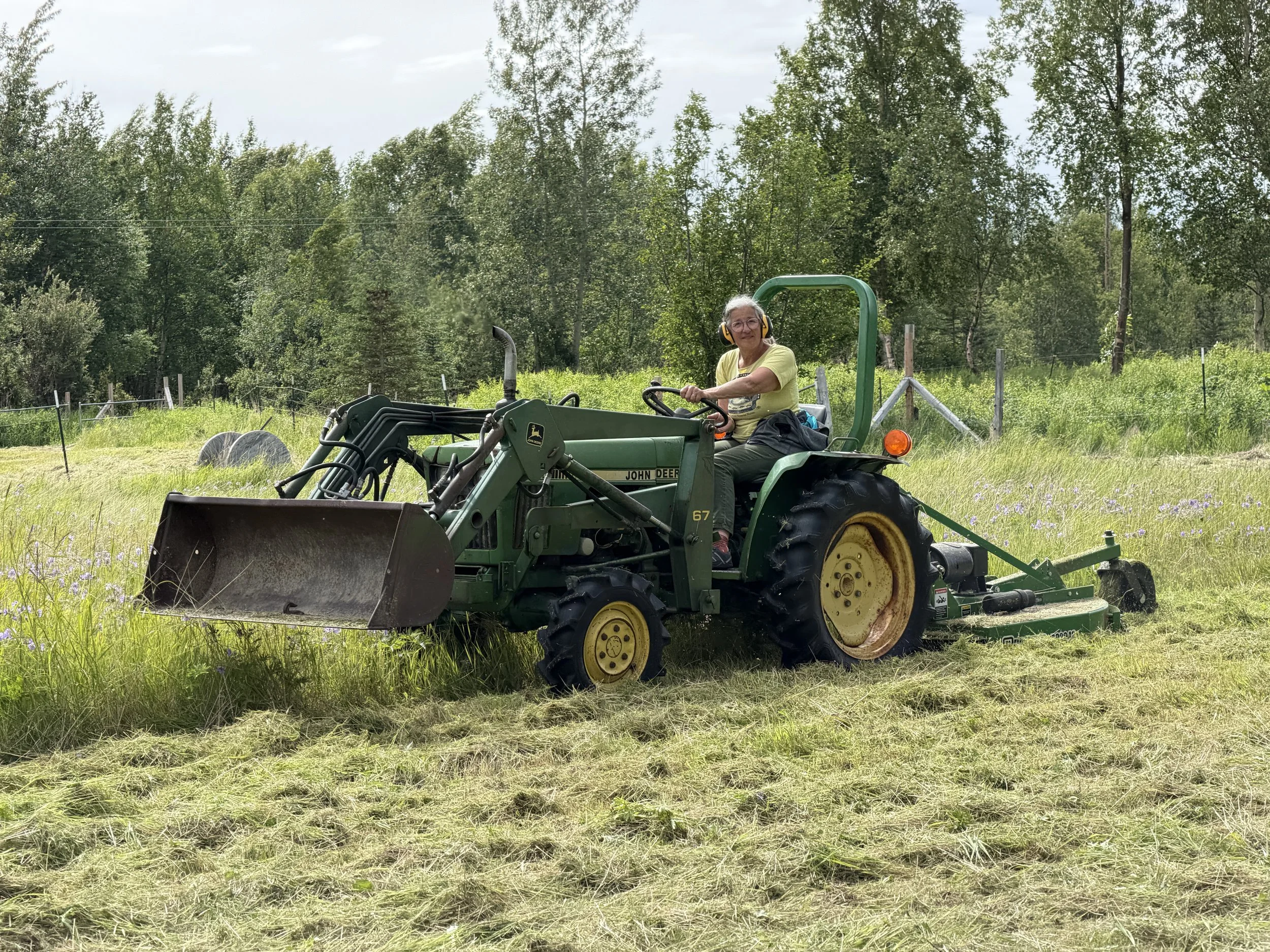
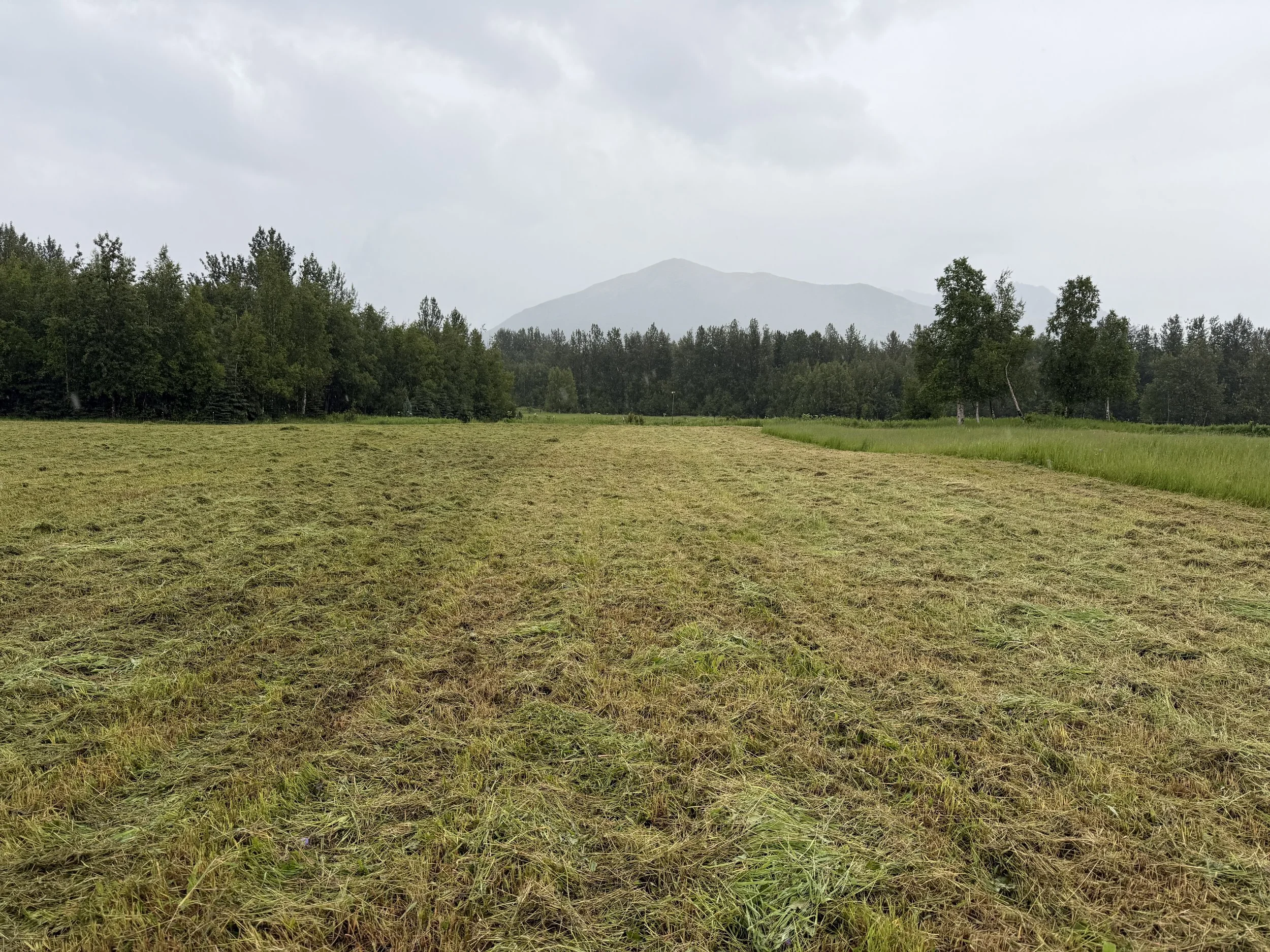
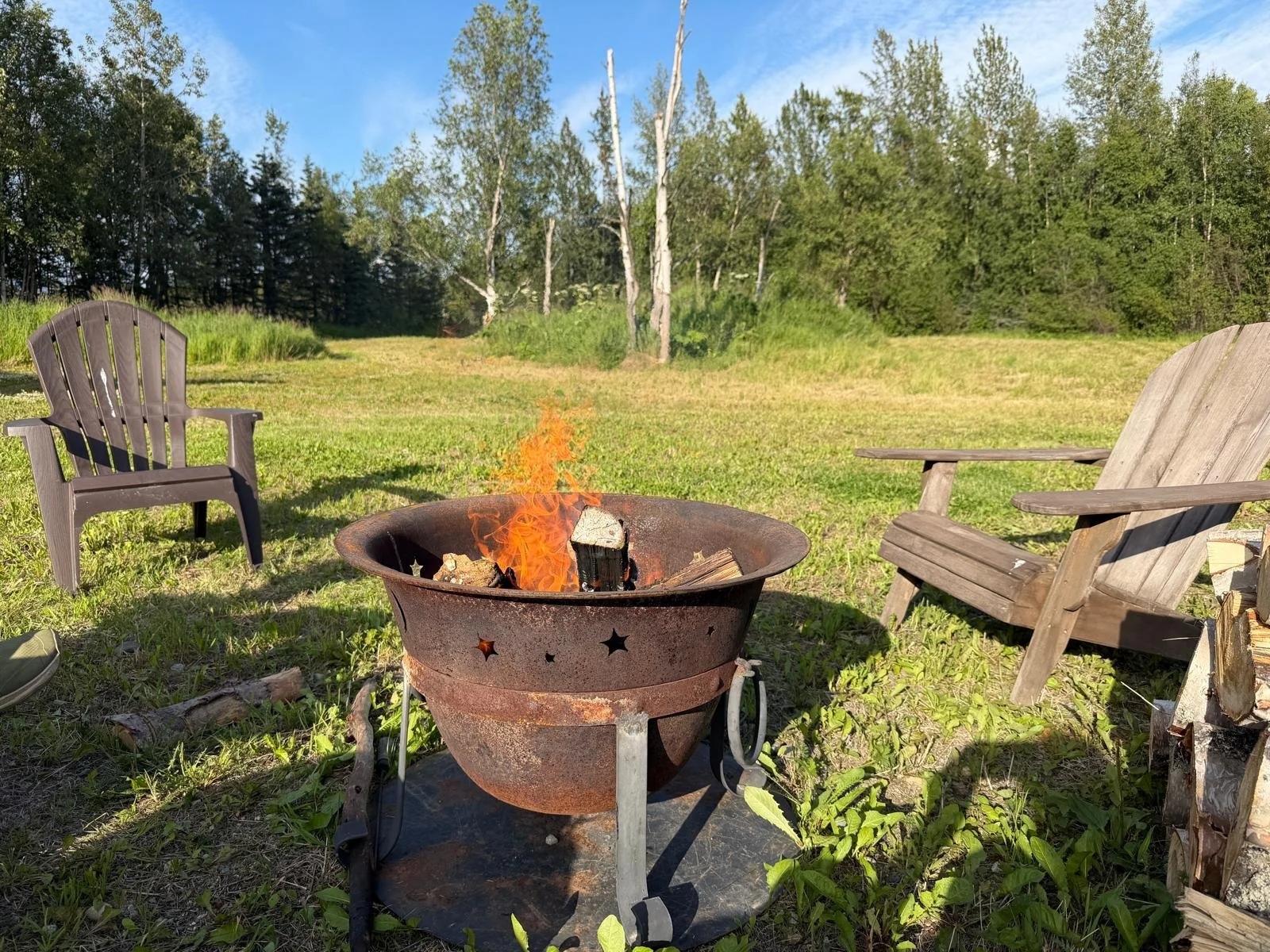
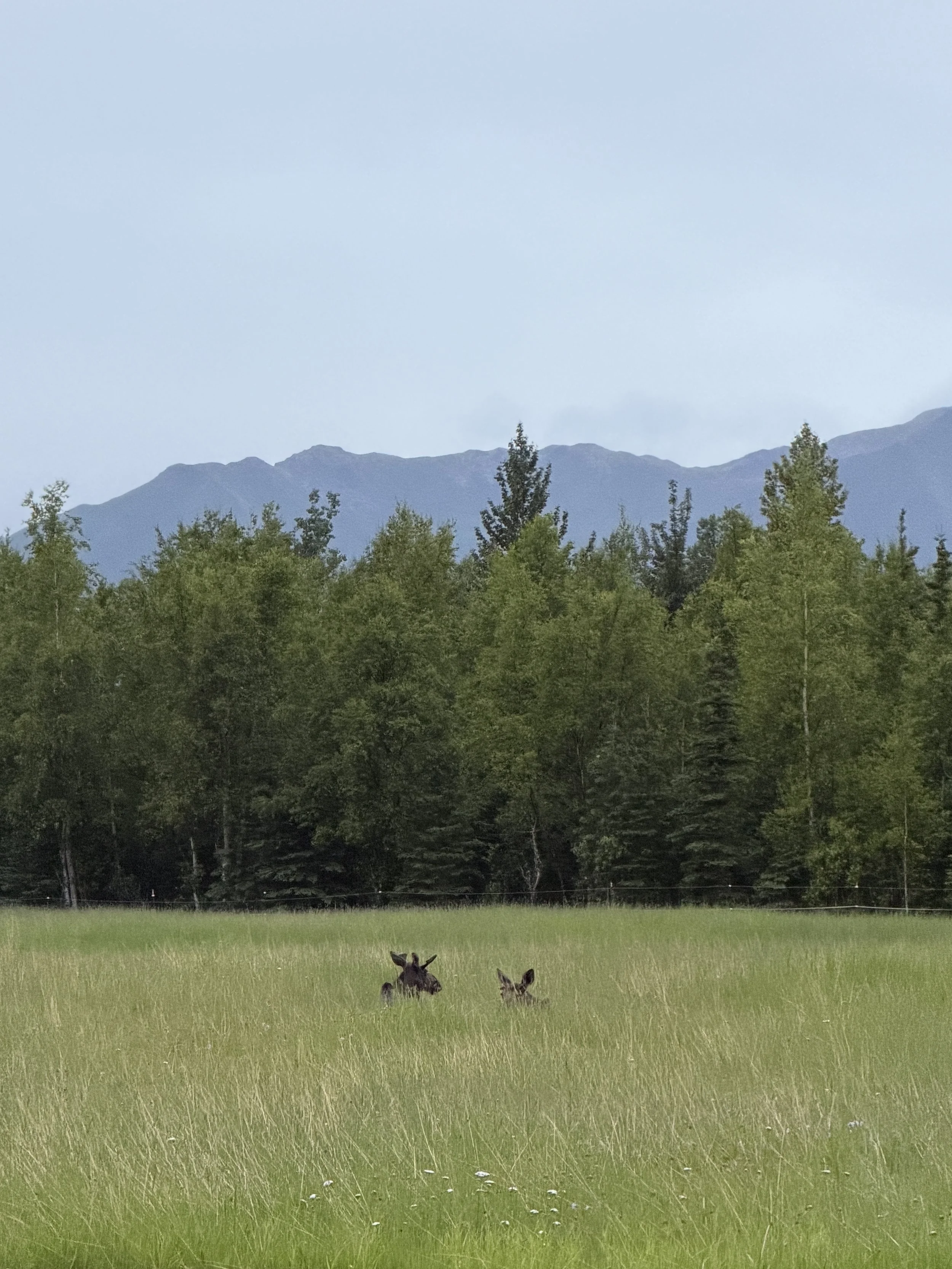

As we were packing for our return to Meraki our circumstances abruptly changed. Family needed help and I wanted to remain home to pitch in where I could. I extended my stay in Alaska and Tom returned to Meraki in Liverpool where we’d just learned the lock had finally been repaired (it took two months!). We scrambled to find a crew member at the last minute to accompany Tom to Scotland where we had intended to leave the boat over the summer.
Wai Chan (co-owner of N41 Tardis along with his wife Sui-Fong Perry Mak) graciously agreed to alter his Fall plans and help us out. Together he and Tom would bring Meraki to Scotland where we would dry dock her for the winter.
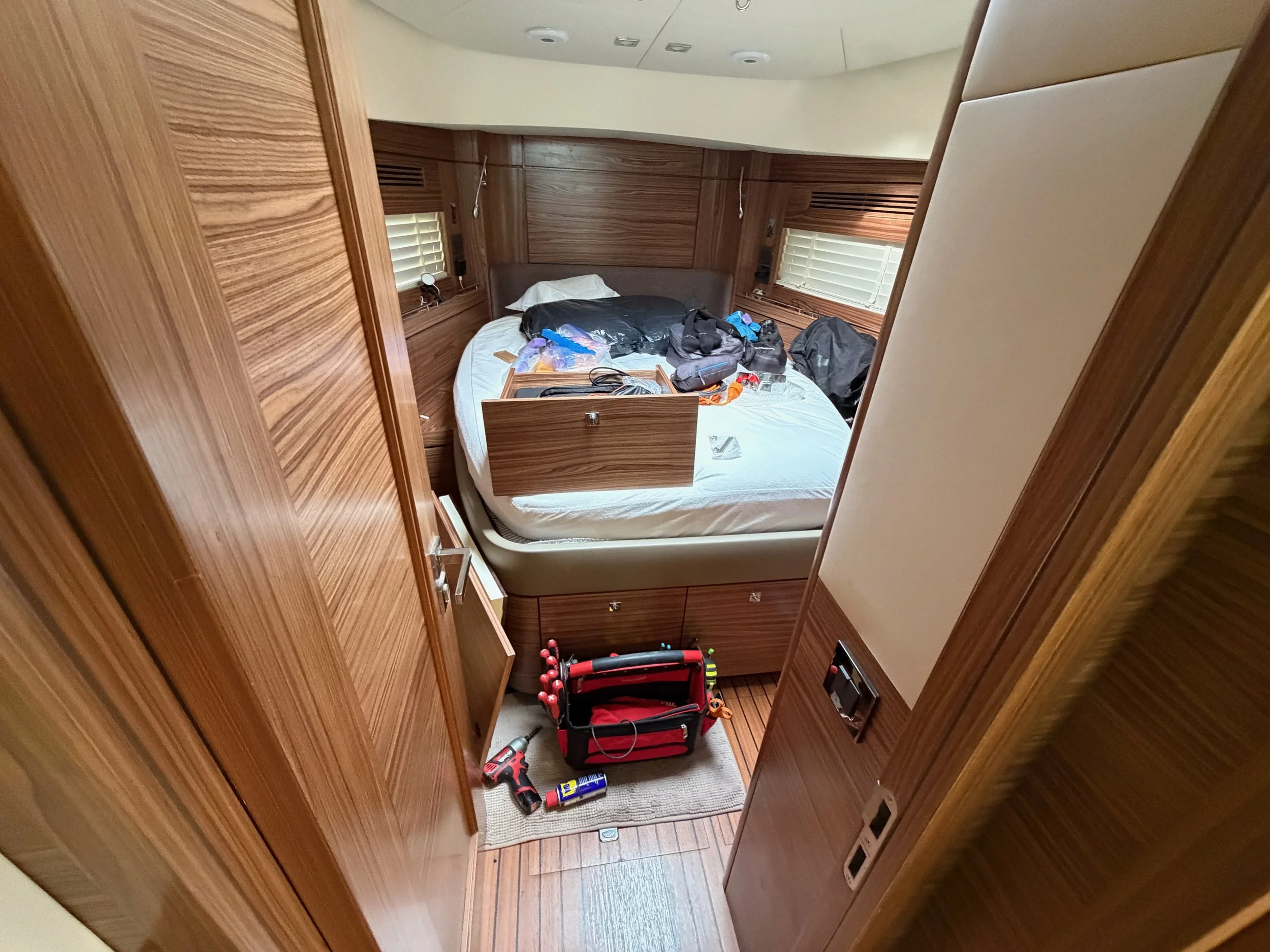
Tom made the trek to Meraki in Liverpool (a car ride, three flights, a hotel and an Uber spread over 36 hours) and had almost a week to sort the boat out before Wai arrived. During that time the boat was cleaned, organized, provisioned, a replacement night vision camera was installed, and planning began for the transit to Scotland.
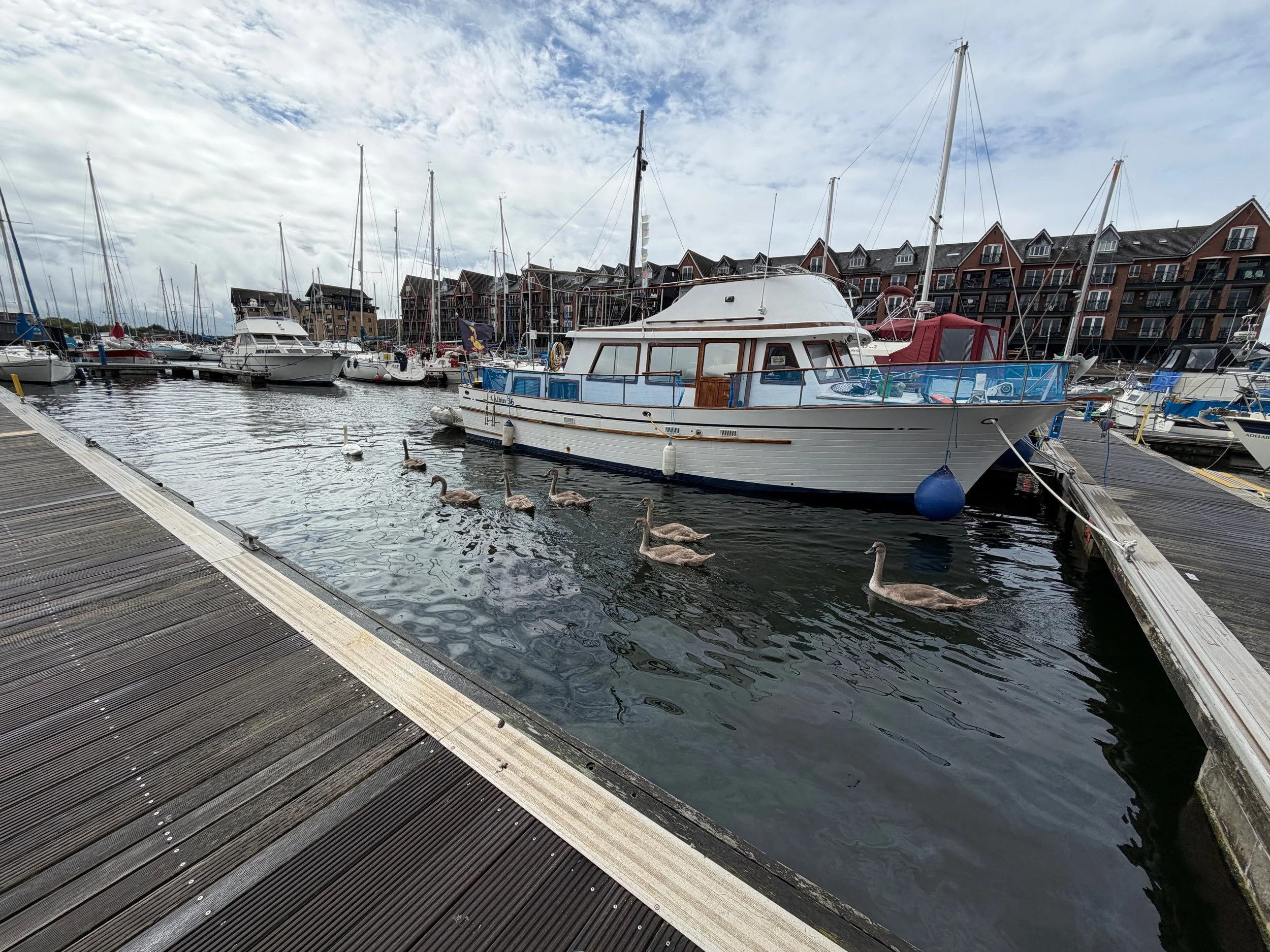
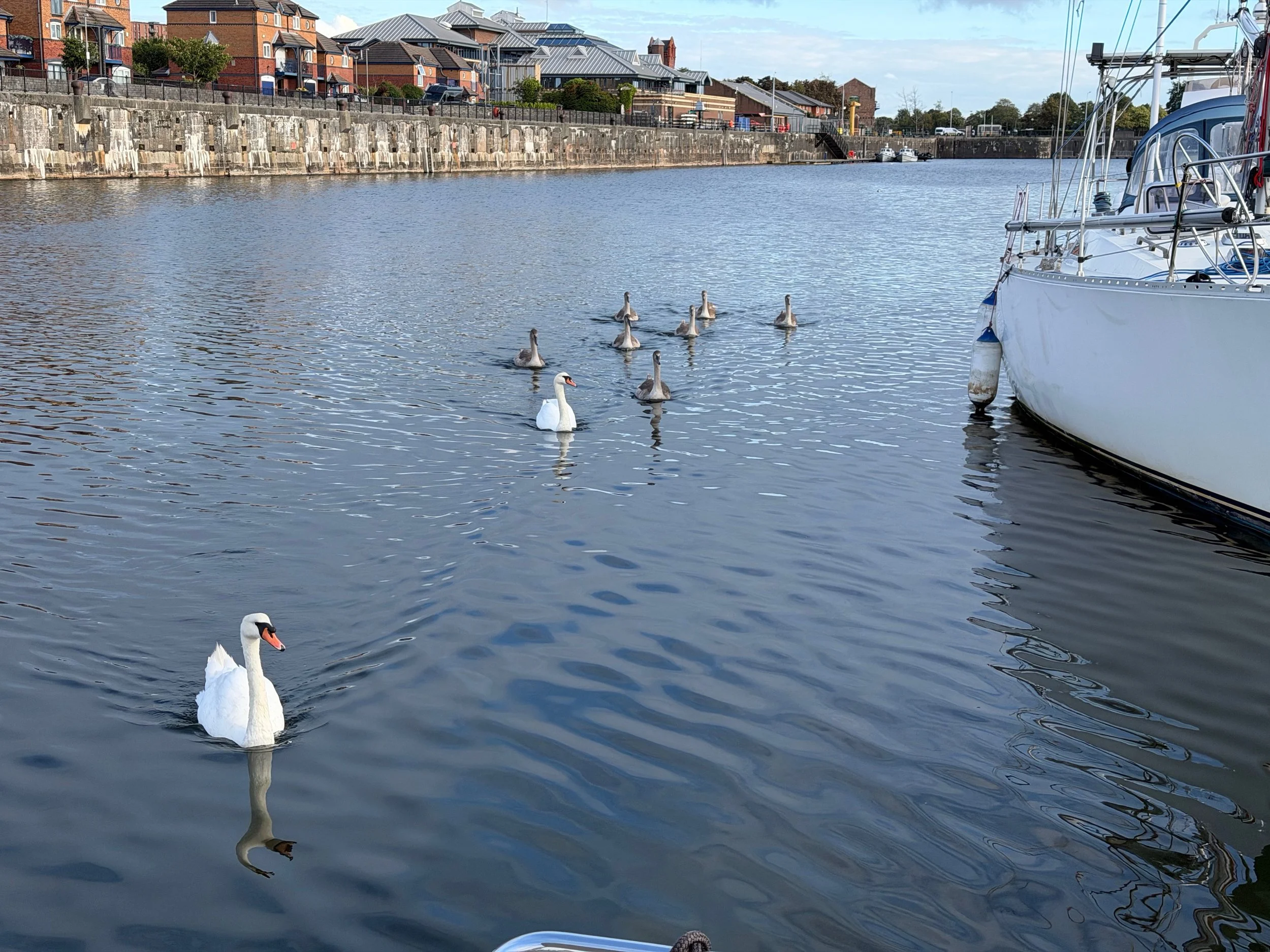
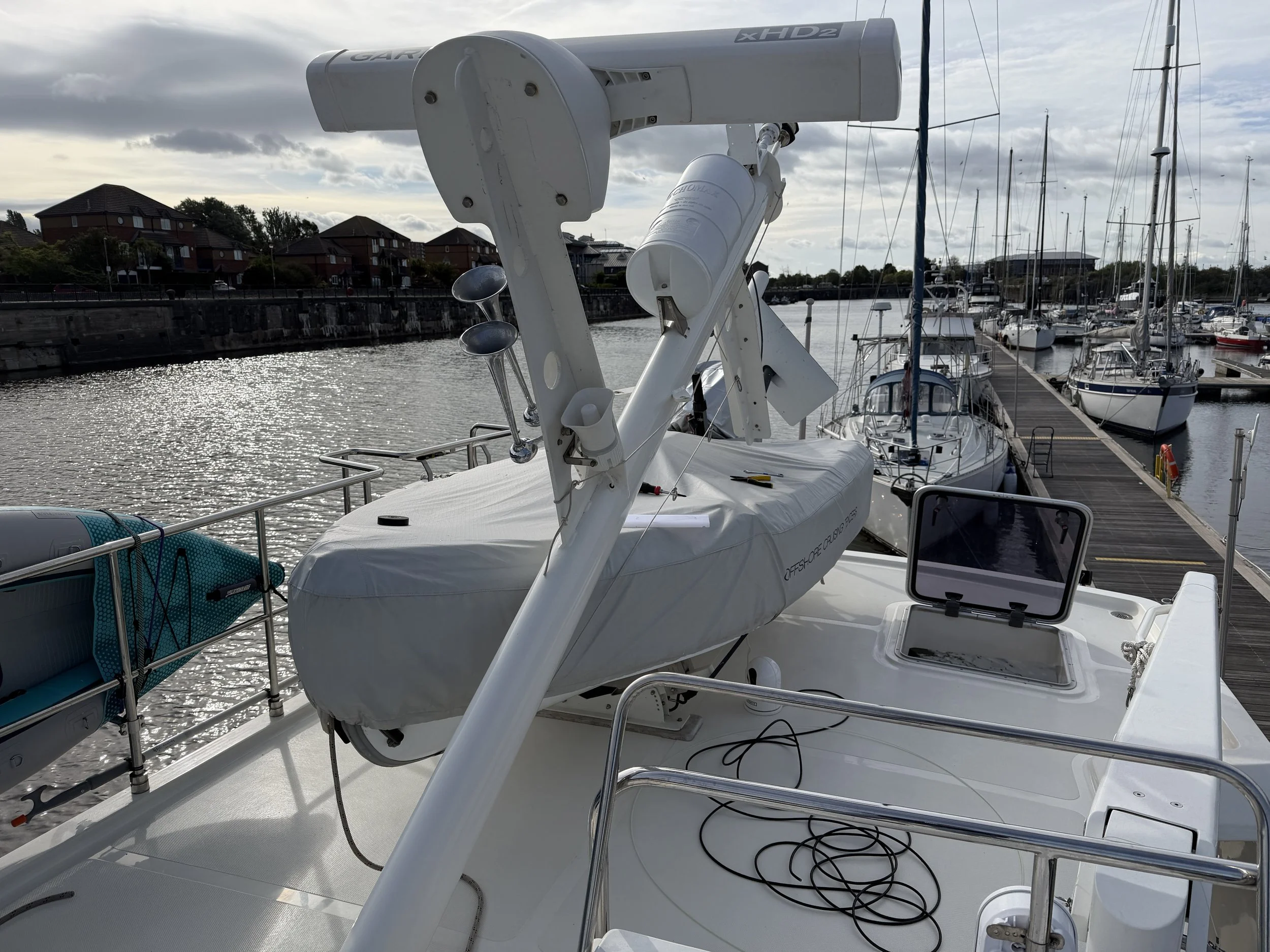
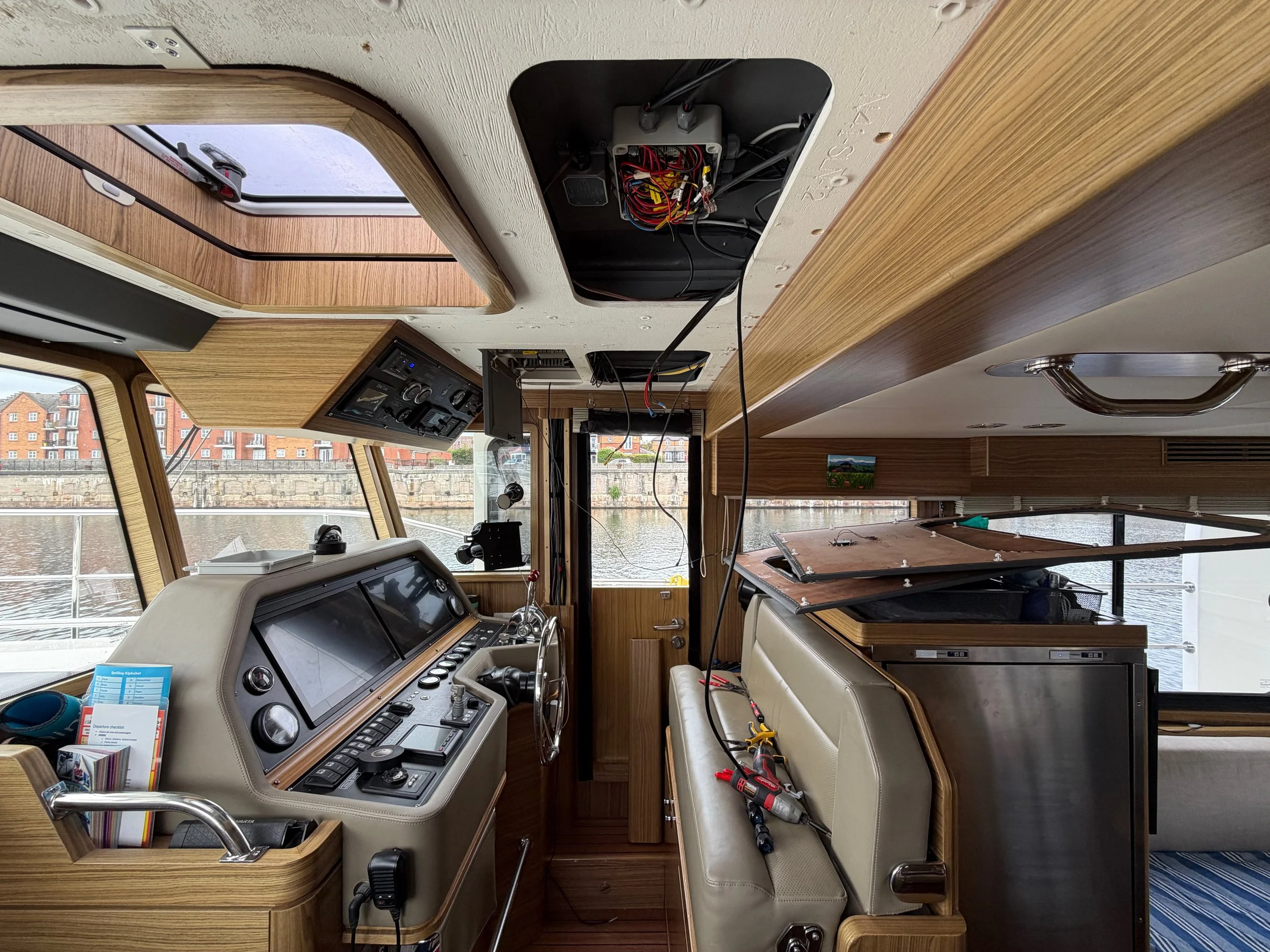
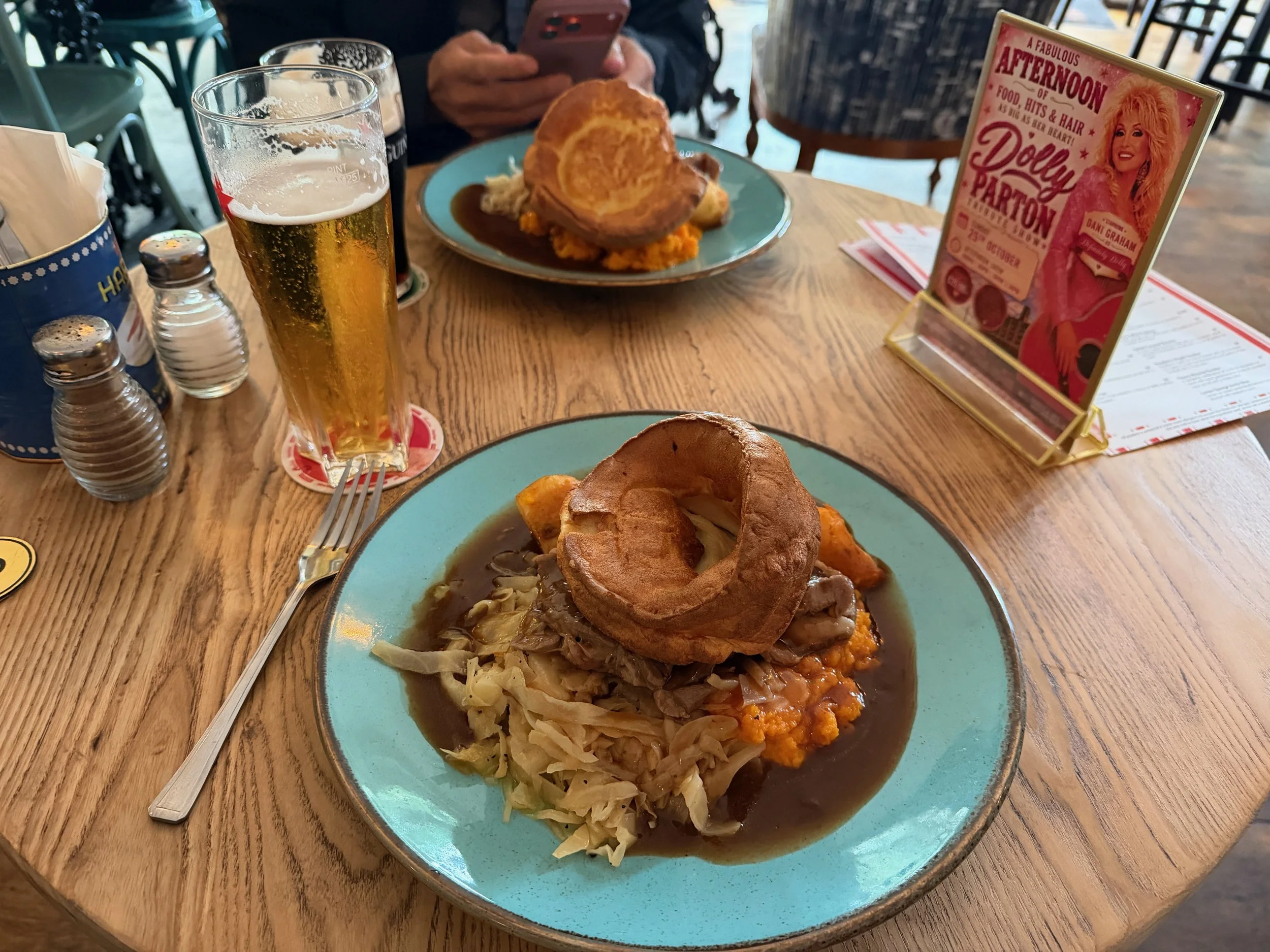
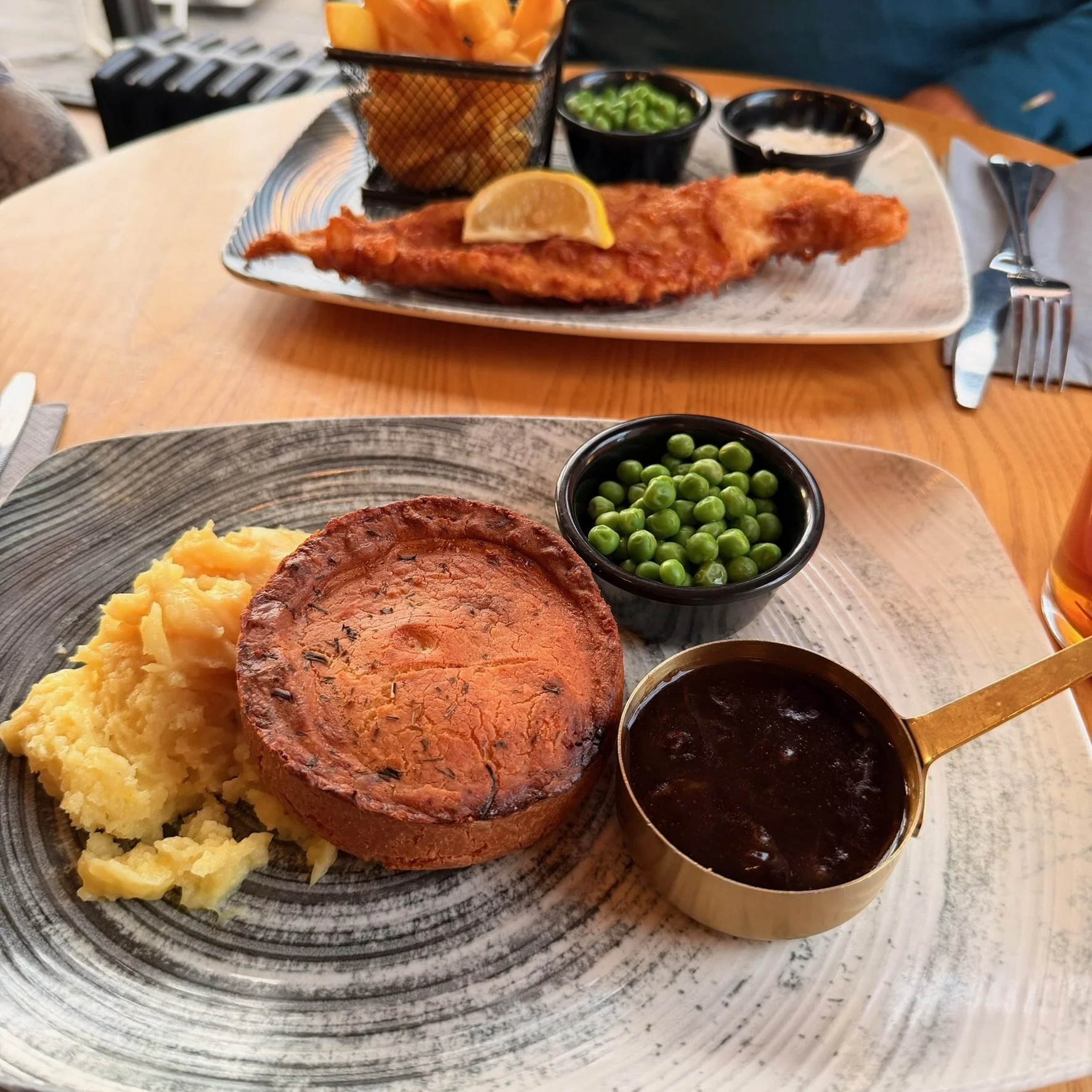
Tom had the boat ready and a departure plan by the time Wai arrived. After dinner at the pub and a good nights rest they slipped the lines and made their way to Conwy Wales, the same stop we had made on the way to Liverpool.
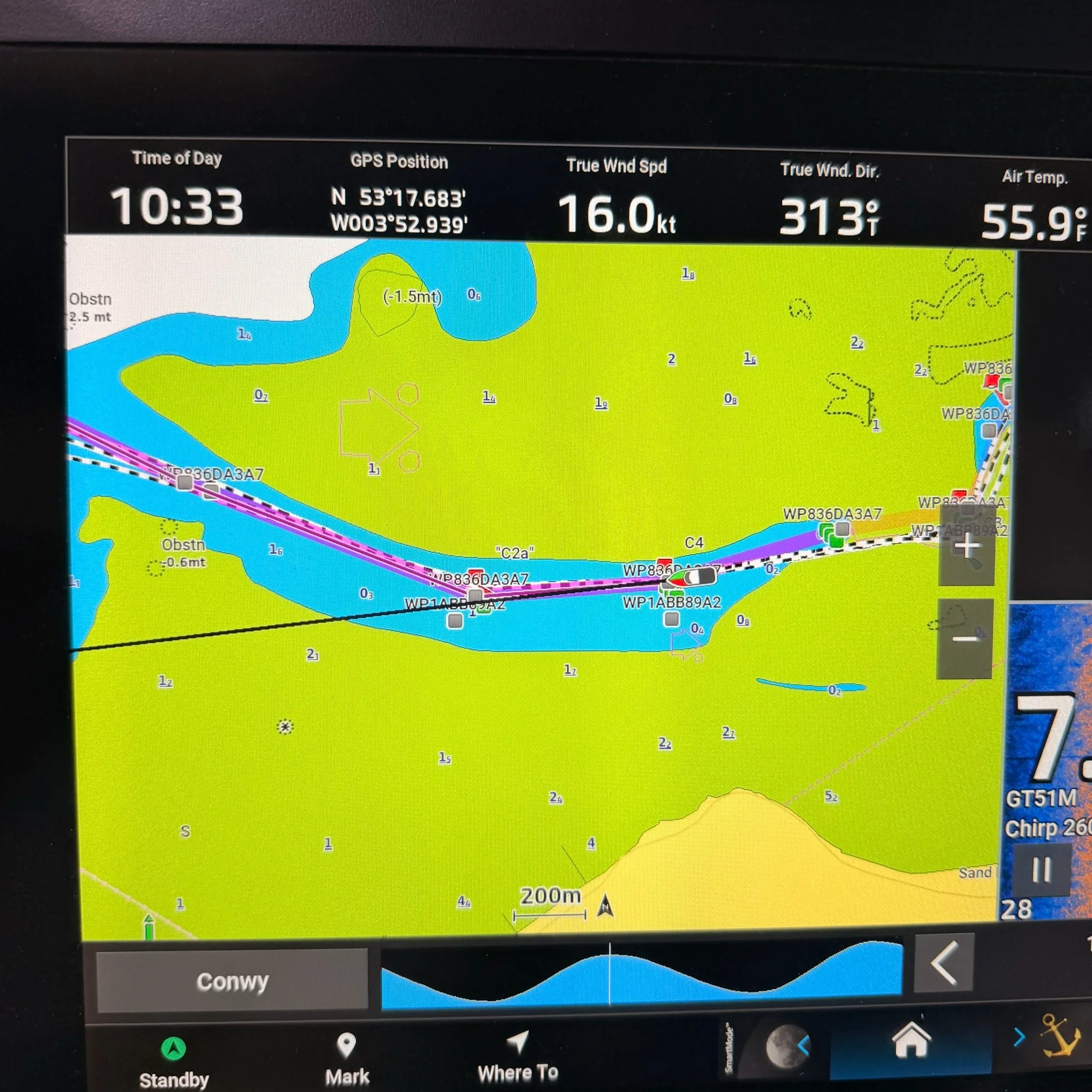
The trip was complicated by timing the tides since the lock which only opens two hours before and after high tide, and by the sill in Conwy which is only lowered 3 hours before and after the high tide. It was quite windy and a left over swell from the north made it a very slow, rough trip. After exiting the Liverpool lock and out the mouth of the River Mersey they were too early to head up into the River Conwy so they anchored in a bay just 6 miles from the mouth of the river. After a couple of hours of relaxing, they carried on into very rough, 1.5 meter seas and winds gusting into the 30’s. Upon entering the river the seas finally dropped and once in the marina the wind dropped as well. The nice gentle calm and a handy pub was a welcome relief.
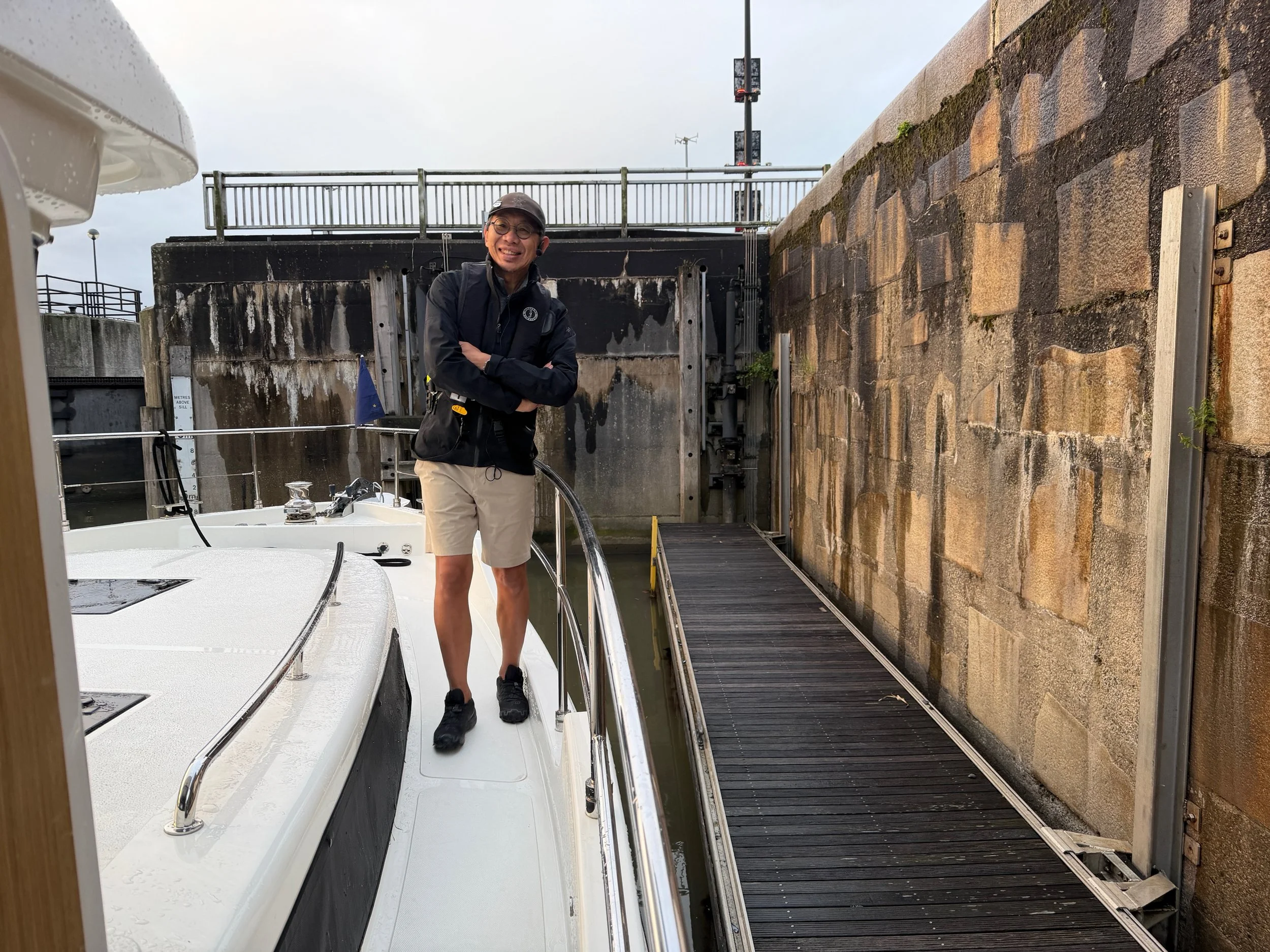
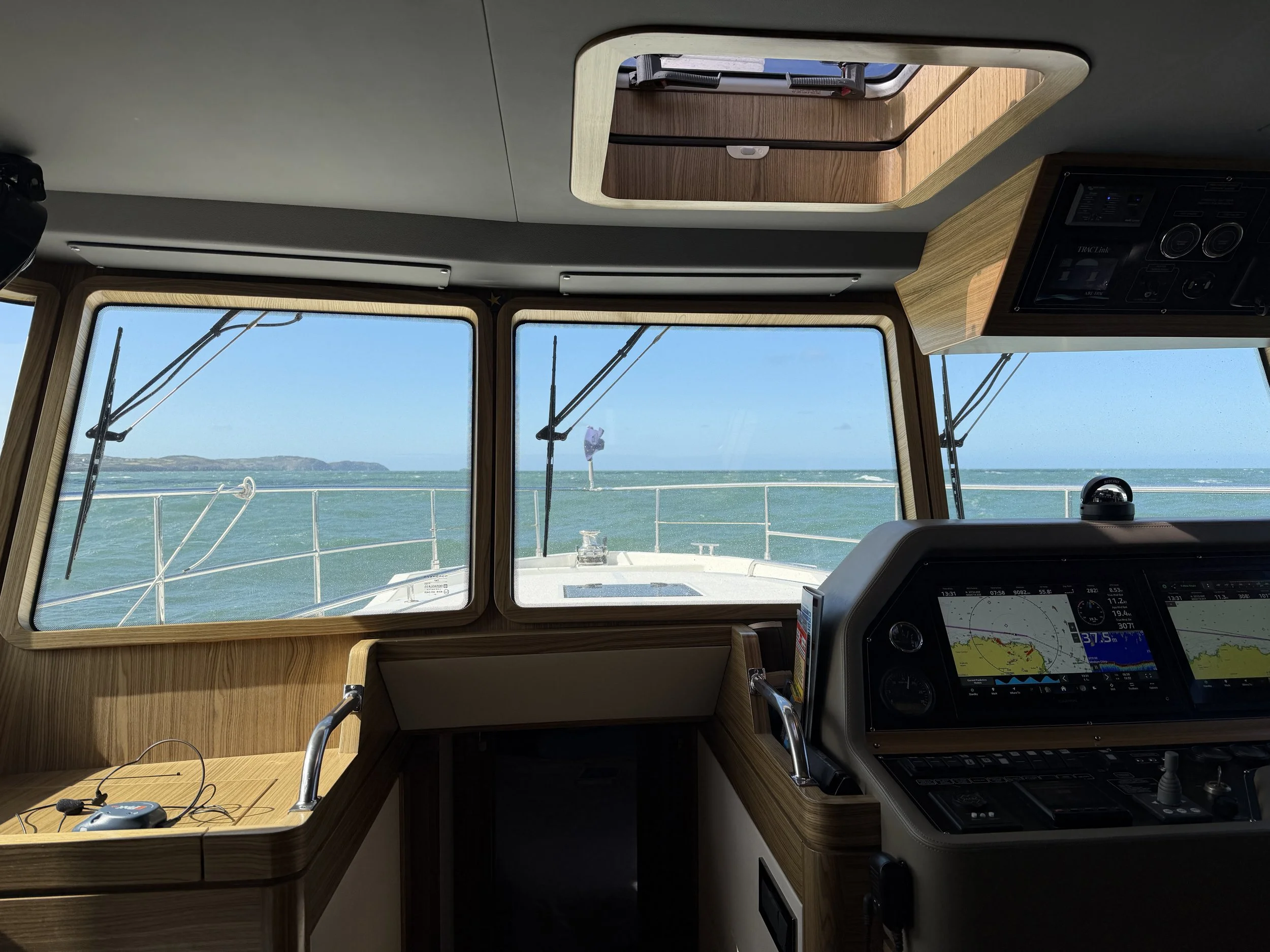
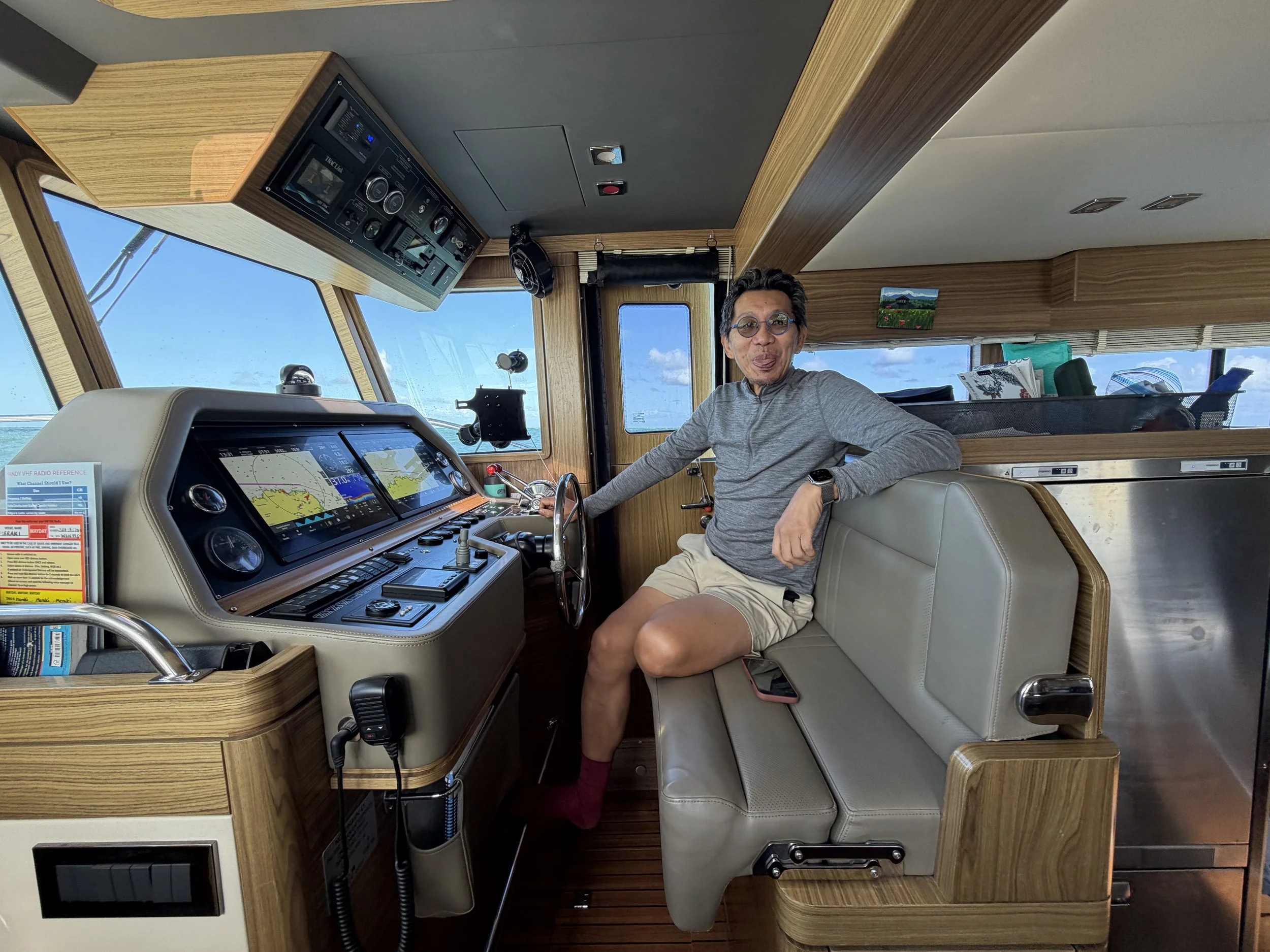
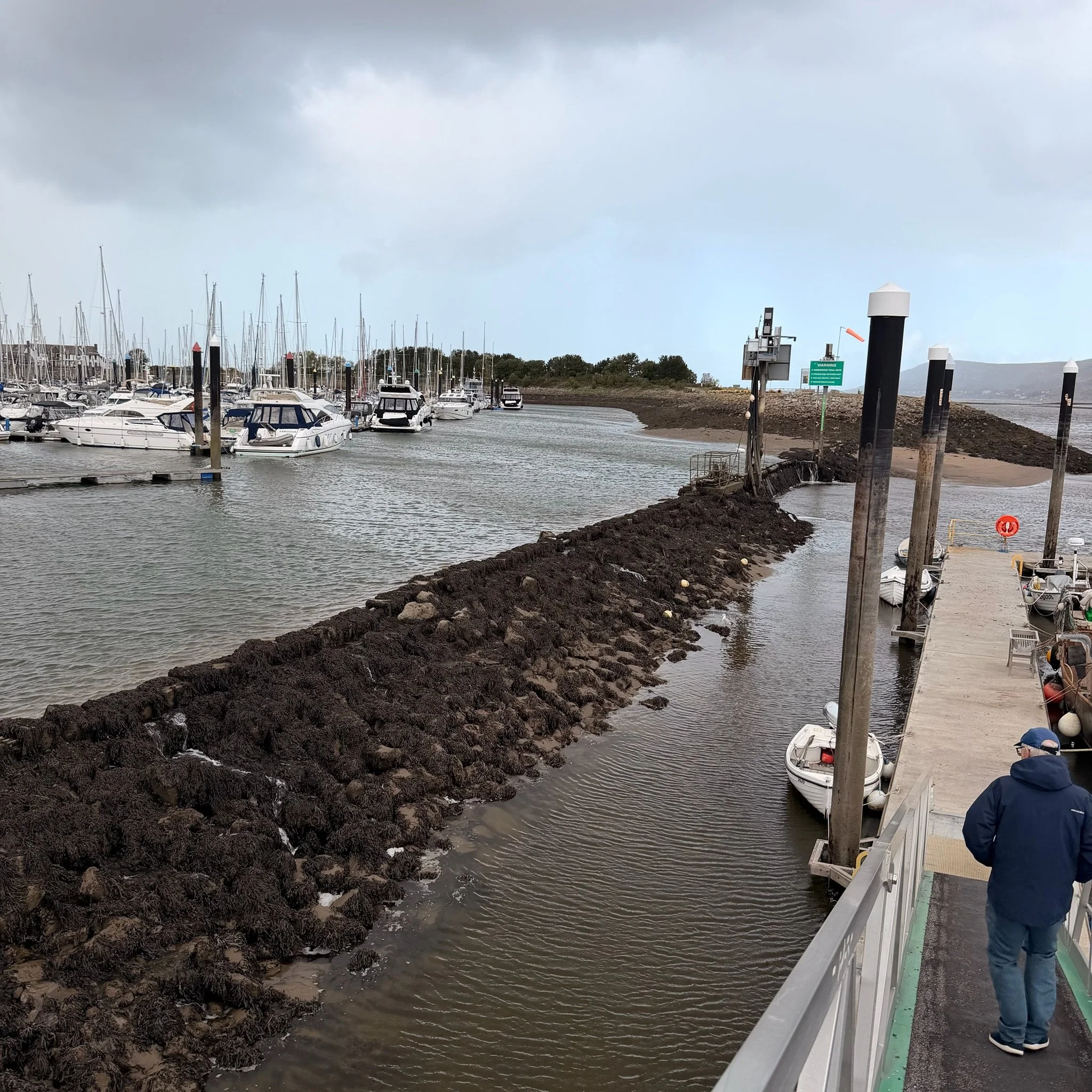
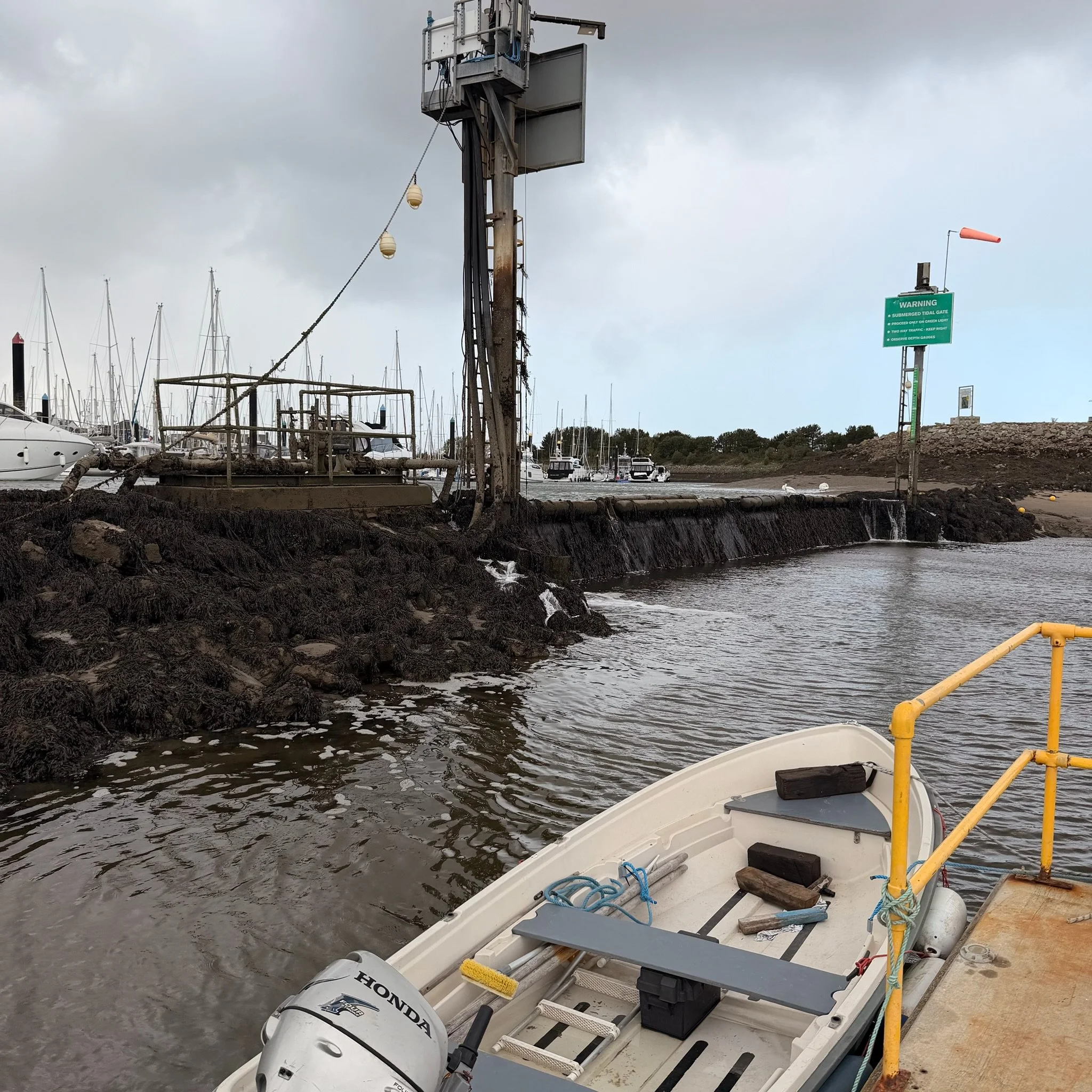
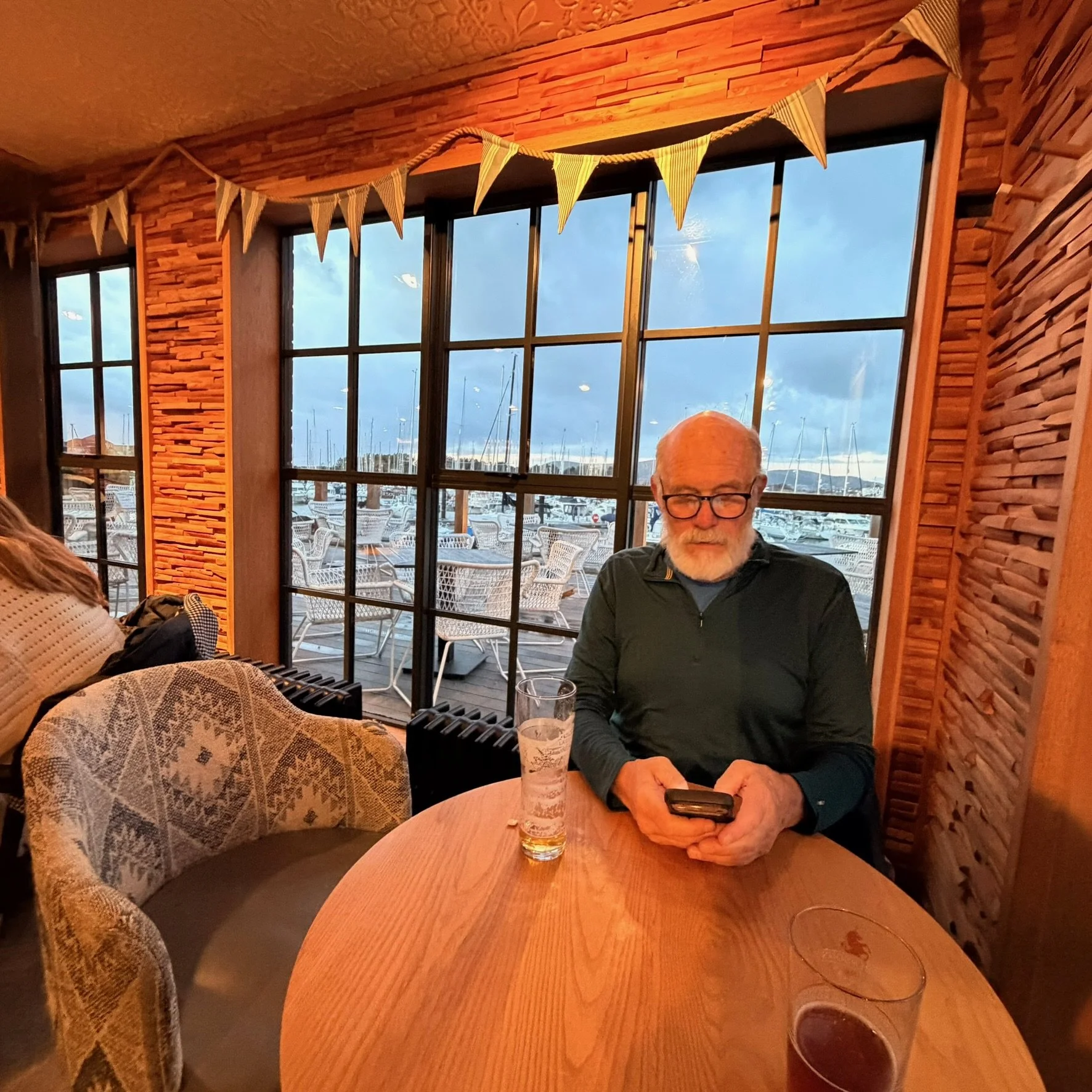
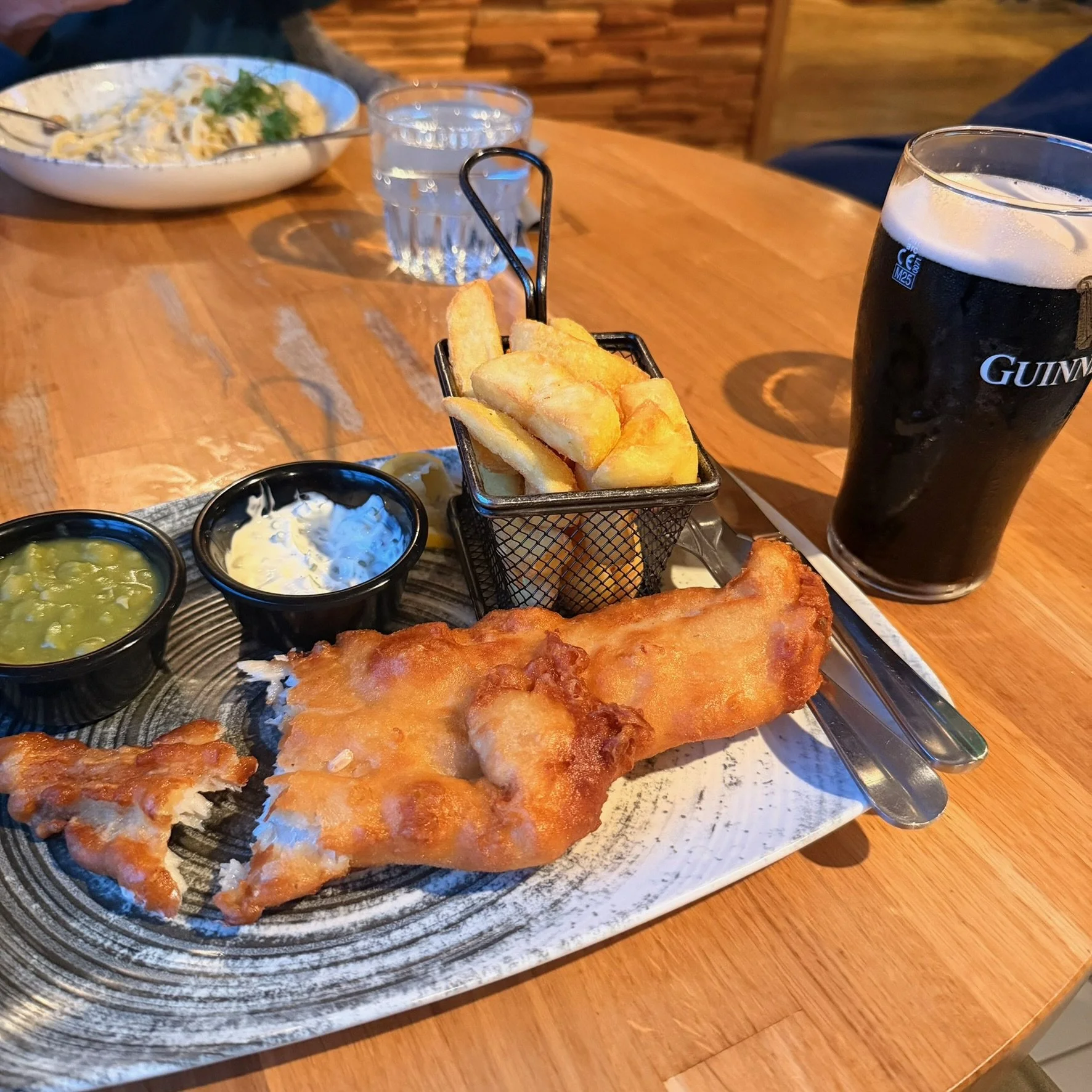
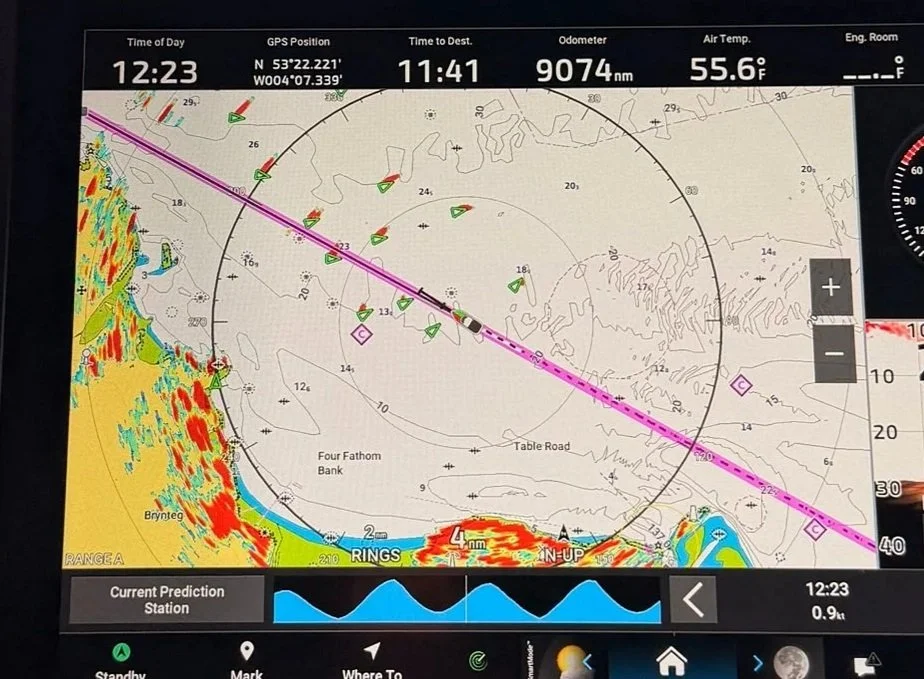
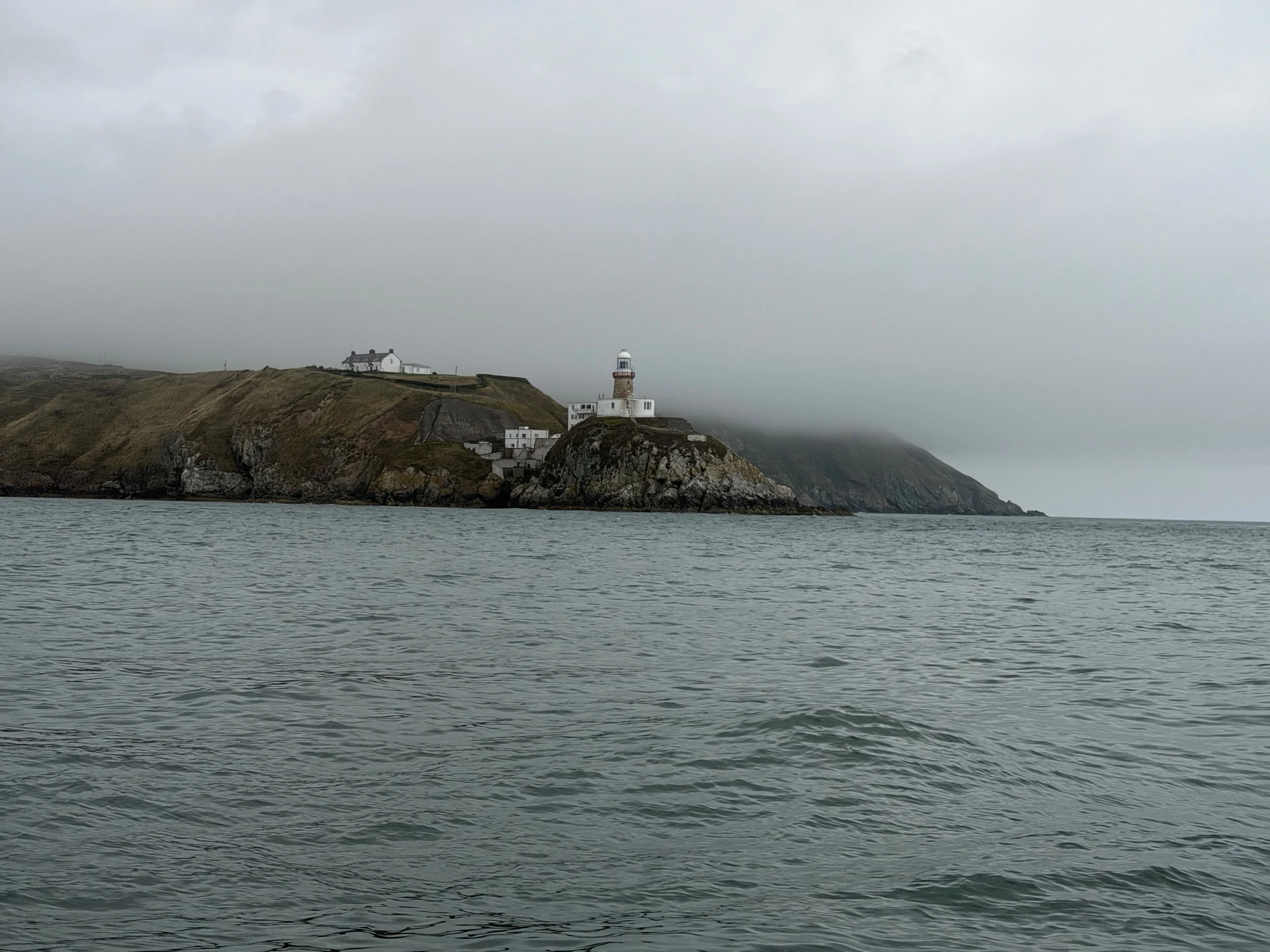
They spent two days in Conwy while a northerly gale blew through. Leaving the marina as soon as the sill was lowered, they sailed out past the Isle of Anglesey and on towards Ireland. They beat into a head sea as soon as they were out of the river and bucked through an intense tide rip - which greatly slowed their progress, but this had been anticipated as the plan was to muscle through some rough water at the beginning to get the benefit of some smooth sailing into the evening.
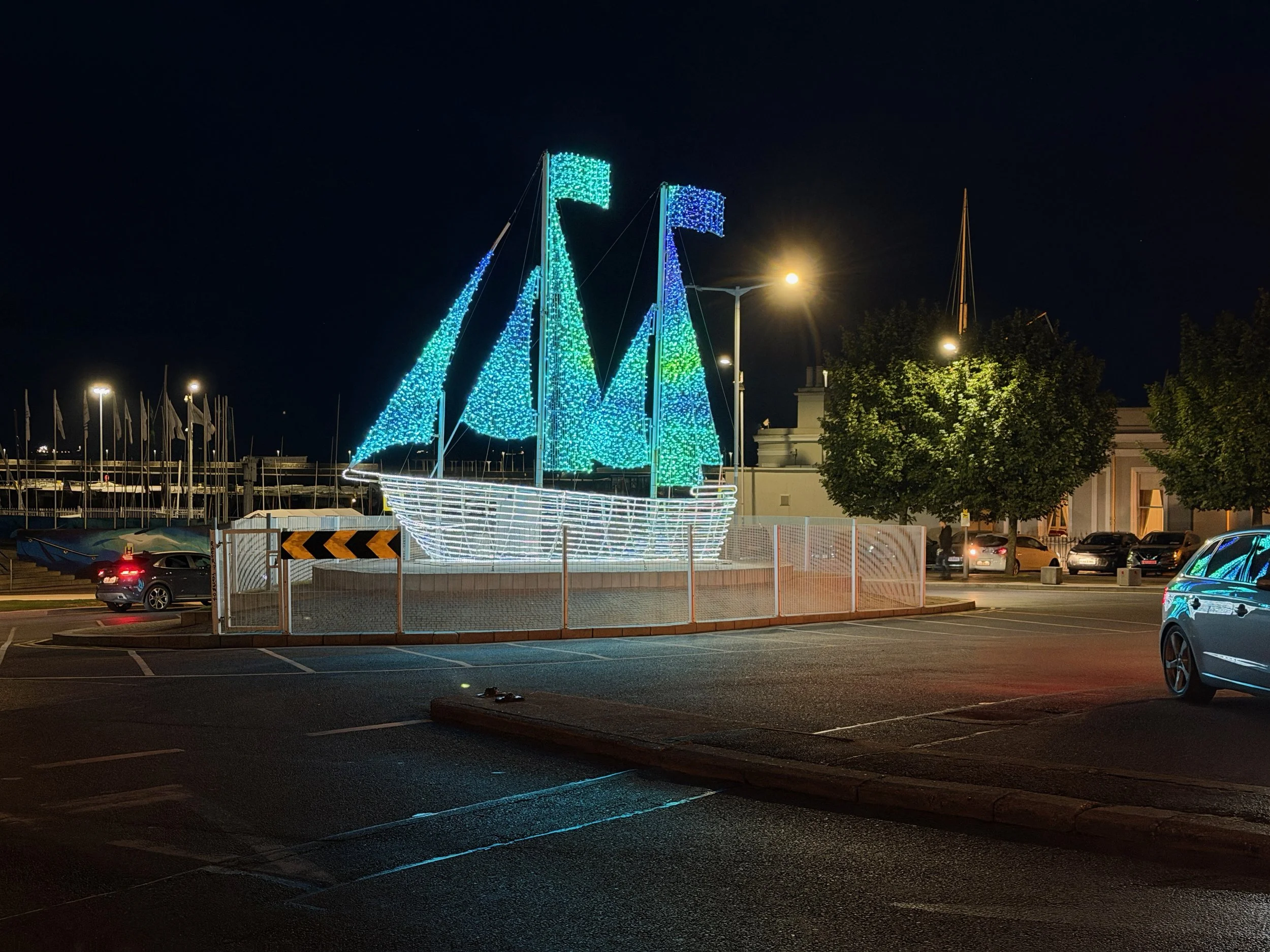
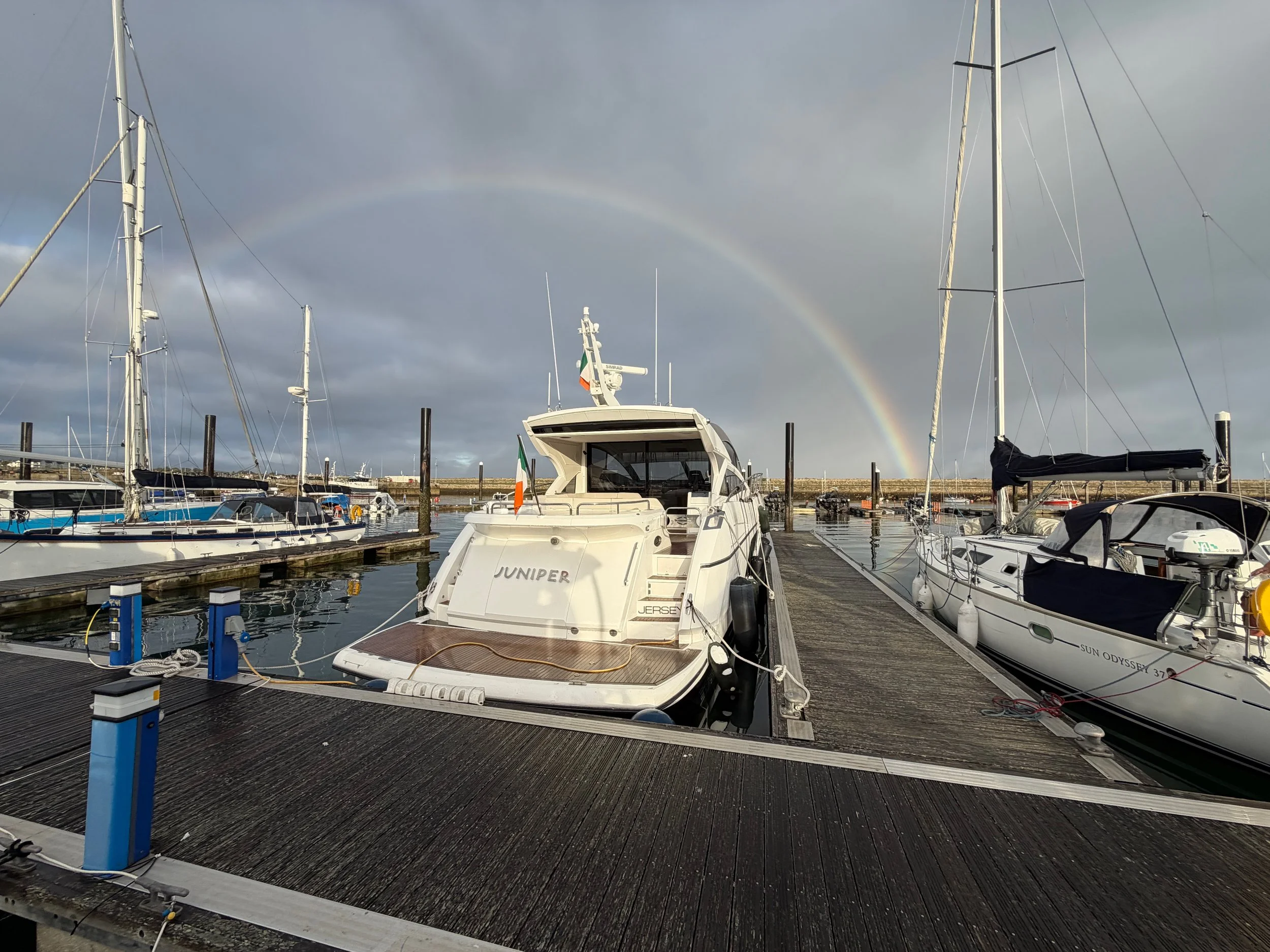
It took 15 hours before they arrived at Dún Laoghaire (pronounced “doon leery”). It was just after midnight when they approached the marina and despite our preference of arriving at a new place in the daylight, the tides, sills, and weather didn’t align for that. Fortunately the marina at Dún Laoghaire was well lit and it was an easy berth to slip into.
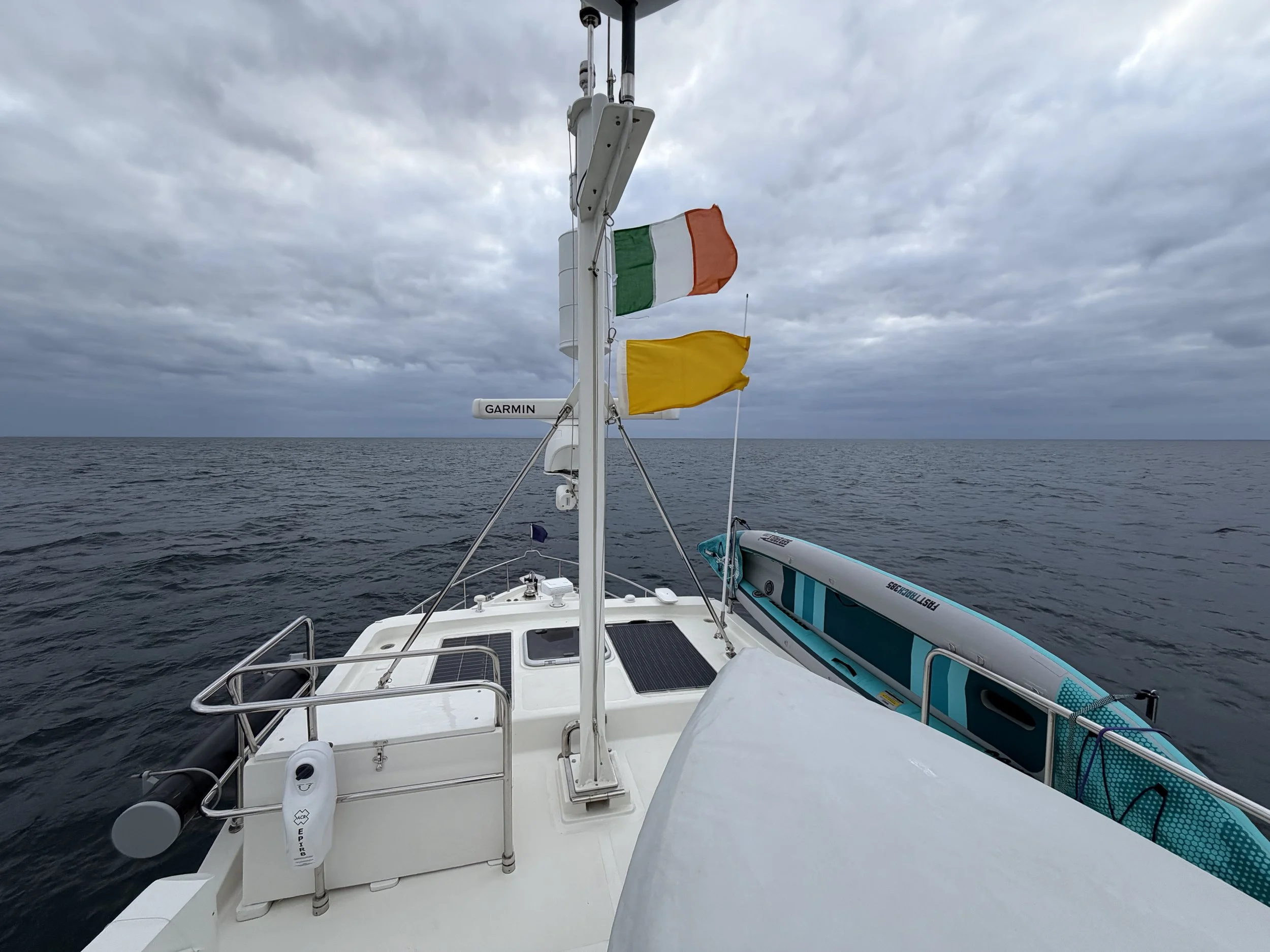
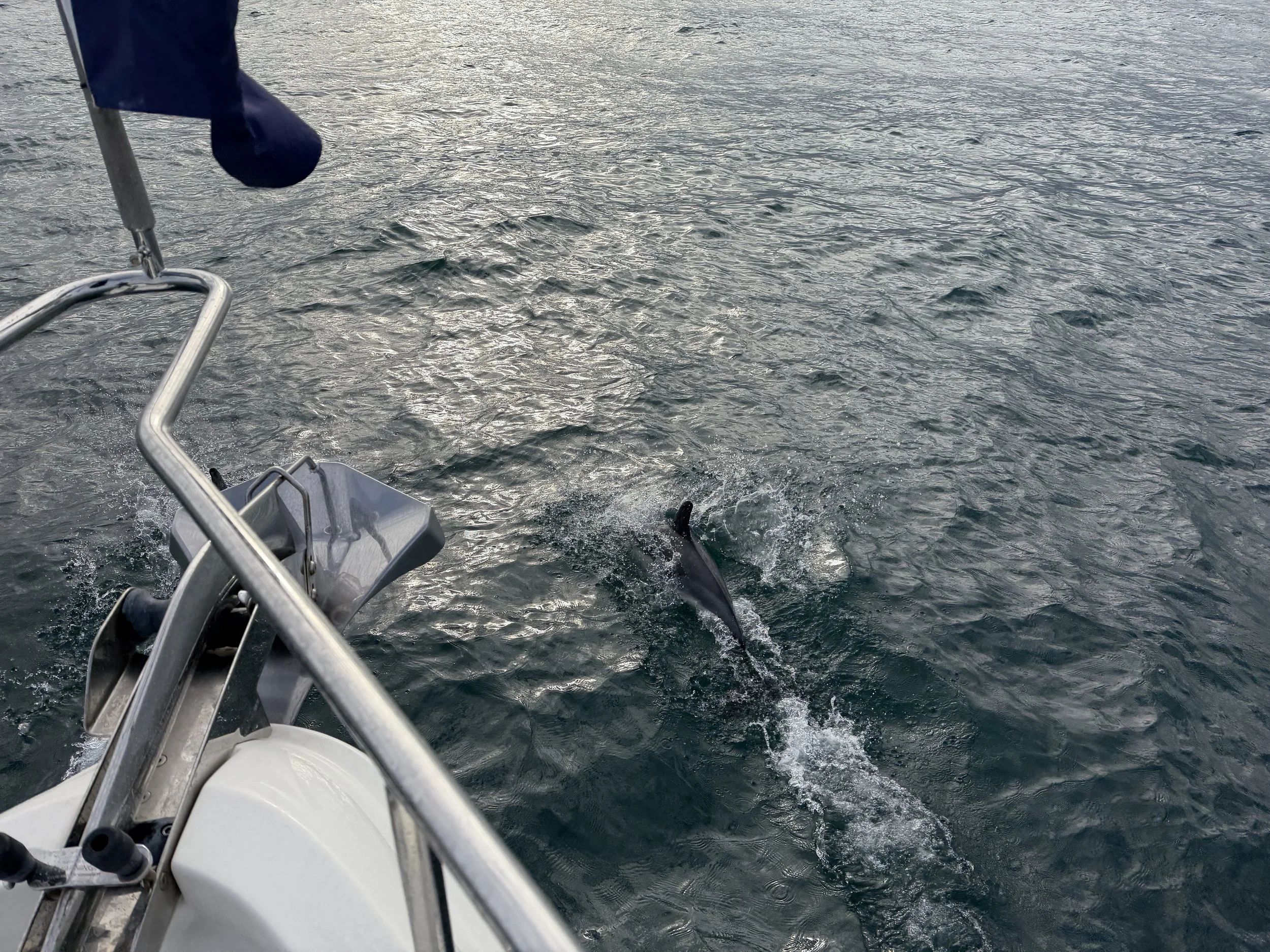
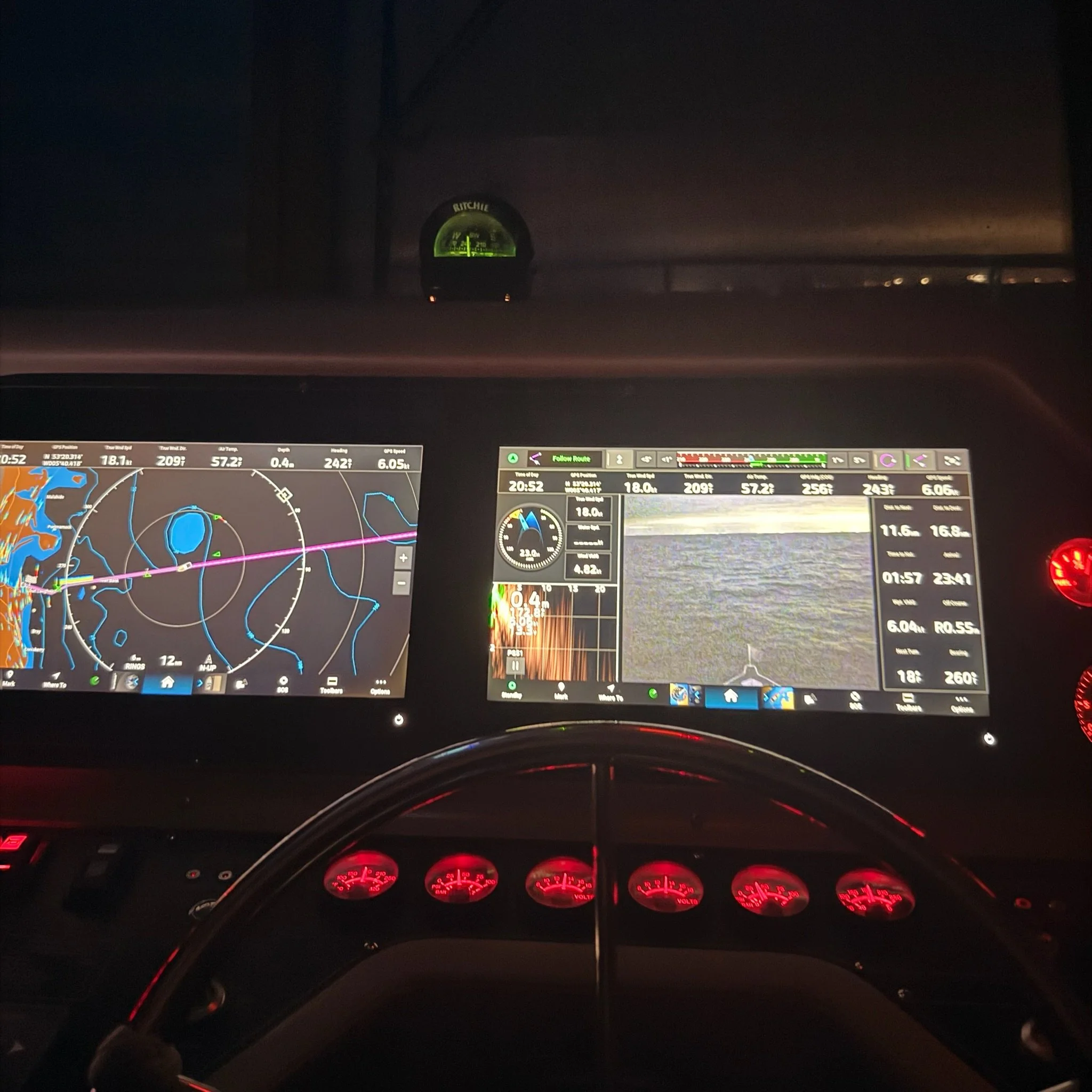
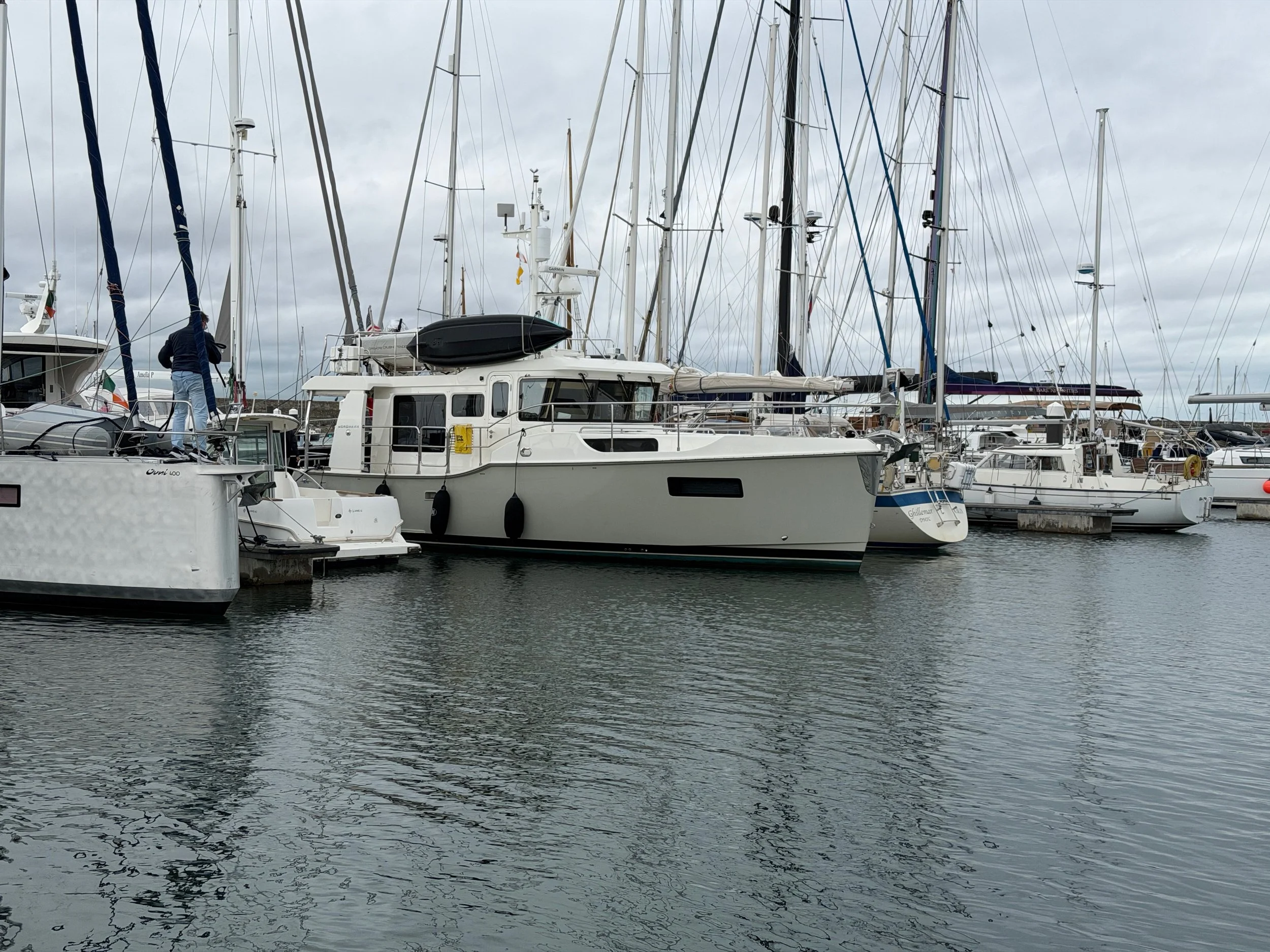
They got some sleep and the next day they cleaned the boat and rinsed off the salt. Eventually they were visited by two very polite Irish Immigration Police Officers. Once they were cleared into Ireland they took down the Q flag and wandered up to the marina office to sign in and buy power. And, of course, it was time to find a nearby pub for dinner!
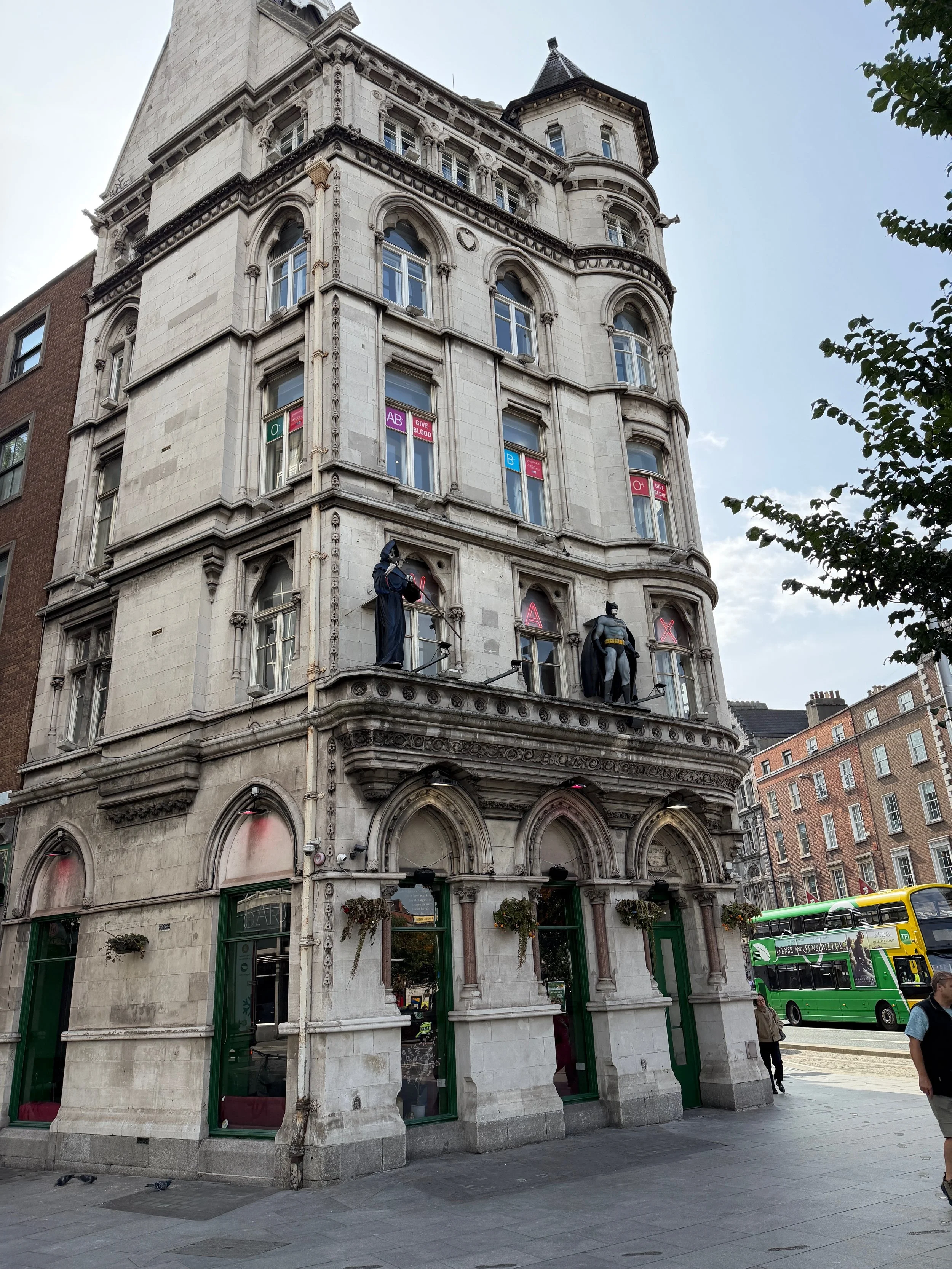
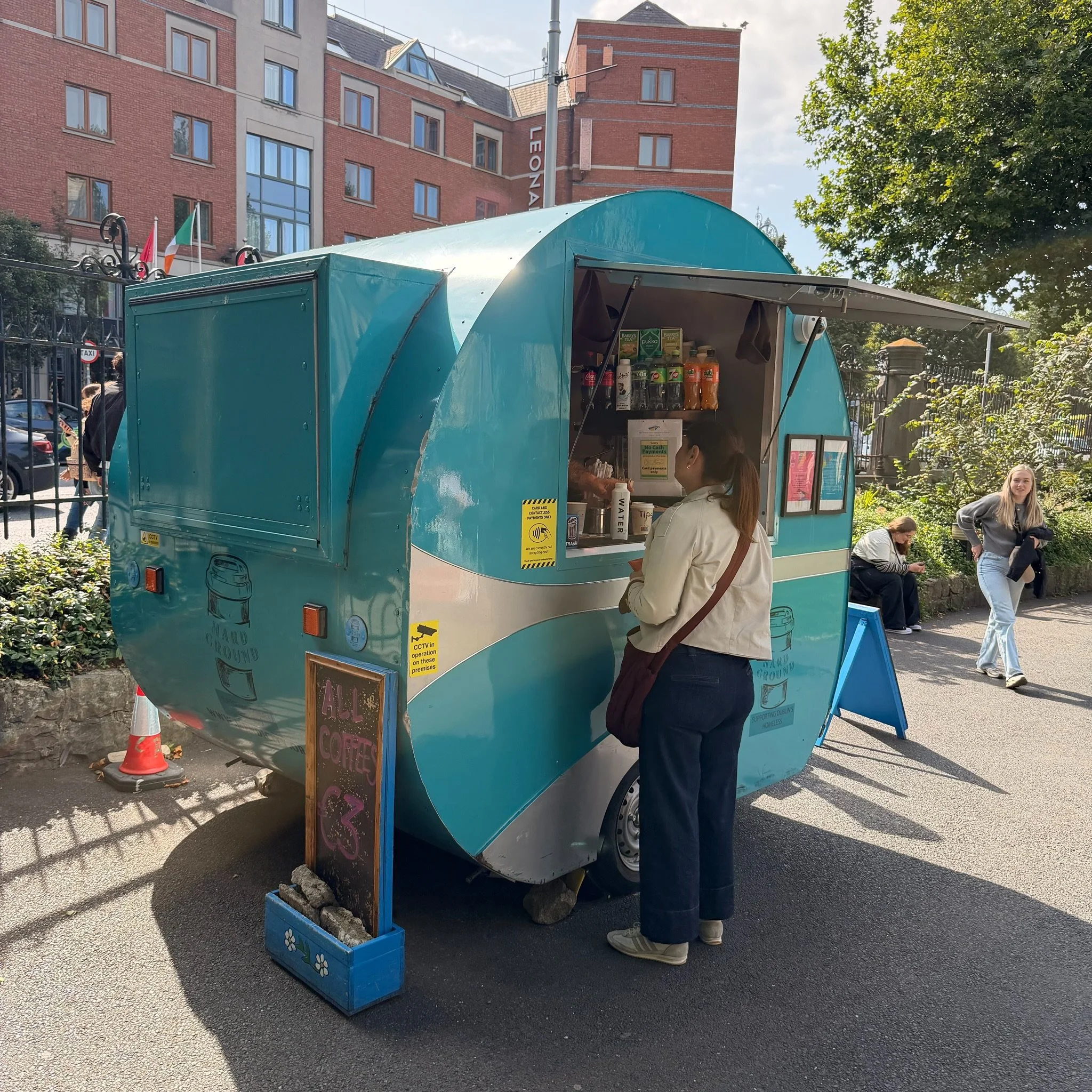
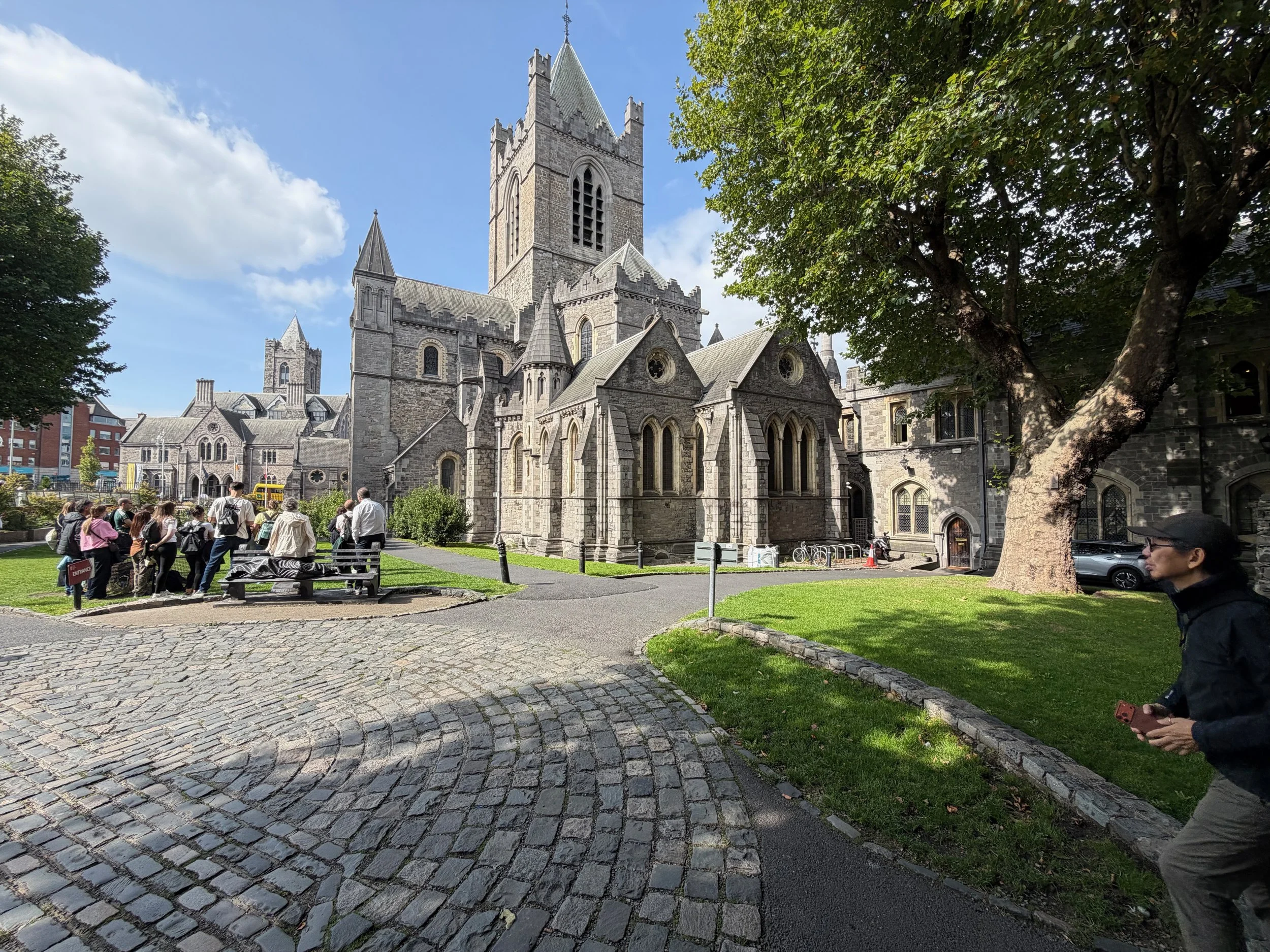
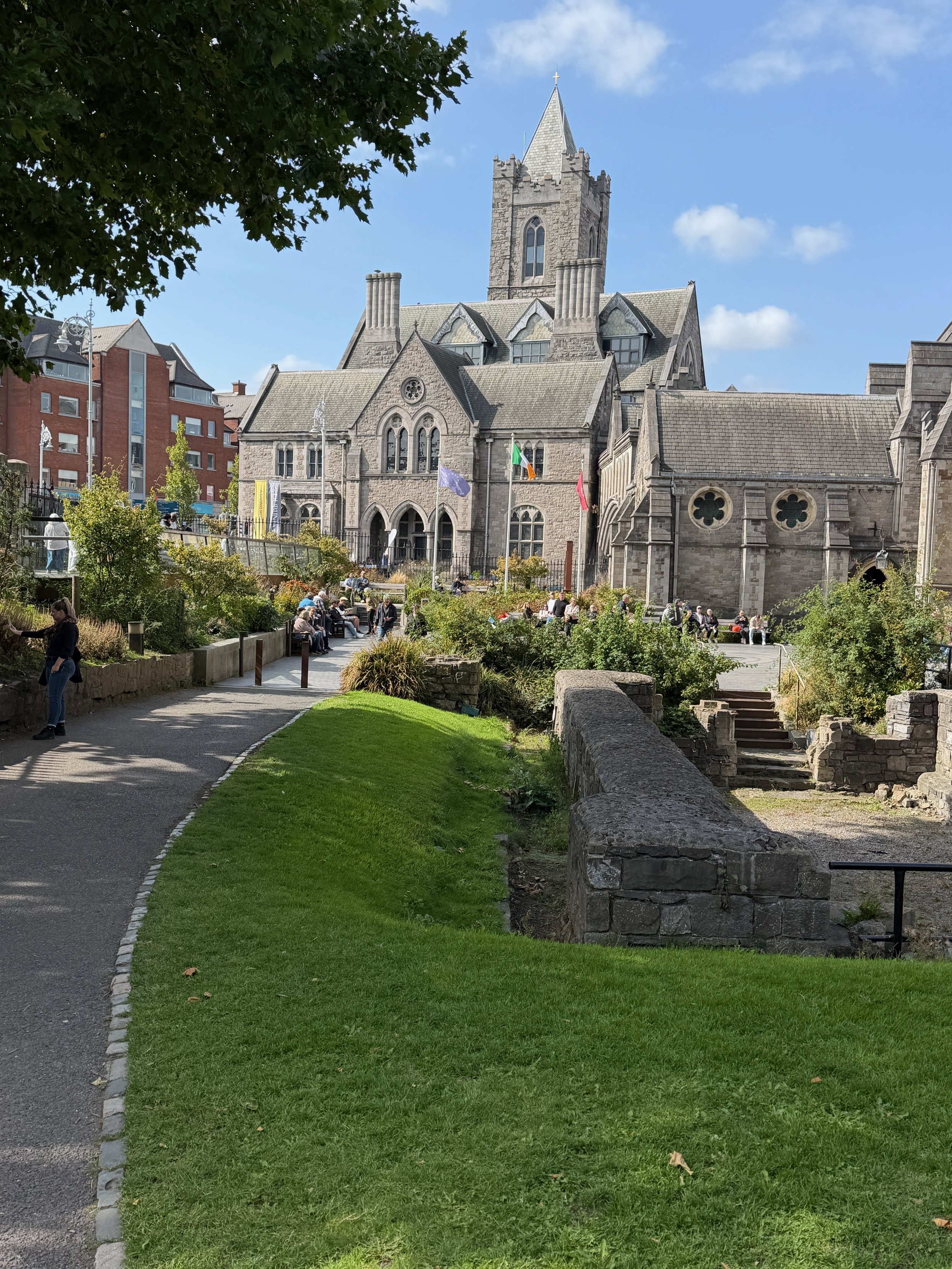
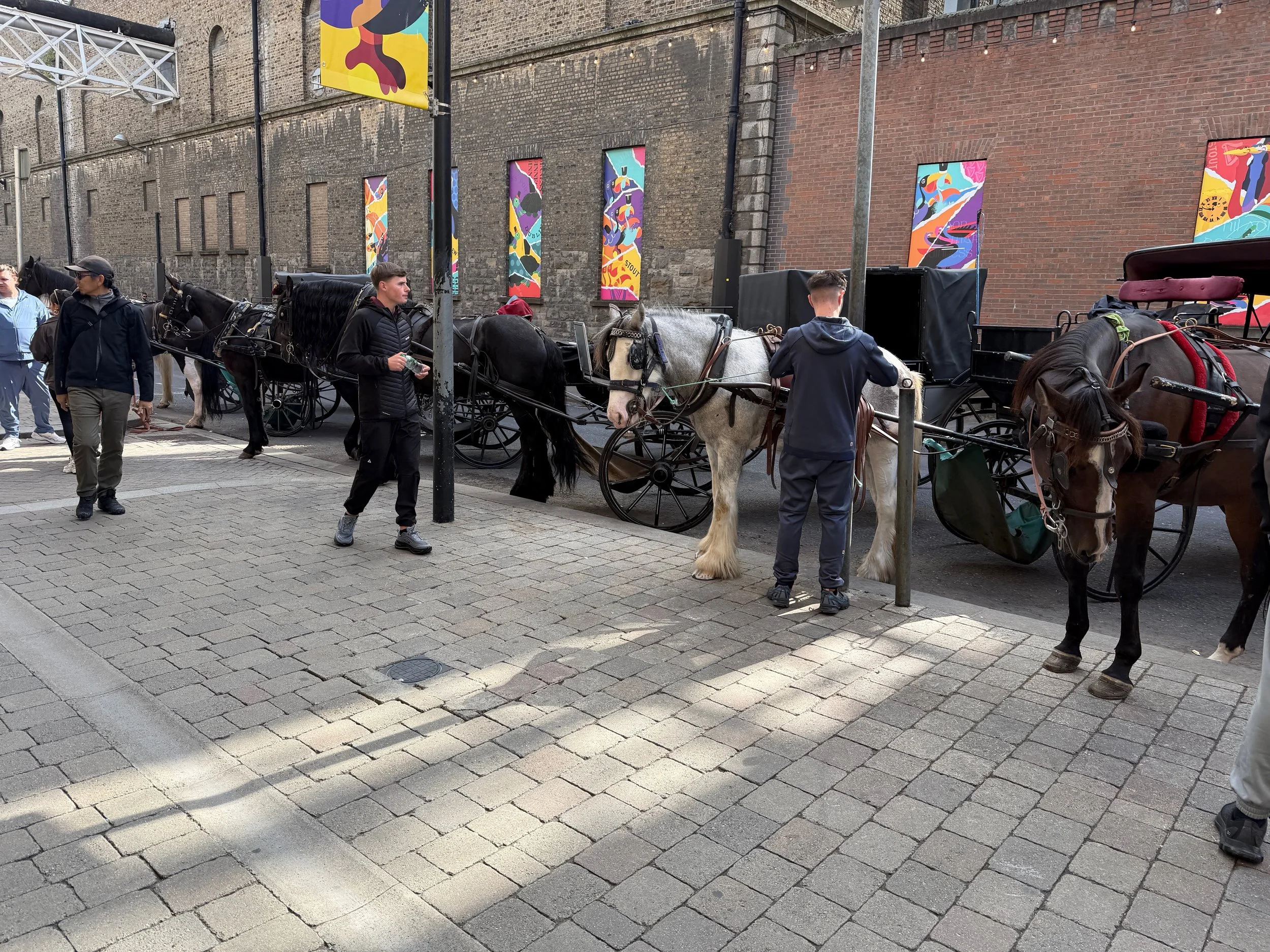
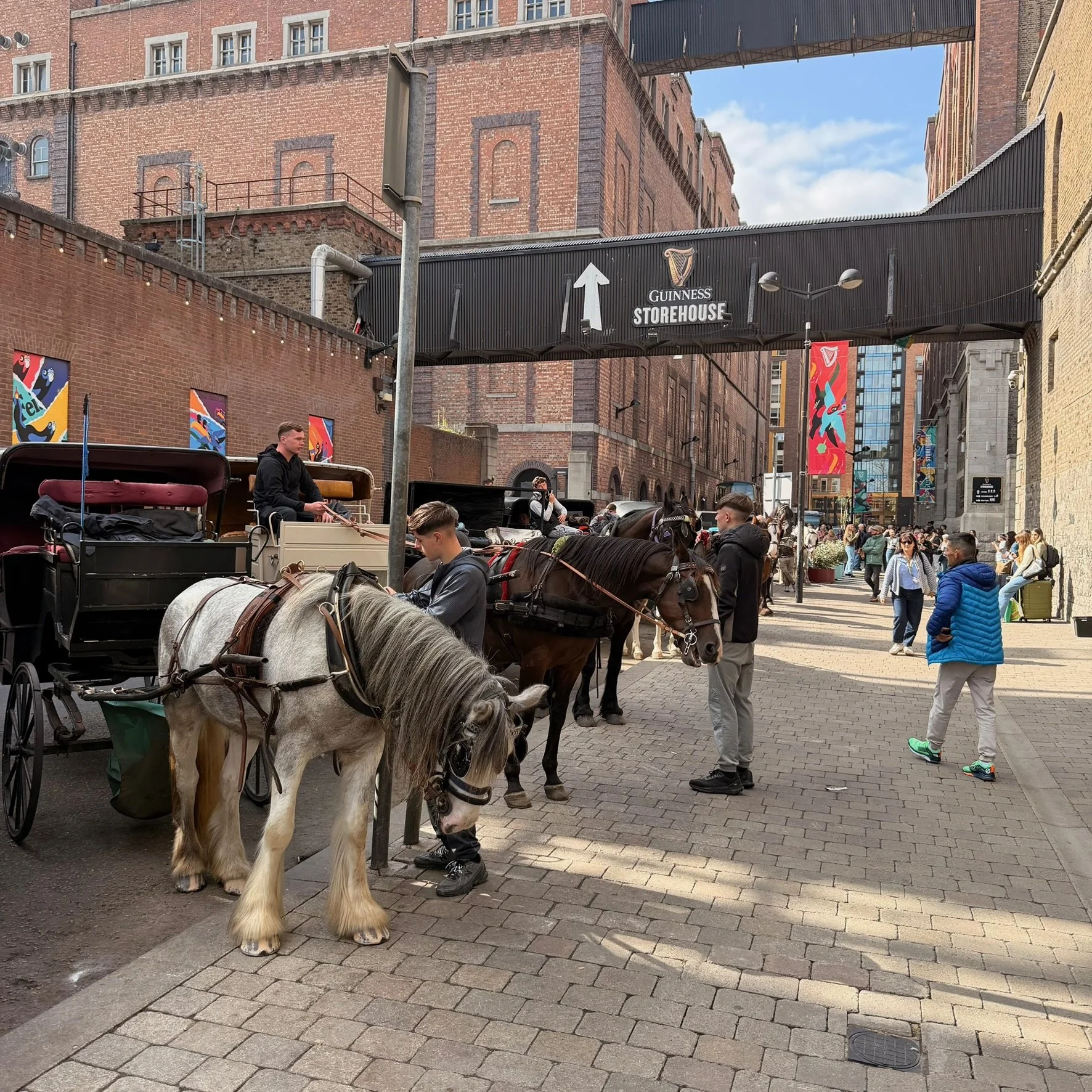
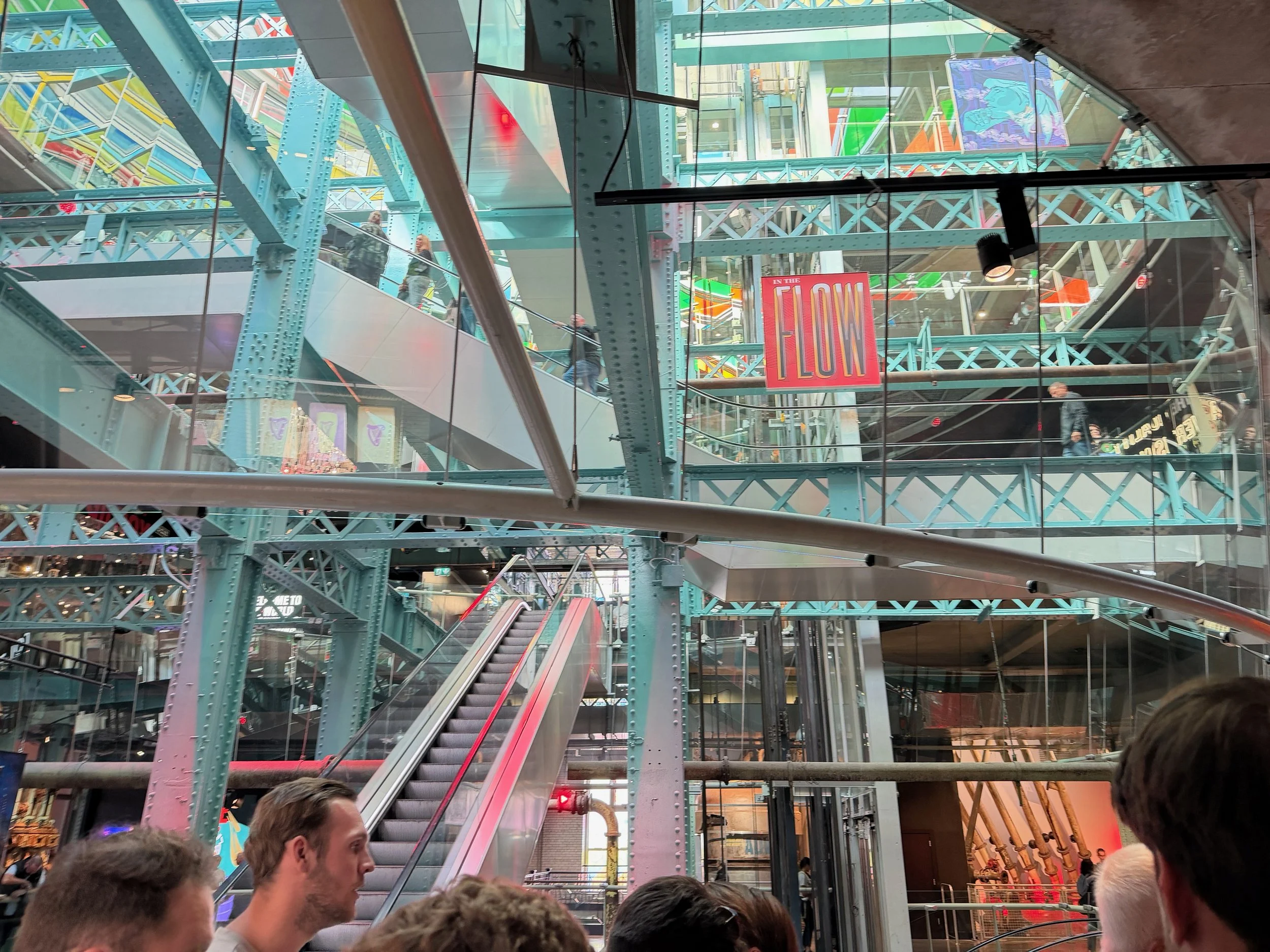
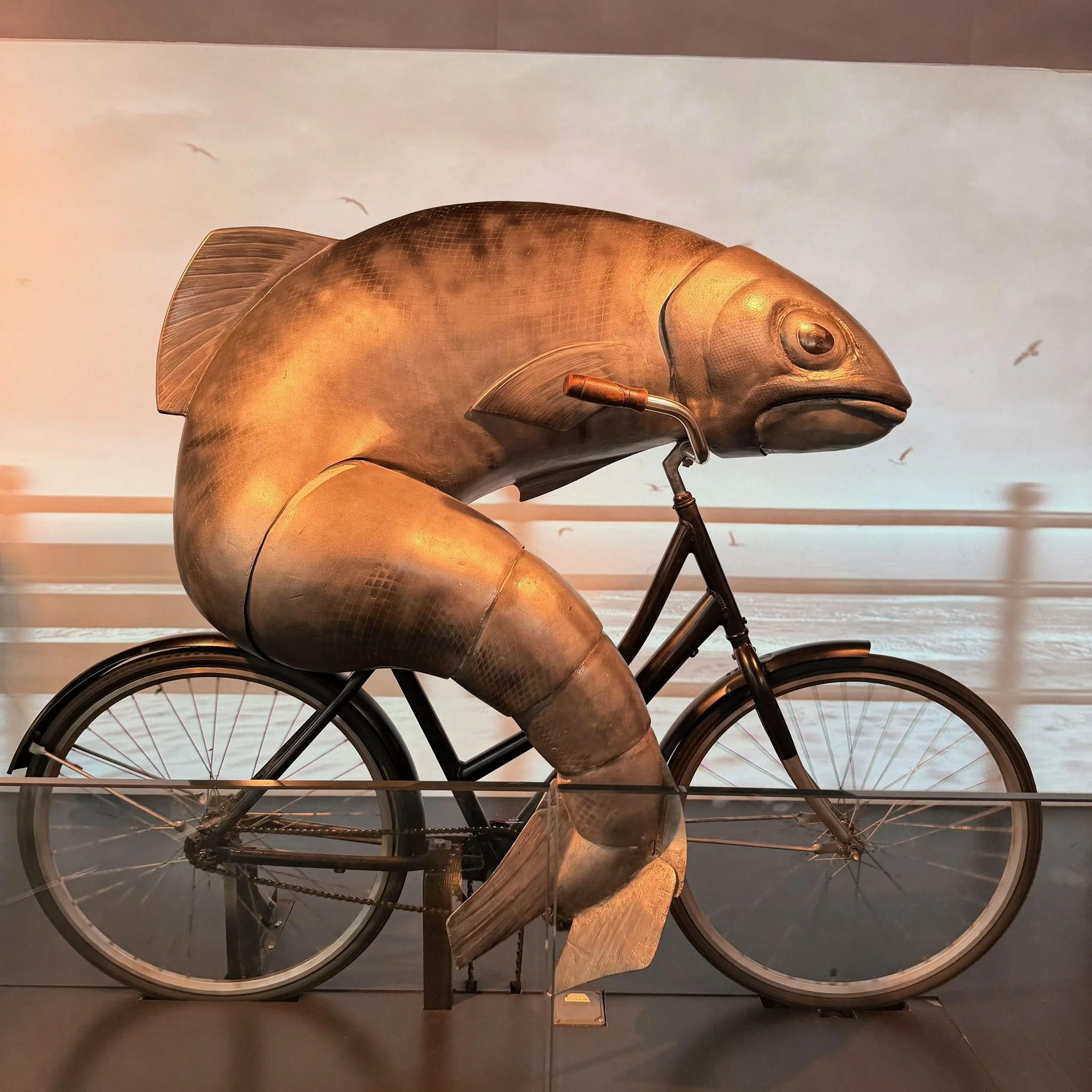
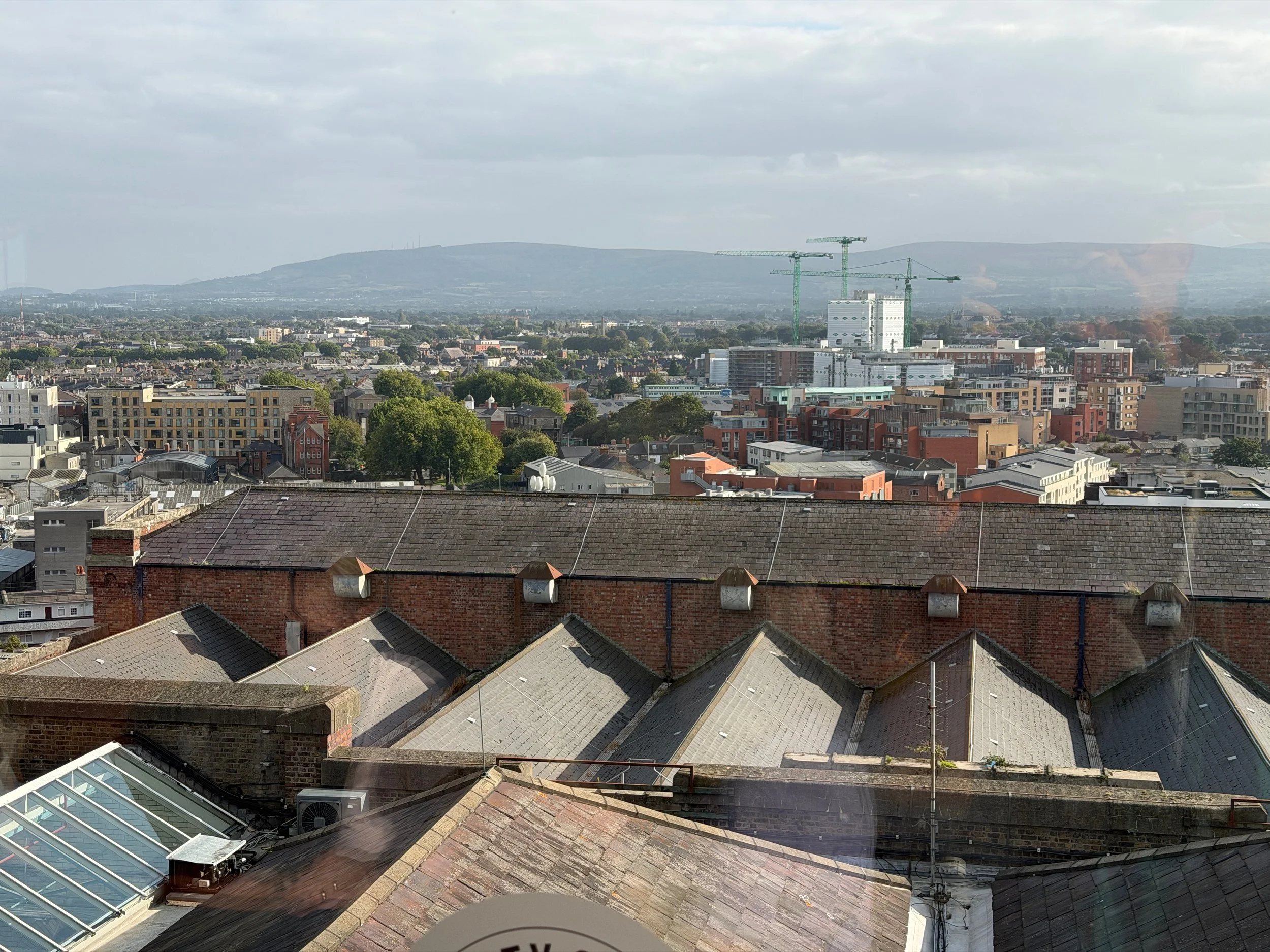
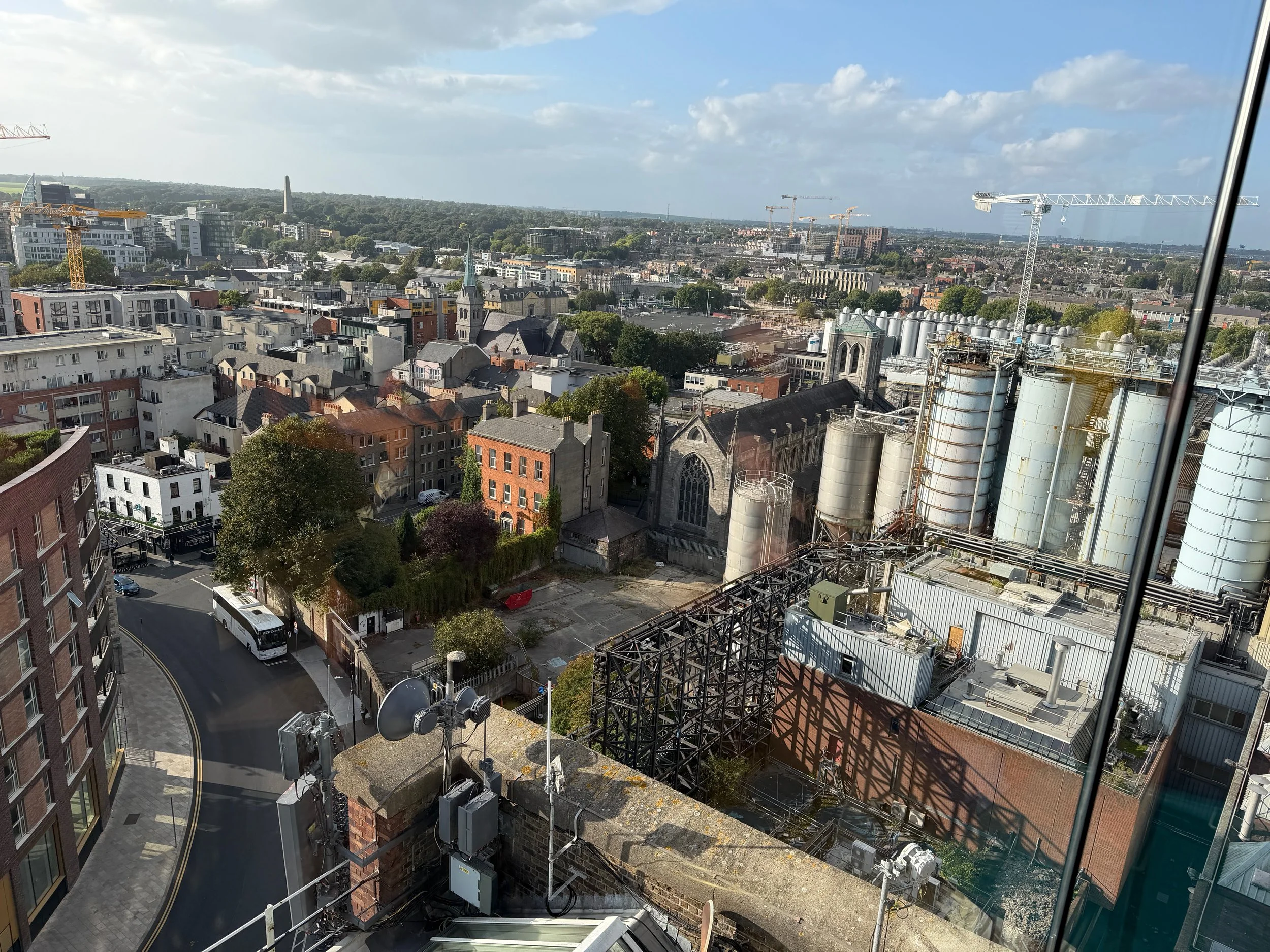
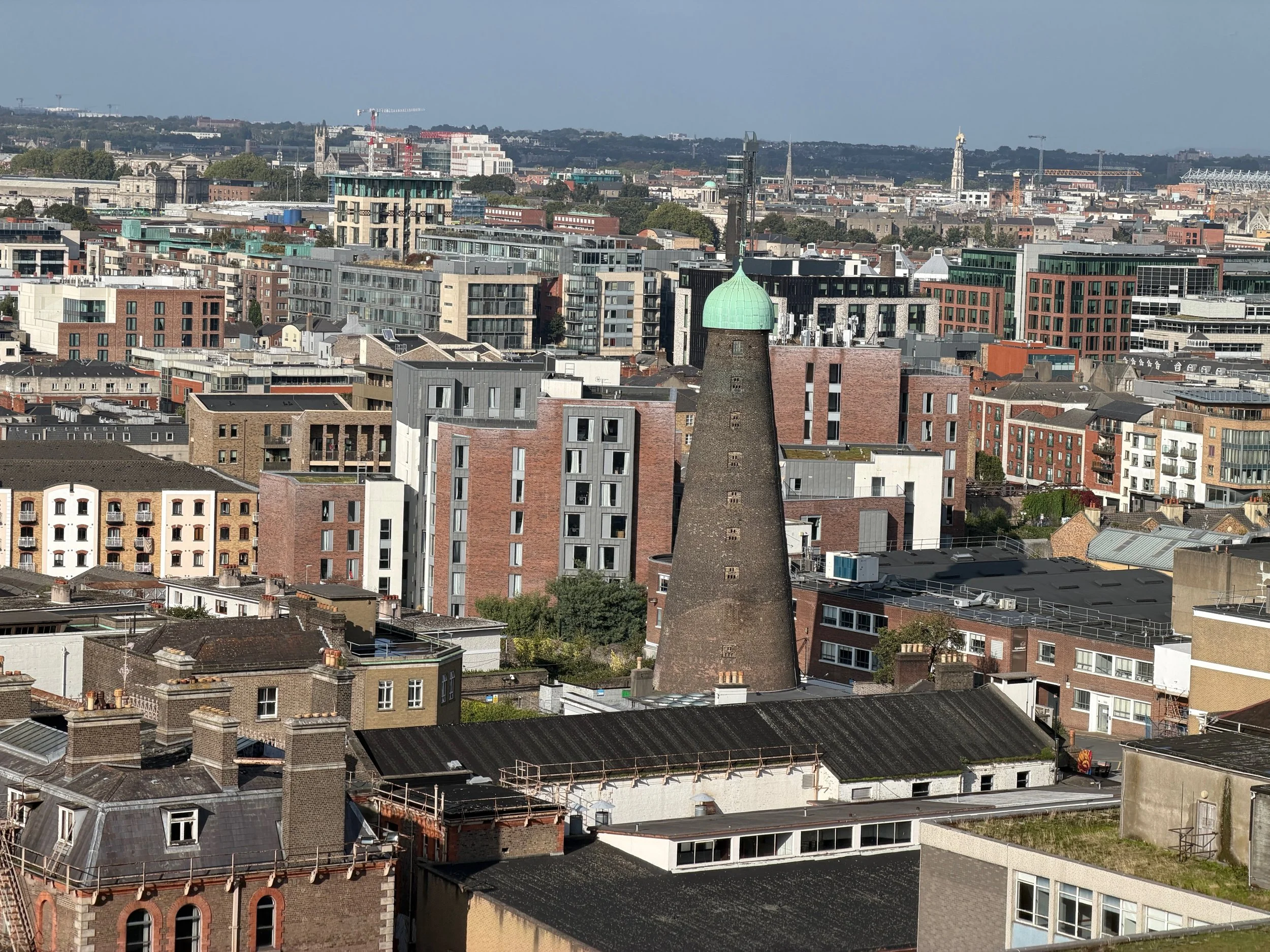
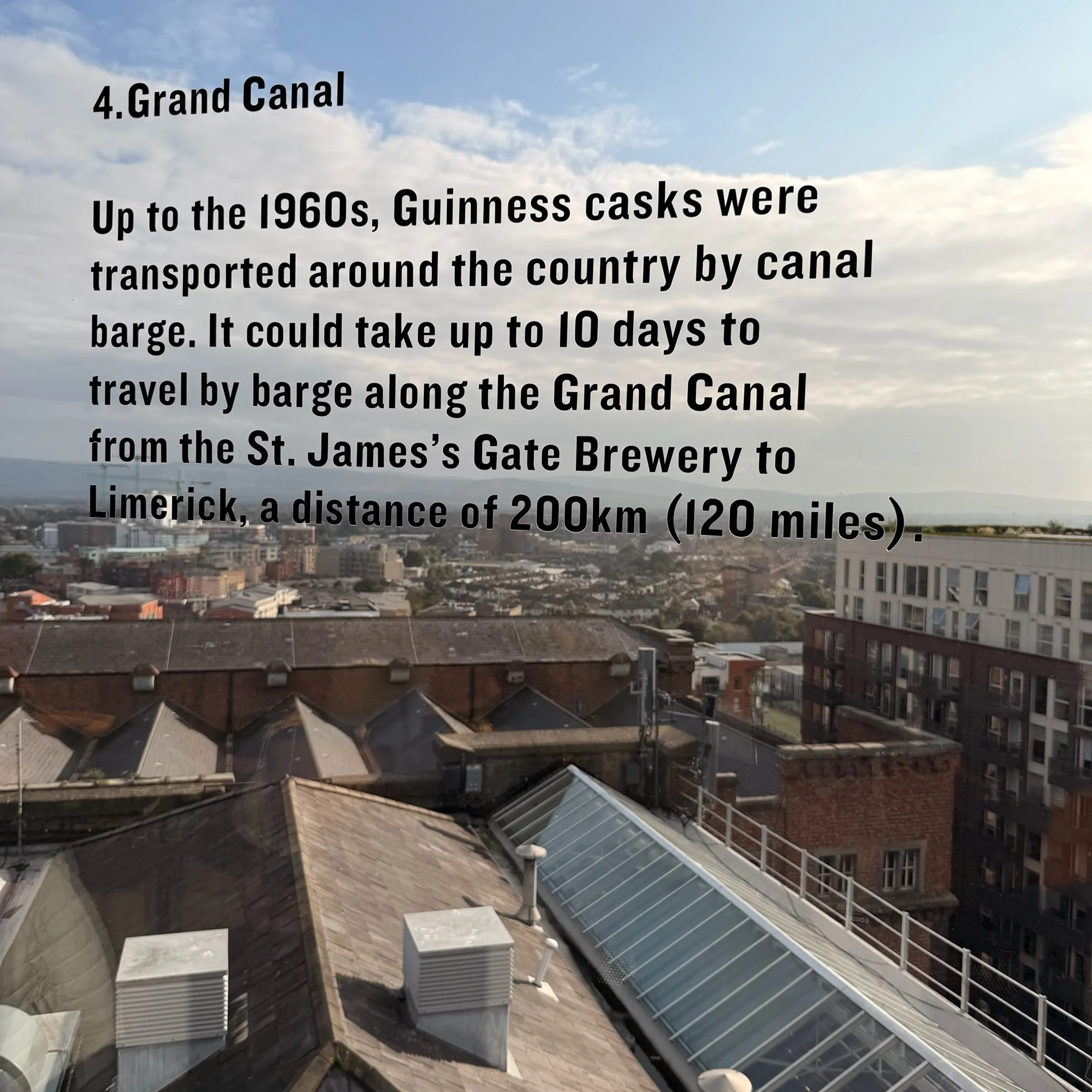
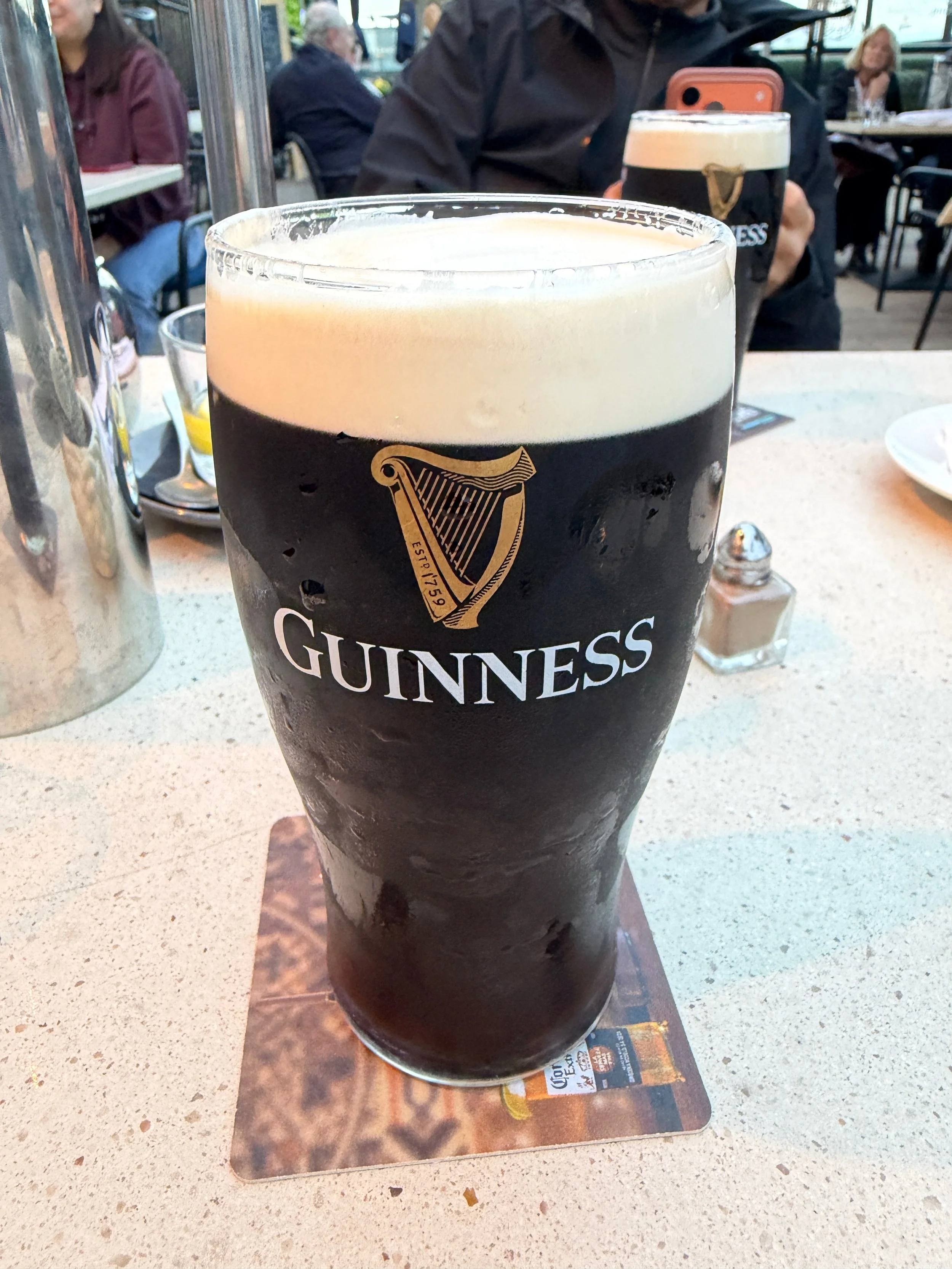
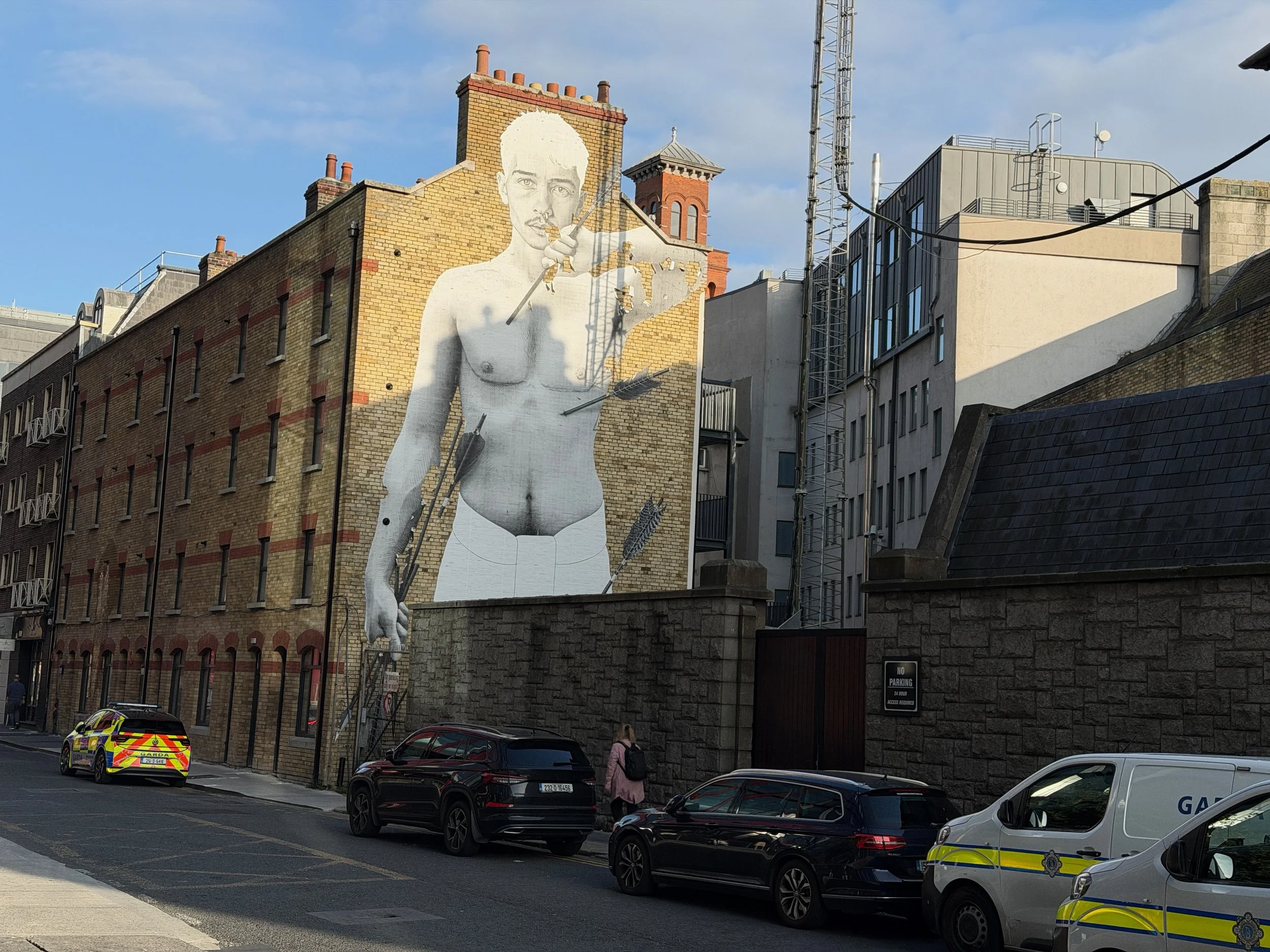
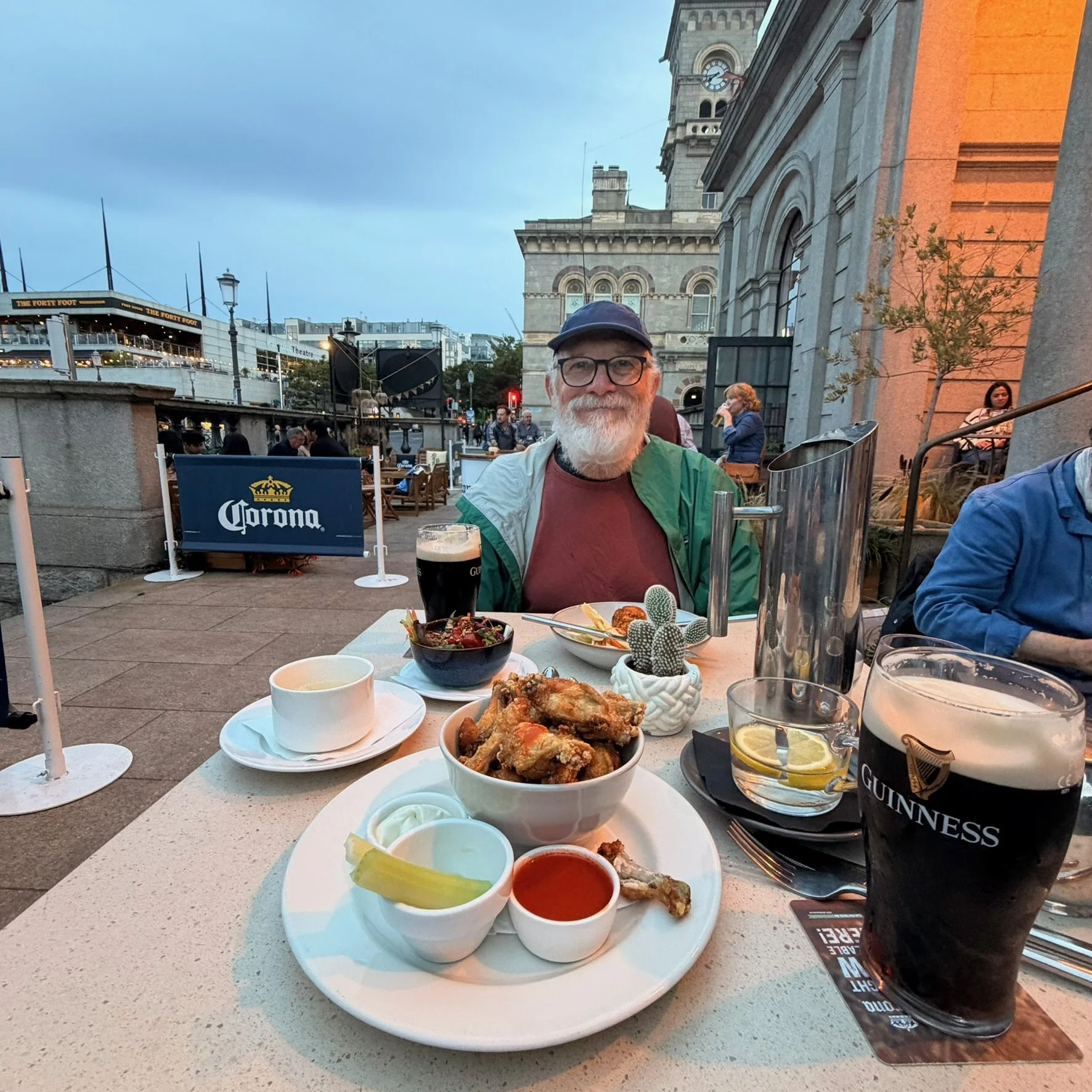
The inclement weather meant they had a few days to enjoy Dublin. They took the train into the city for a walkabout and a tour through the heart of downtown, followed by a visit to the Guinness Storehouse - the building that has been brewing this iconic beer for over 250 years.
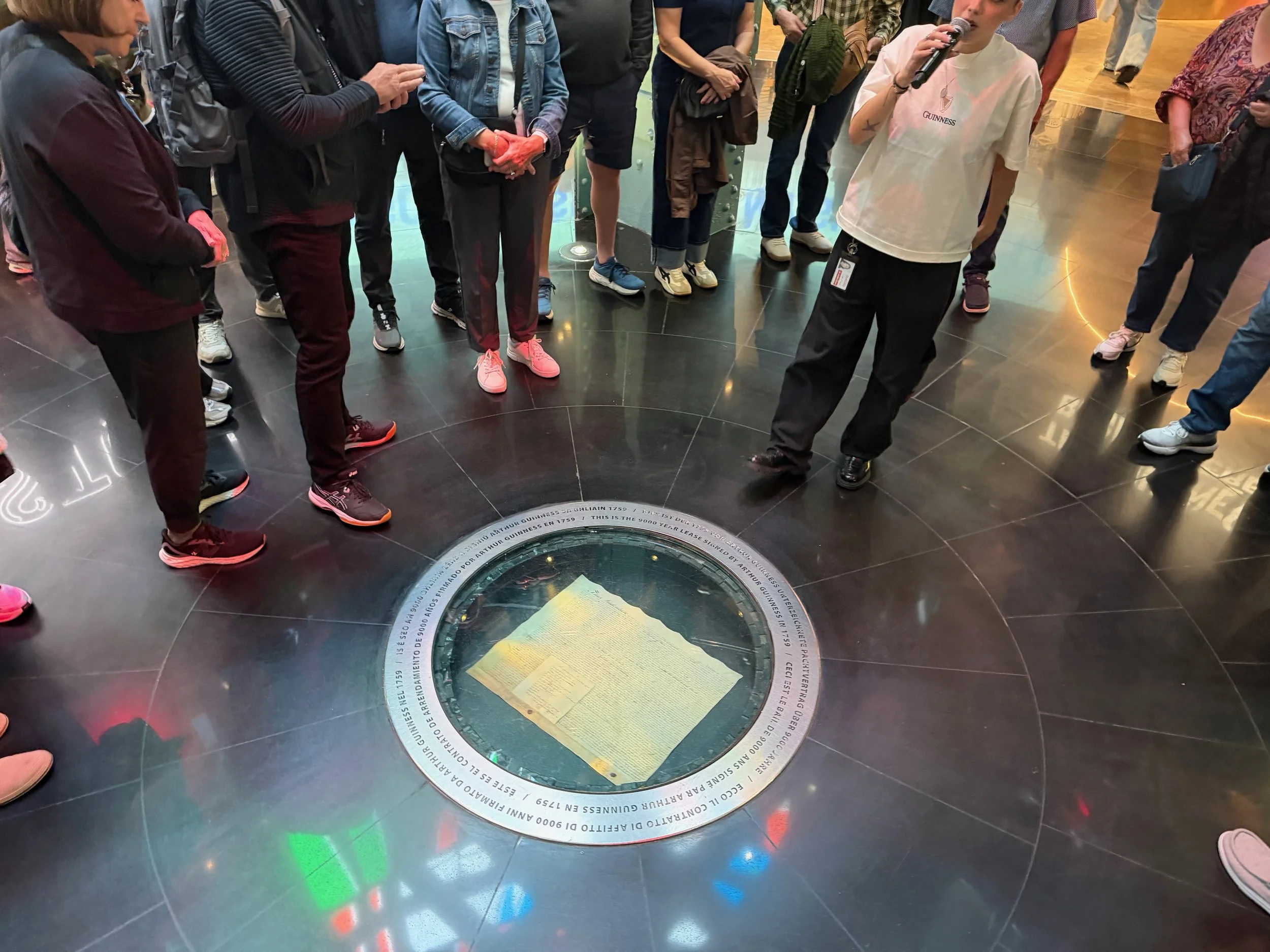
Guinness, as any beer drinker knows, is an “Irish Dry Stout” made in Ireland. Who knew 10 million glasses of Guinness are poured worldwide every day! The company was founded in 1759 by Arthur Guinness who signed a NINE THOUSAND YEAR lease on St. James’s Gate Brewery in Dublin. The terms of the lease granted him use of a limited supply of water, and when Dublin Corporation tried to cut off the supply due to overuse, it’s written that ‘Mr Guinness violently rushed upon them wrenching a pickaxe from one and declaring with very much improper language, that they should not proceed’. I guess signing a 9000 year lease is one thing, but hanging onto it is another.
Arthur understood the importance of valuing his employees which lead to a happier working environment and, in turn, better beer. The brewery paid around 10% higher than the average industrial wage in Dublin at the time, and in 1870 a medical center was established to provide free healthcare not just to employees but to their families as well. Guinness also introduced benefits such as paid annual holidays, free meals, annual excursions and a beer allowance!
He also understood the value of supporting the community around him, and it remains a big focus in Guinness today. From initiatives such as Water of Life - providing safe drinking water to people across Africa, to Raising the Bar - supporting hospitality through the Covid-19 crisis, Arthur’s legacy of philanthropy continues.
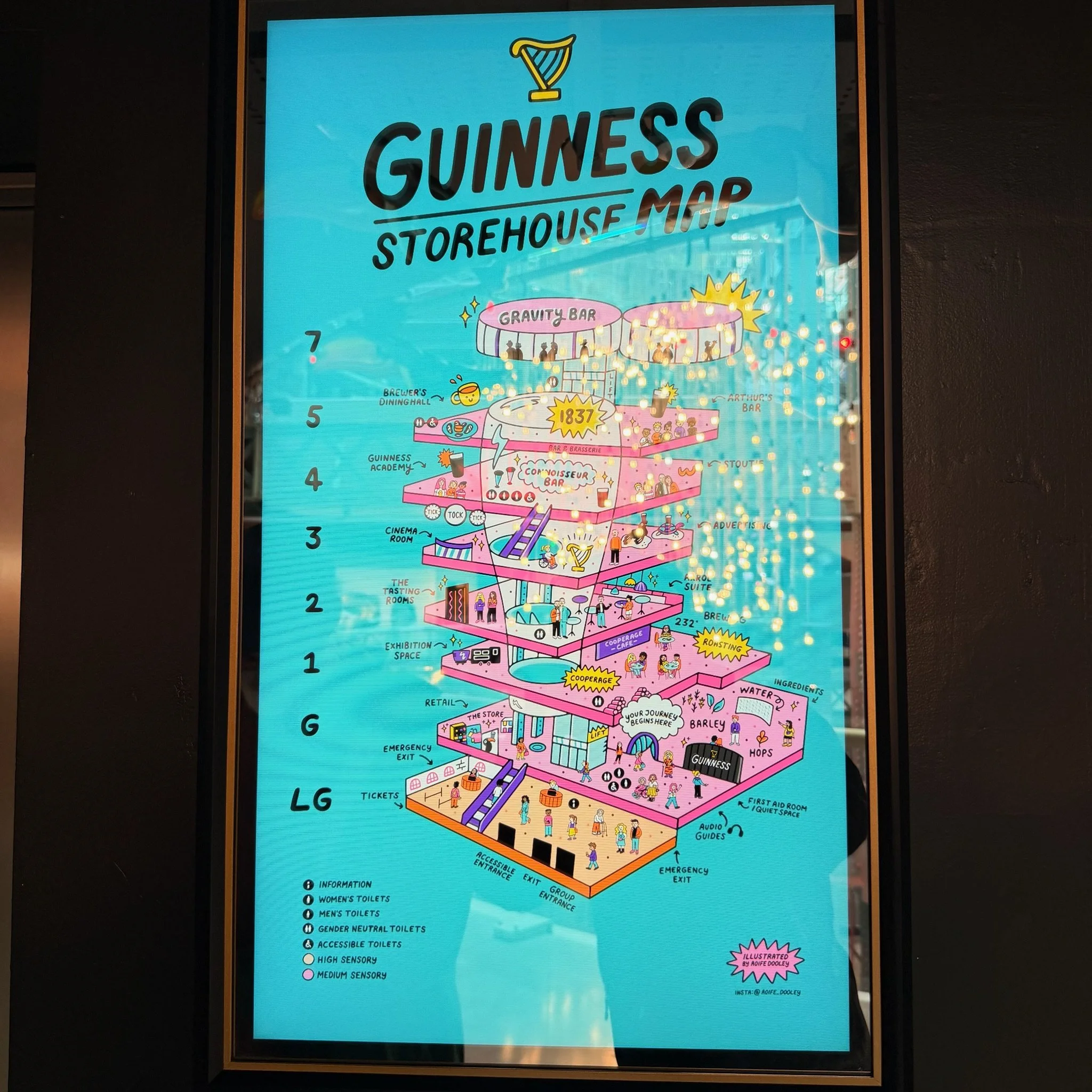
The Storehouse was used from its construction in 1904 and until 1988. In 2000 it opened as a seven story visitors center which explains the history and making of Guinness beer. They spent several hours exploring the Storehouse and thoroughly enjoyed it. Not to be missed if you find yourself in Dublin!
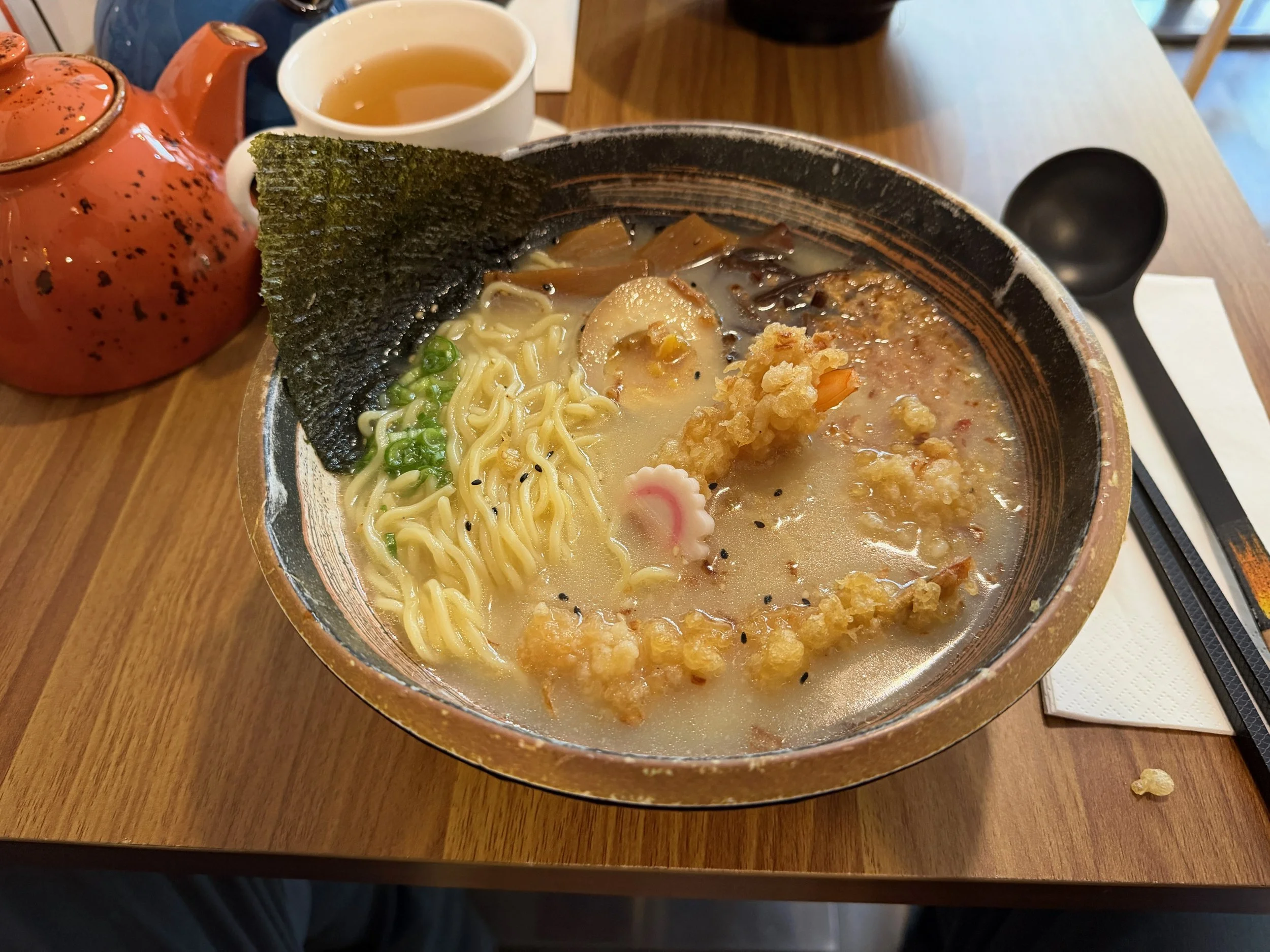
Back in Dún Laoghaire they again decided to “live off the land” (Tom’s term for not cooking) and enjoyed a ramen restaurant for dinner.
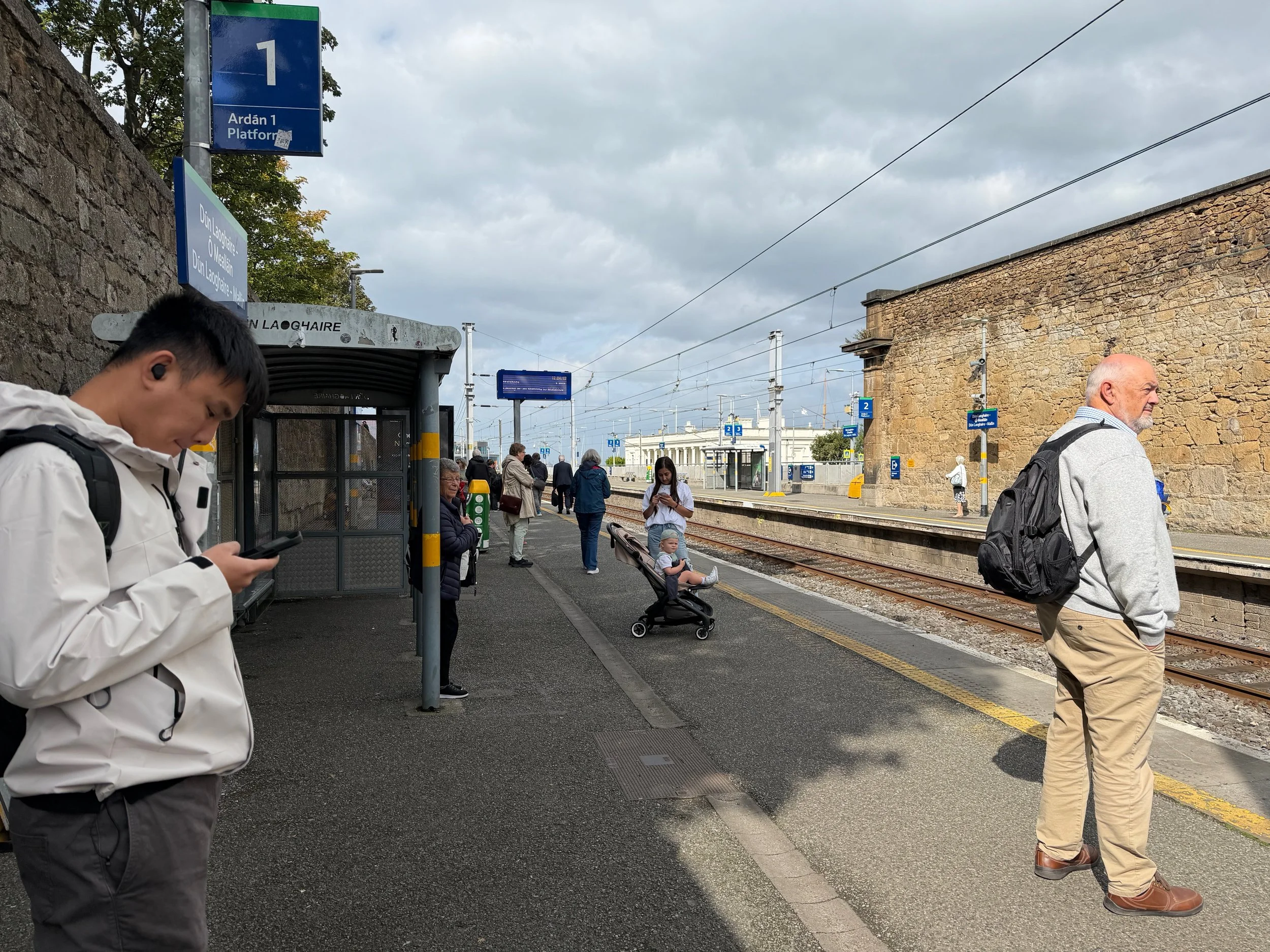
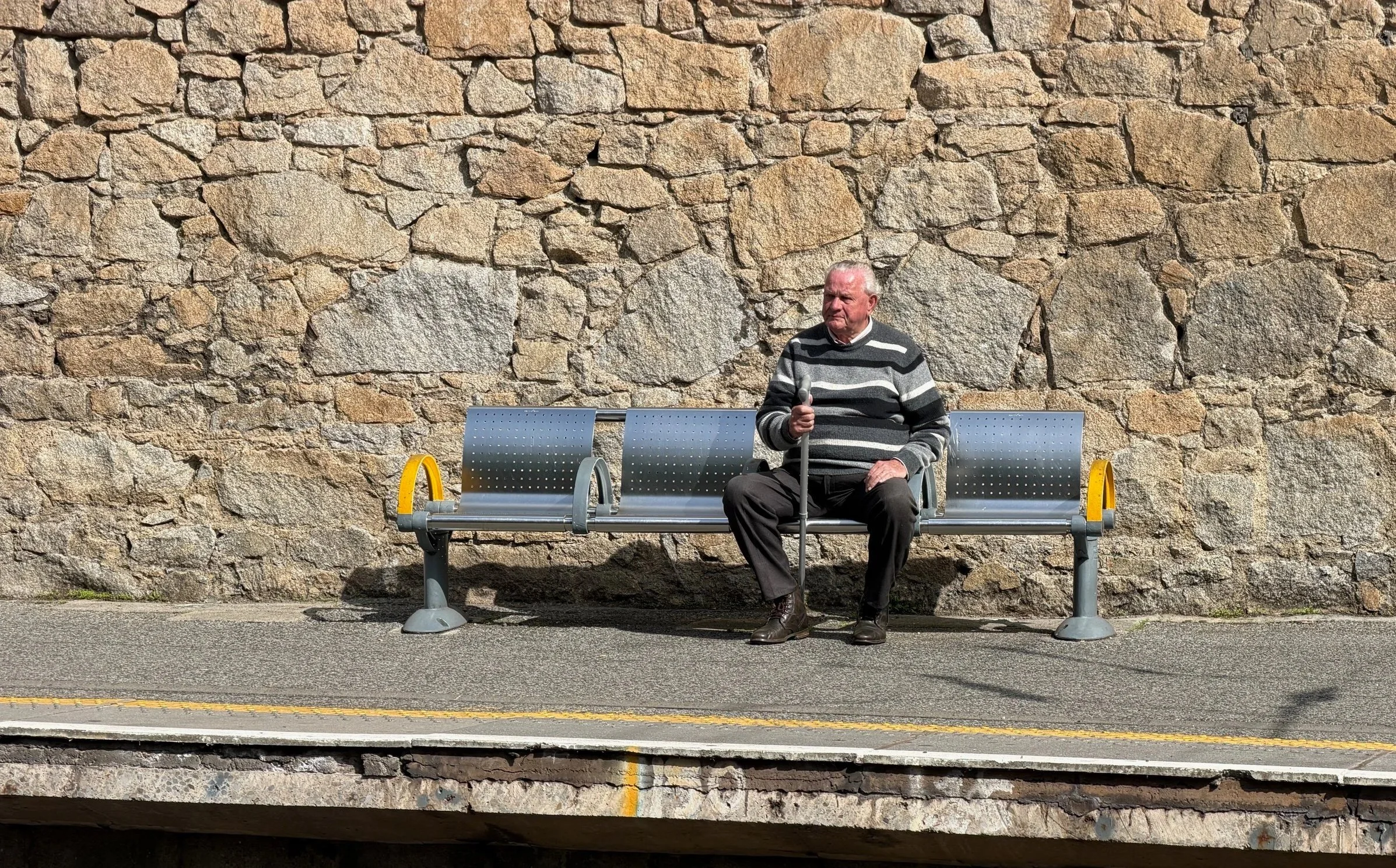

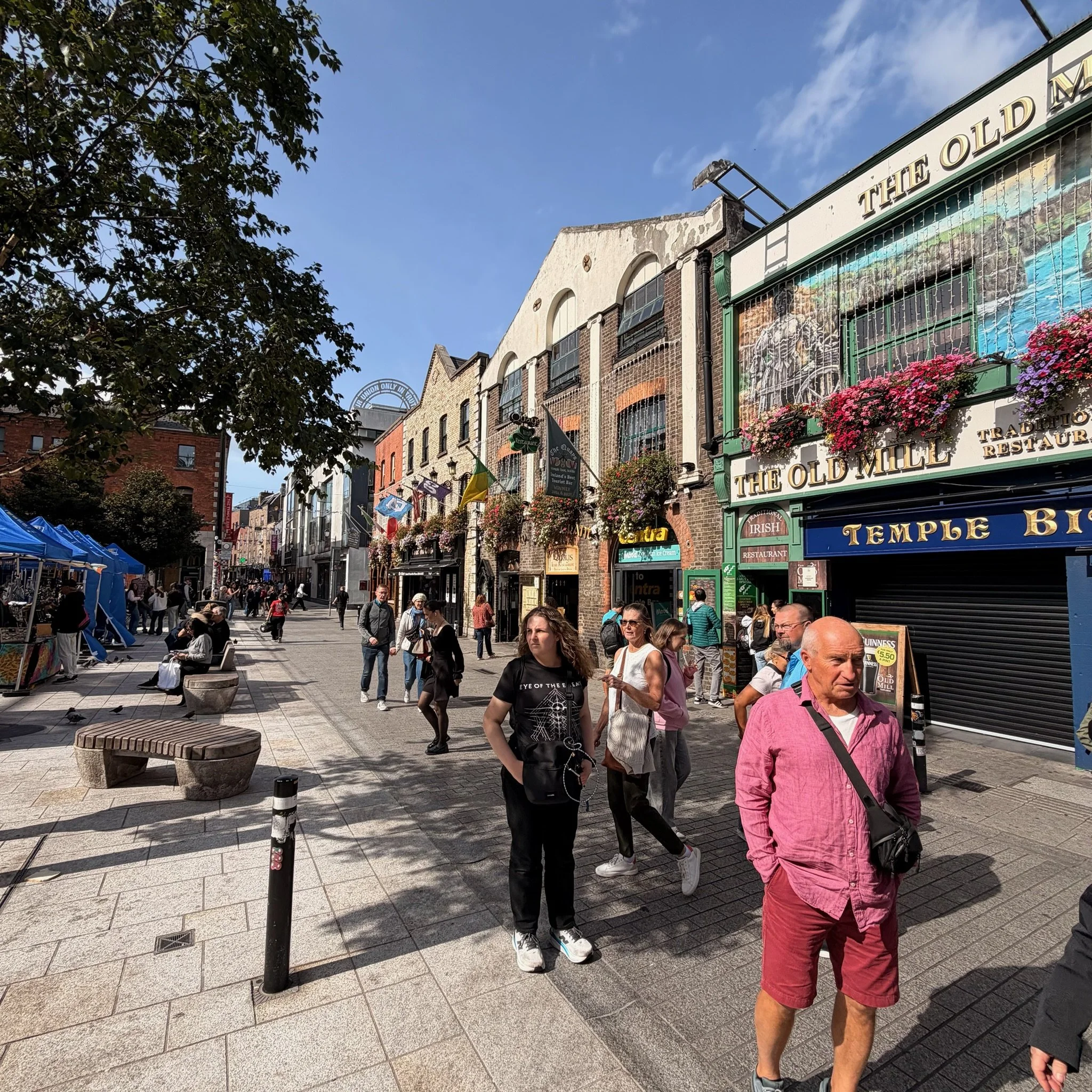
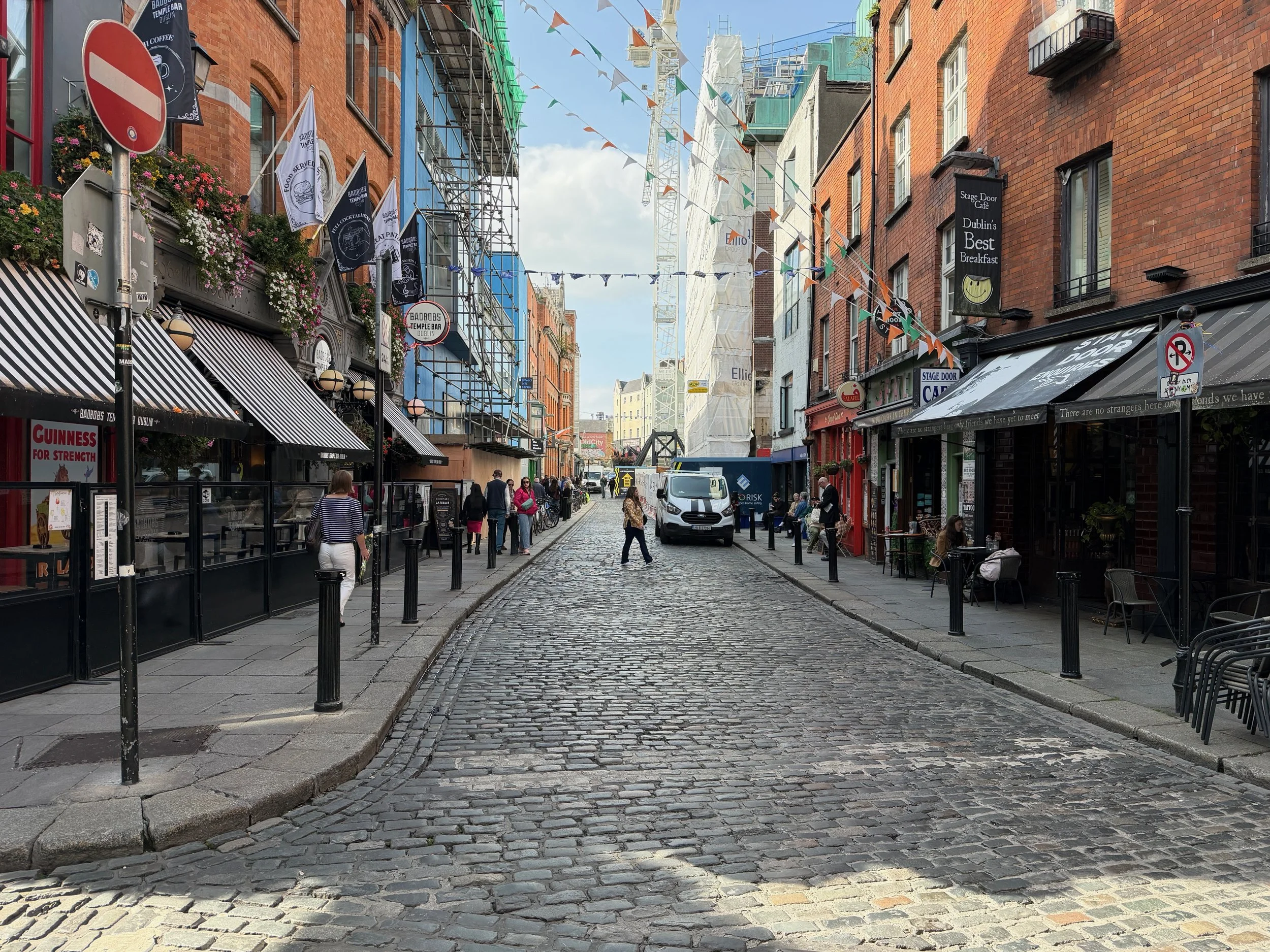
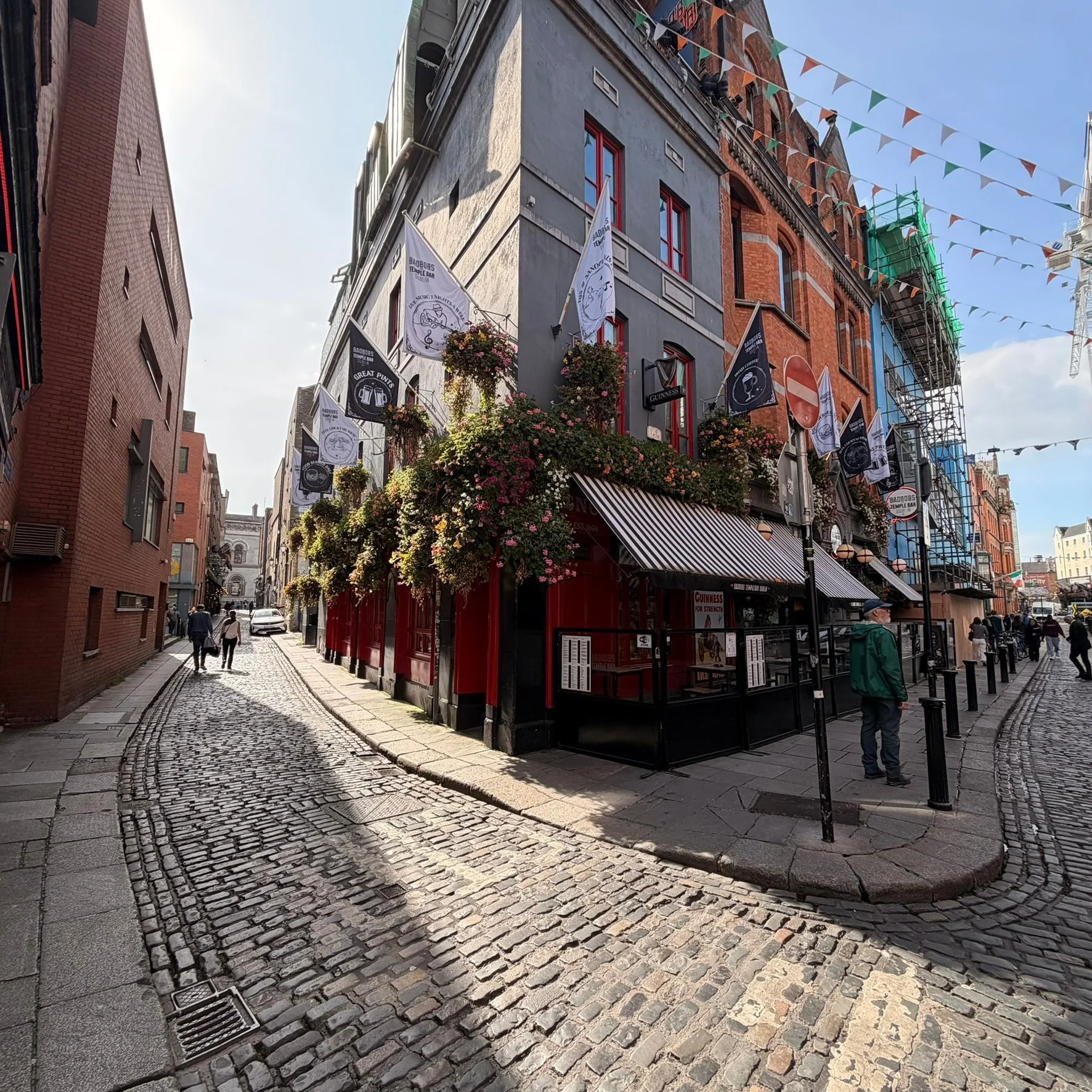
They waited out some high winds before departing on their final leg of the transit. The plan was to head to Ardrossan Scotland which is an ~25 hour trip. Rather than arrive too early they delayed their departure until mid morning.
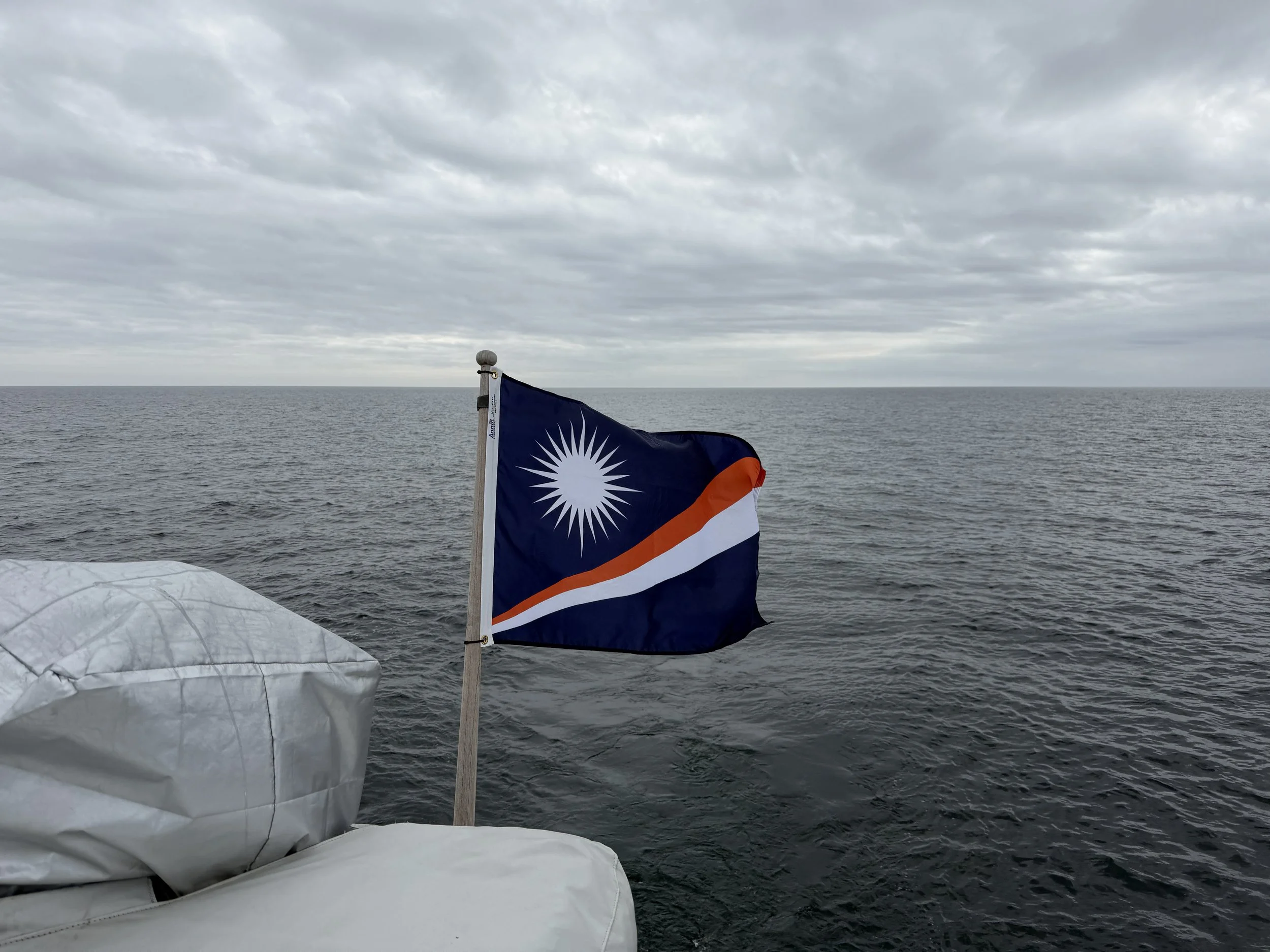
One of the reasons they detoured to Ireland en route to Scotland was to exit the UK and use the passage through international waters to change Meraki’s registration. We intend to cross to the US in 2027 and under the current US tariff regime we would have to pay 12.5% of Meraki’s current value in tariffs, on top of the standard (and expected) 1.5% import duty. The new tariffs, which didn’t exist when we bought the boat in 2022, would be a VERY costly unexpected expense. For a fraction of that potential tax we were able to reflag our boat in the Marshall Islands and avoid the tariffs. With luck the tariffs will eventually be terminated and we will be able to import the boat and reflag in the US. Meanwhile, we can cruise Meraki in the US as a foreign vessel with a permit which can be renewed online annually. We will be required to take her outside of US waters each year - this is easily accomplished by traveling from the US east coast to the Bahamas, Mexico or Canada.
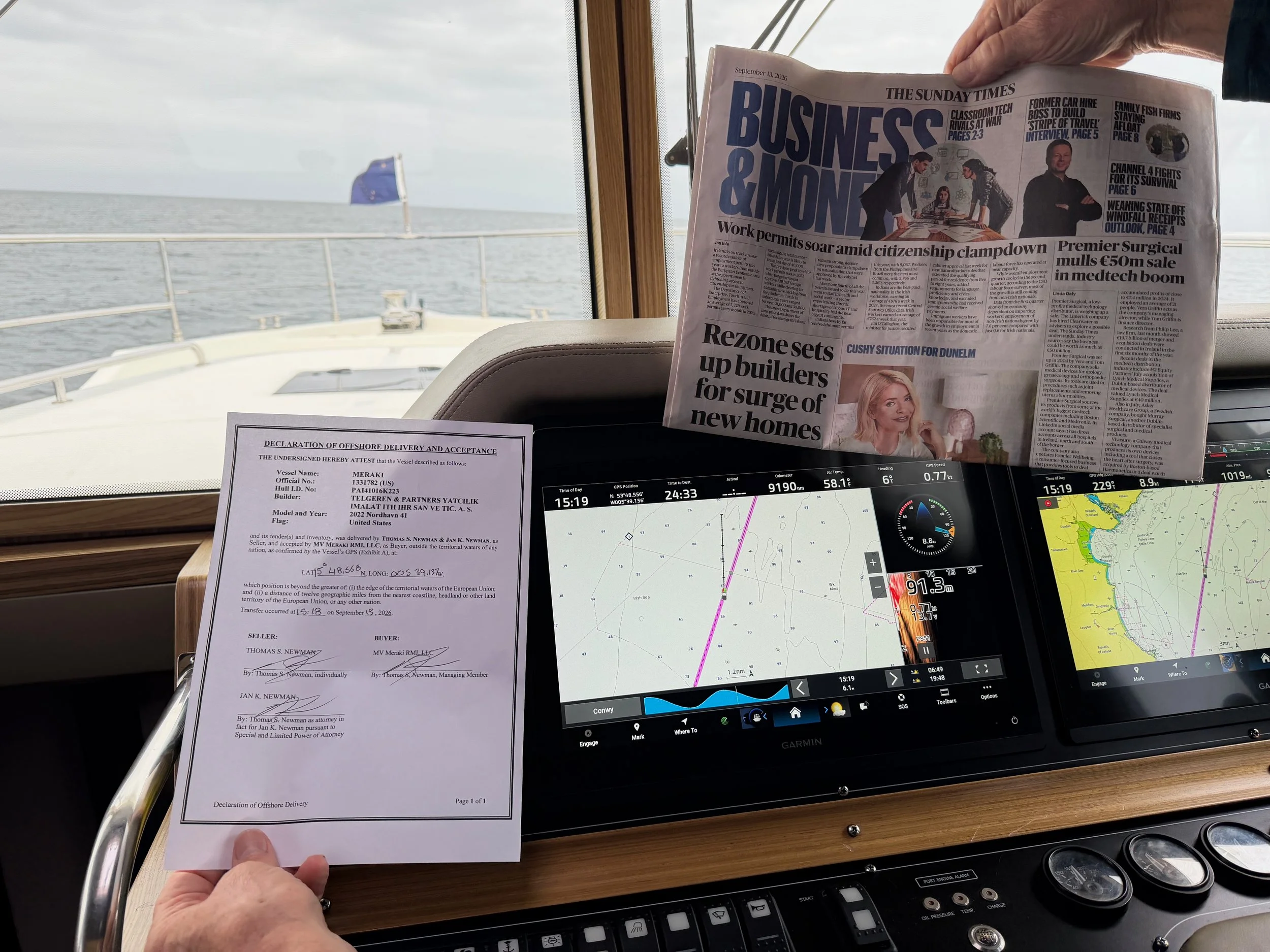
Proof the change of ownership took place in international waters on a specific day.
We needed to reflag the vessel in international waters so that we wouldn’t trigger VAT in the UK or Ireland. Awareness of the rules for temporary imports, VAT avoidance, etc. aren’t typically things discussed when folks talk about the allure of sailing far away places, but the need to be aware is very real. No matter your cruising budget, spending 15-25% of your boats value because you failed to do the paperwork or left it in foreign waters too long can have a major deleterious effect on your pocketbook. We have had Meraki in 16 countries and all we can say is it’s best to read extensively and plan ahead.
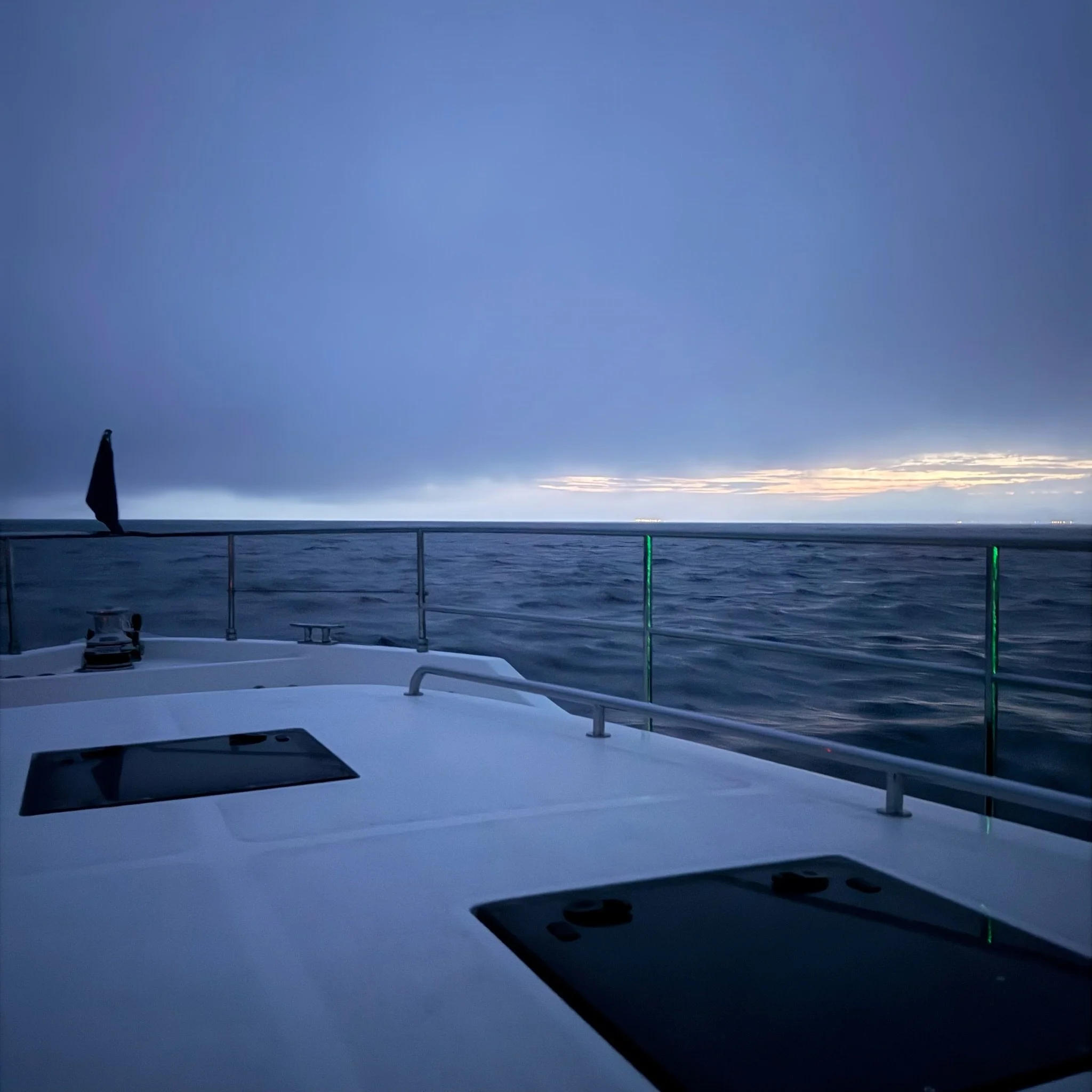
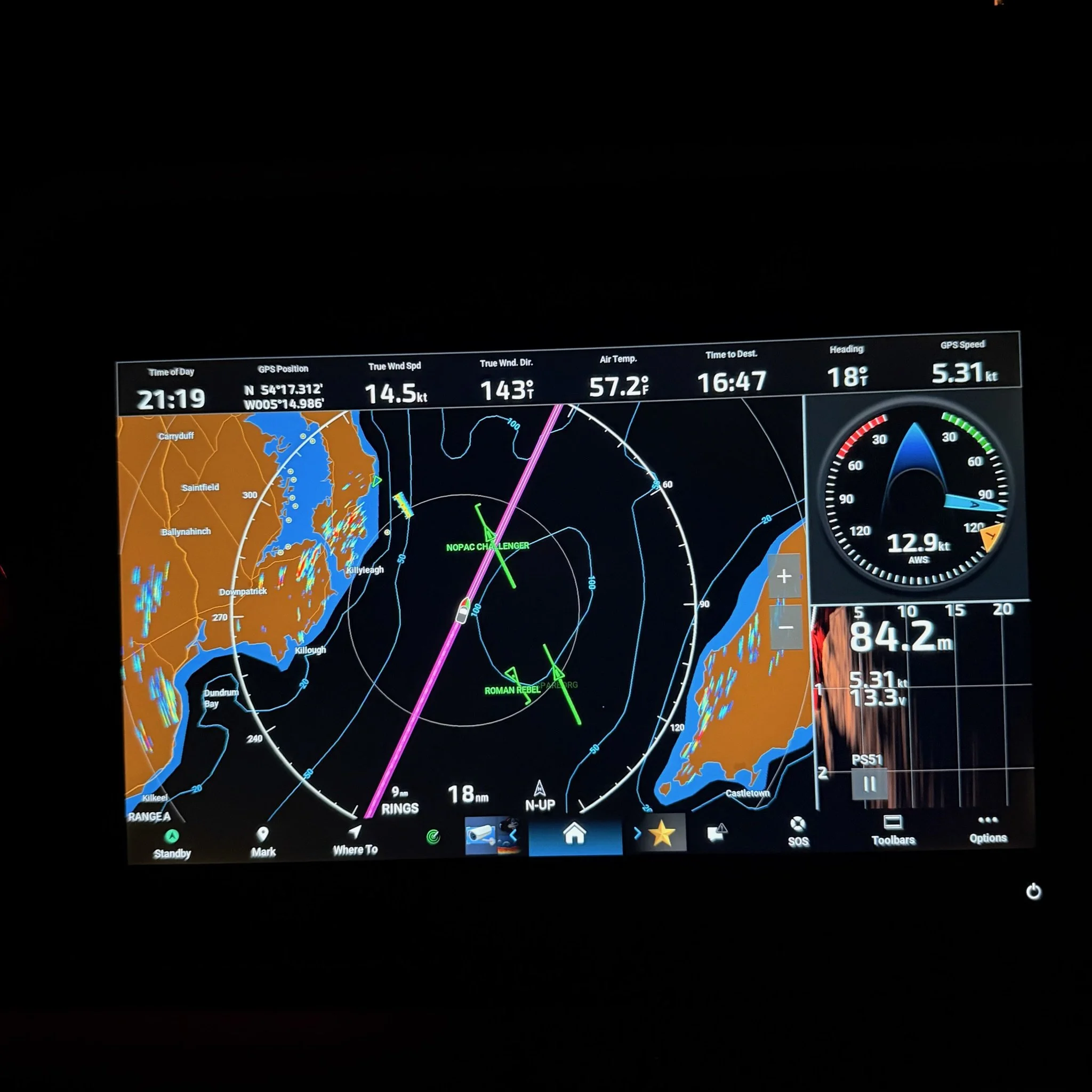
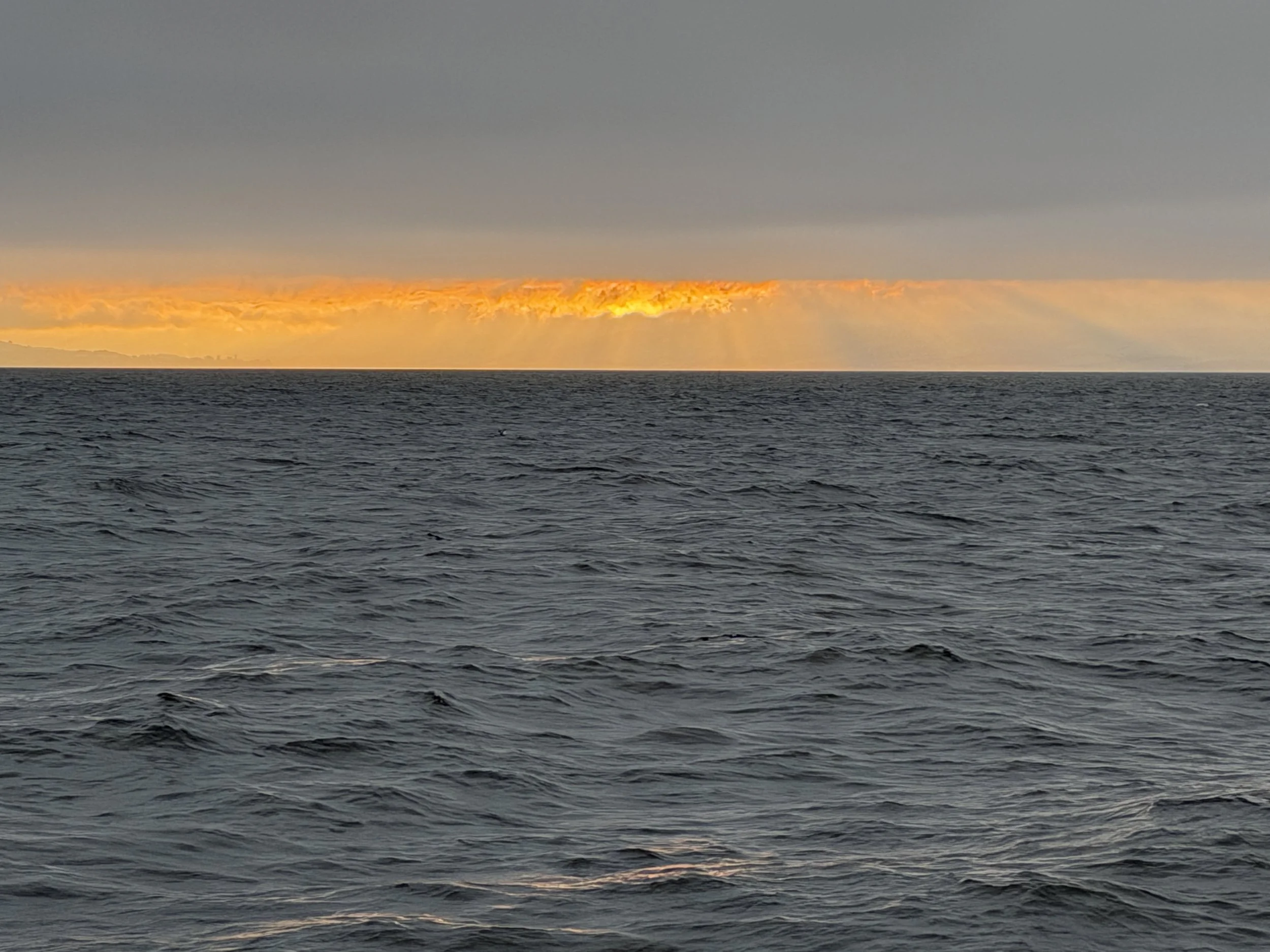
The journey from Dún Laoghaire in Ireland to Ardrossan in Scotland was 151 nautical miles and took just over 25 hours. Compared to the previous transits it was wonderfully pleasant. The seas were calm (under 1.5 ft), the wind was light - under 16 knots, and both were primarily from behind making for a very comfortable ride.

The flag of the Marshall Islands
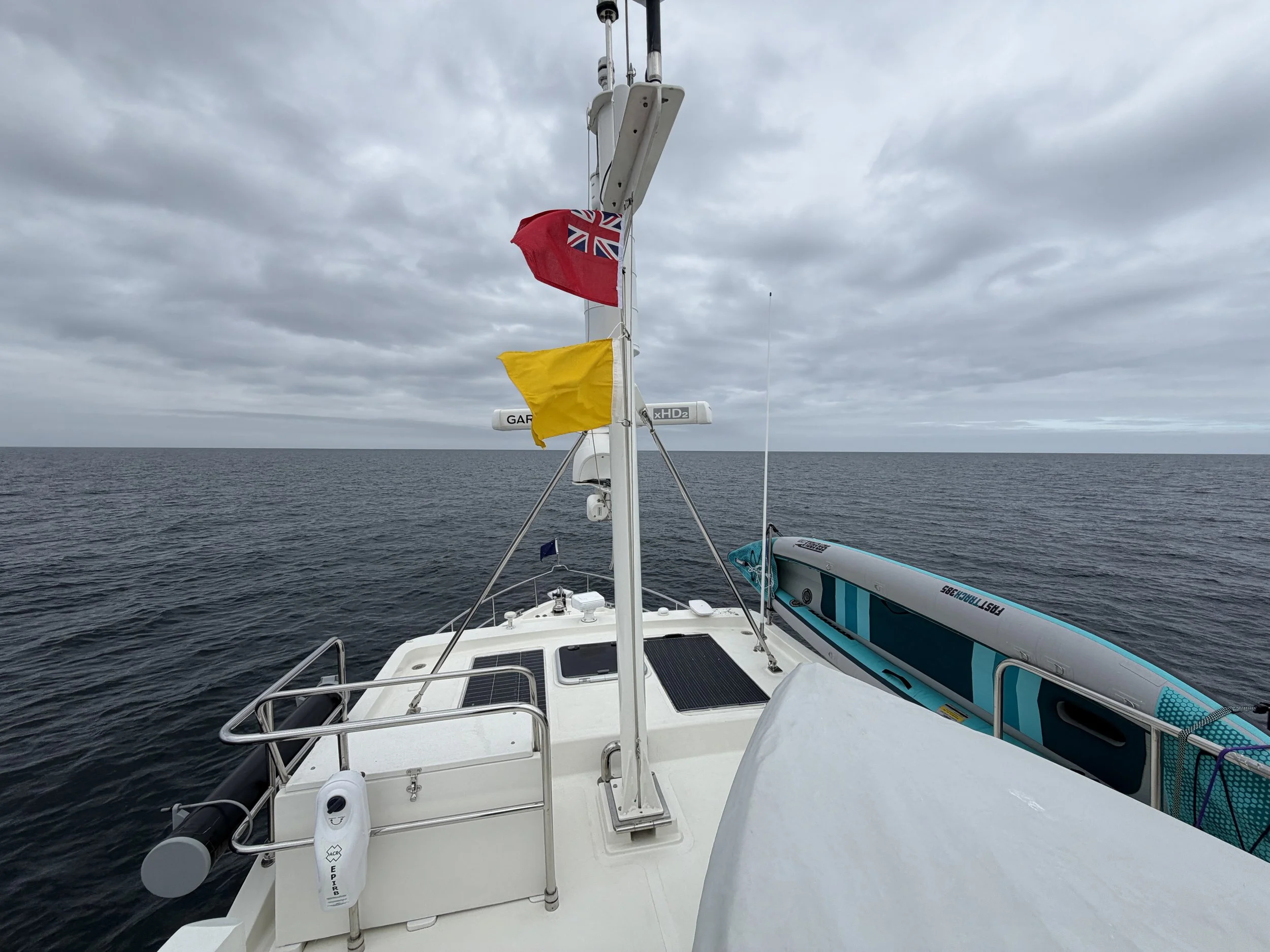
After about 6 hours underway they stopped in international waters between the Isle of Man (in the middle of the Irish Sea) and Northern Ireland to sign the transfer paperwork. Once signed they changed Meraki’s flag, hoisted the UK courtesy flag and continued on.
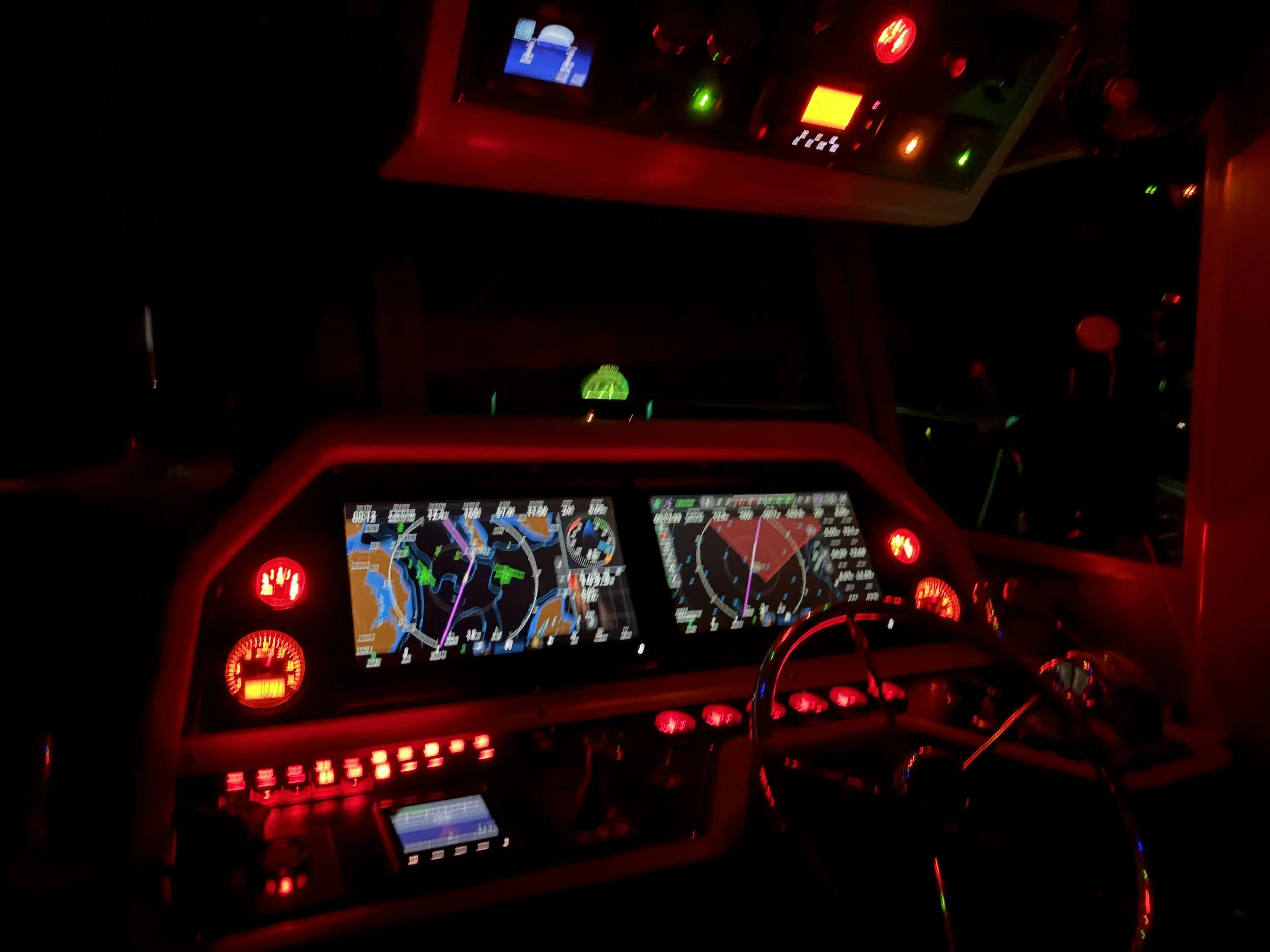
Surprisingly, the weather cooperated as forecast and alternating watches at the helm through the night, Tom and Wai arrived in Ardrossan in late morning. They tied up at last and went straight to bed. Early that evening they took a short walk, and celebrated their arrival at an Italian restaurant.
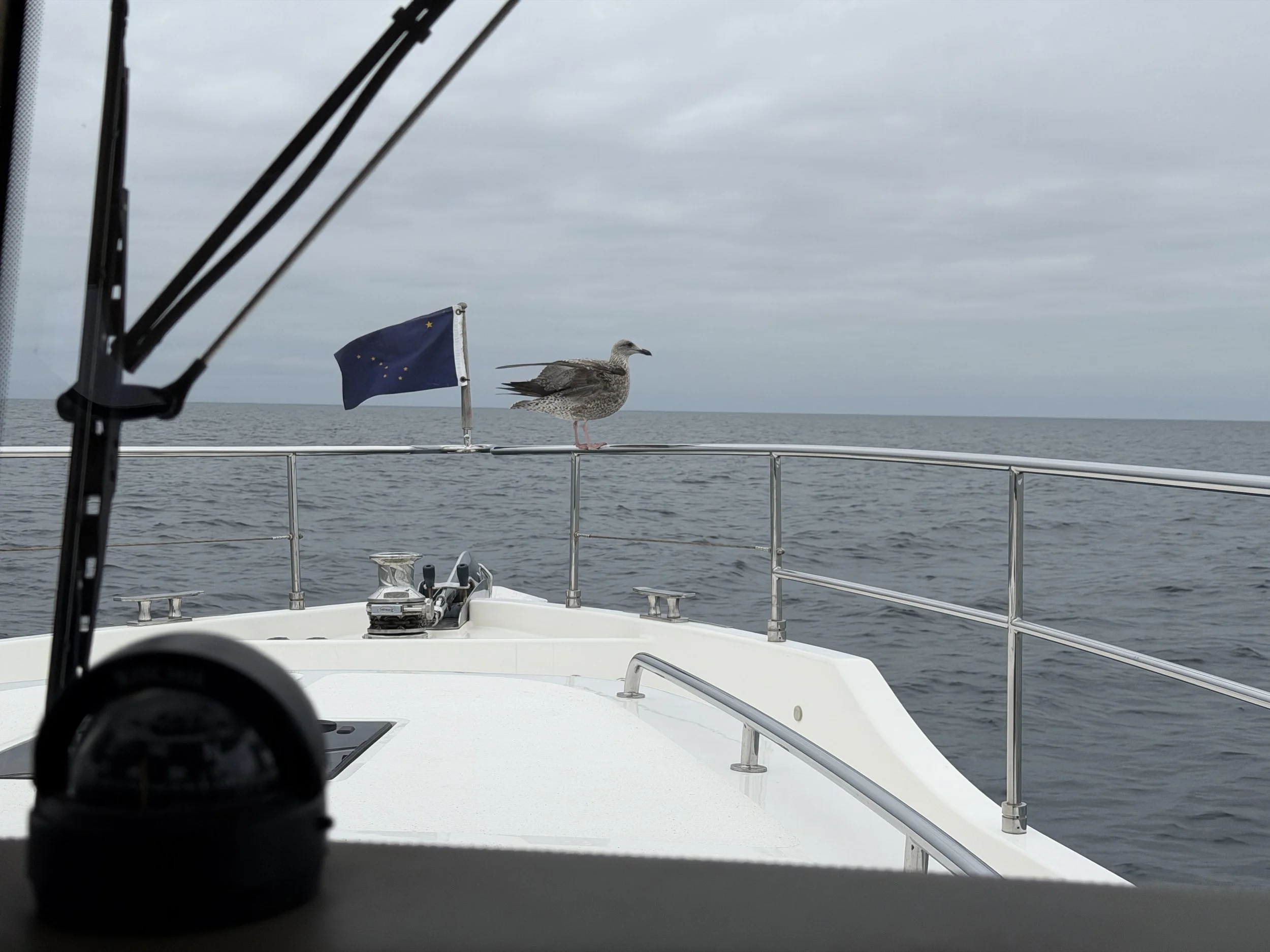
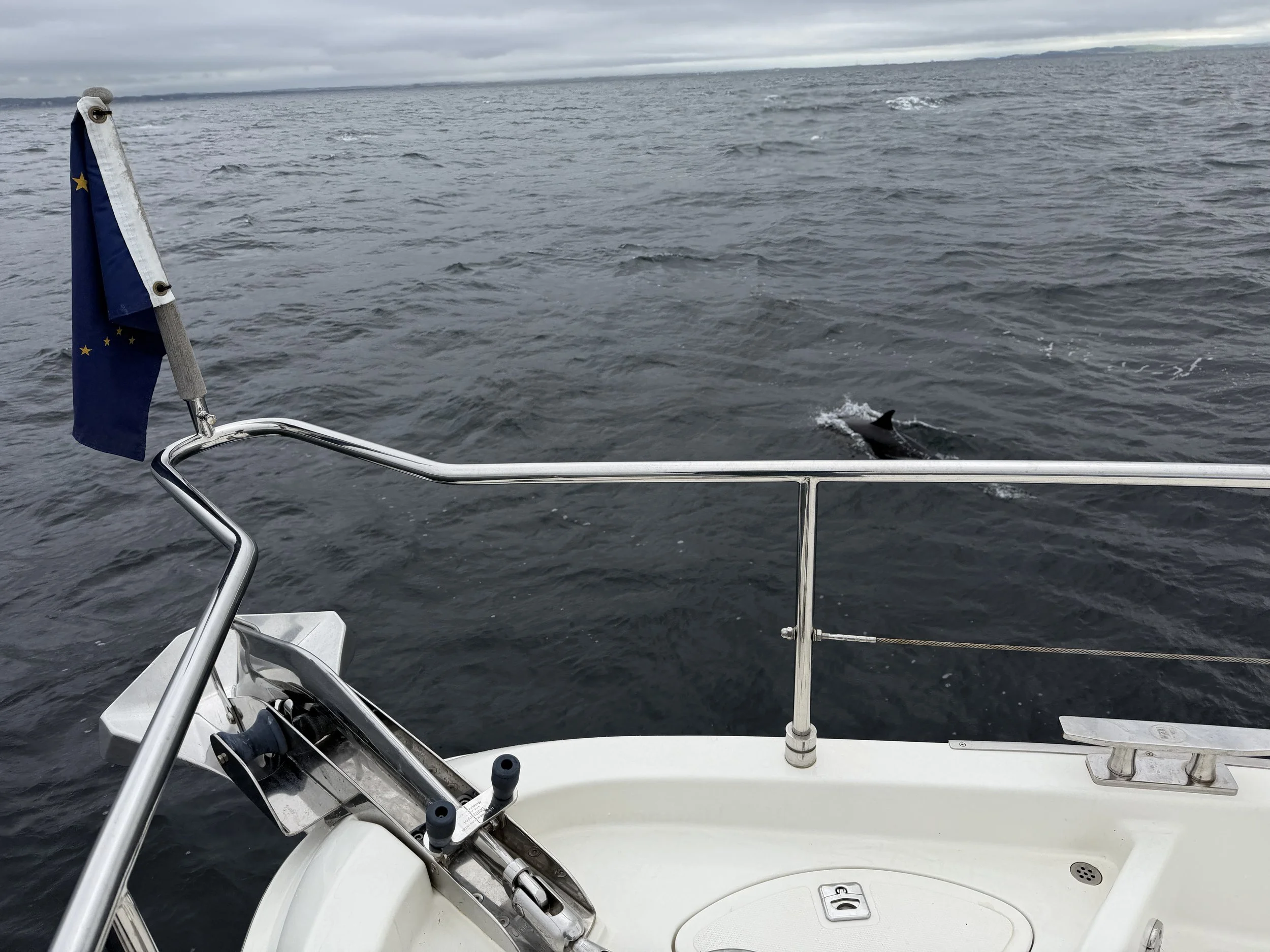
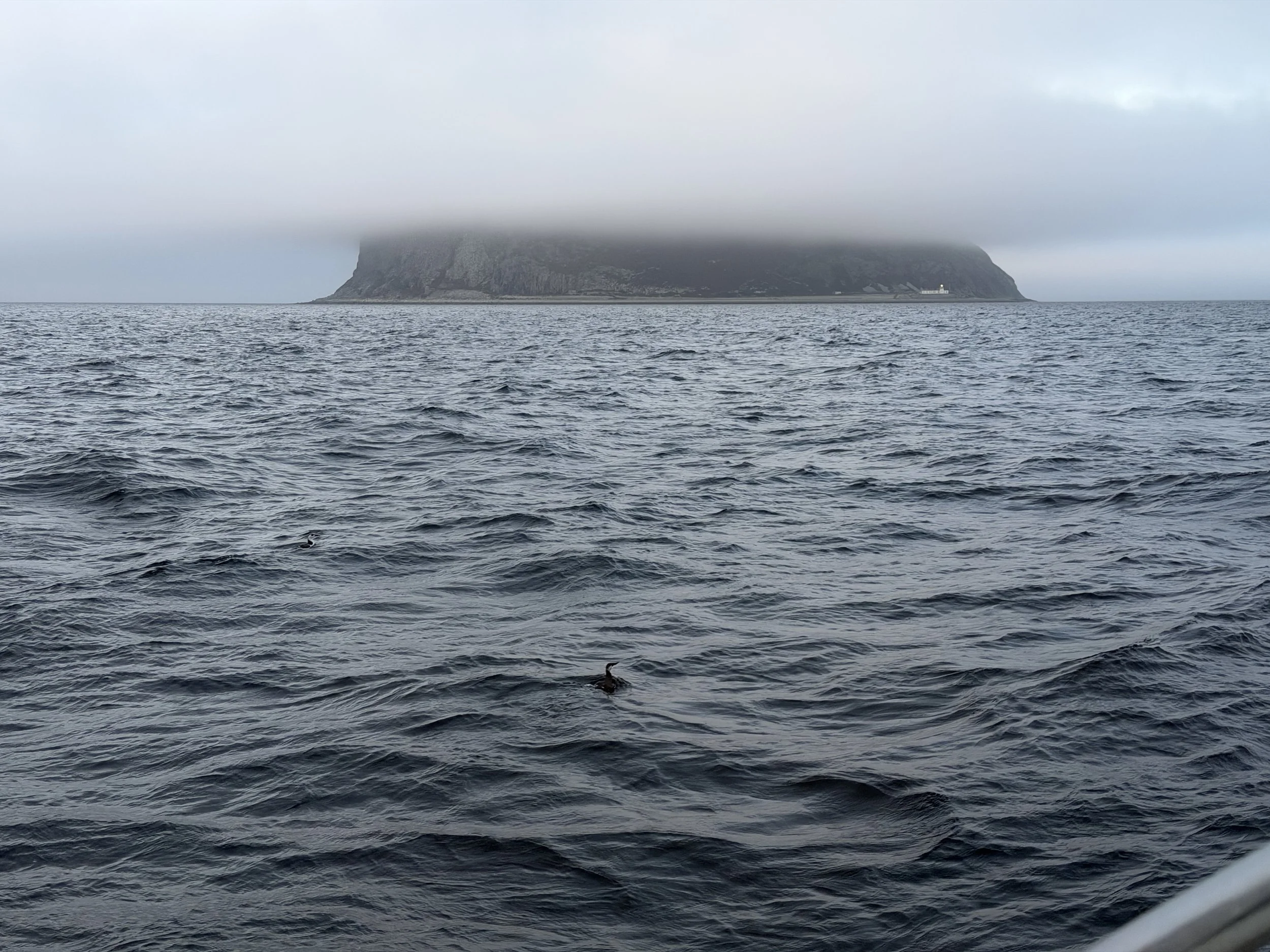
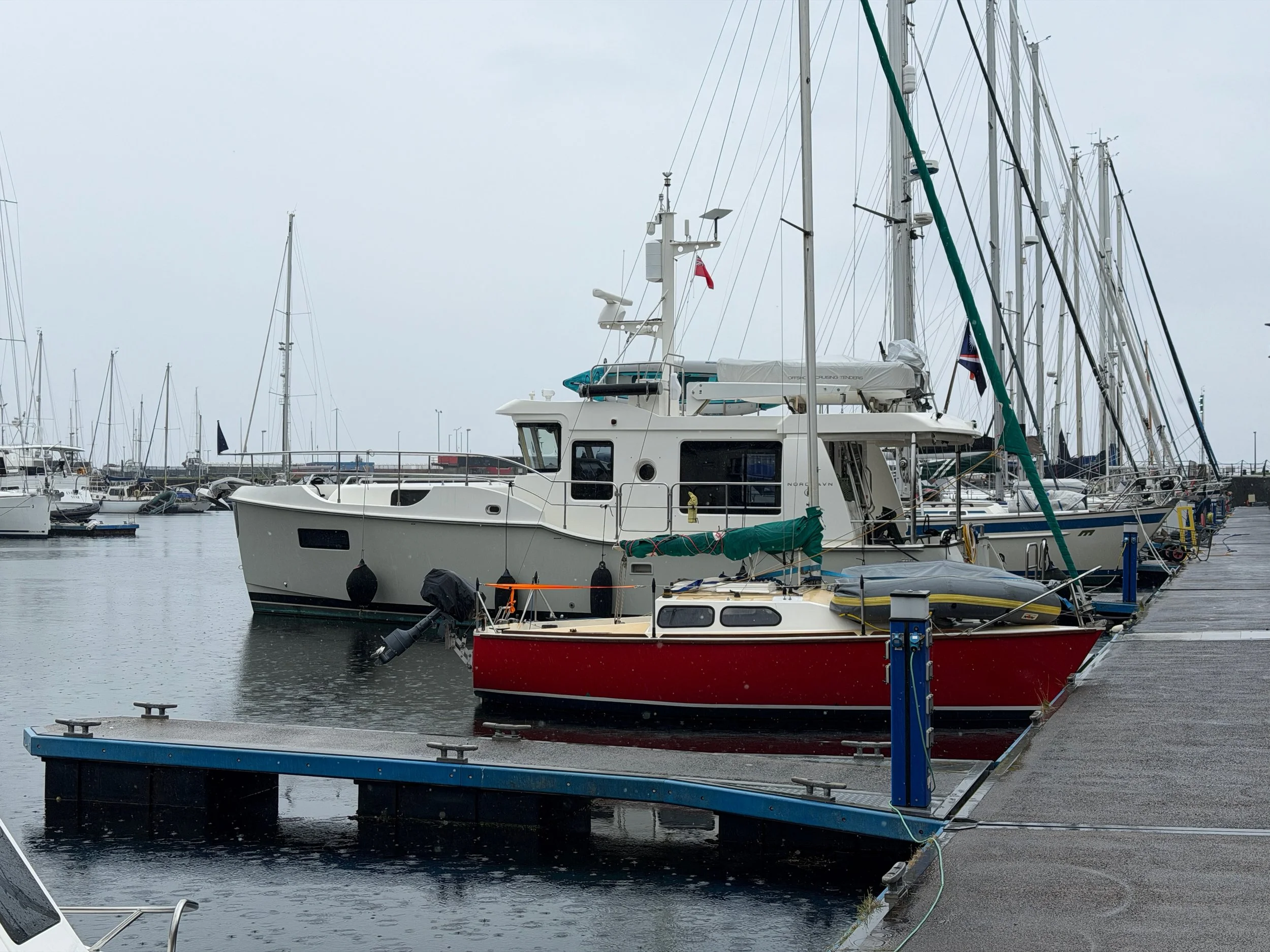
Two and a half months after our planned arrival, Meraki was finally in Scotland. The next day Tom and Wai took the train into Glasgow. Wai boarded a second train headed to Edinburgh where he would spend a couple of nights before catching a flight home to Seattle. Tom would head to the Glasgow Airport to rent a car before returning to Clyde Marina in Ardrossan. Without me sitting alongside acting as a broken record, Tom chanted “stay left” to himself the entire way back. It is always a mind shift. Our friend Gary says driving on the left is not right, but is not wrong either, but for a US driver it is always a bit of an effort to remember to stay left. Easy enough on a motorway but through winding roads, on ramps, off ramps, intersections and especially roundabouts (where the traffic flows clockwise!) it is a bit of a twist. The mantra ‘stay left, stay left, stay left’ must be vocalized aloud.
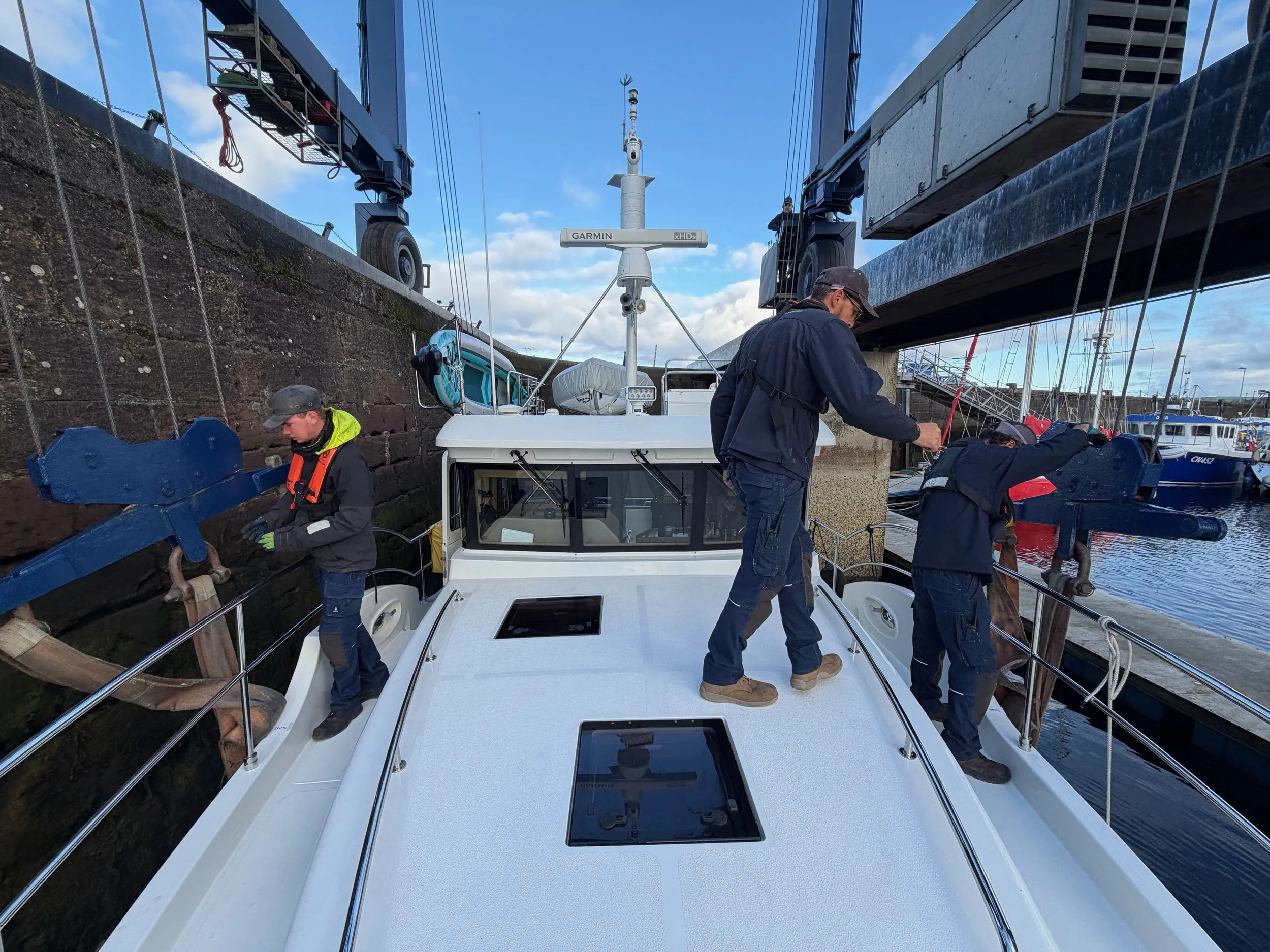
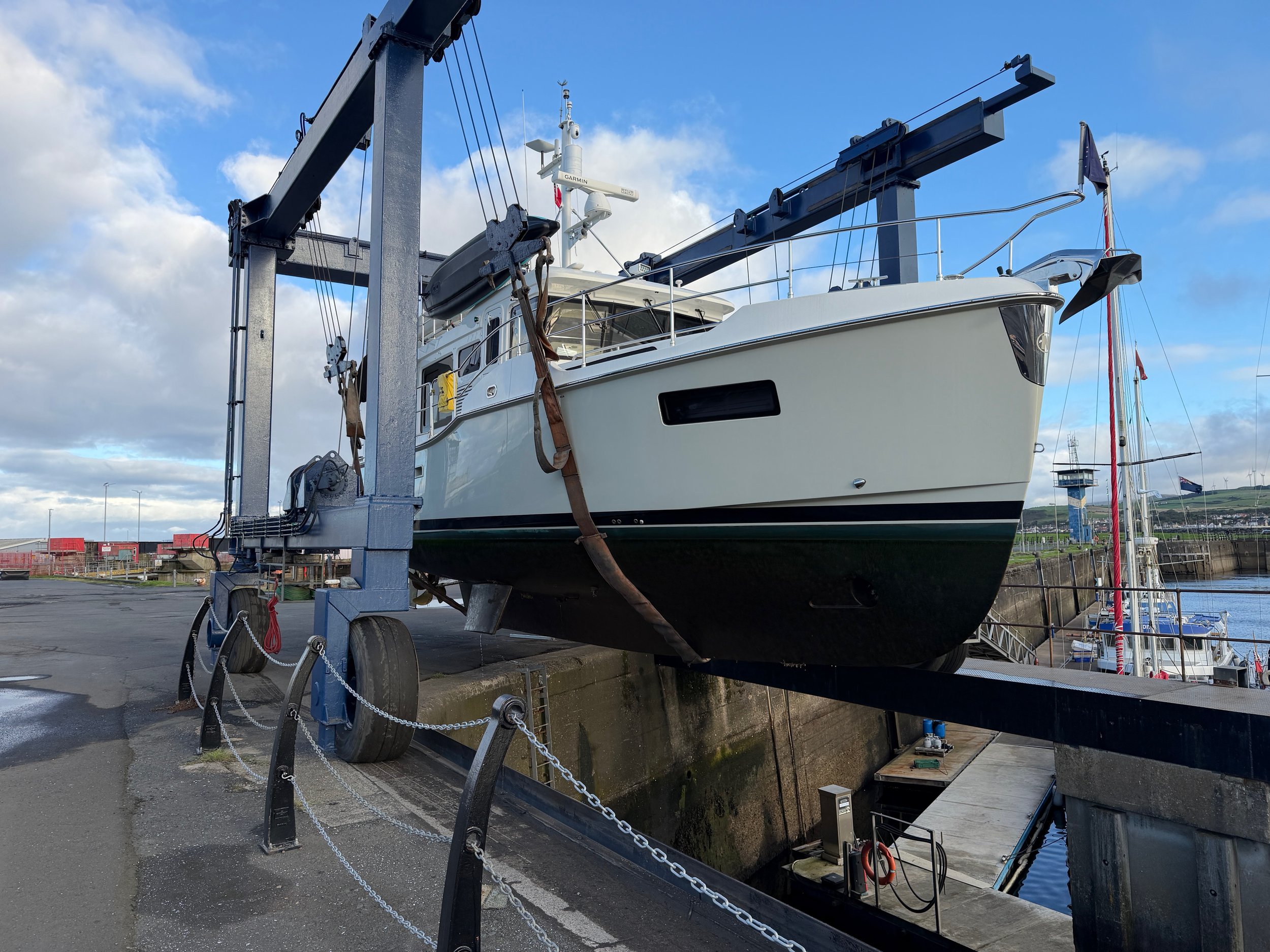
The next day the boat was to be lifted out and put on the hard. There wasn’t much to prepare except laundry including bedding and towels which would be harder to do once out of the marina. When the boatyard crew arrived at the boat at 8am Tom was coffee’d up and had the engines warming up. He only had to transit the length of the marina but some sections were quite tight, and there was a bit of a cross wind. It was further complicated by the fact that the haul-out bay had no pontoon, only rough concrete pilings, so it took a little finesse to gracefully back into the slings.
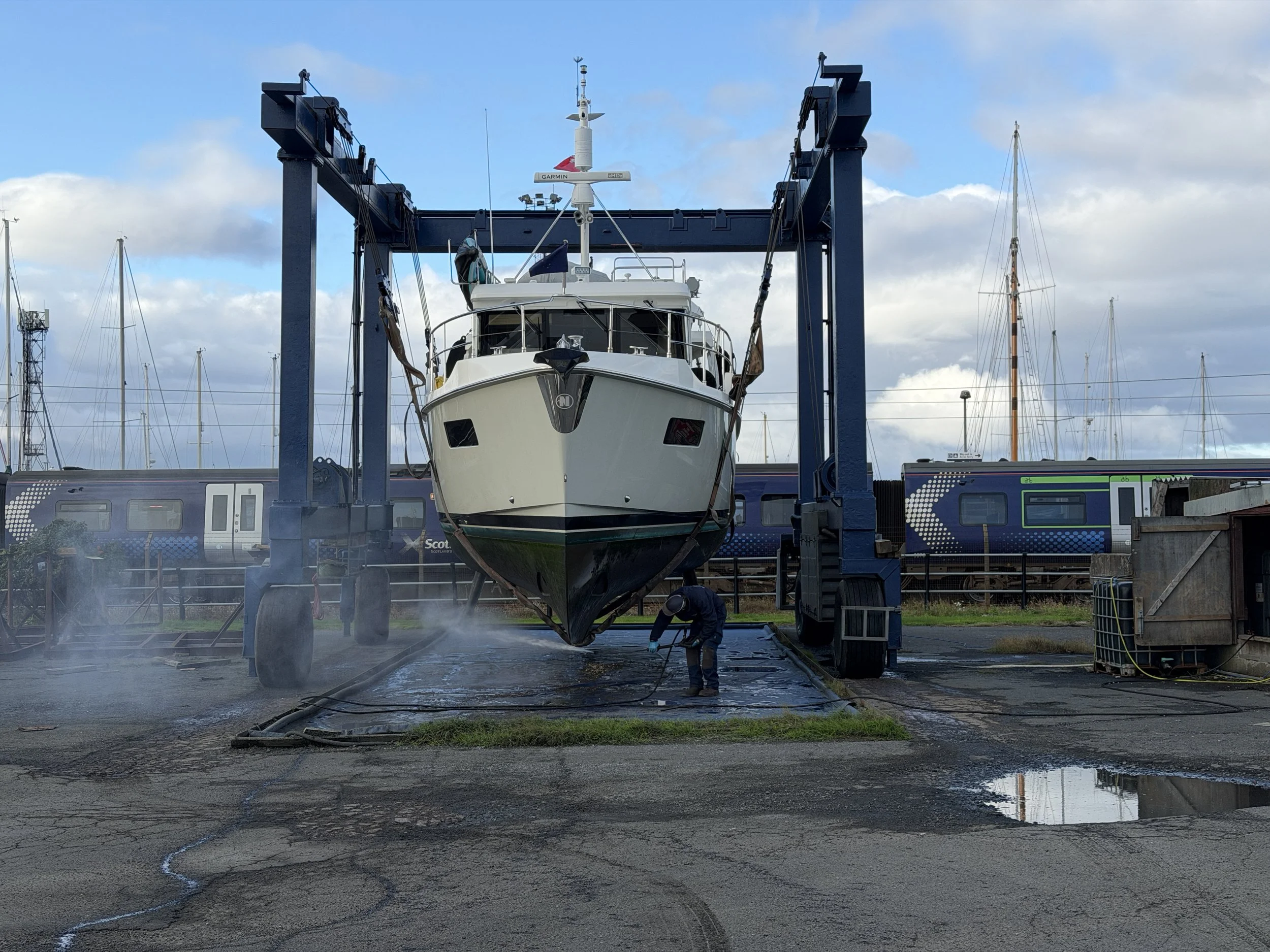
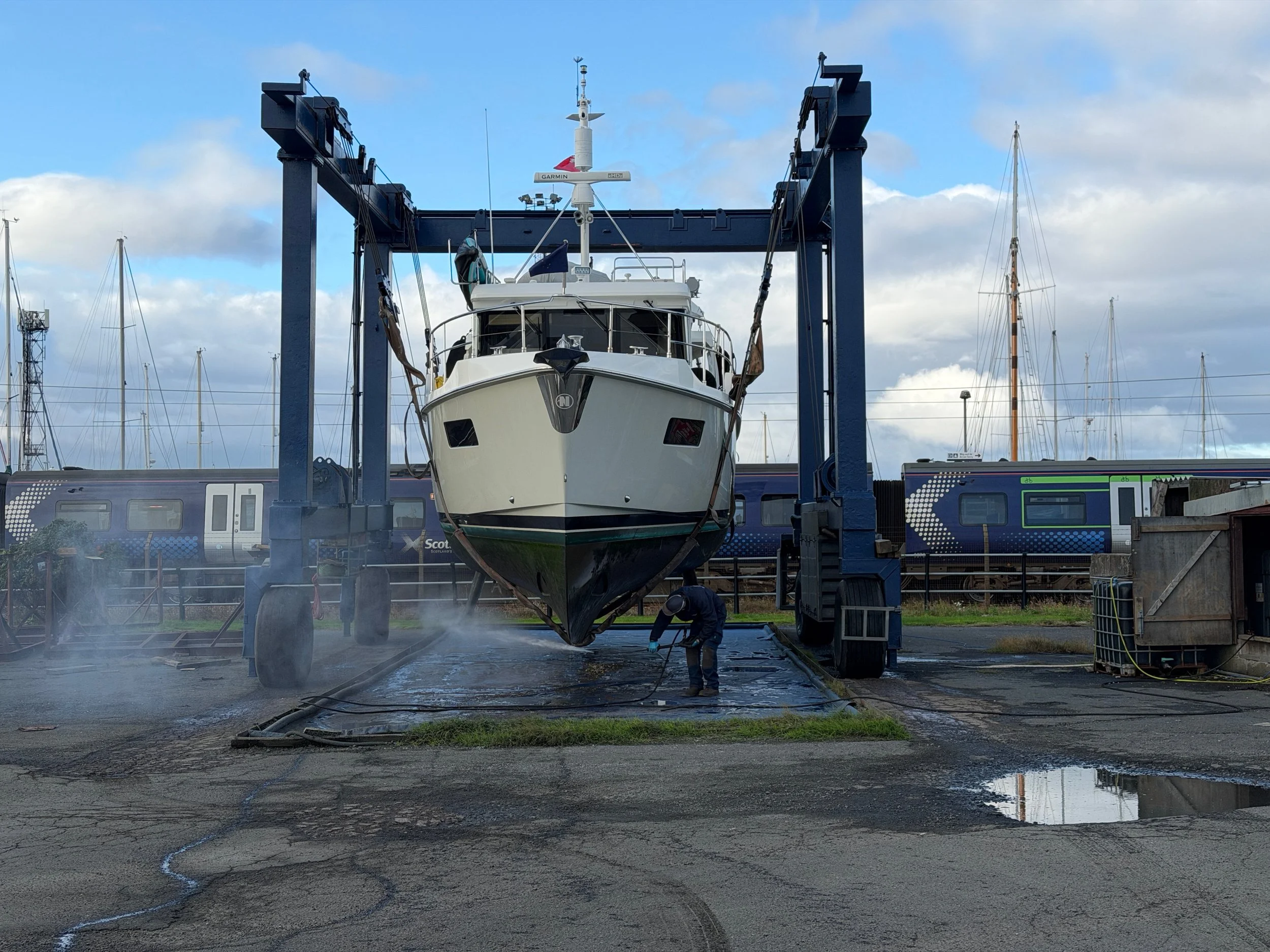
Lifting a boat out of the water is always amazing AND quite nerve wracking. The guys at the yard do it all day long for several months - they know what they’re doing, but it is still astounding to us. We have lifted our boat 5 times now because, all things being equal, our preference is to store it ashore. Once out of the water, Meraki had a pressure wash and was moved to her new home for the next 6 months.
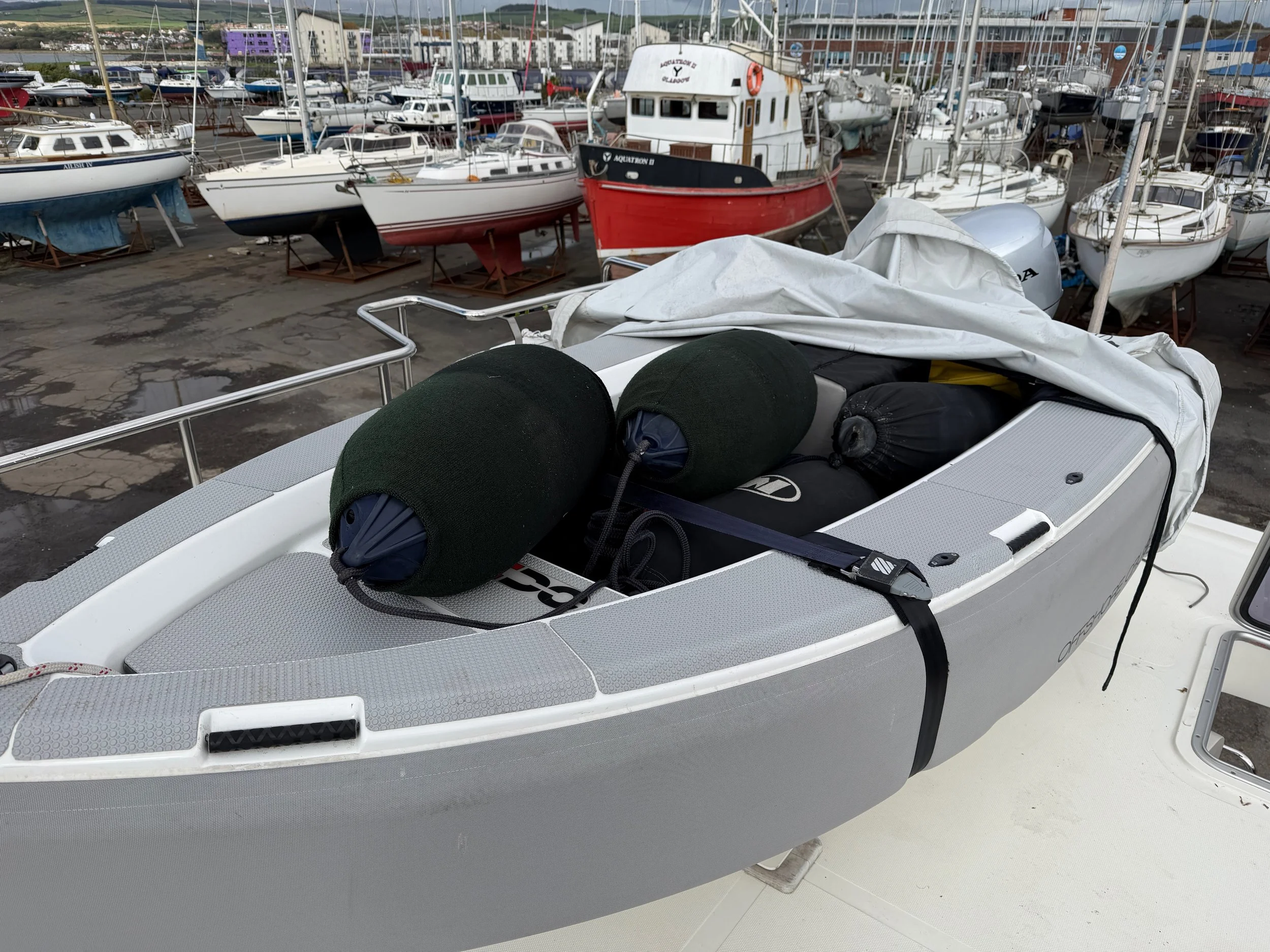
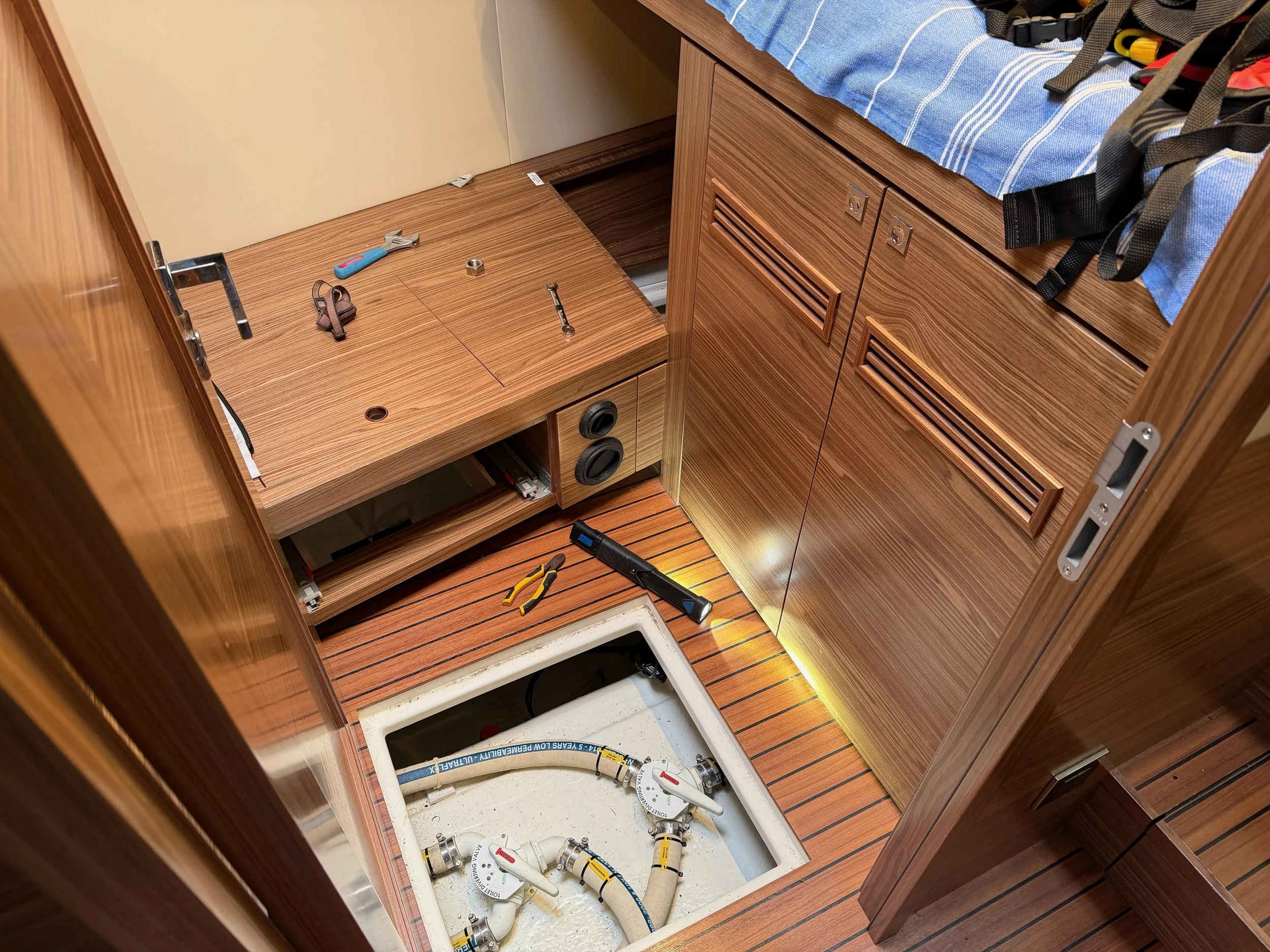
Over the next couple days Tom winterized the boat; the fresh water system was purged, the watermaker was pickled with RV antifreeze, a dehumidifier was set up in the hope of keeping it too dry for mold to grow.
Next on the agenda was to meet with a couple of the local tradesman in the boatyard; a certified Beta mechanic will do the engine and generator service and winterizing, and someone else who will polish and wax the fiberglass and change the zincs as needed.
With the boat 90% ready, Tom headed for Whitchurch England for the weekend at the home of our friends Gary and Julia. They had been graciously collecting packages for us for months and it was past time to collect them. It is a long drive (8 hours and 440 miles) but once on the motorway Tom could suspend the “stay left” chant. He arrived in late afternoon and enjoyed Julia’s delicious home-cooked shrimp dinner.
The next day the three of them relaxed, caught up on all the news, and took the dogs for a walk in the countryside. That evening Julia prepared a traditional Sunday roast with Yorkshire Pudding and all the trimmings. It was Tom’s first truly restful day since leaving Palmer 3 weeks prior and it was nothing short of wonderful. (Thank you Gary and Julia!)
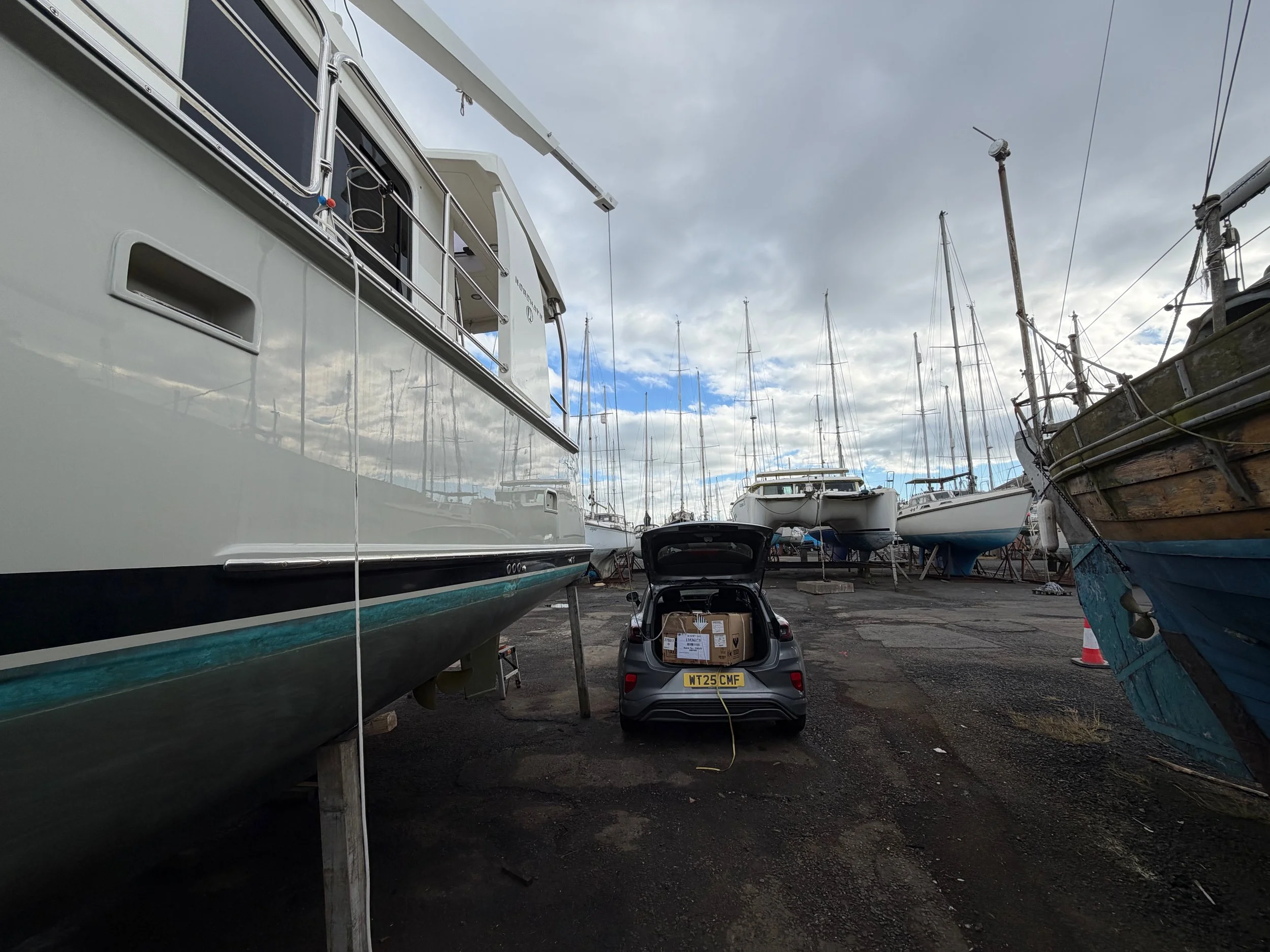
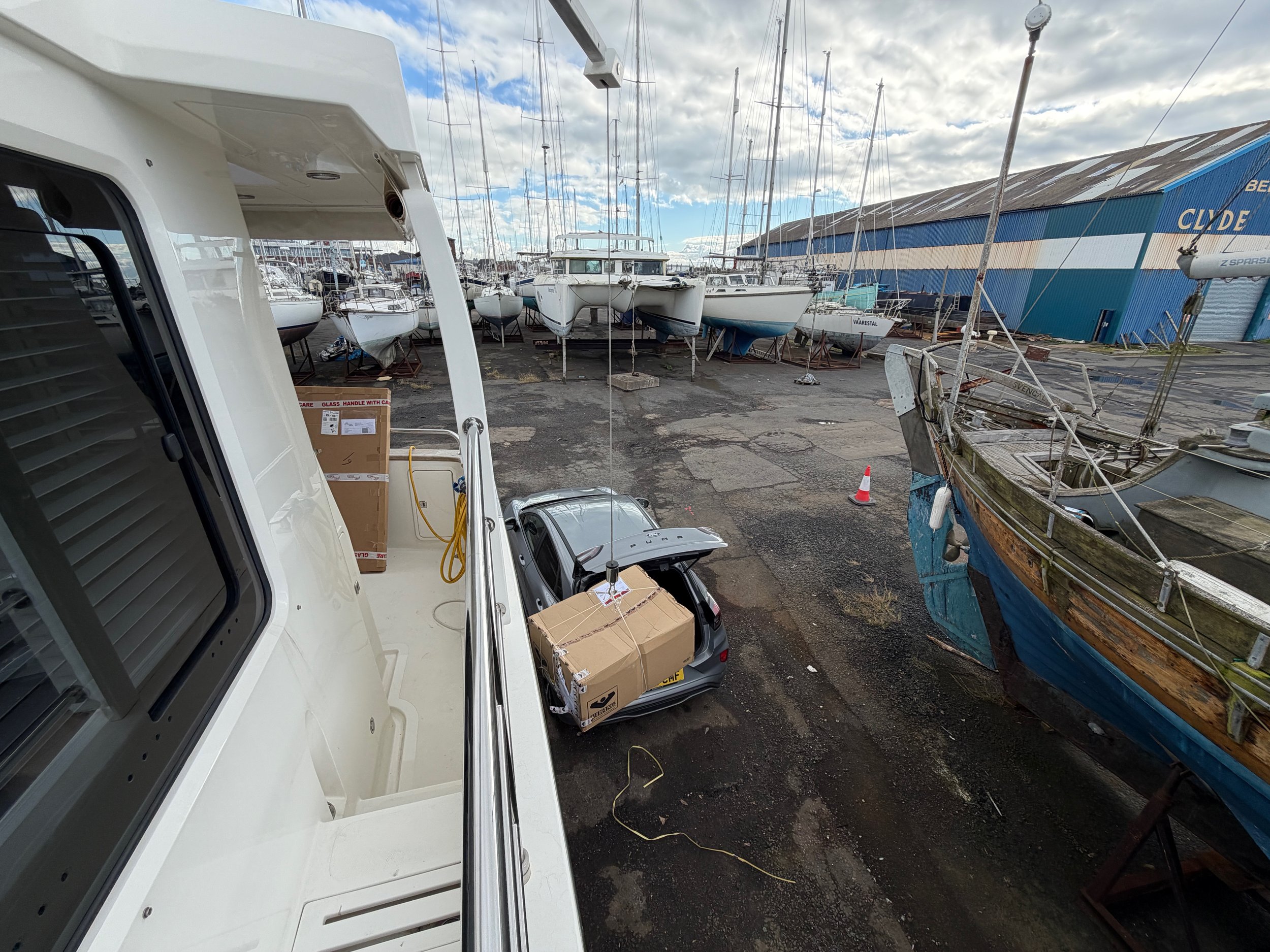
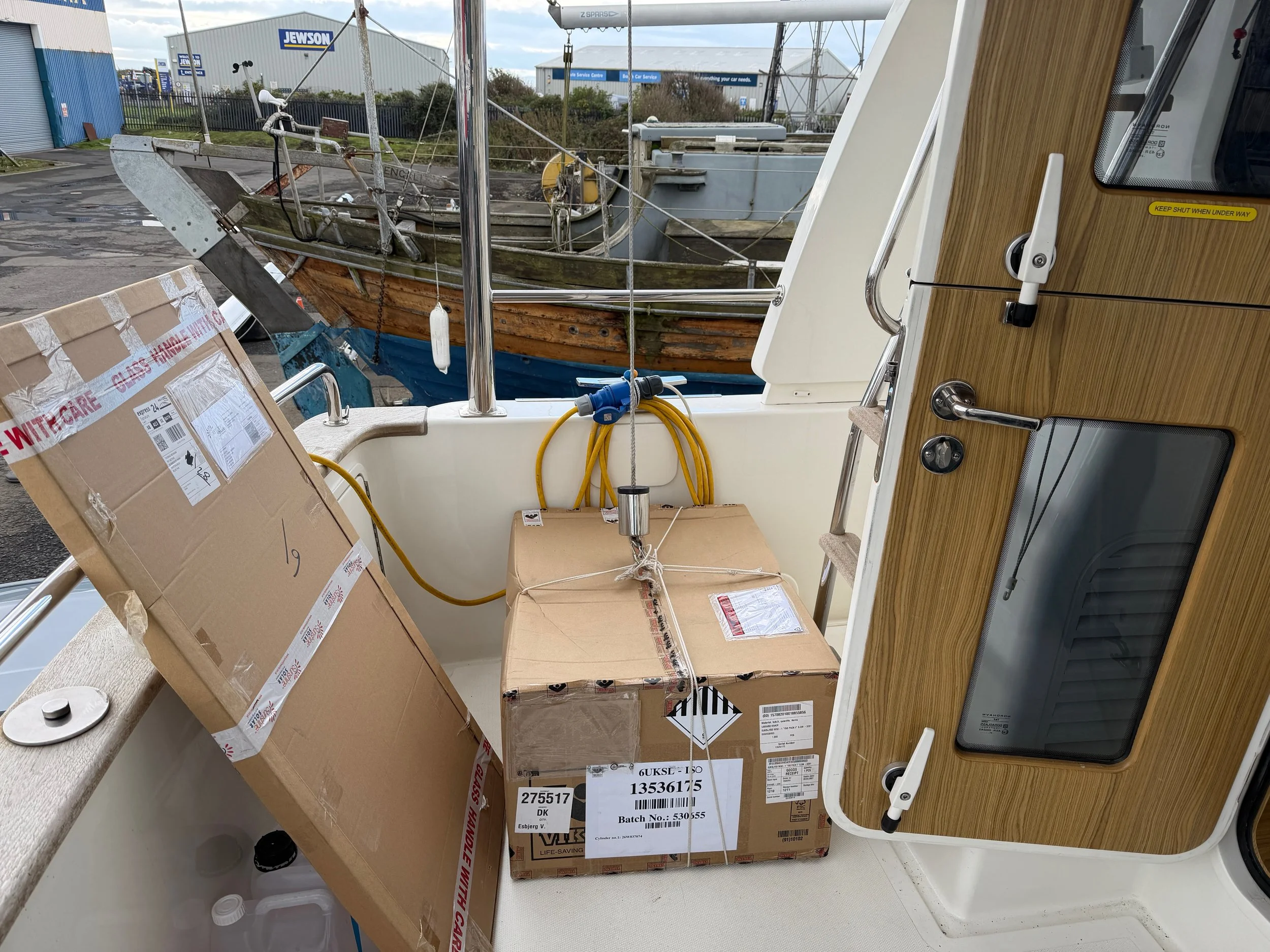
Monday was an even longer drive from southern England to Edinburgh, Scotland to pick up a new life-raft which we had shipped to our friend Carn back when we’d thought we’d be picking it up in June. From there it was back to Ardrossan - 10 hours of driving and 501 miles. It was a very, very long day but fun to see Carn, even if only briefly, and tour the facility where he is chief engineer. The facility is a company incubator where most of the firms are working on renewable energy or related technologies. We are so thankful they not only had room for our raft, but also a forklift to move it with! Spec sheets never really prepare you for how heavy things can really be.
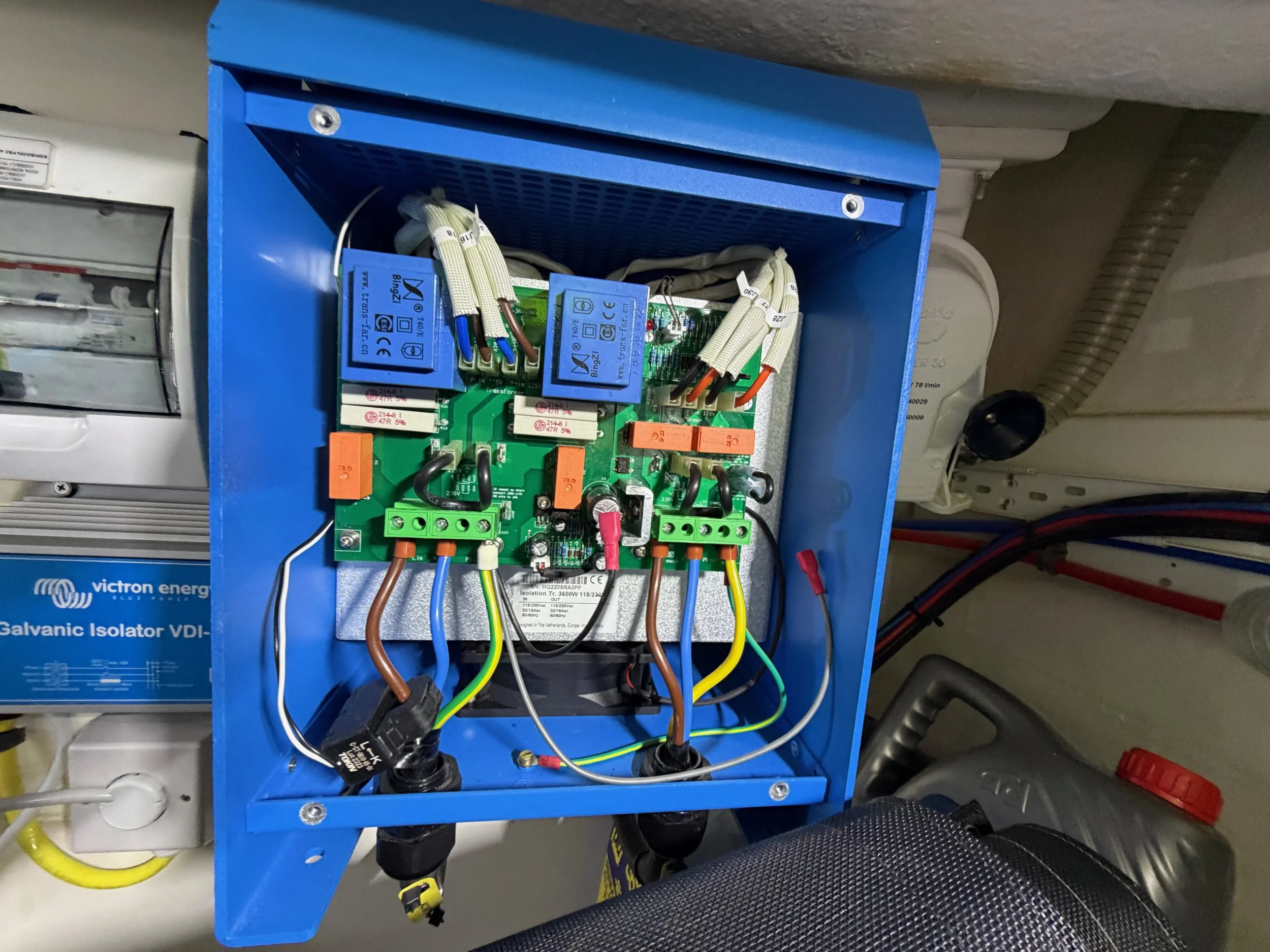
The following day was spent at the boat finalizing the last few things and stowing all the packages collected from our wonderful friends. Next there was a quick meeting with an electrician, who will take care of several projects including installing a new solar panel, reprogramming our AIS for our new Marshall Islands registration, and installing new transducers to replace the two that had failed.
With Meraki buttoned up for the winter it was off to the airport. Three flights later Tom landed in Alaska. Home for the winter.
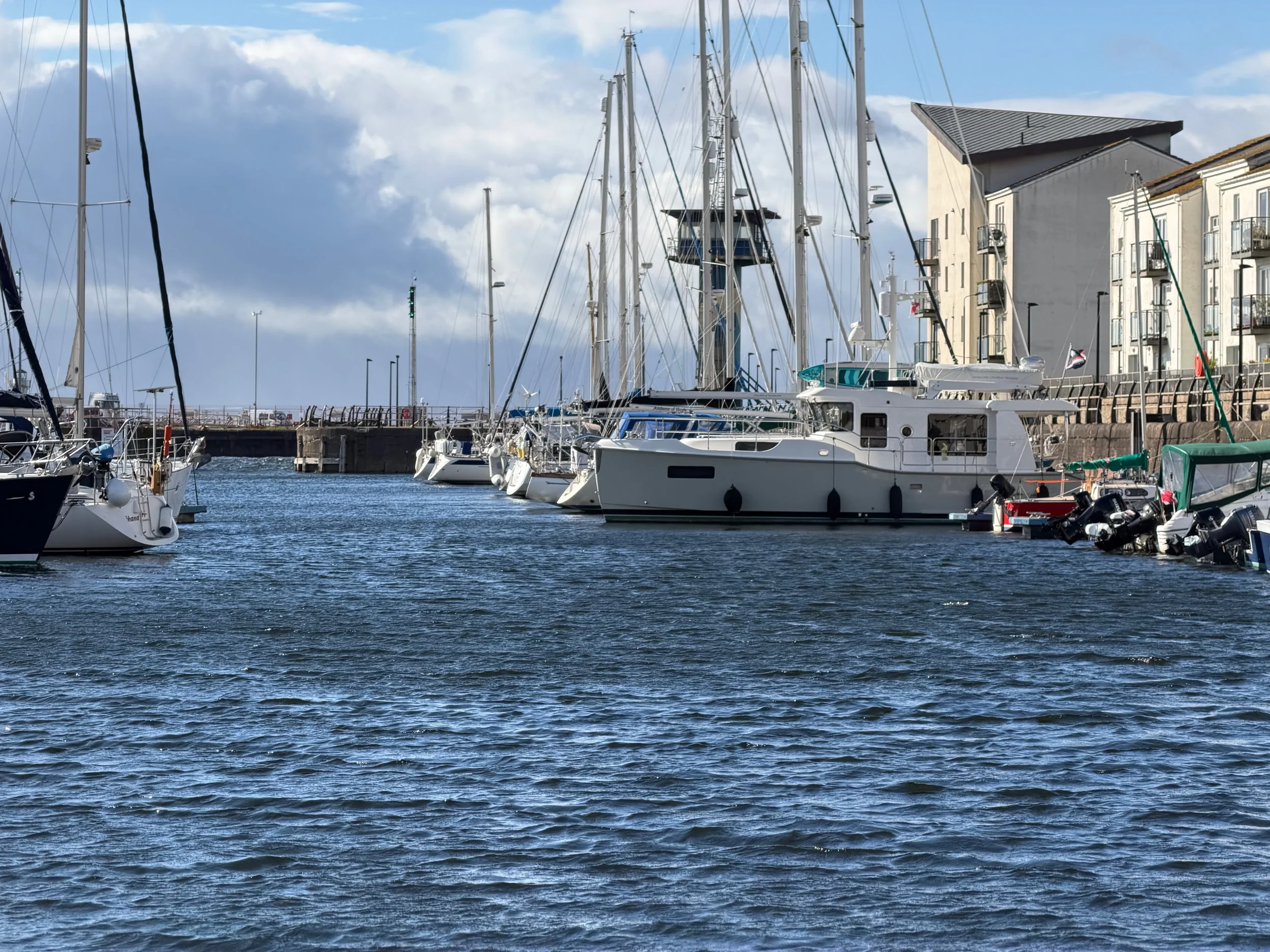
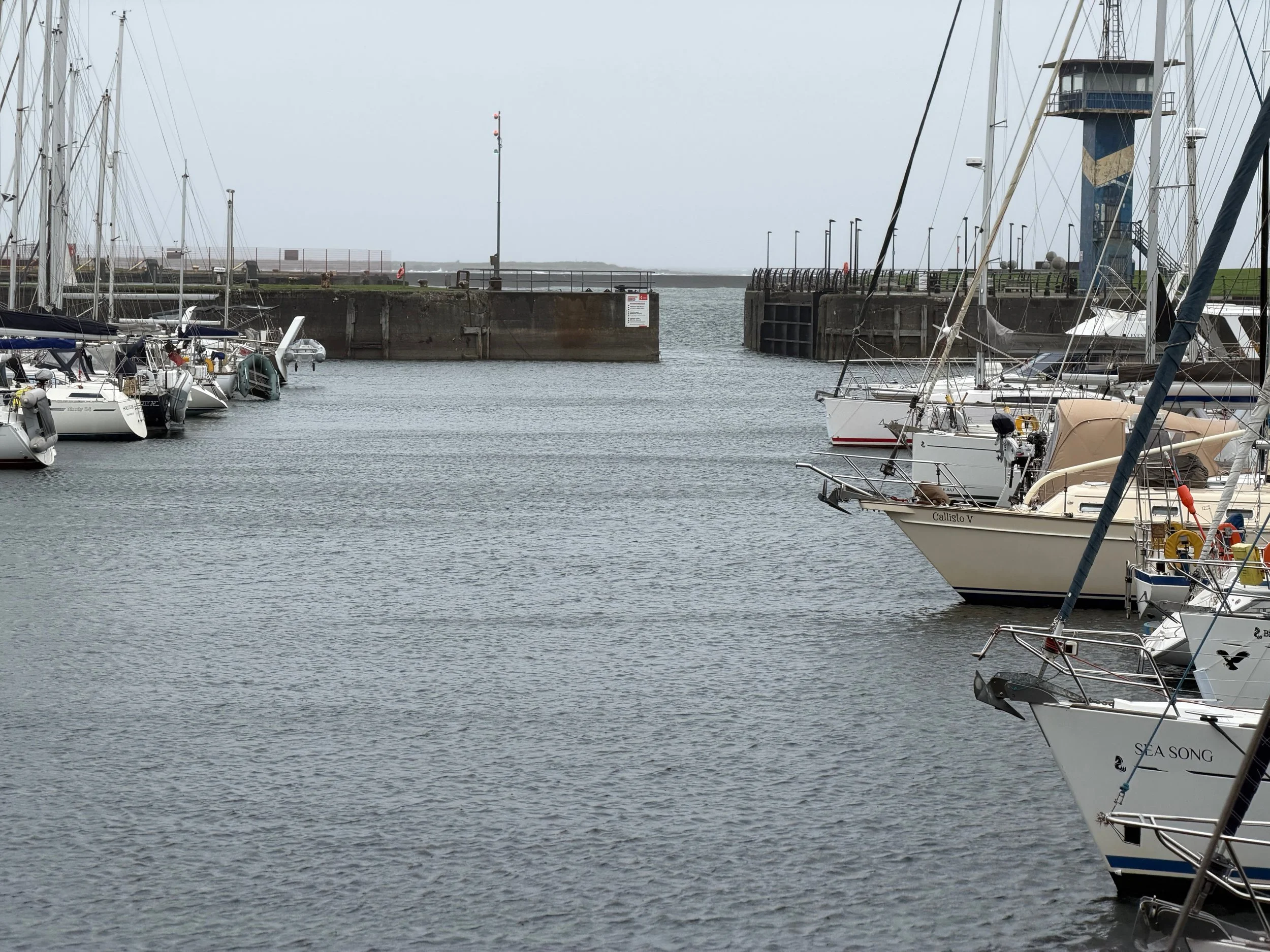
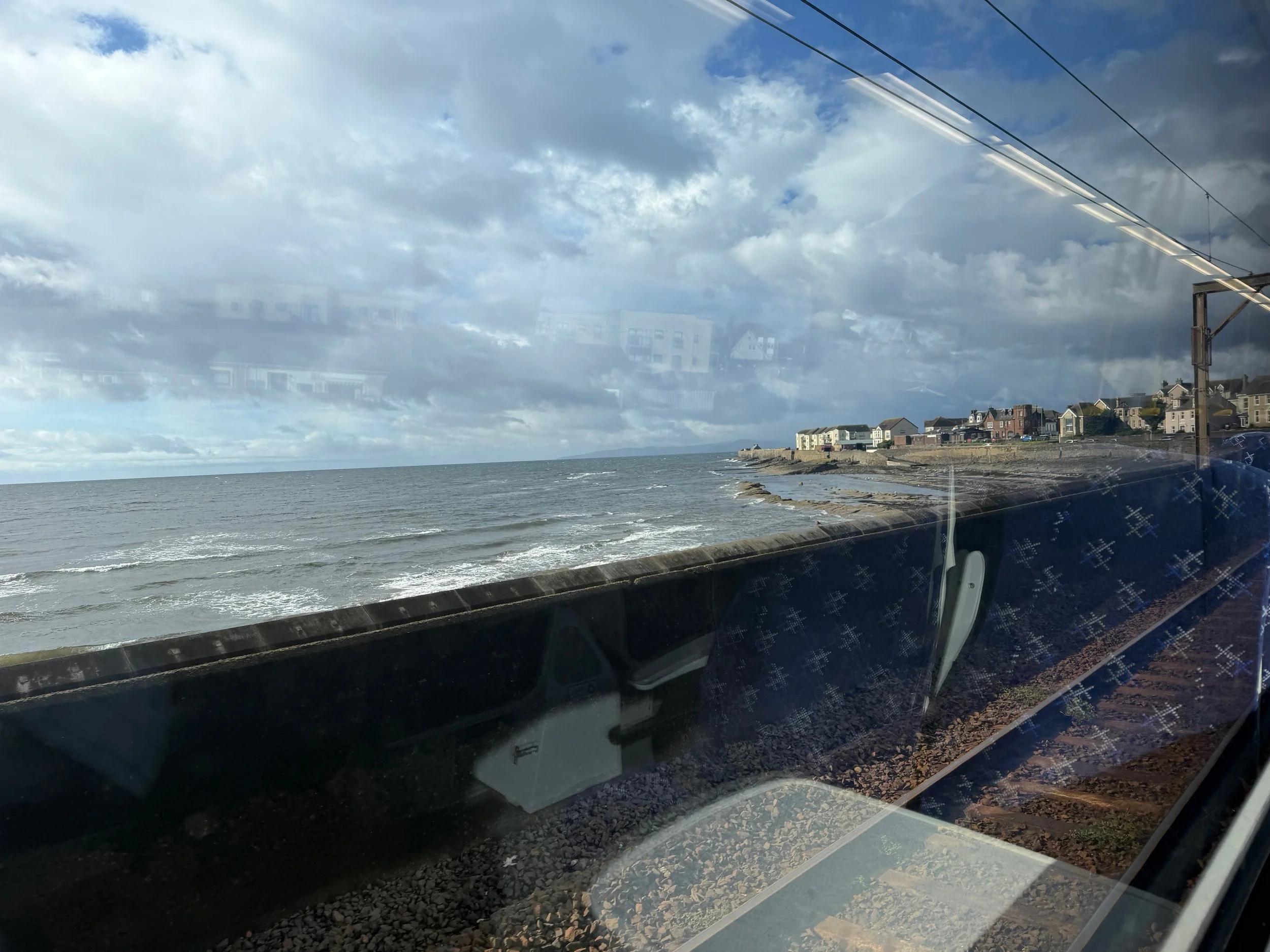
Now that we are both home we are making plans for next season. Our current thinking is to return to Meraki in the spring and cruise Scottish waters for 3-4 months before moving the boat south to Southampton. We have made the difficult decision to ship rather than cruise our boat to the US. The decision is based on a number of factors but mostly it is about choosing where we spend our time.
Taking Meraki along the Viking Route (Iceland, Greenland, Labrador) was our first choice of crossing the Atlantic, and giving that up was a hard pill to swallow. As the reality set in though, we realized that it would realistically take 4-5 months from start to finish. Furthermore, we would want a third crew member along for some sections of the transit and planning around unpredictable schedules is extremely difficult. The logistics are further complicated by the challenges of weather, timing of the icepack, finding a way to insure the boat, and the required paperwork in both Iceland and Greenland. At some point, probably while playing with our grandson, we realized we would rather not be committed to being so far away and out of touch for that long.
Our anguish over the loss of this long held dream is soothed by the anchor of family and friends and the comfort and shared history of home.
Time to settle in for the winter.
Note:
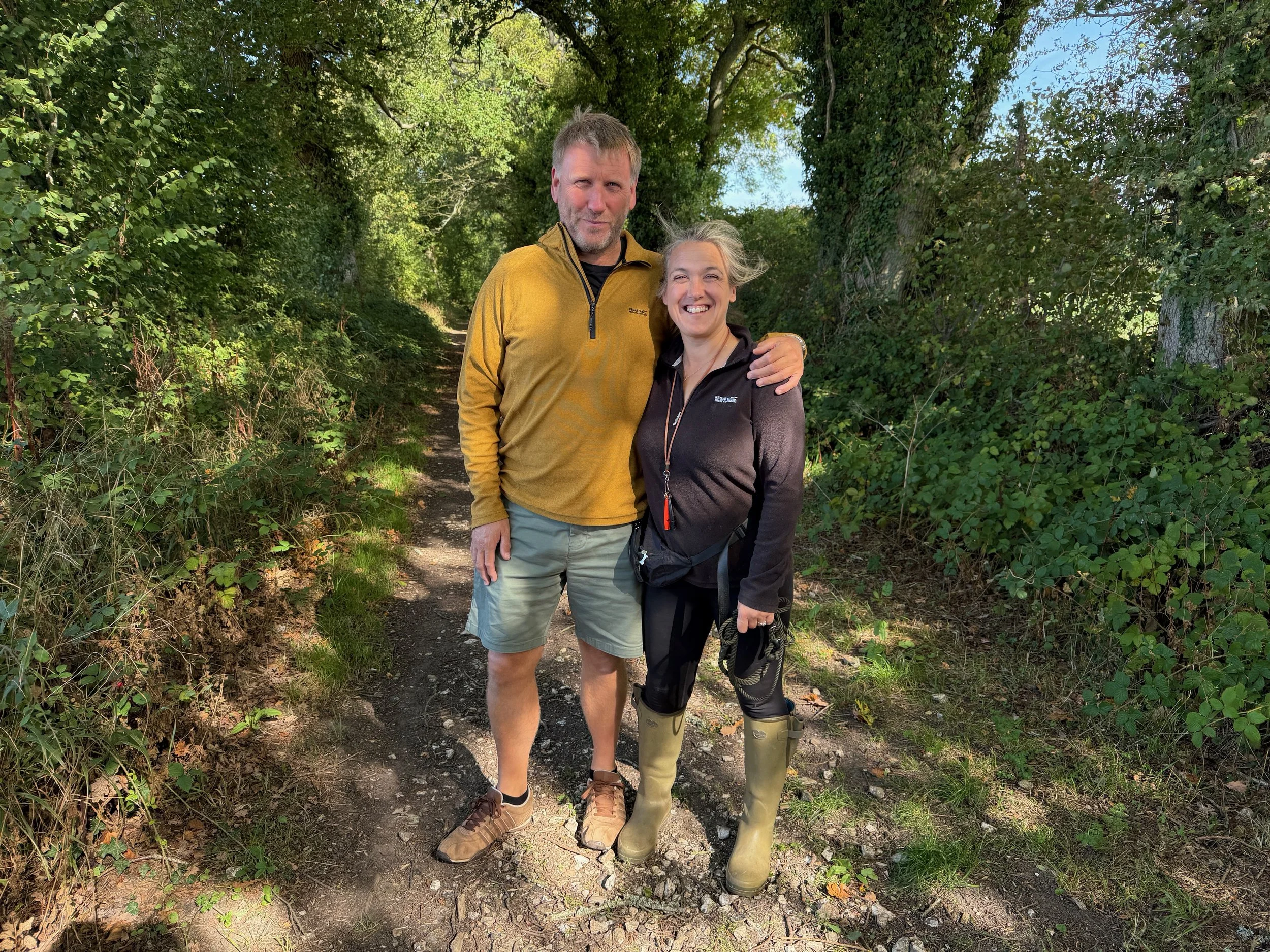
Many of the photos in this post were taken by Wai Chan. (We can’t you thank you enough, Wai, for all you’ve done for us!)
Photo captions will not appear if viewing on a cell phone.