

Gwynedd County Wales
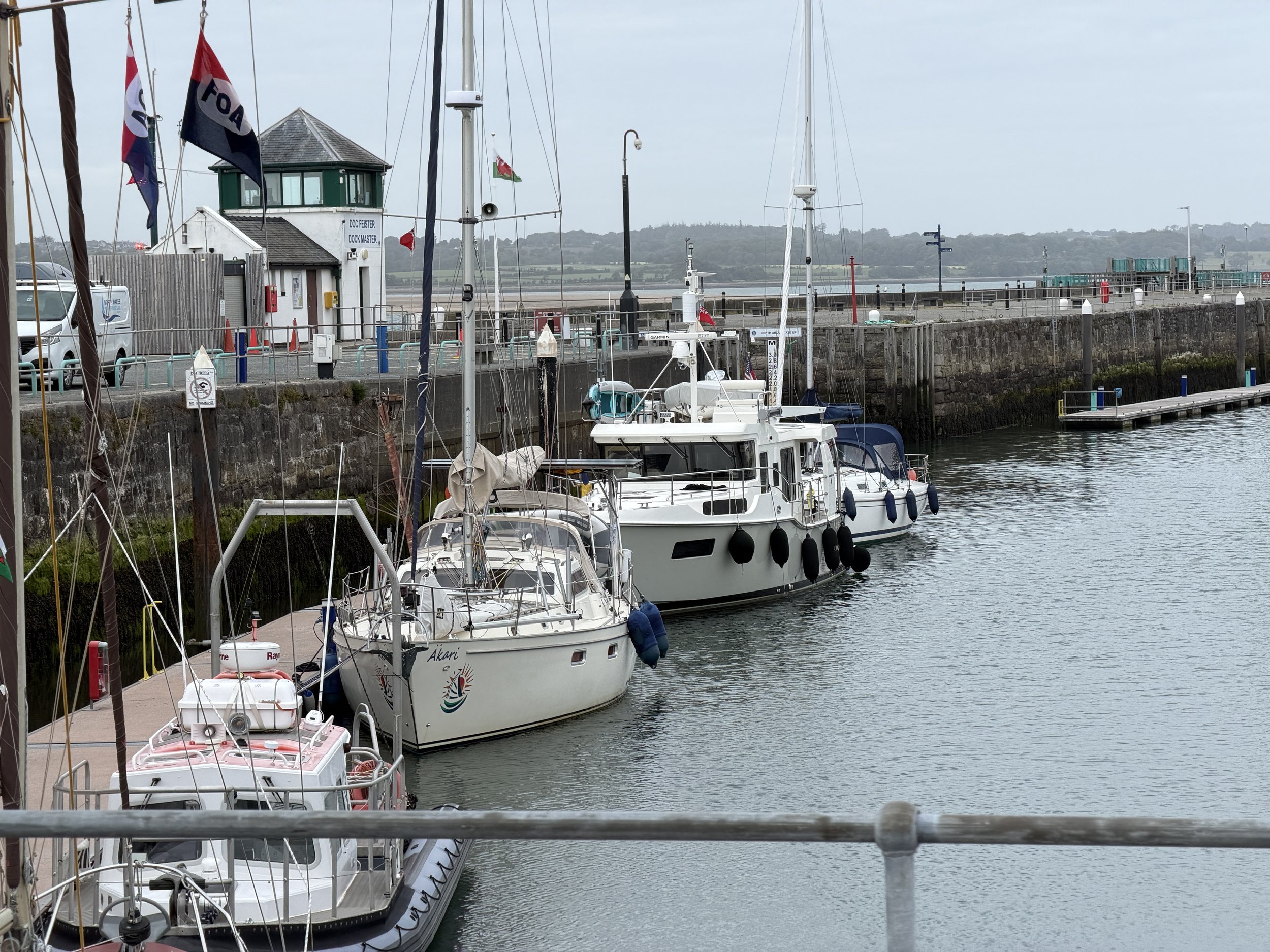
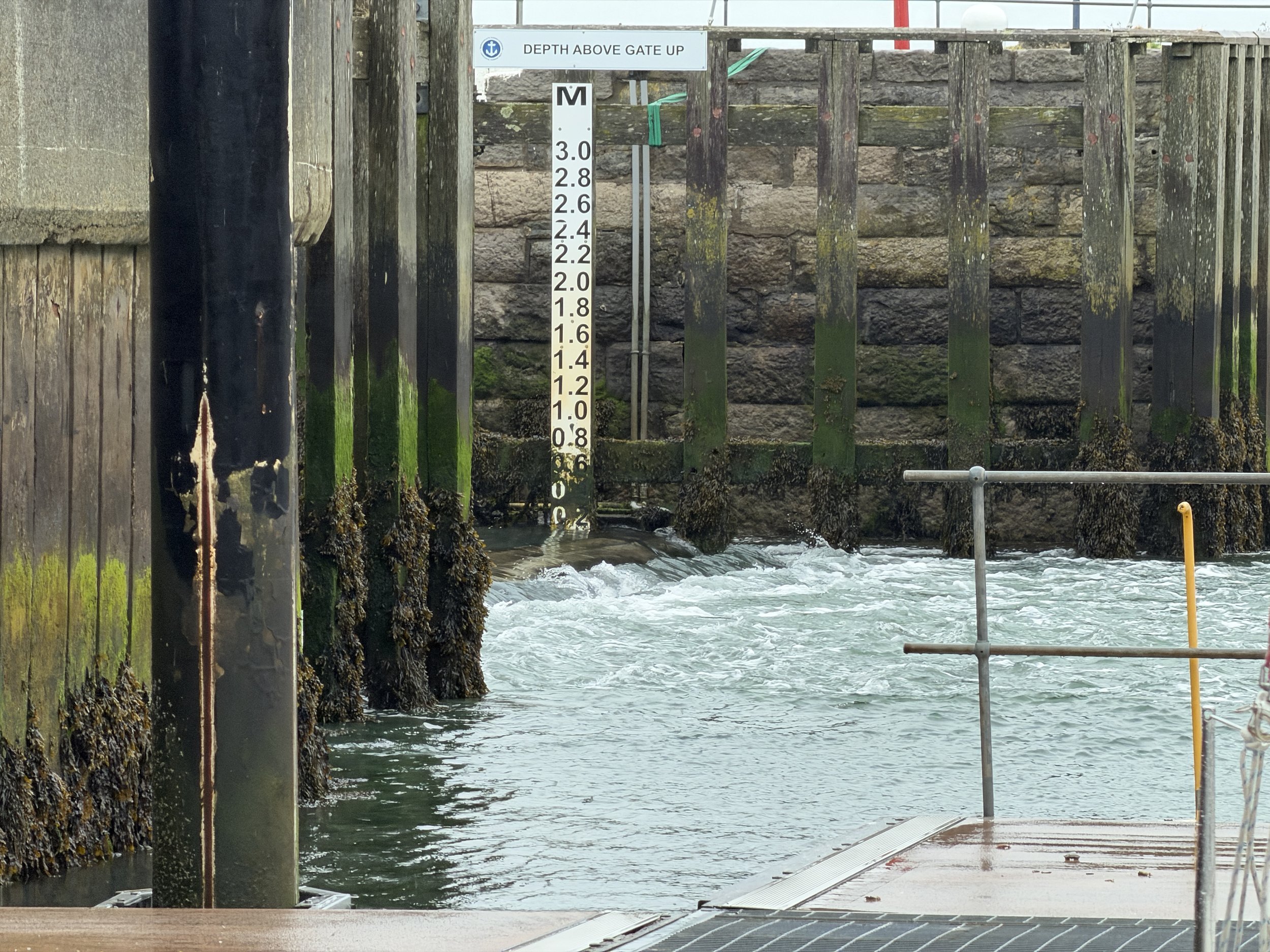
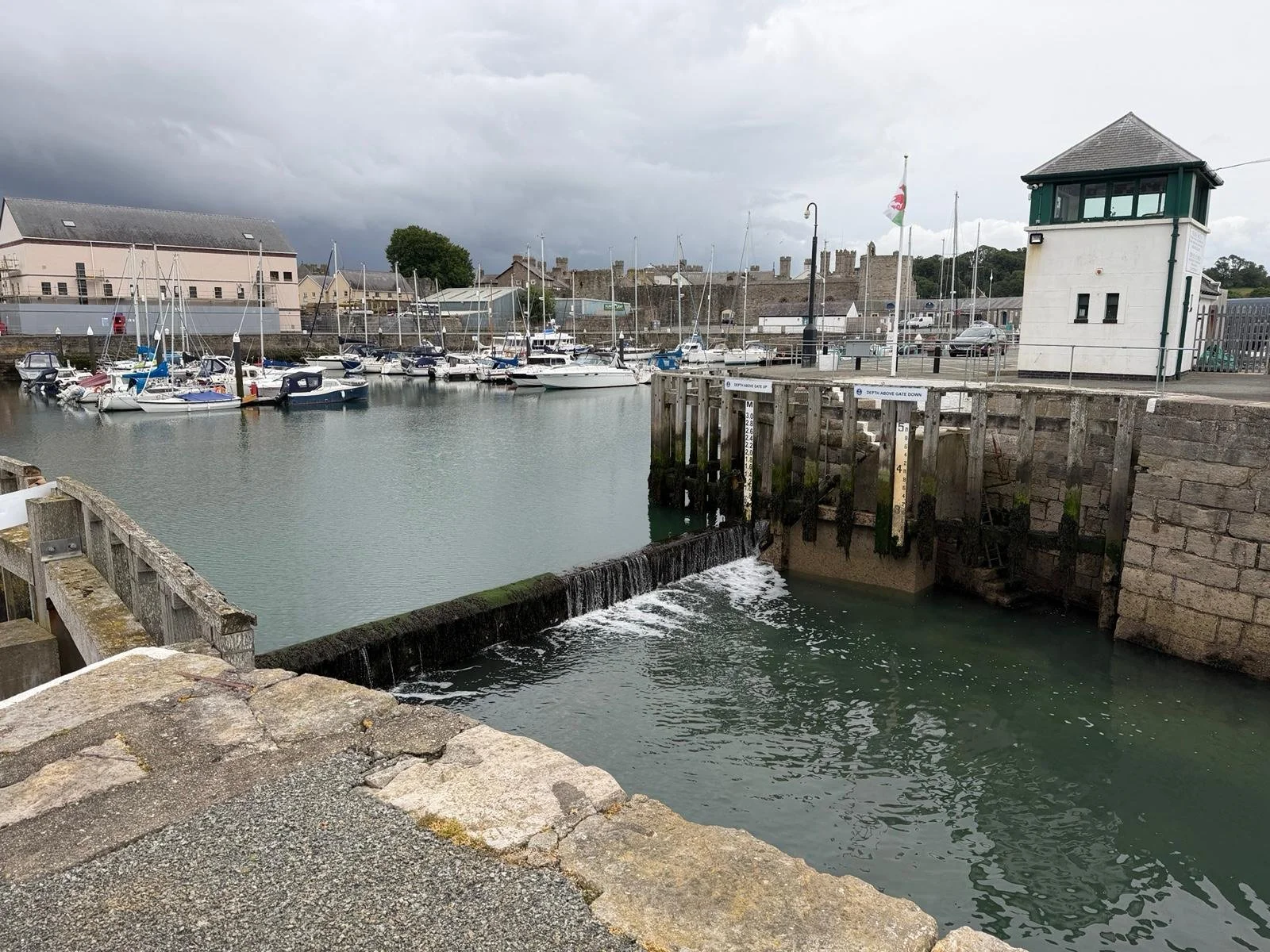
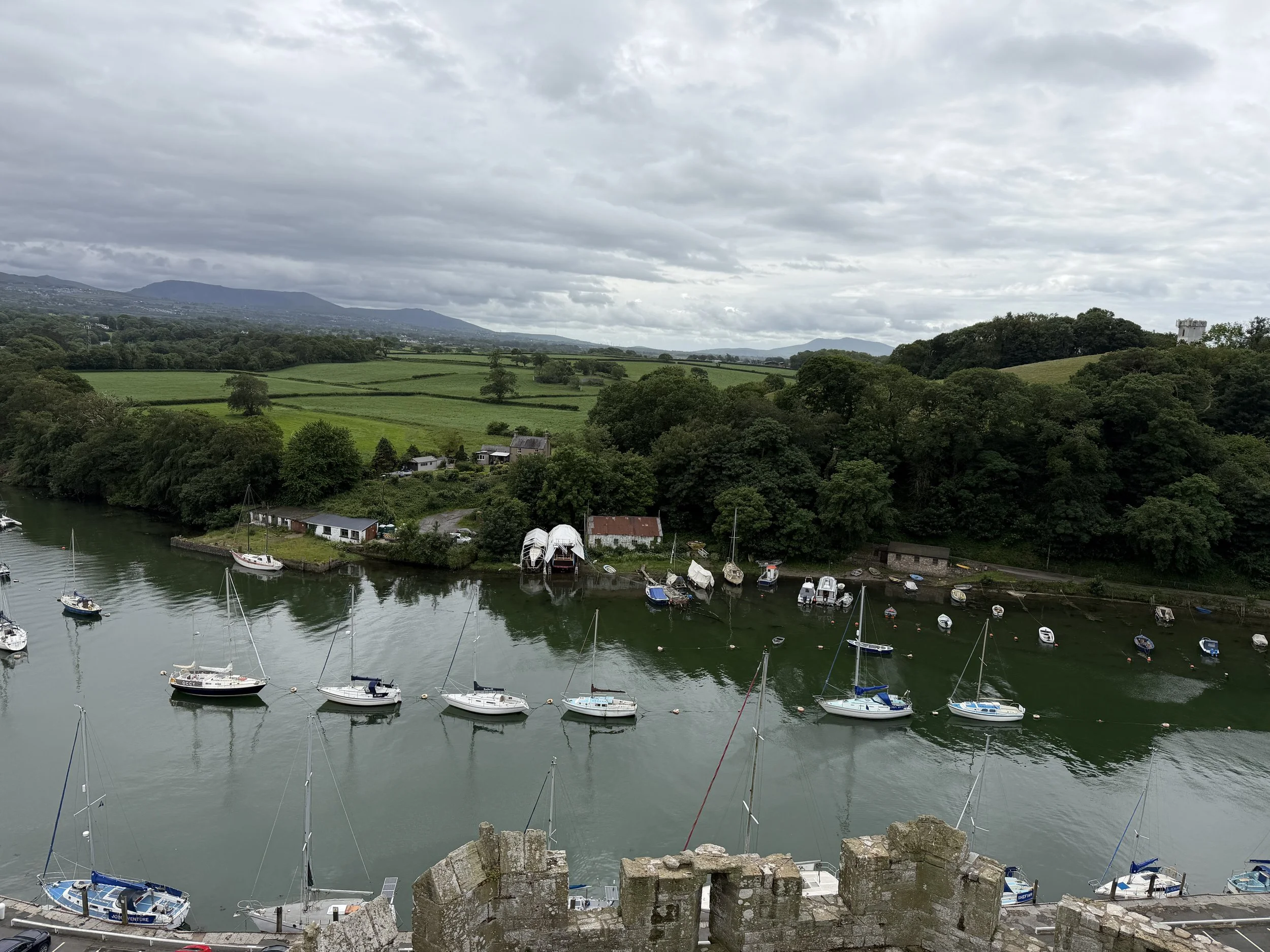
It rained for days. The wind howled, the boats swayed back and forth, their masts oscillating as the harbor filled and drained with each passing tide. We were grateful for the pontoon we were securely tied onto.
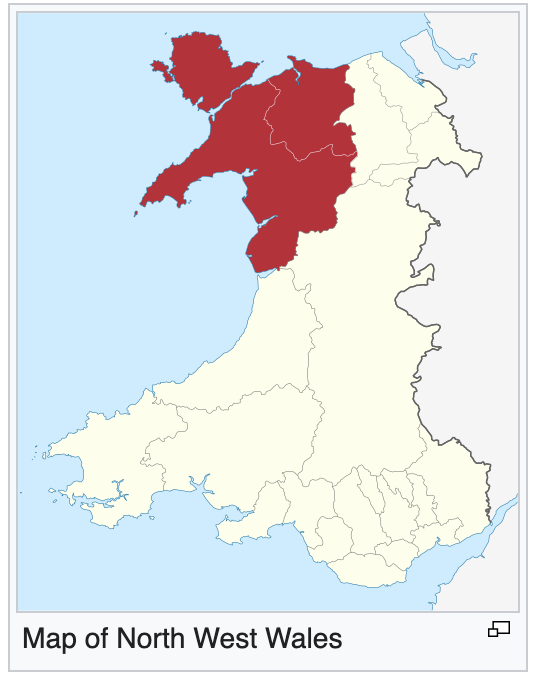
At the south entrance to the Menai Strait is the town of Caernarfon in the county of Gwynedd. The name Caer yn Arfon (“the stronghold opposite Môn/Anglesey”) derives from the Roman presence somewhere around AD 75.
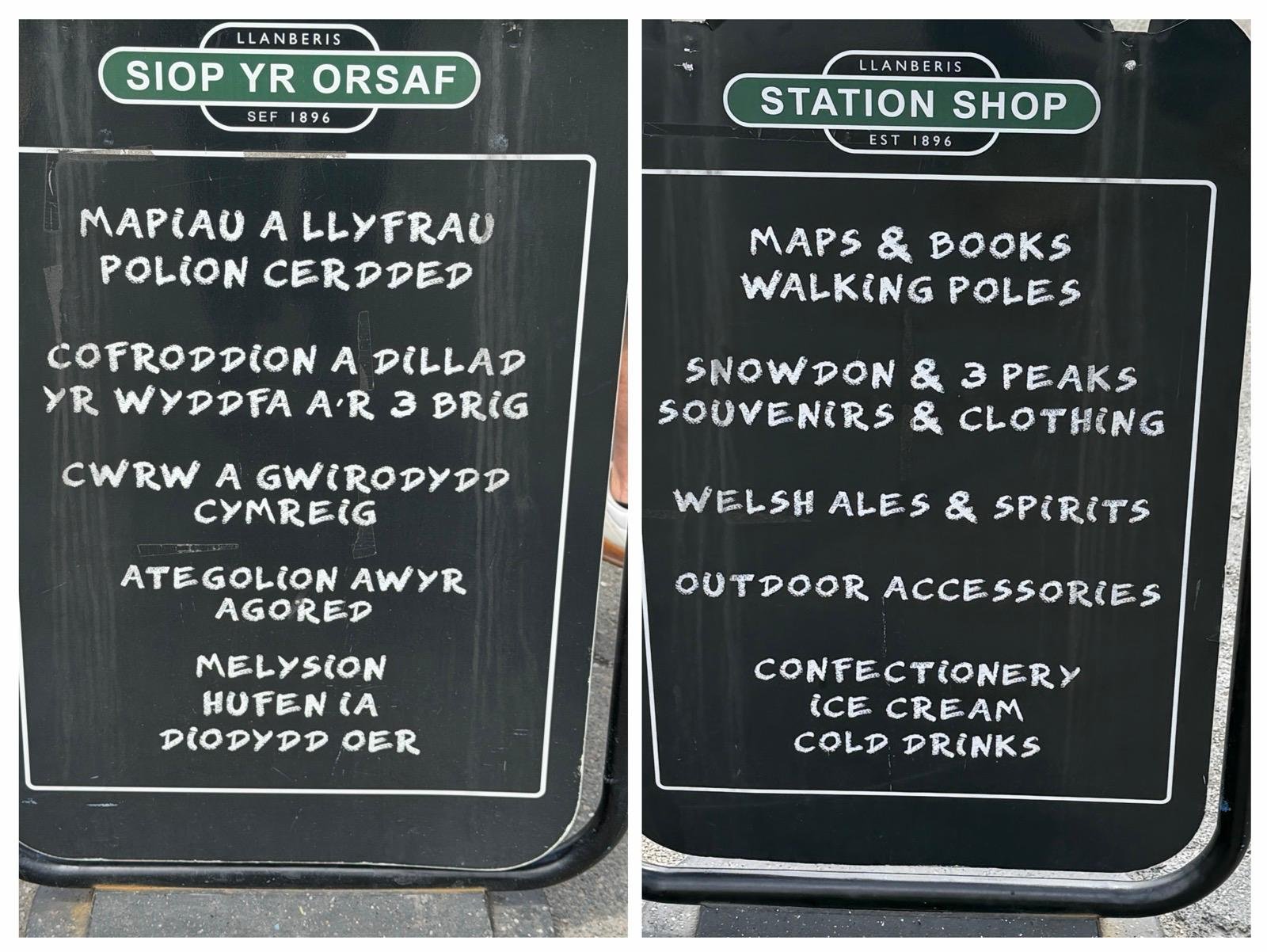
Although English is the language spoken most in Wales, Welsh remains the dominant language in Gwynedd County. Welsh is the oldest language in Britain - it has been spoken for over 4,000 years. In fact, the Welsh language pre-dates English by 3,500 years. It originated from ancient Celtic tribes who travelled to the country now known as the United Kingdom during the Bronze Age (2300 – 800 BCE). The language has long strings of consonants, few vowels and sounds somewhat lyrical to the ear. Apparently it is very phonetic and you pronounce every single letter, so once you know the sound rules it is supposed to be easier to learn than english. Perhaps with more time….for now I will not be attempting it (read - embarrassing myself).
Caernarfon is a medieval town surrounded by ancient walls that extend for nearly half a mile and include eight towers and two main gatehouses. The streets within the walls are dotted with homes, craft shops, collectibles, art galleries, cafes, pubs and coffeeshops.
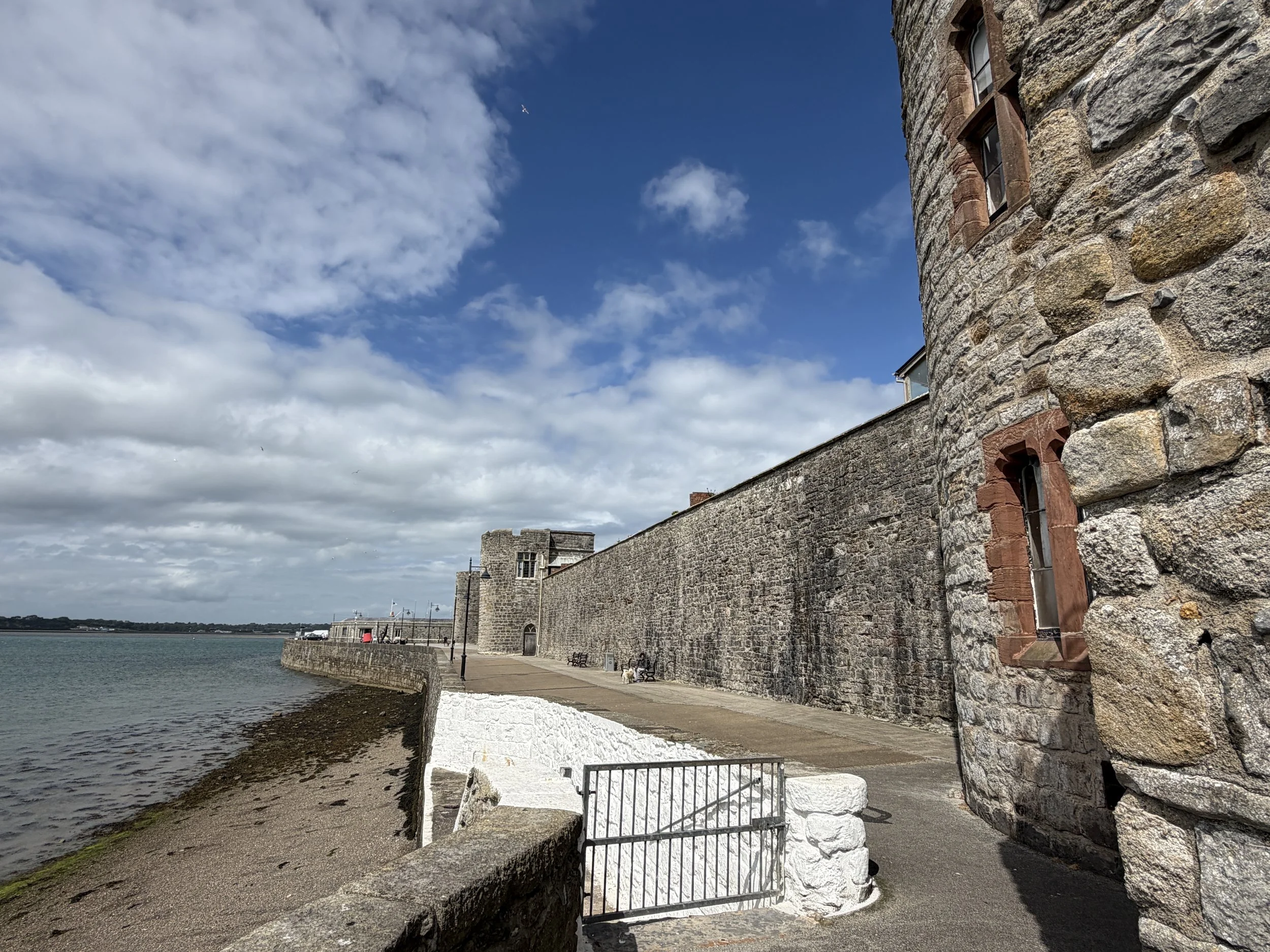
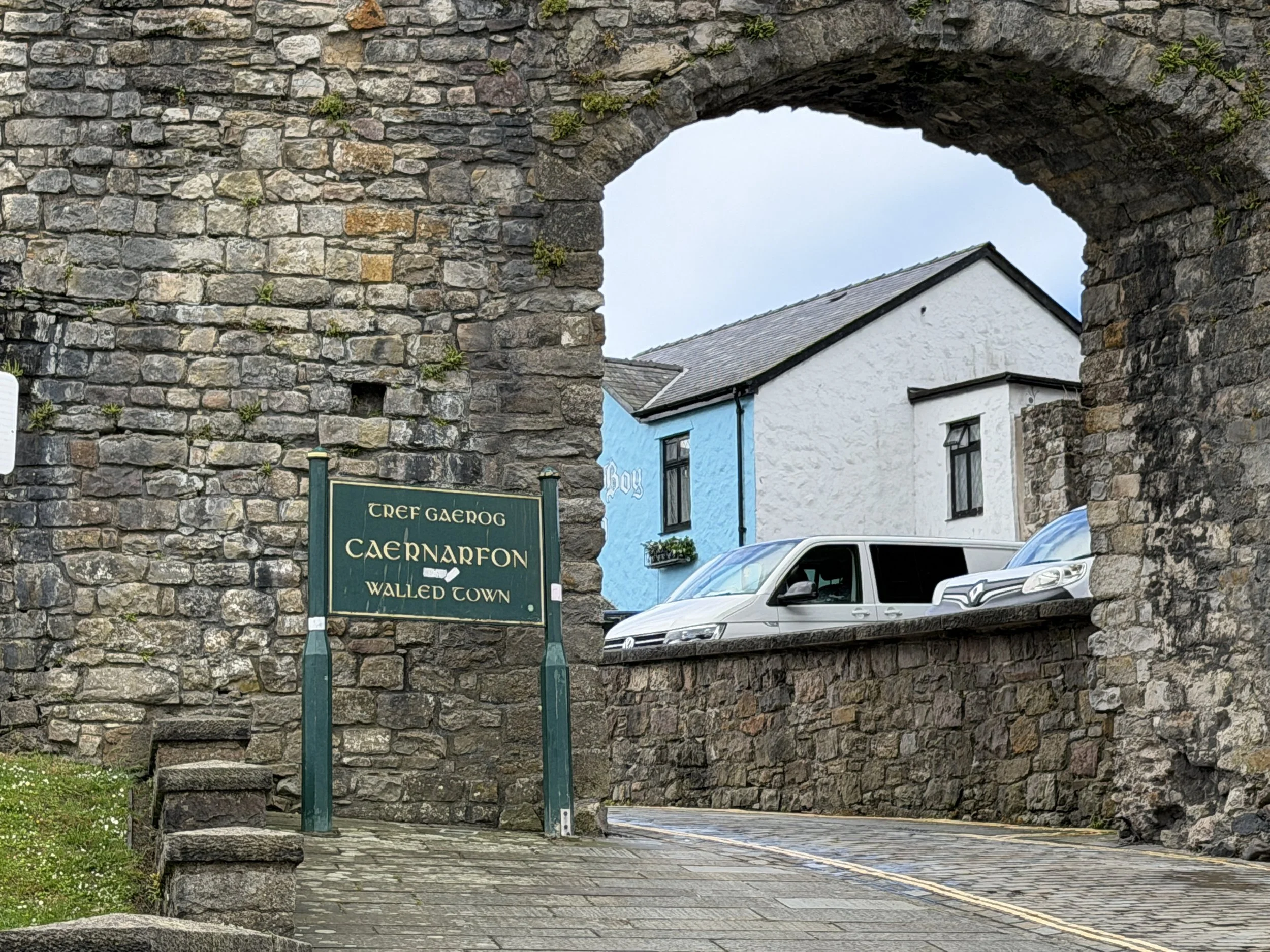
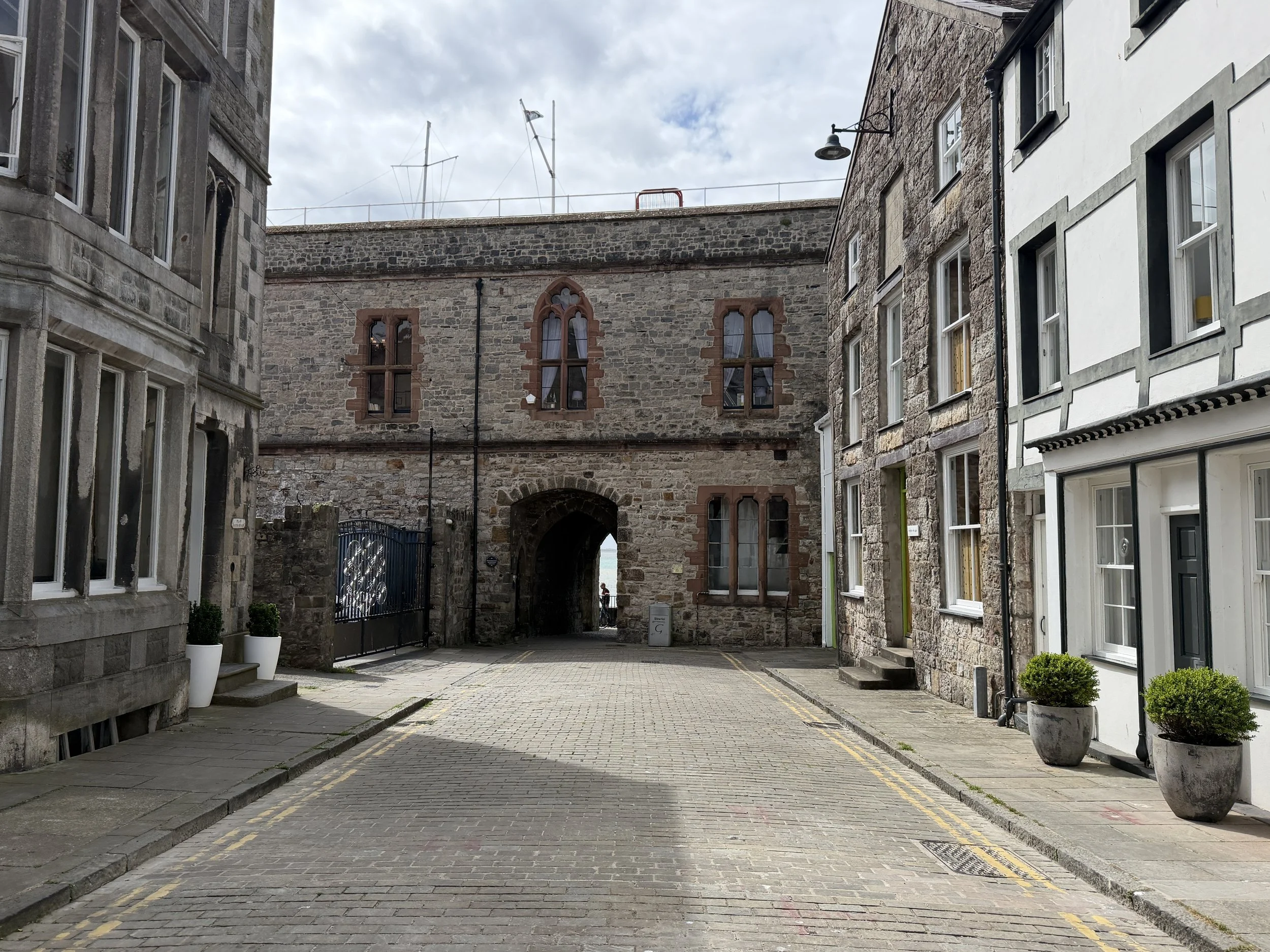
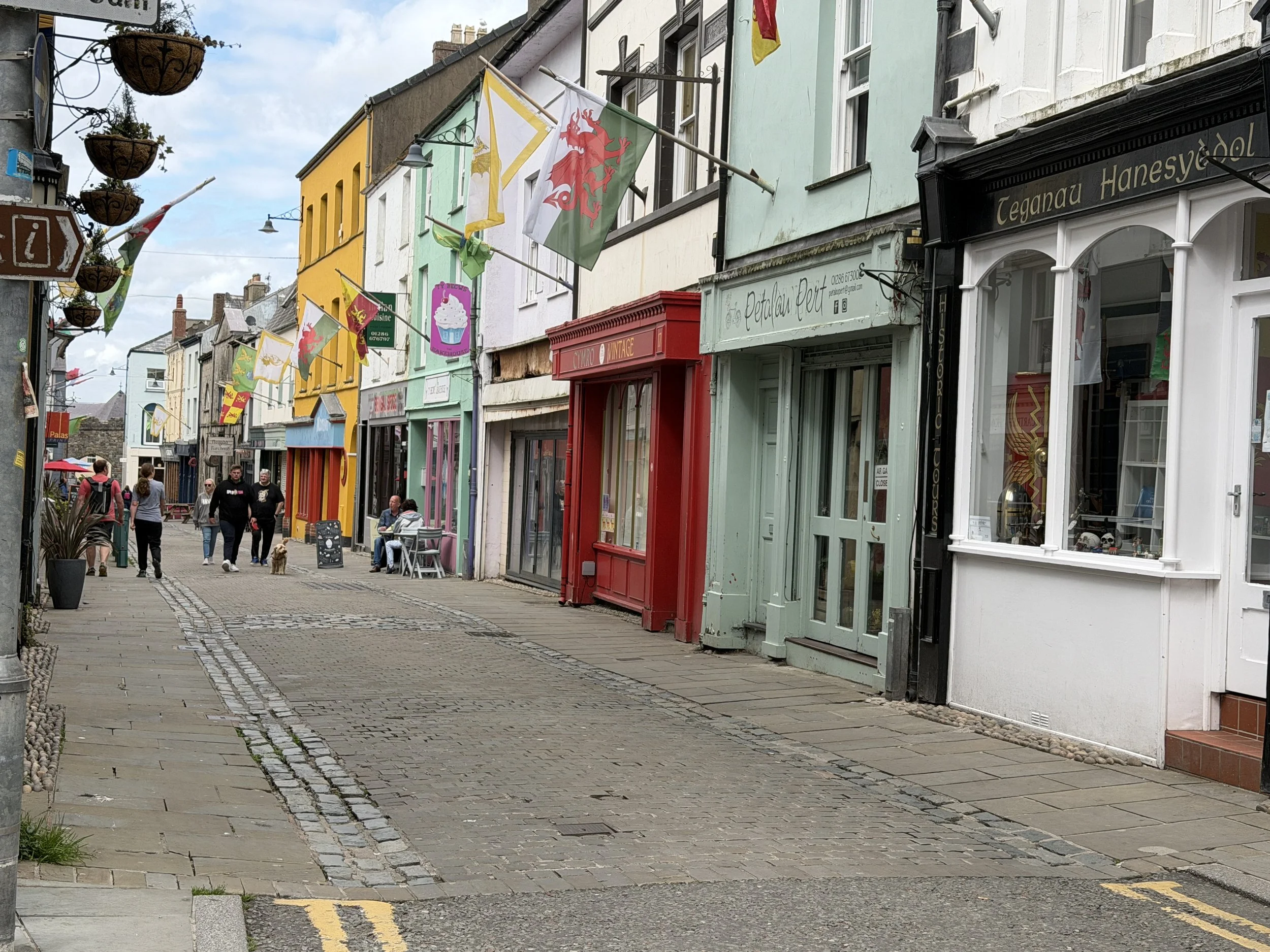
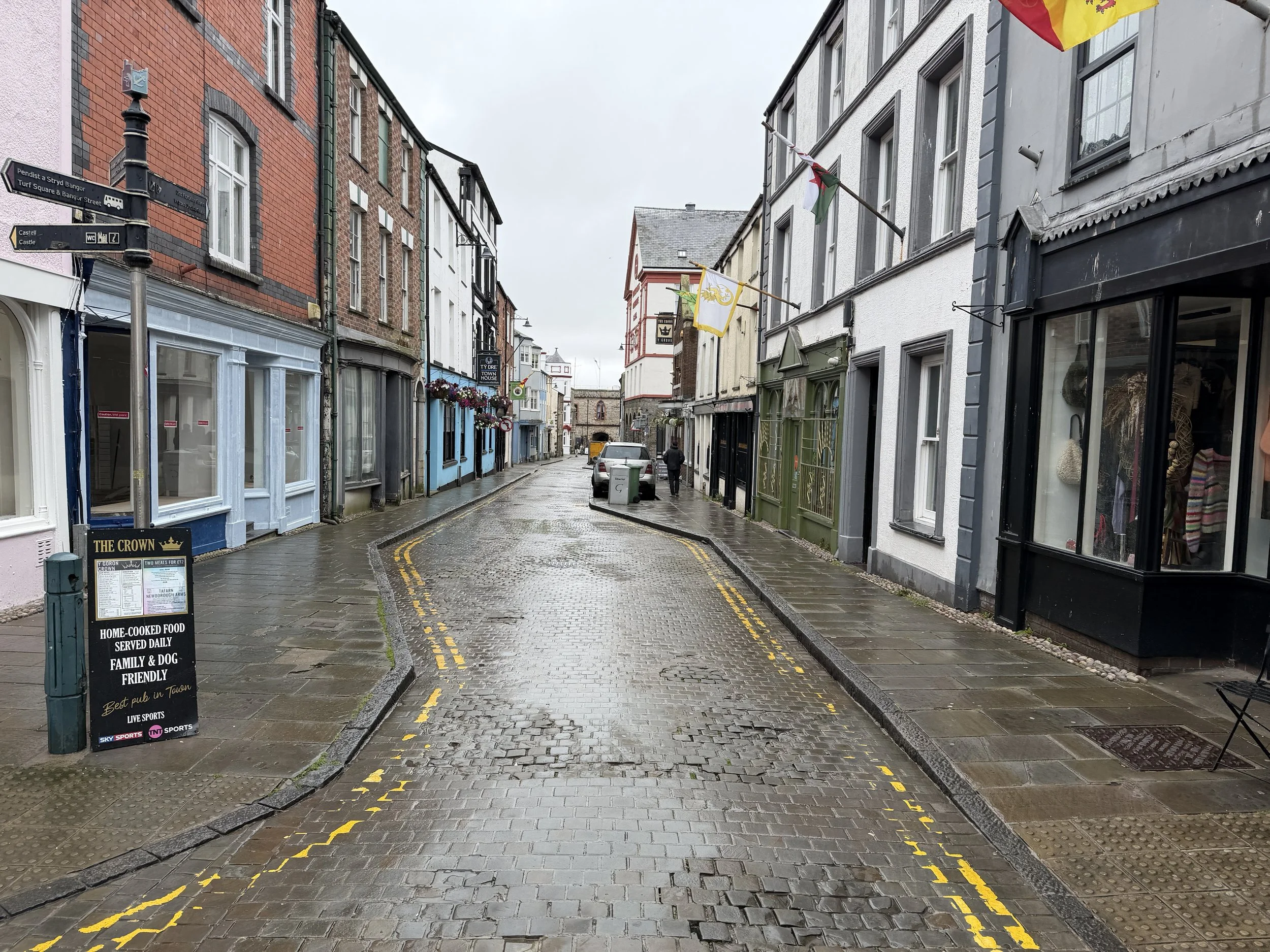
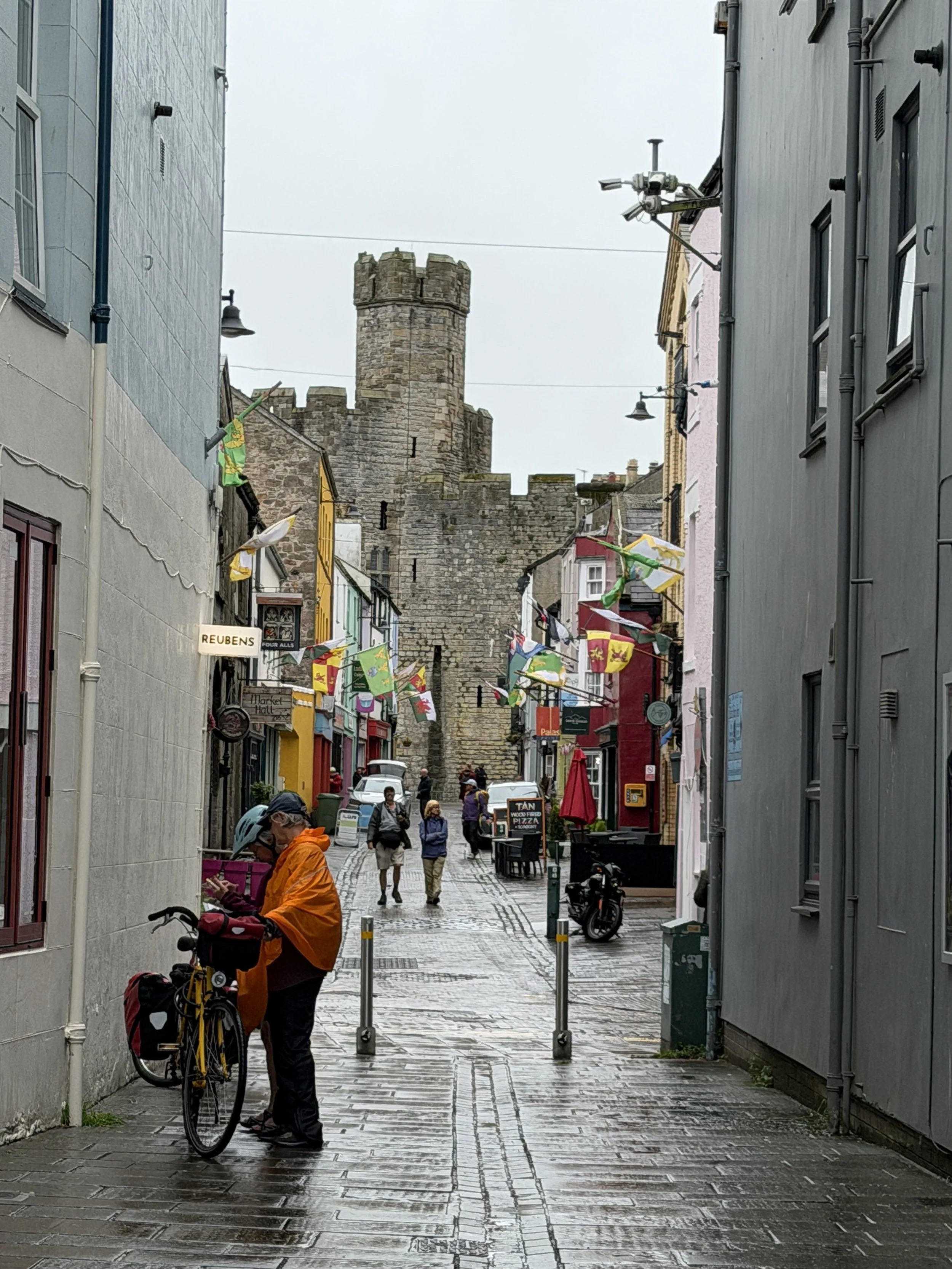

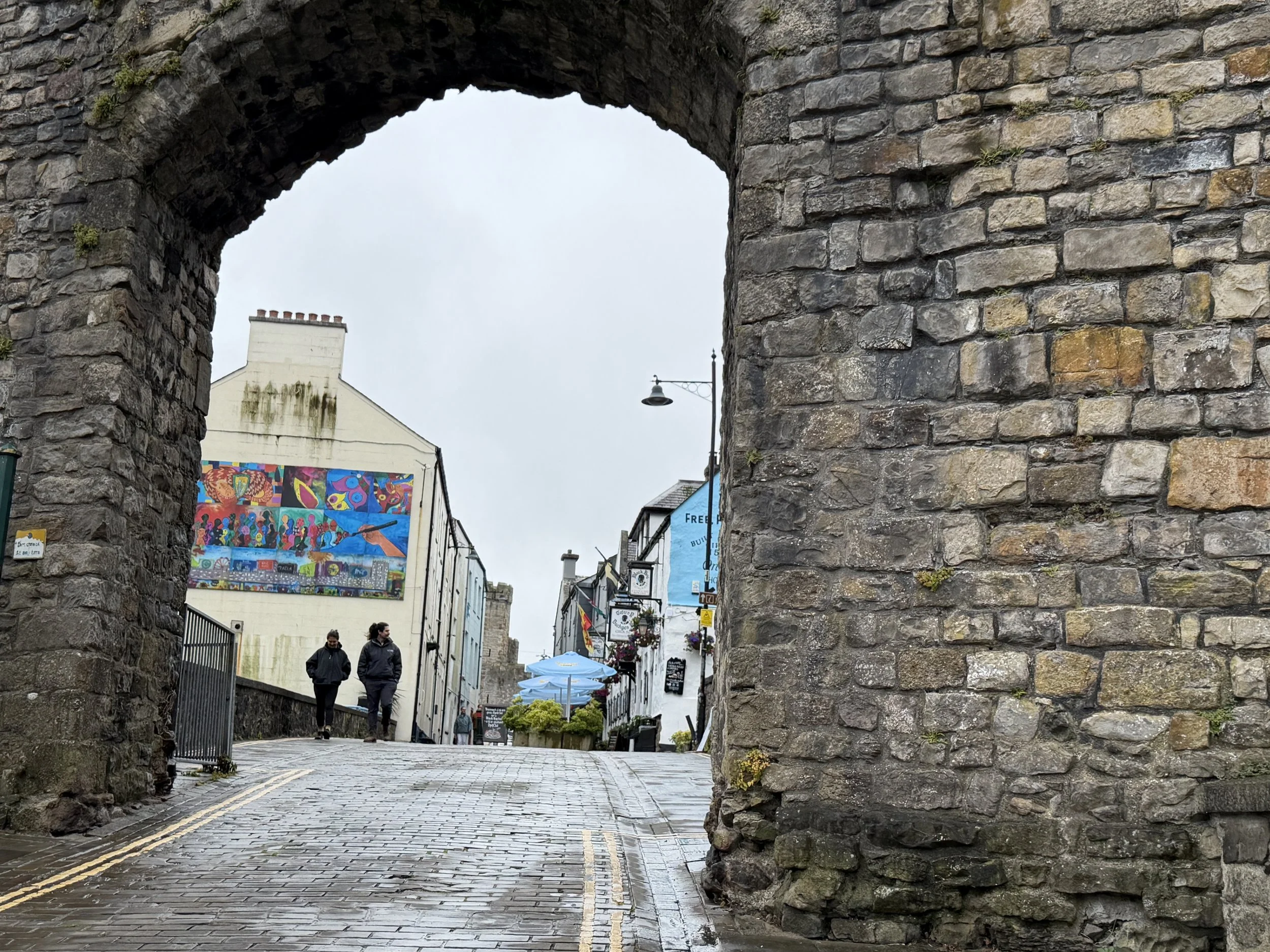
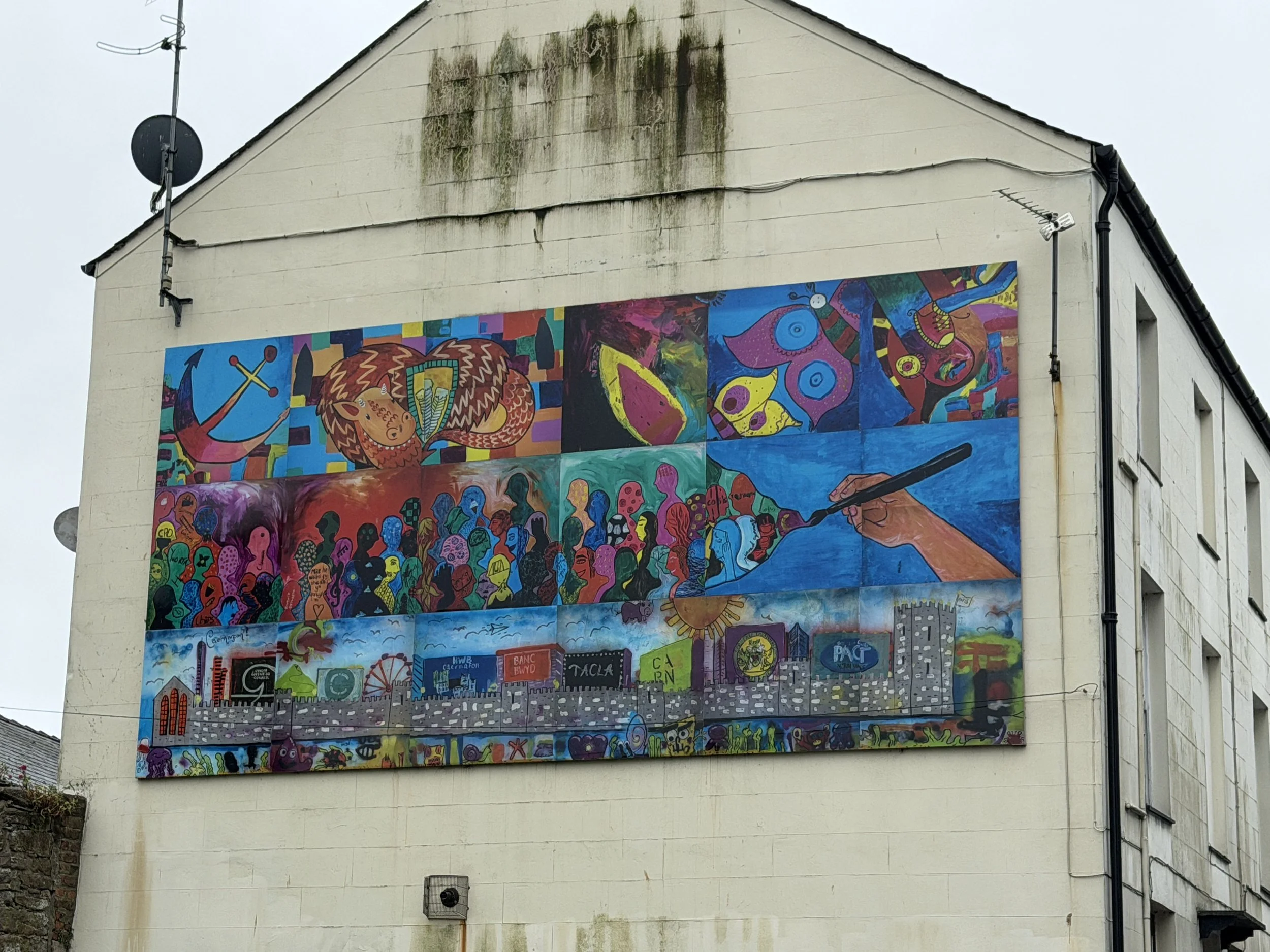
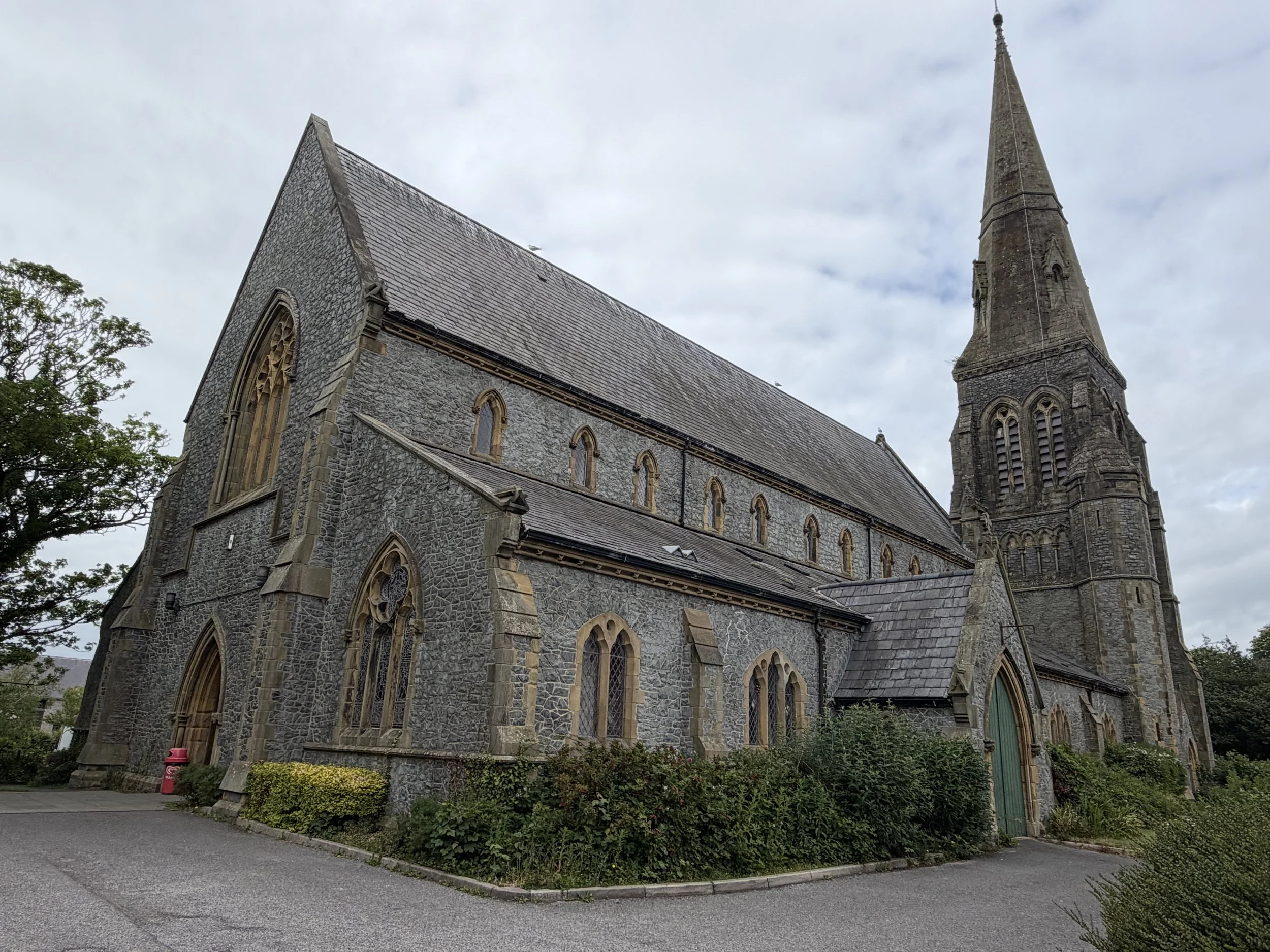
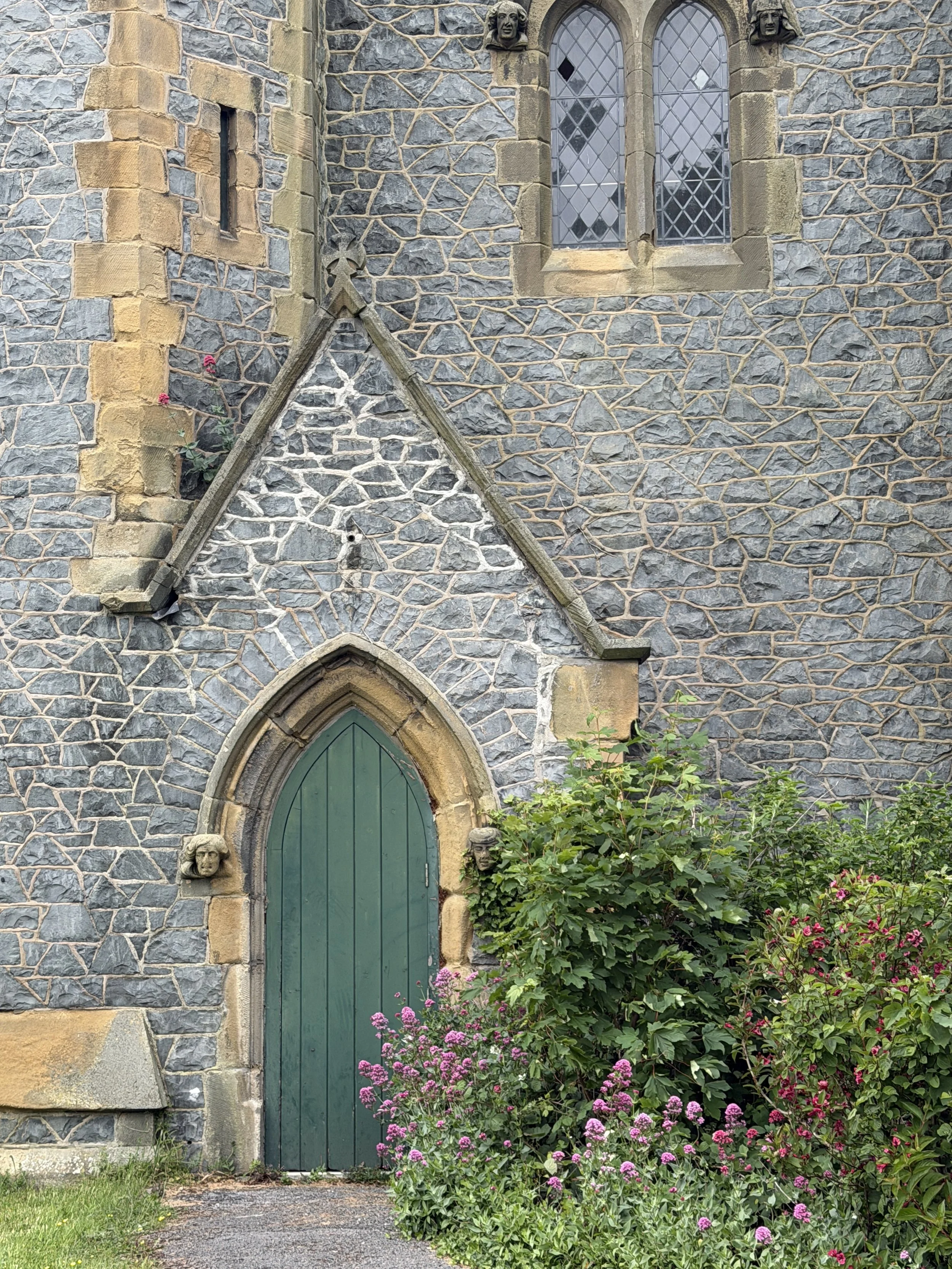
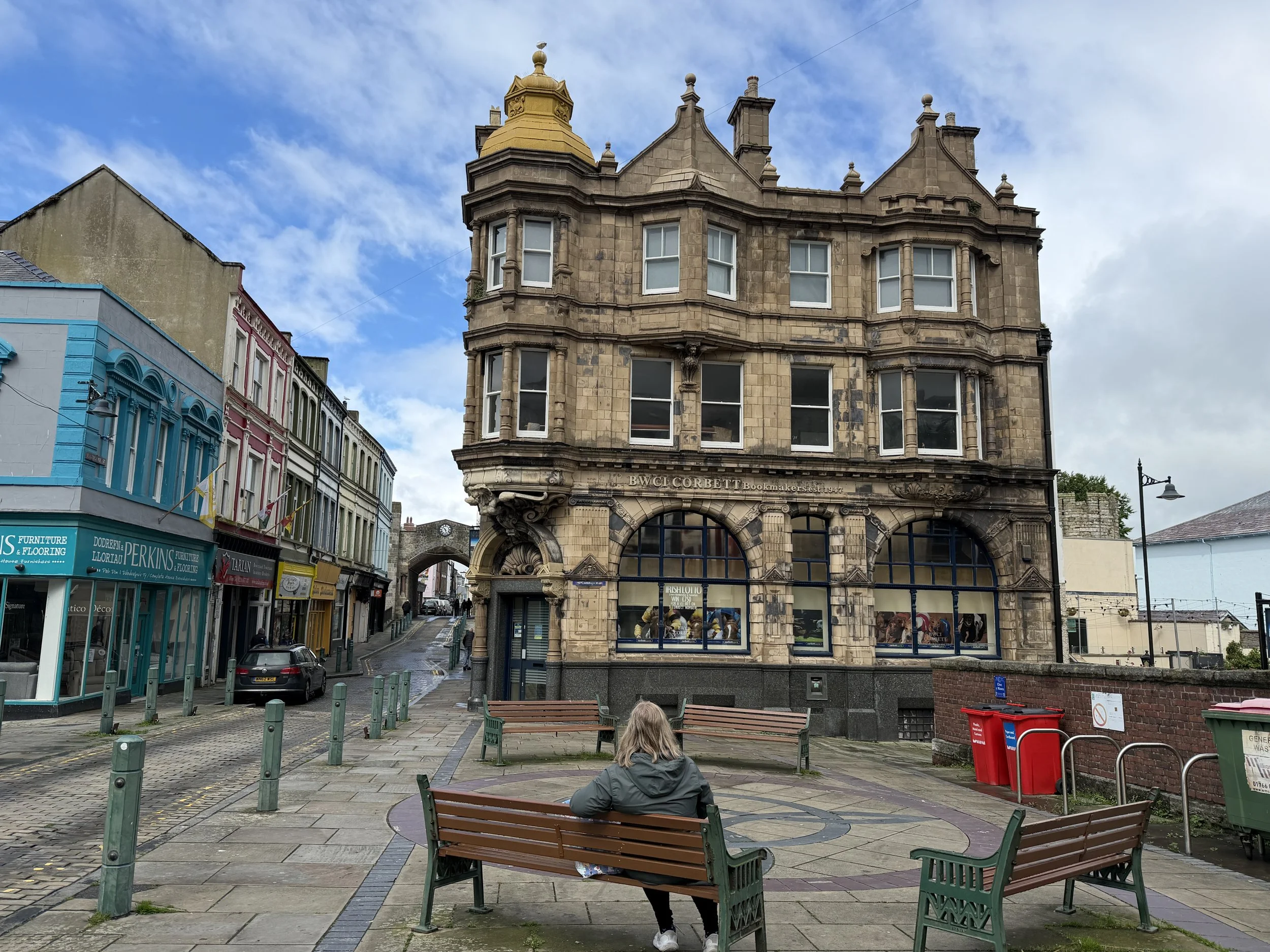

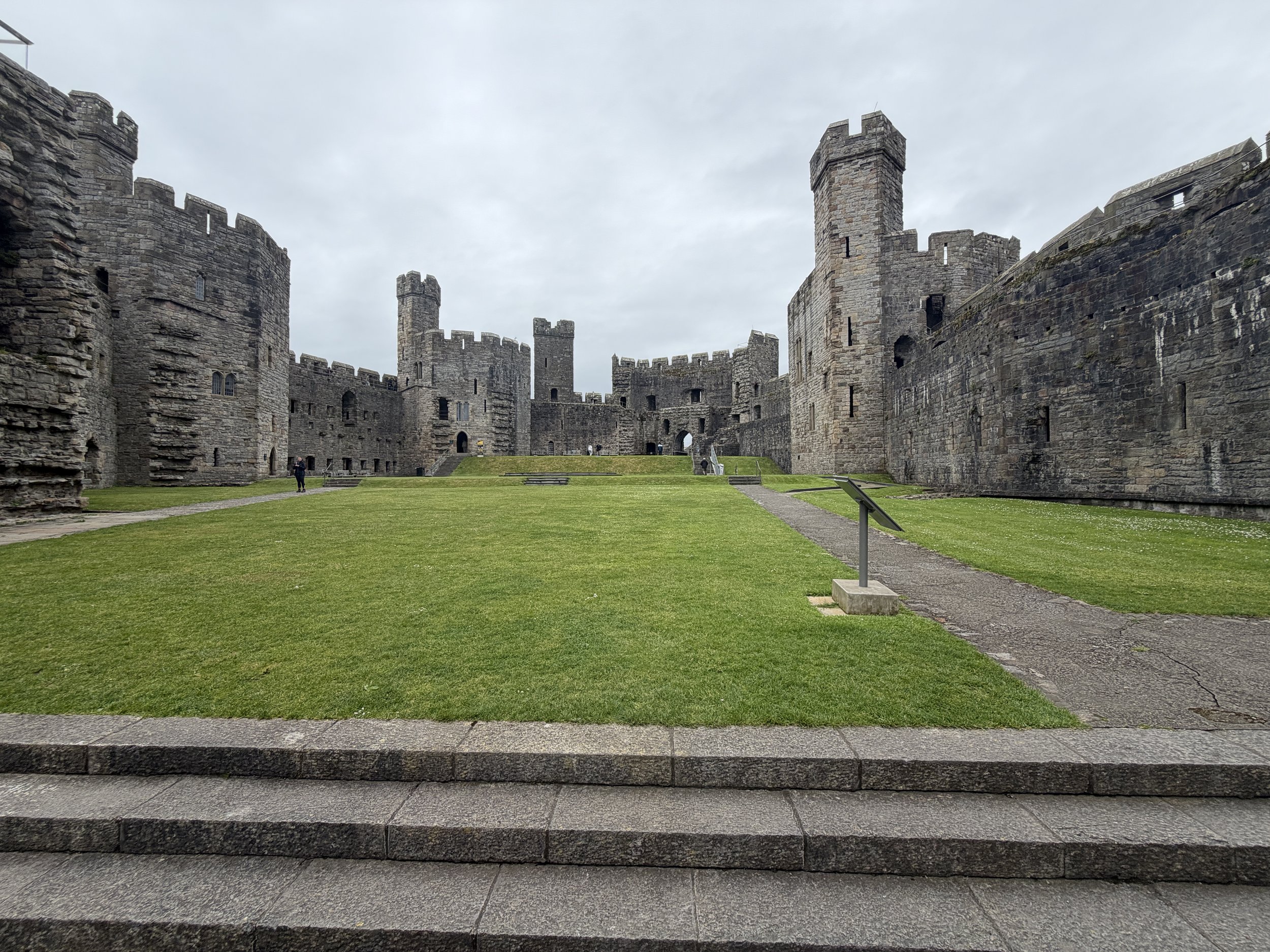
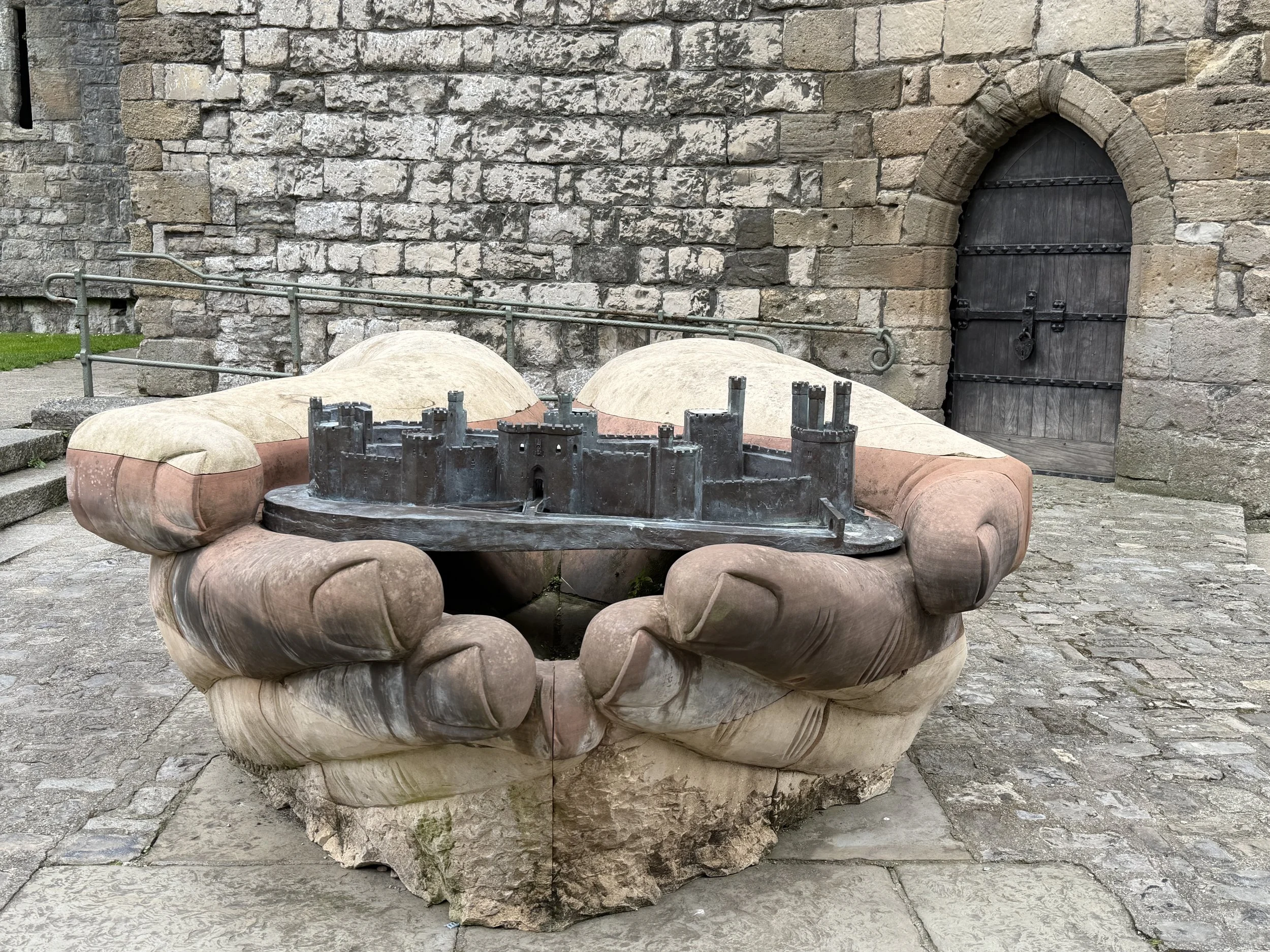
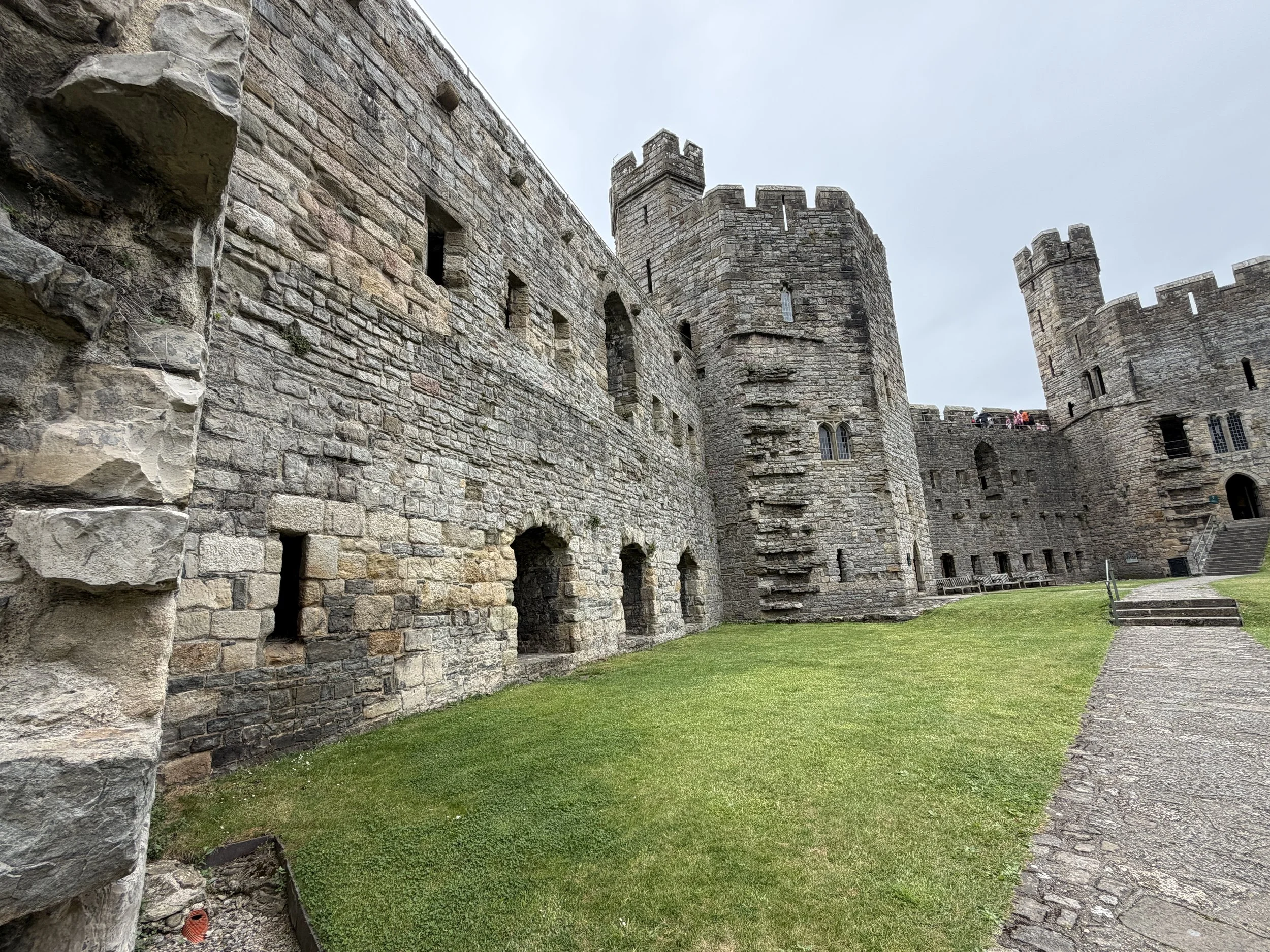
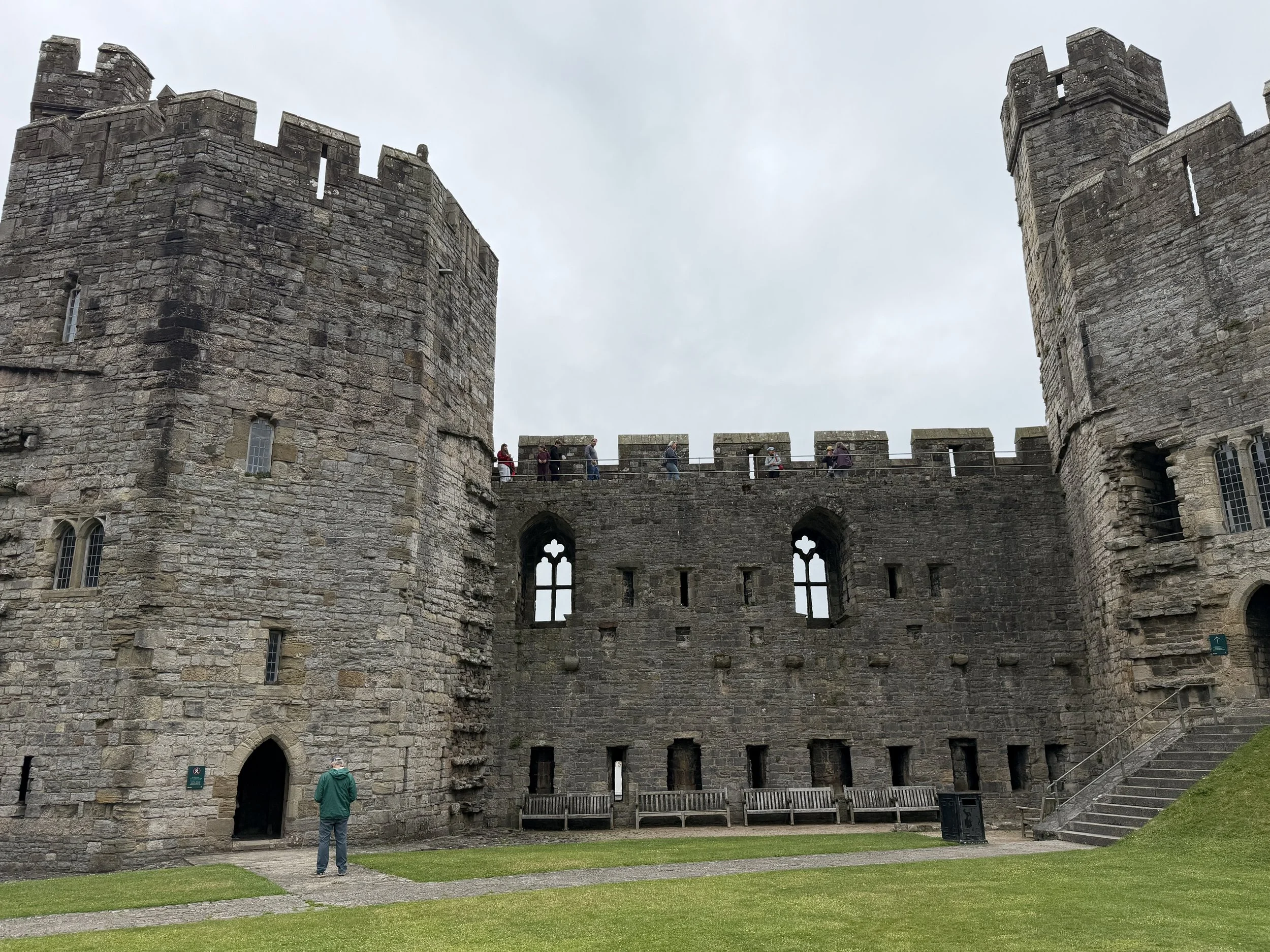
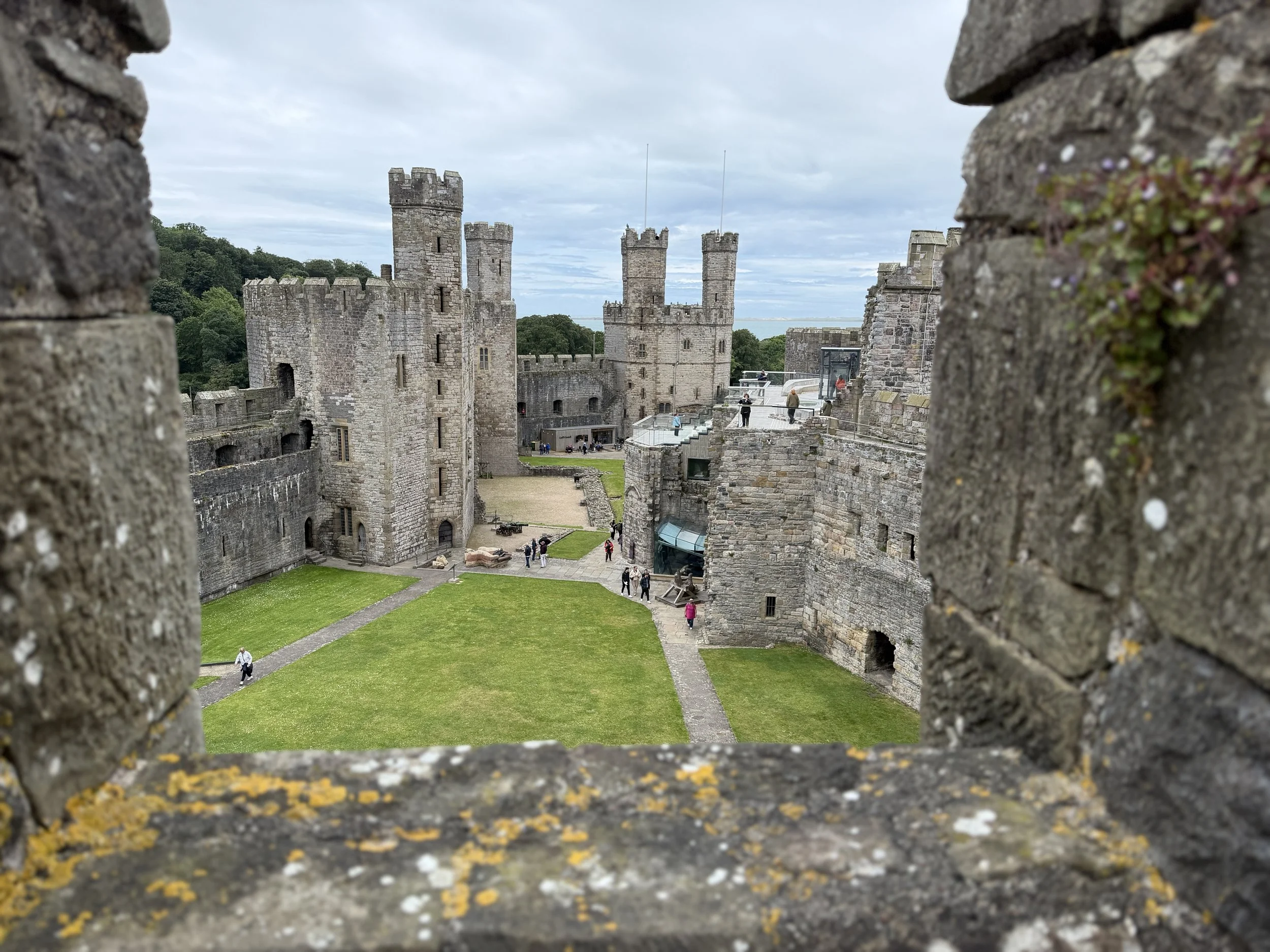
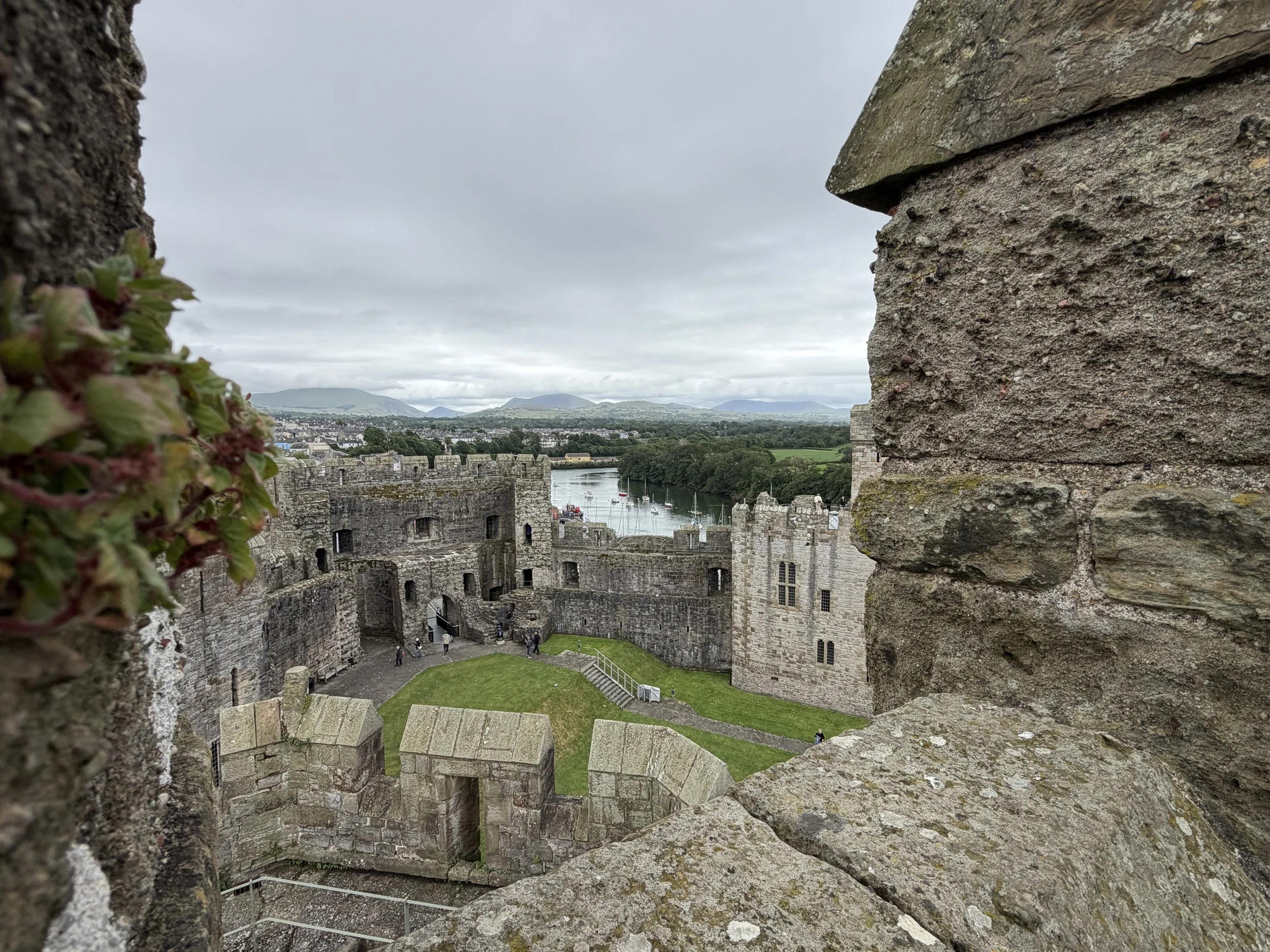
The ancient walls encompass Caernarfon Castle, once a royal palace and military fortress - Wales’ most famous castle and an UNESCO World Heritage Site. The fortress is one of the finest examples of late 13th-century and early 14th-century military architecture in all of Europe.
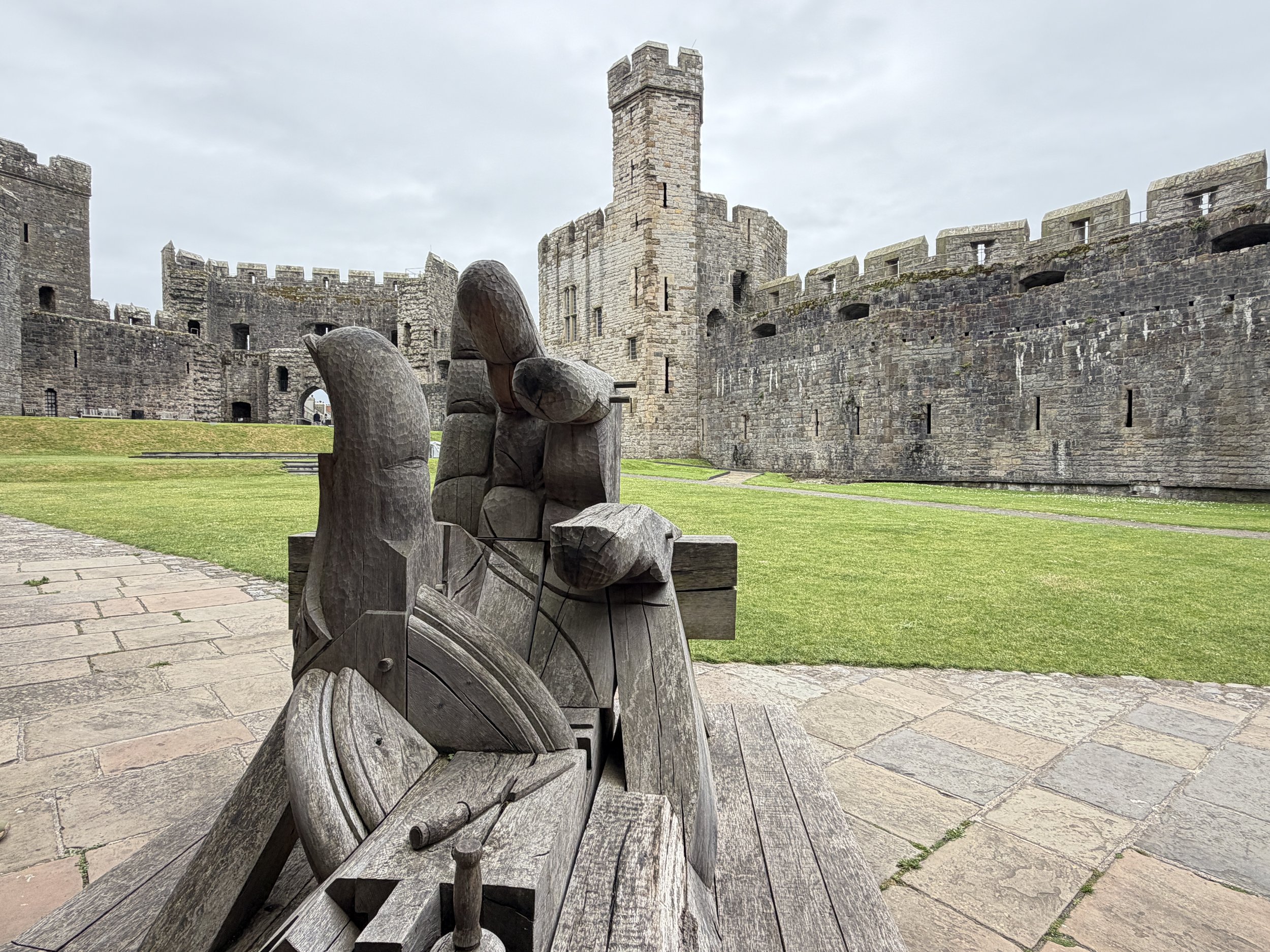
Unlike many Castles in Wales, Caernarfon Castle is still largely intact. The Towers and walls still stand to their original height, and most roofs are still there. Buildings in the Upper and Lower Wards (courtyards) have mostly fallen to ruin, but the foundations are still there, so it is easy to imagine how the Castle looked in its heyday.
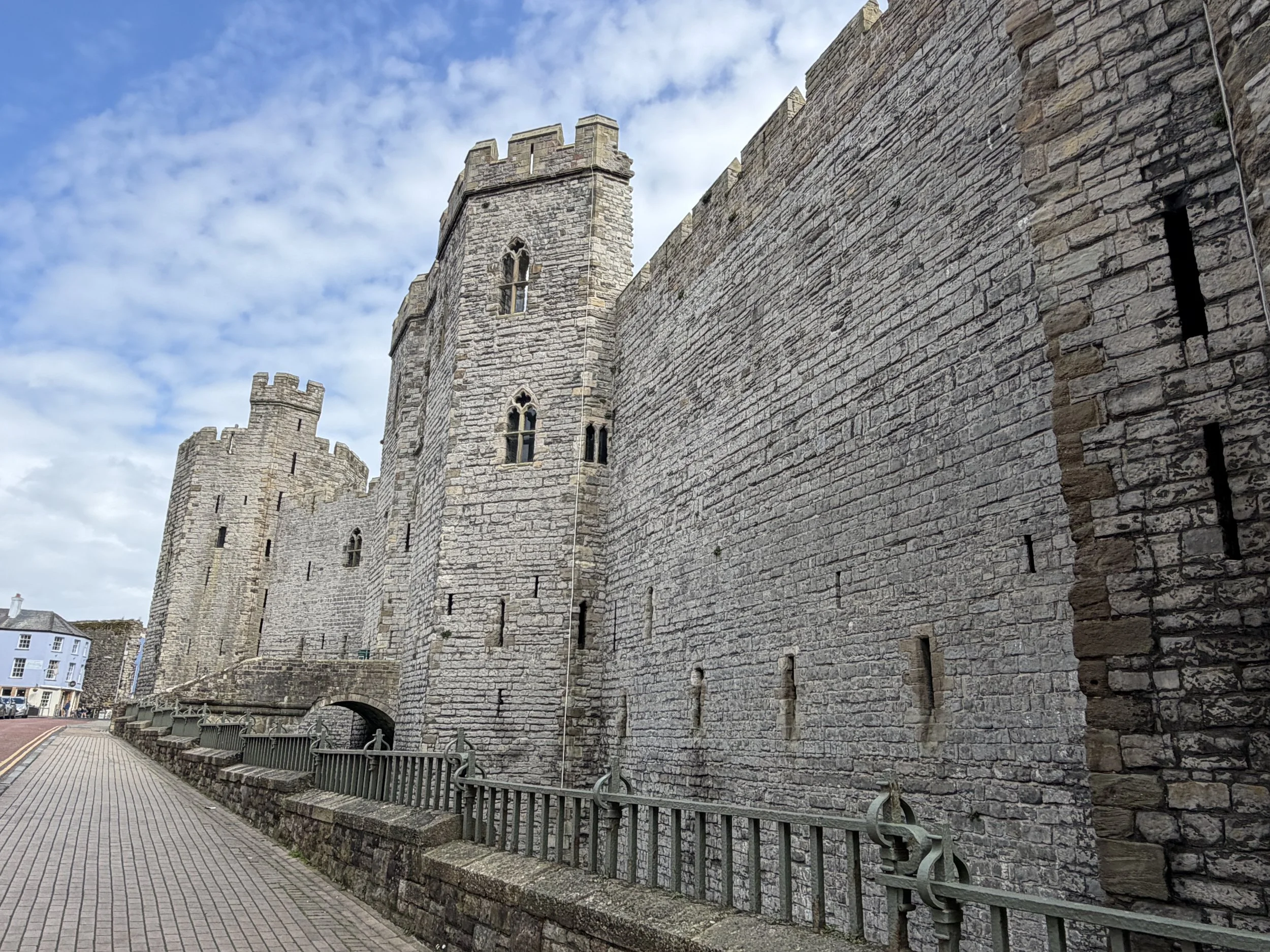
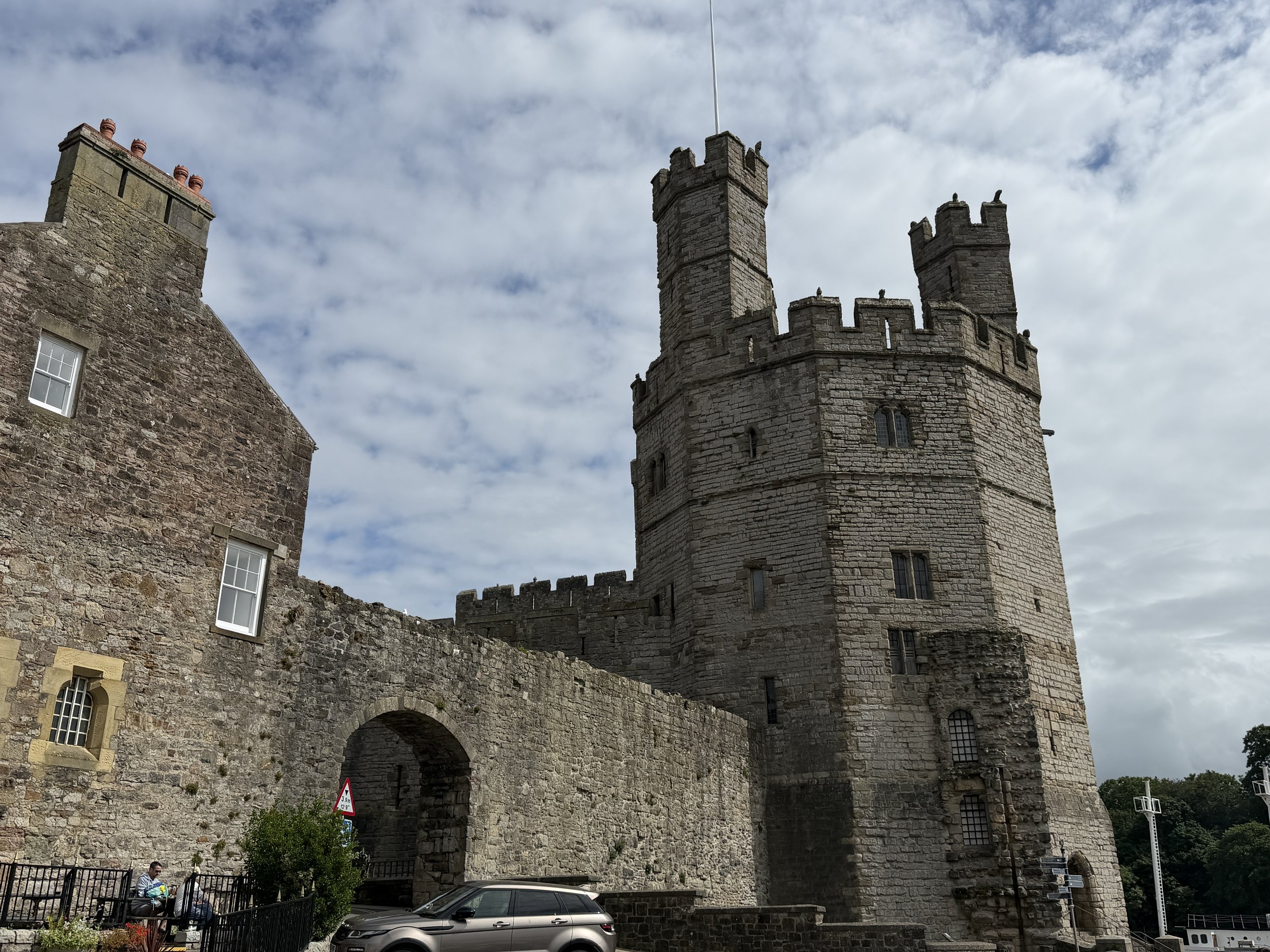
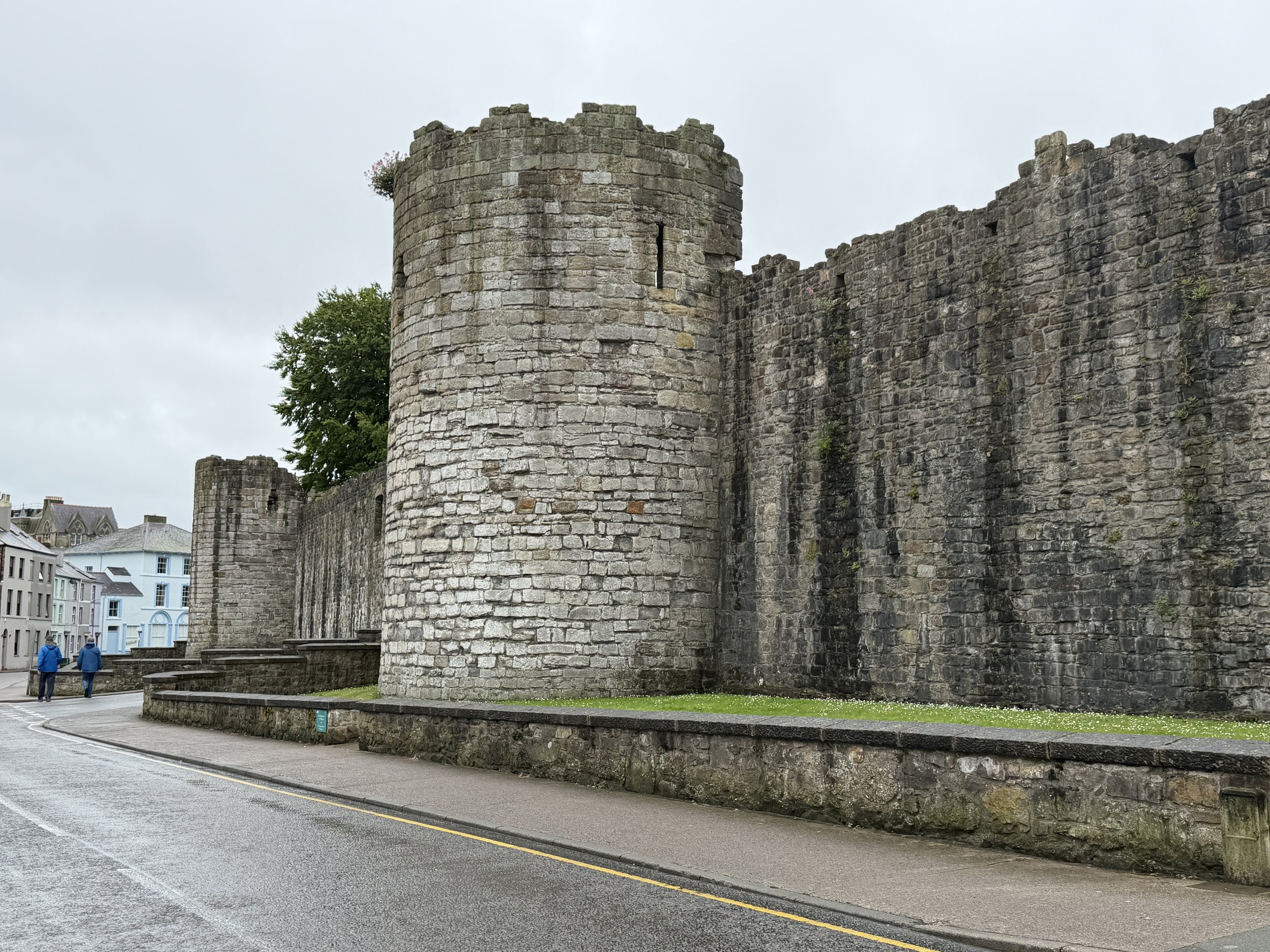
From 1272 Edward I, the new king of England, conquered most of Wales and joined it with the county system present in England. The site chosen along the Menai Strait was the seat of the Welsh royal court from 1115 until Edward's hostile takeover. Construction began in 1283 to help, along with several other major castles, control the newly conquered area. Edward II was born at Caernarfon Castle in 1284, and Edward I transferred the title ‘Prince of Wales’ to his infant son to establish his dynastic control over Wales. The castle would be added to extensively over the next half-century but was more or less completed by 1330. Today the castle is in a good state of preservation and continues to be important in the affairs of the monarchy, King Charles III being invested there as Prince of Wales in 1969 like several of his predecessors. His last official appearance at the site was in September 2022.
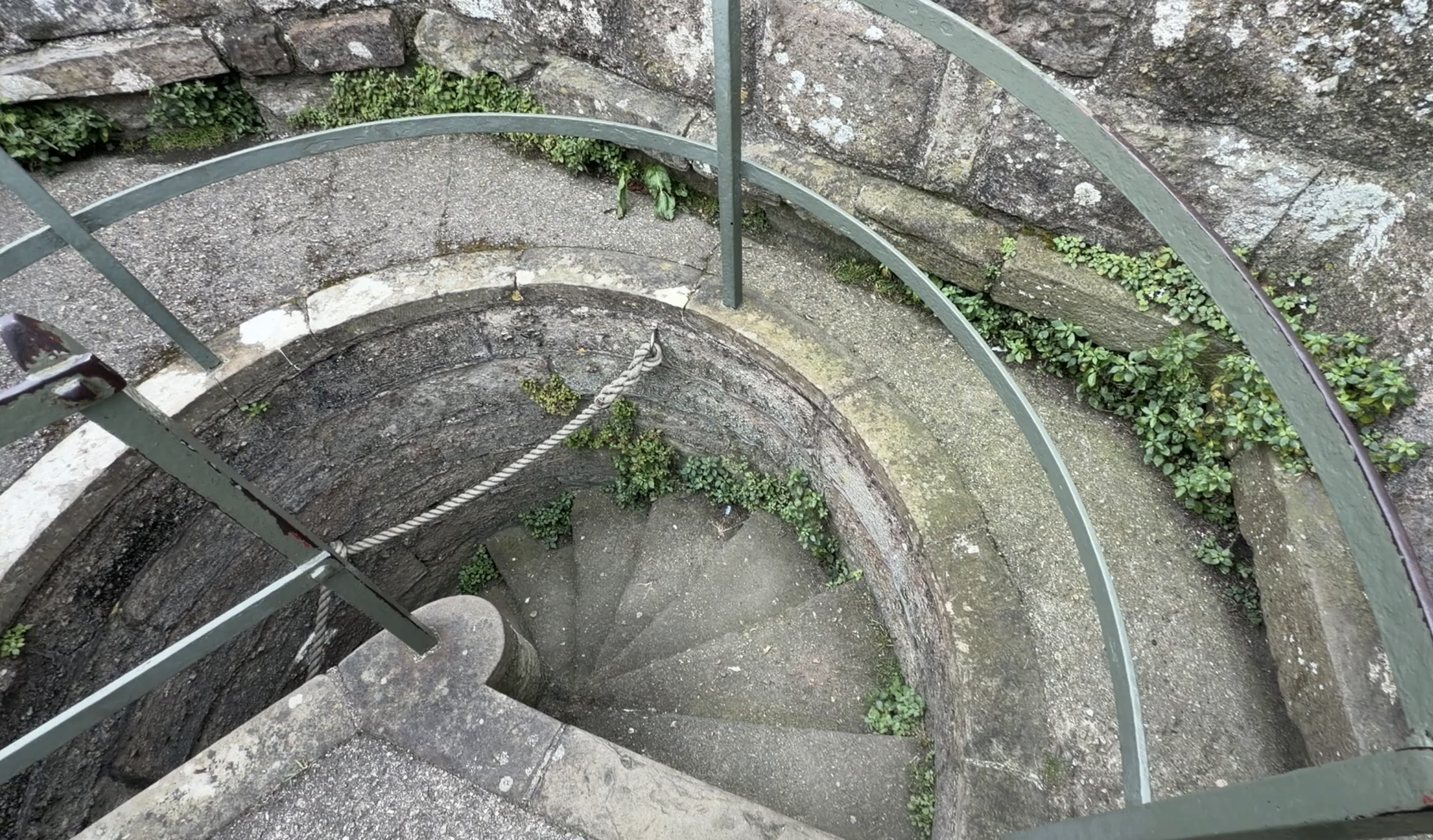
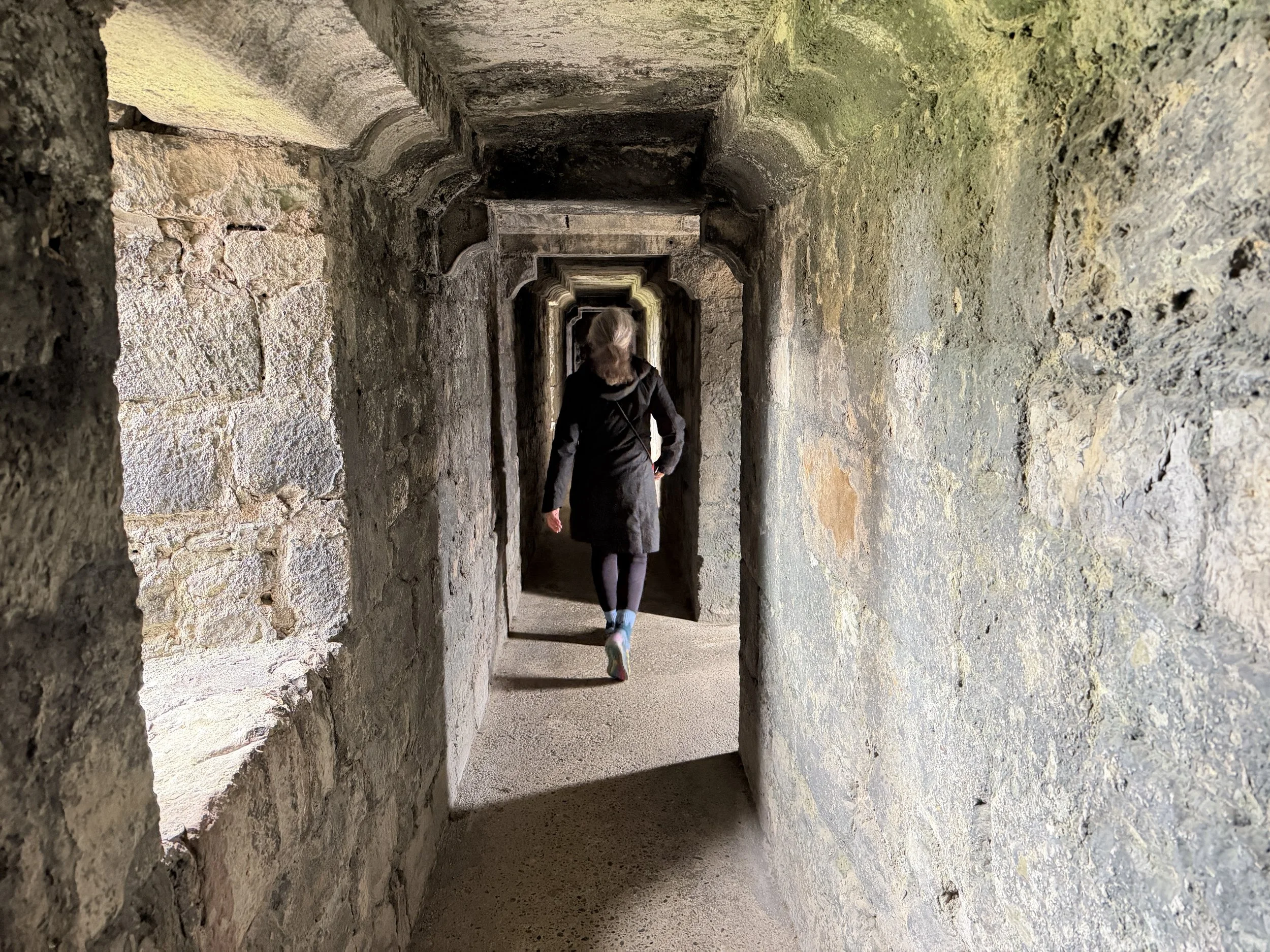
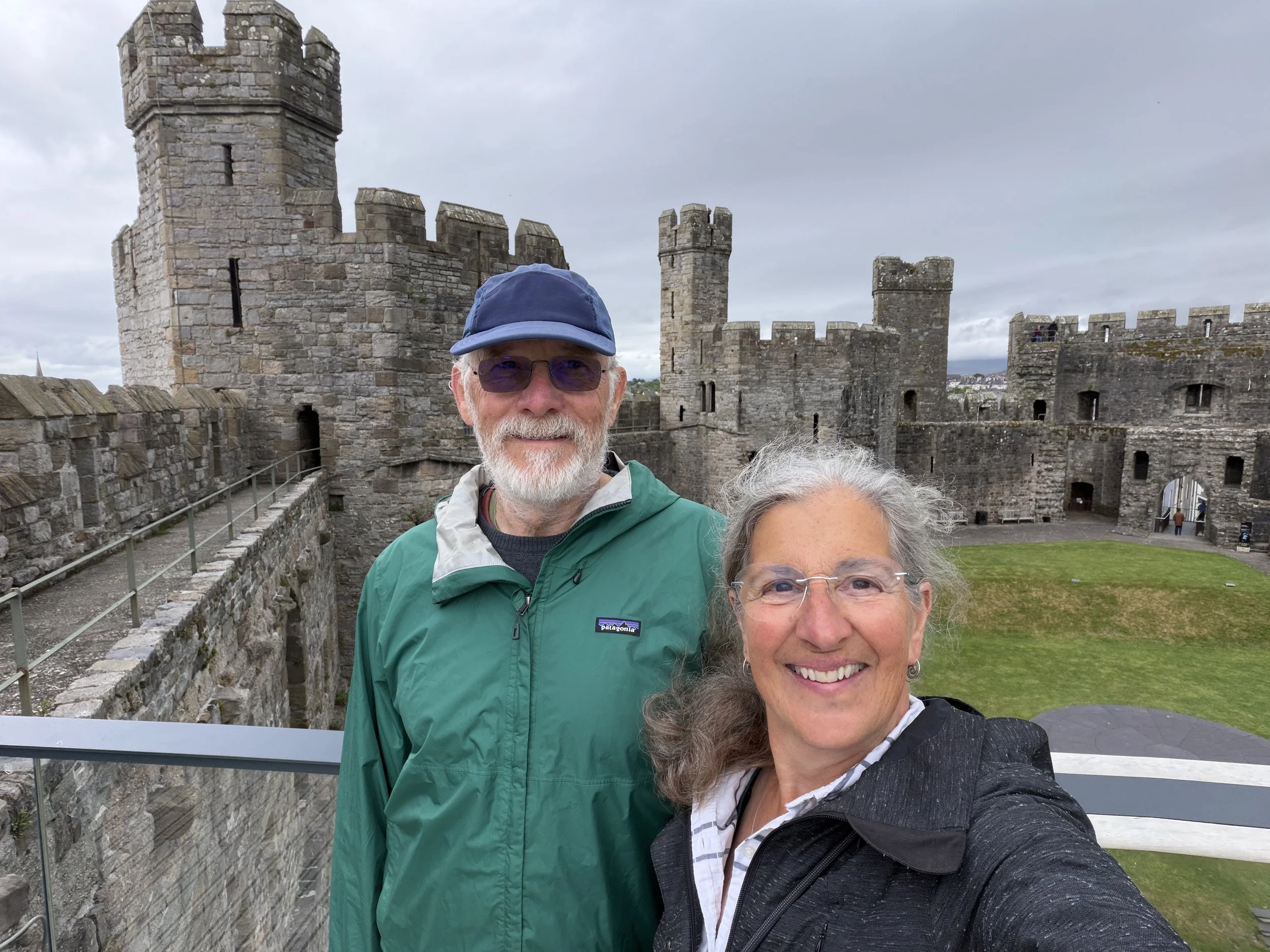
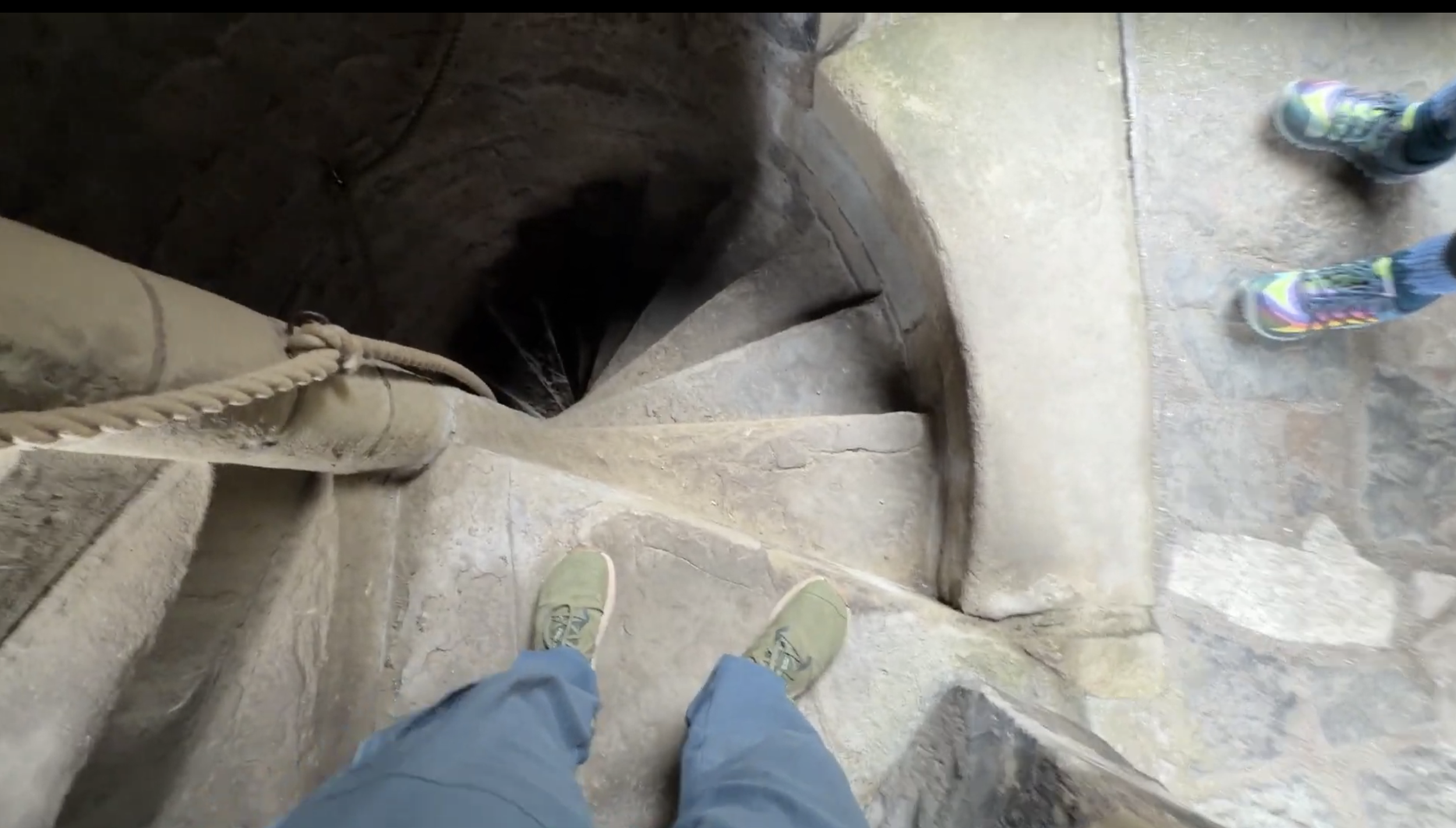
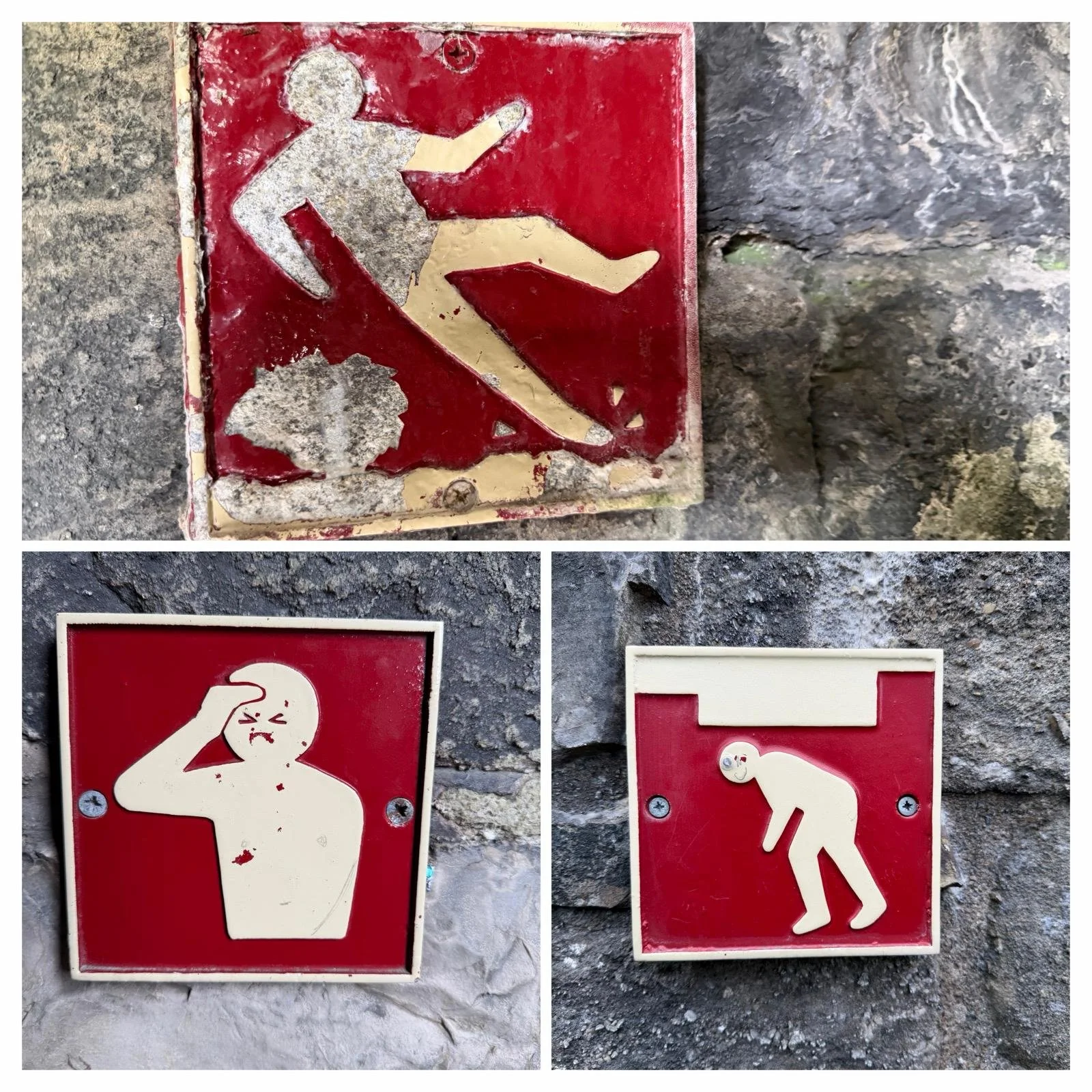
We toured the castle and its many towers and found that maneuvering around the other visitors on the narrow, stone, spiral staircases required serious agility. It’s interesting to note that spiral staircases in Medieval castles almost always wound clockwise as they ascended. This was no coincidence — it served a vital defensive purpose. Right-handed defenders, positioned at the top, had plenty of space to swing their swords effectively downwards in wide arcs. Attackers, on the other hand, forced to fight their way up, could only strike awkwardly with backhand blows — a far weaker and less natural motion. I figure we climbed and descended over 1000 steps, the heights afforded us commanding vistas in all directions and we enjoyed our tour of the buildings and the grounds.
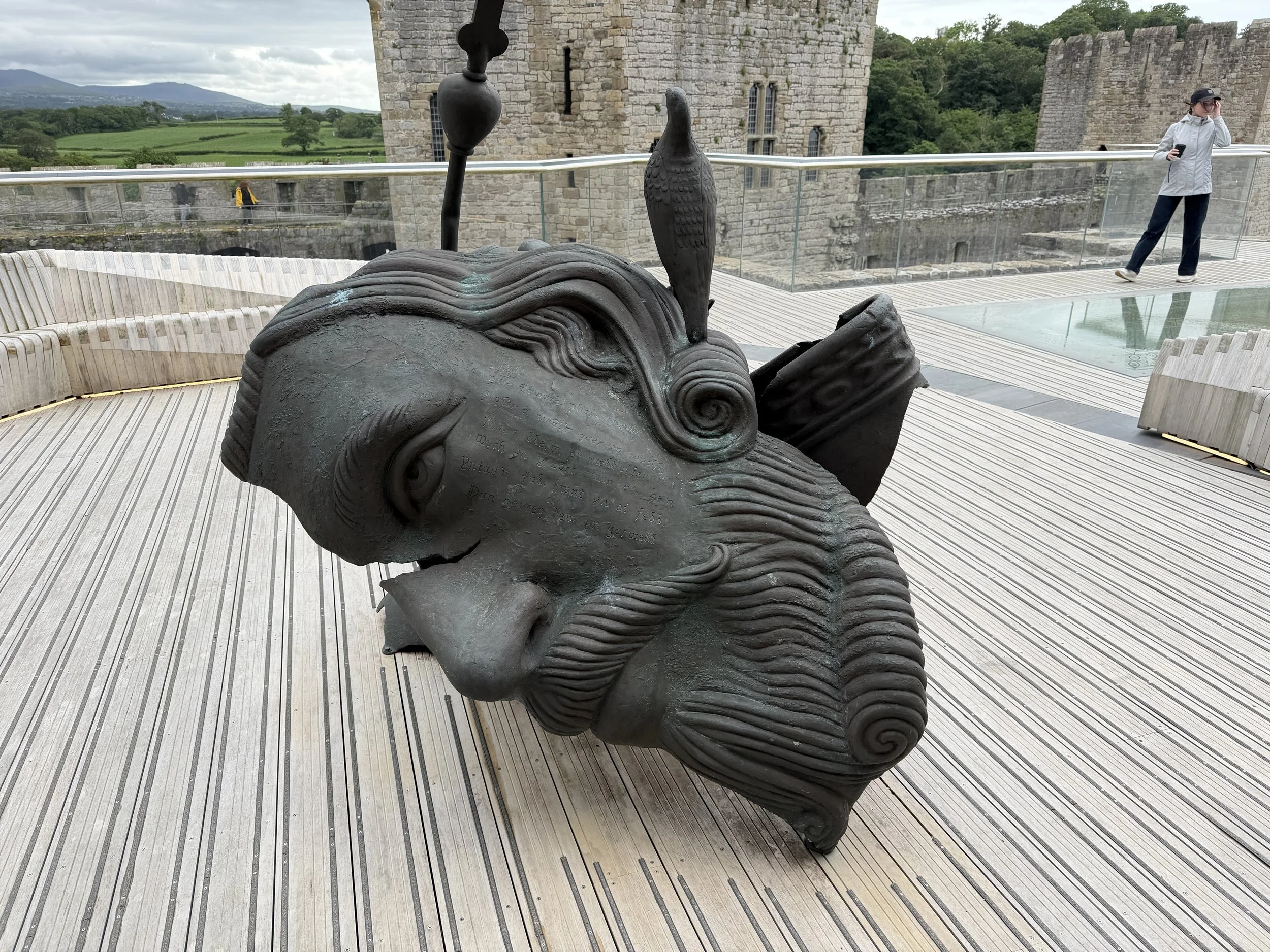
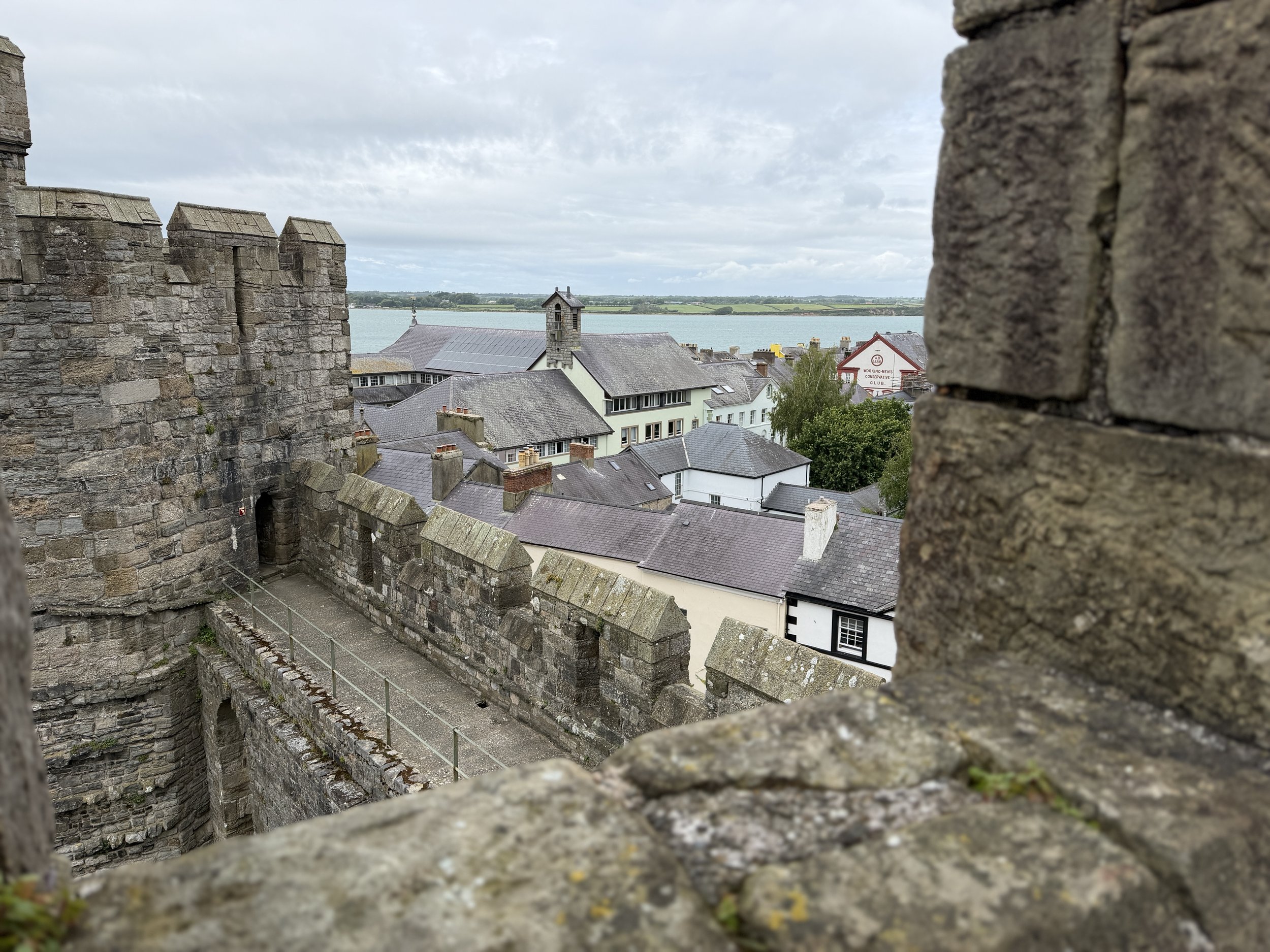
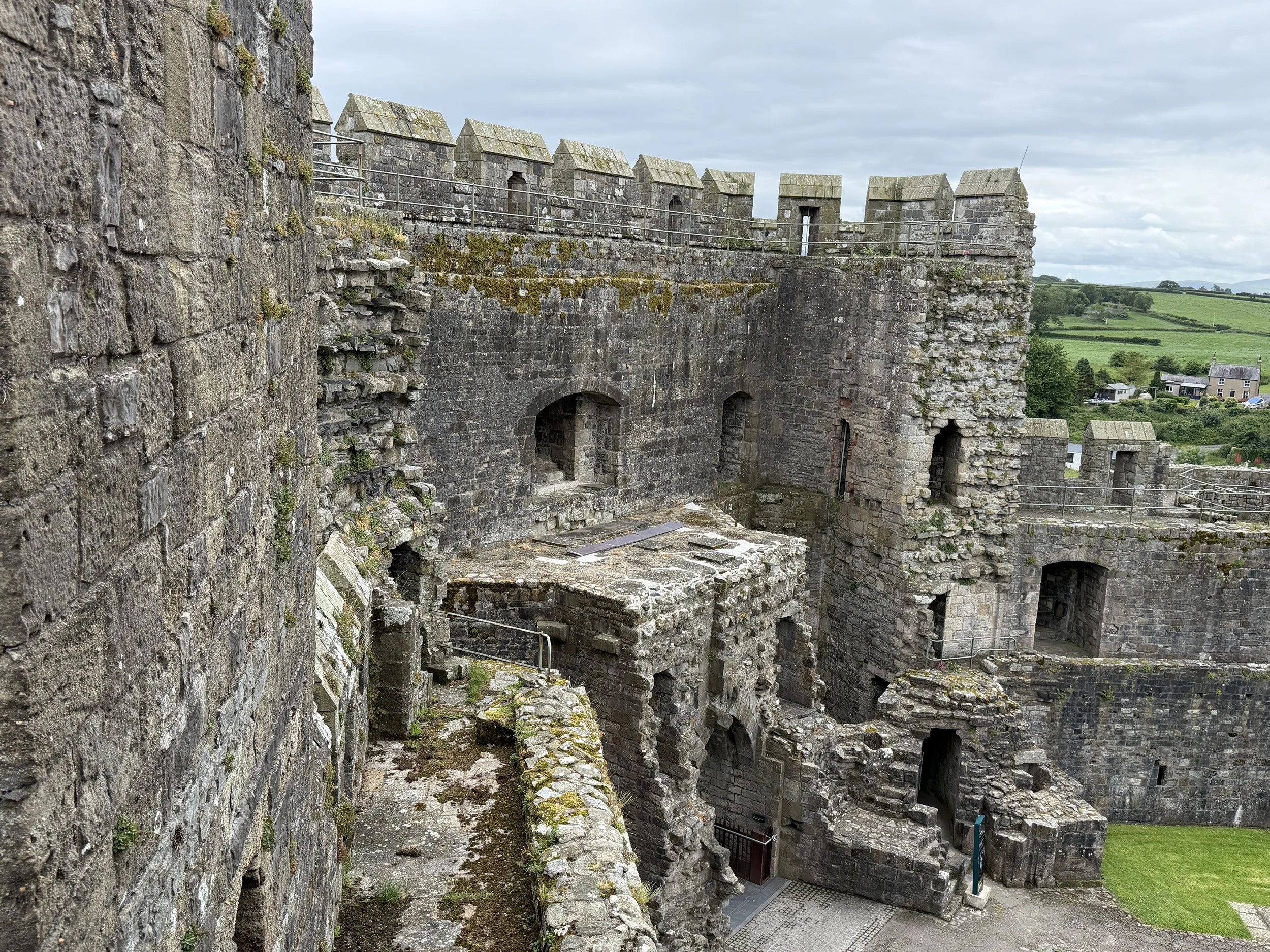
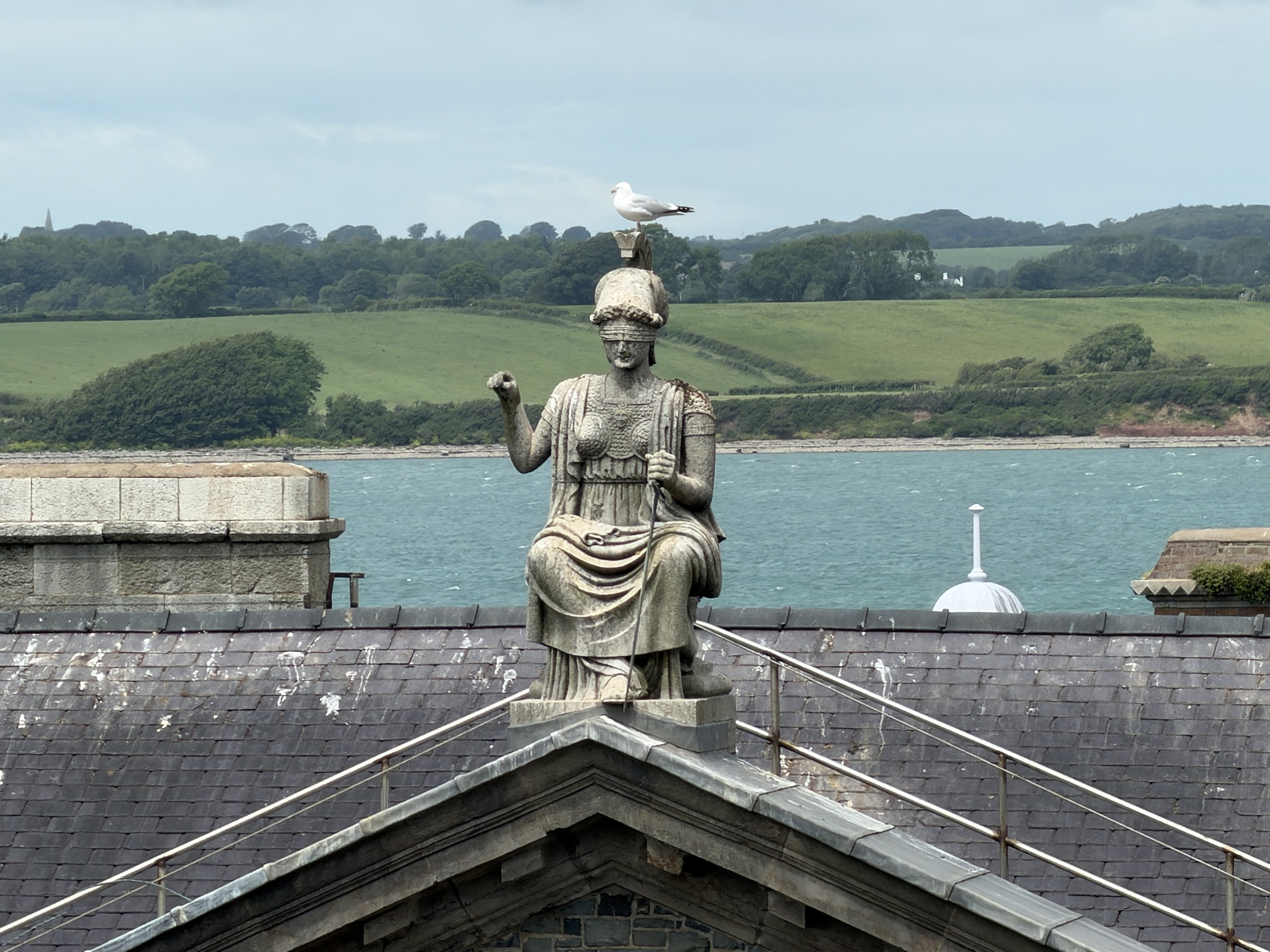
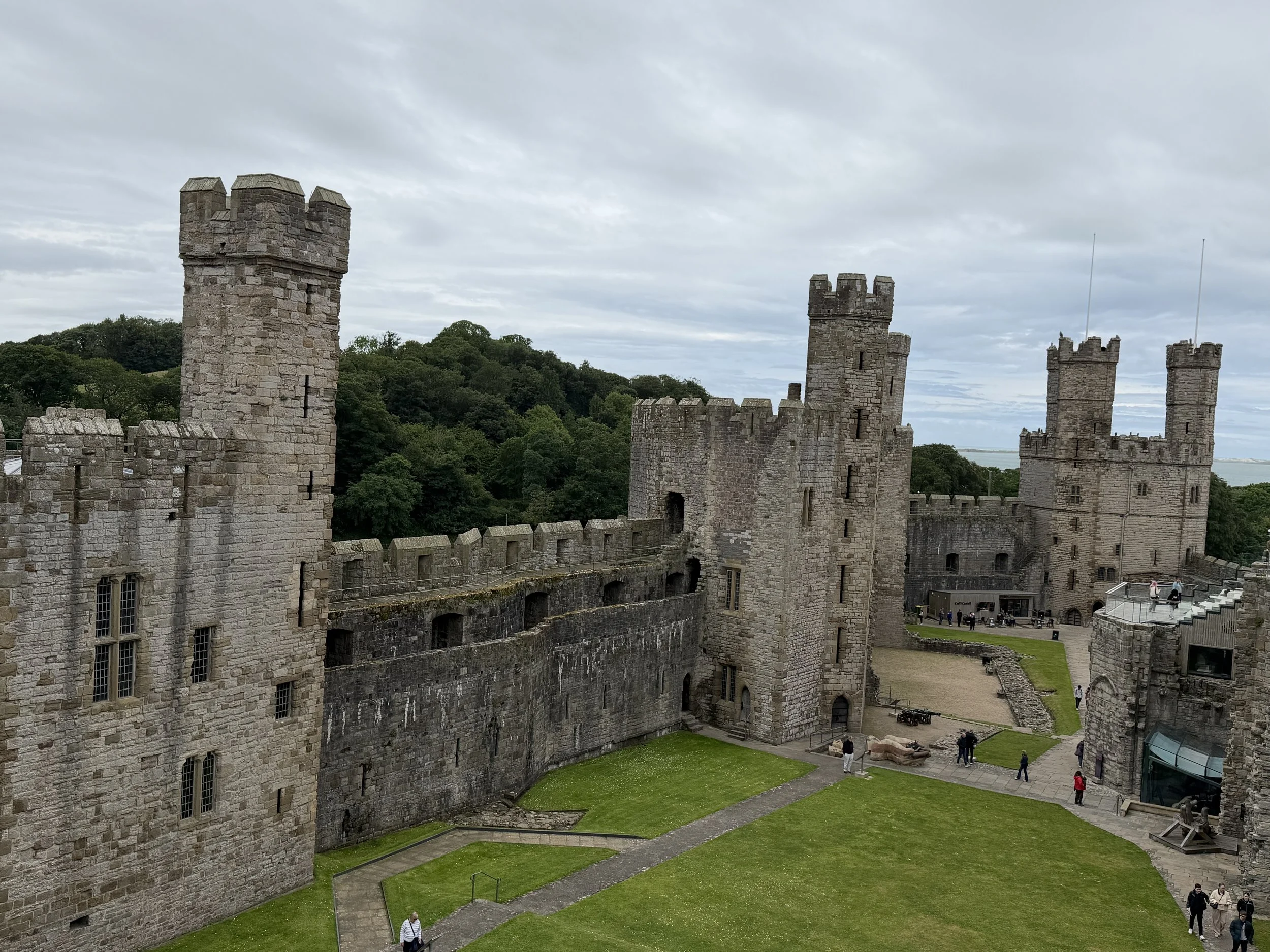
Just east of the castle and completely enclosed by the ancient fortification is the cultural town center, Castle Square (known locally as Y Maes). It is entirely paved with local slate. In 1284 it was the site of the weekly market, a popular place for cock-fighting and bull-baiting. Most of the buildings surrounding the square today date back to the early 19th century, the time that the slate industry began to boom and Caernarfon became a major port.
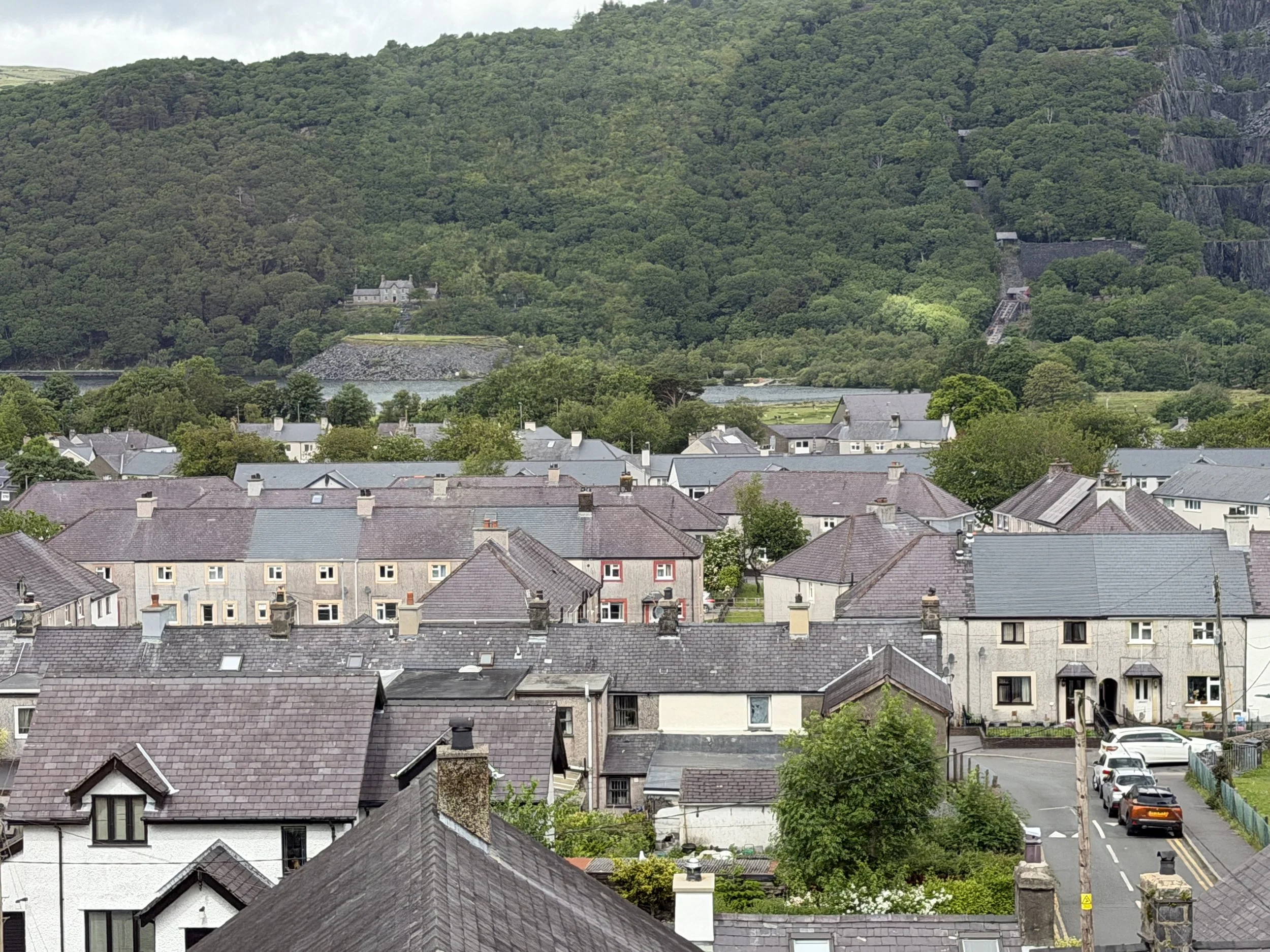
Known as ‘the century roof’, slate roofs can last 100 years.
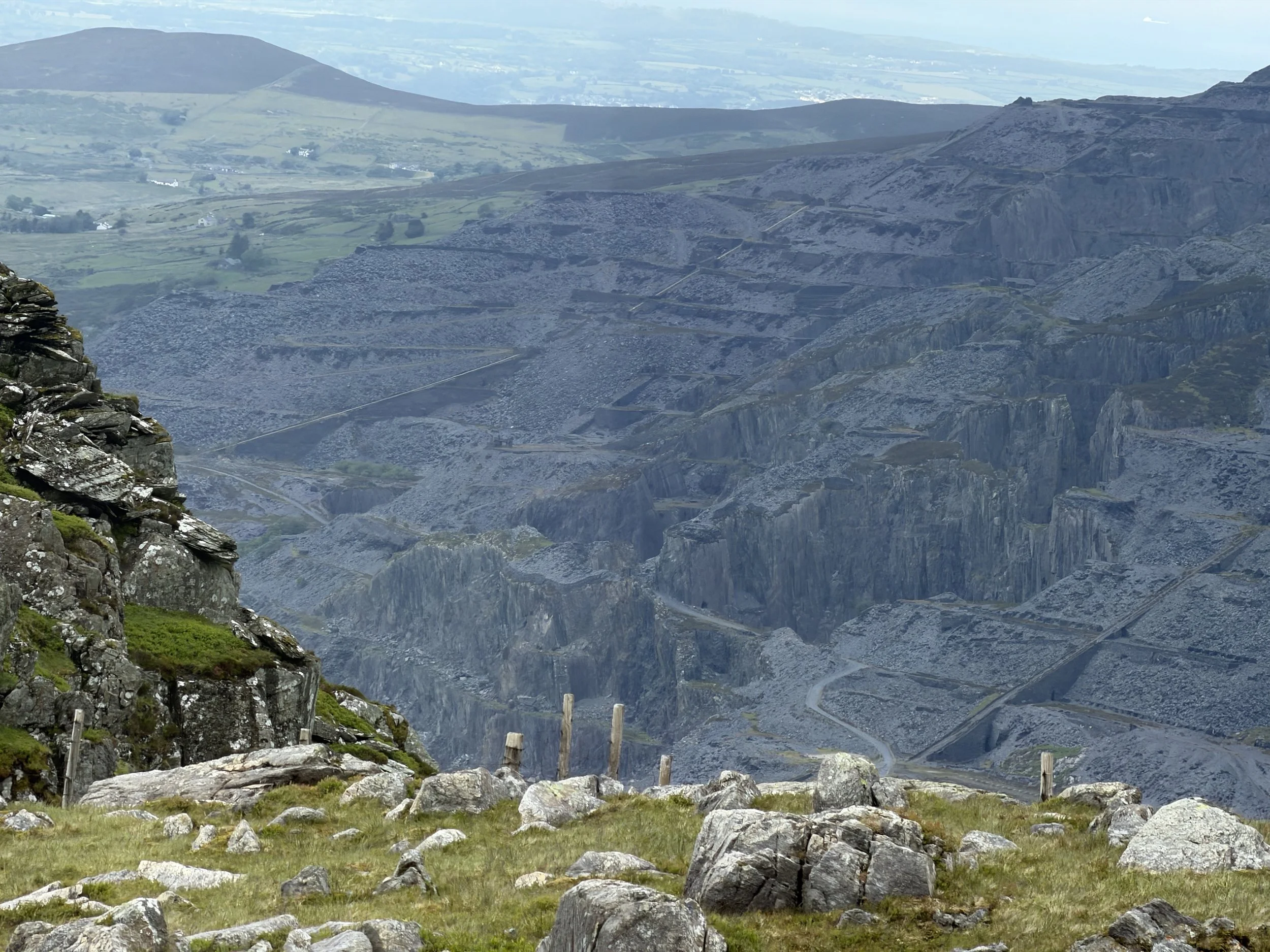
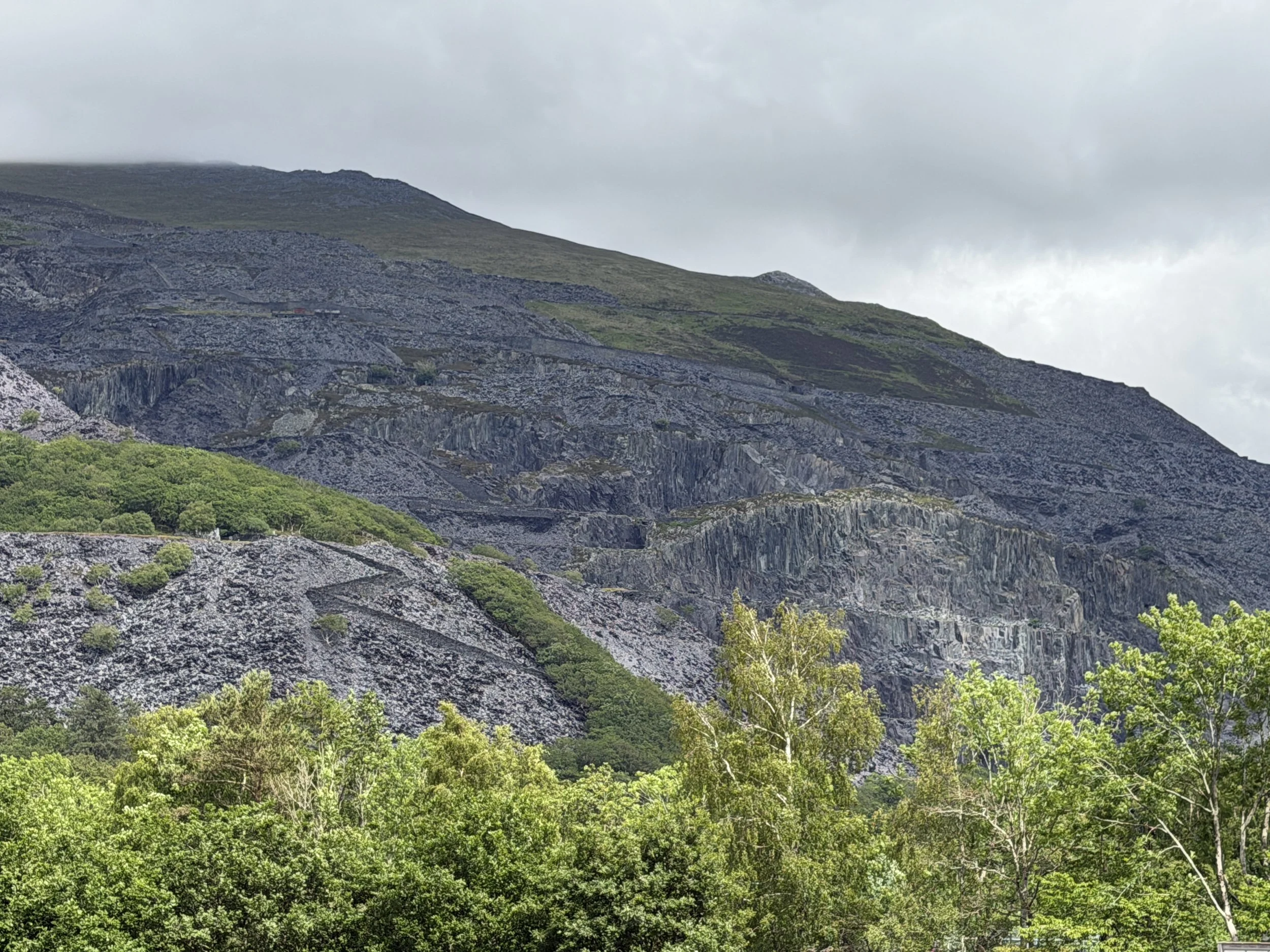
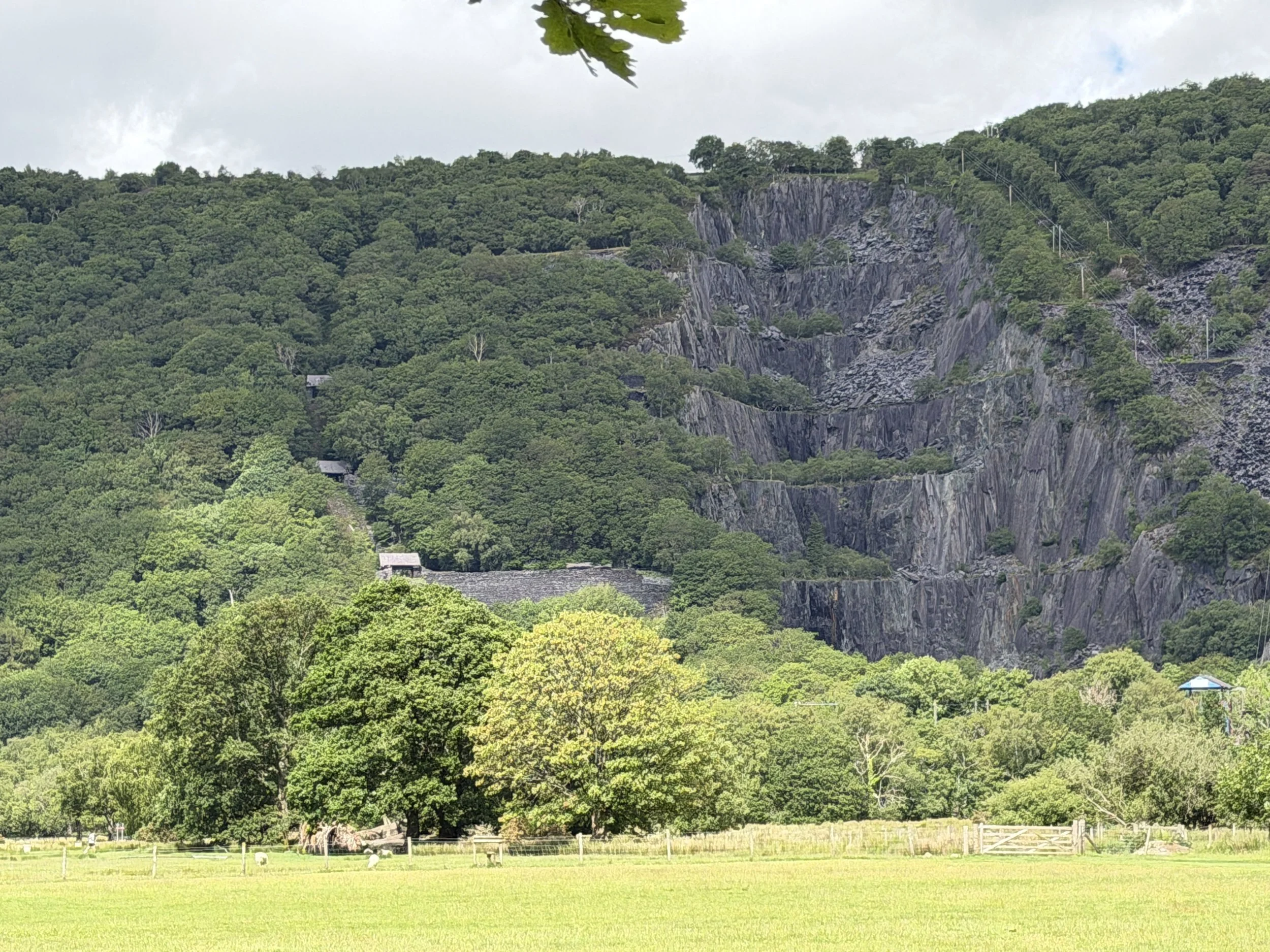
People have been quarrying slate in north Wales for over 1,800 years. It was used to build parts of the Roman fort in Caernarfon, but it was with the dawn of the Industrial Revolution in the 18th century that the slate industry really took off. As small villages exploded into larger towns and cities with the coming of mills and factories, there was an enormous demand for slate to roof the homes for the workers – as well as the factories themselves. By the 1870s slate had become one of Wales's most important industries. Wales produced over four-fifths of all British slates in this period, with Caernarfonshire the biggest producer among all Welsh counties.
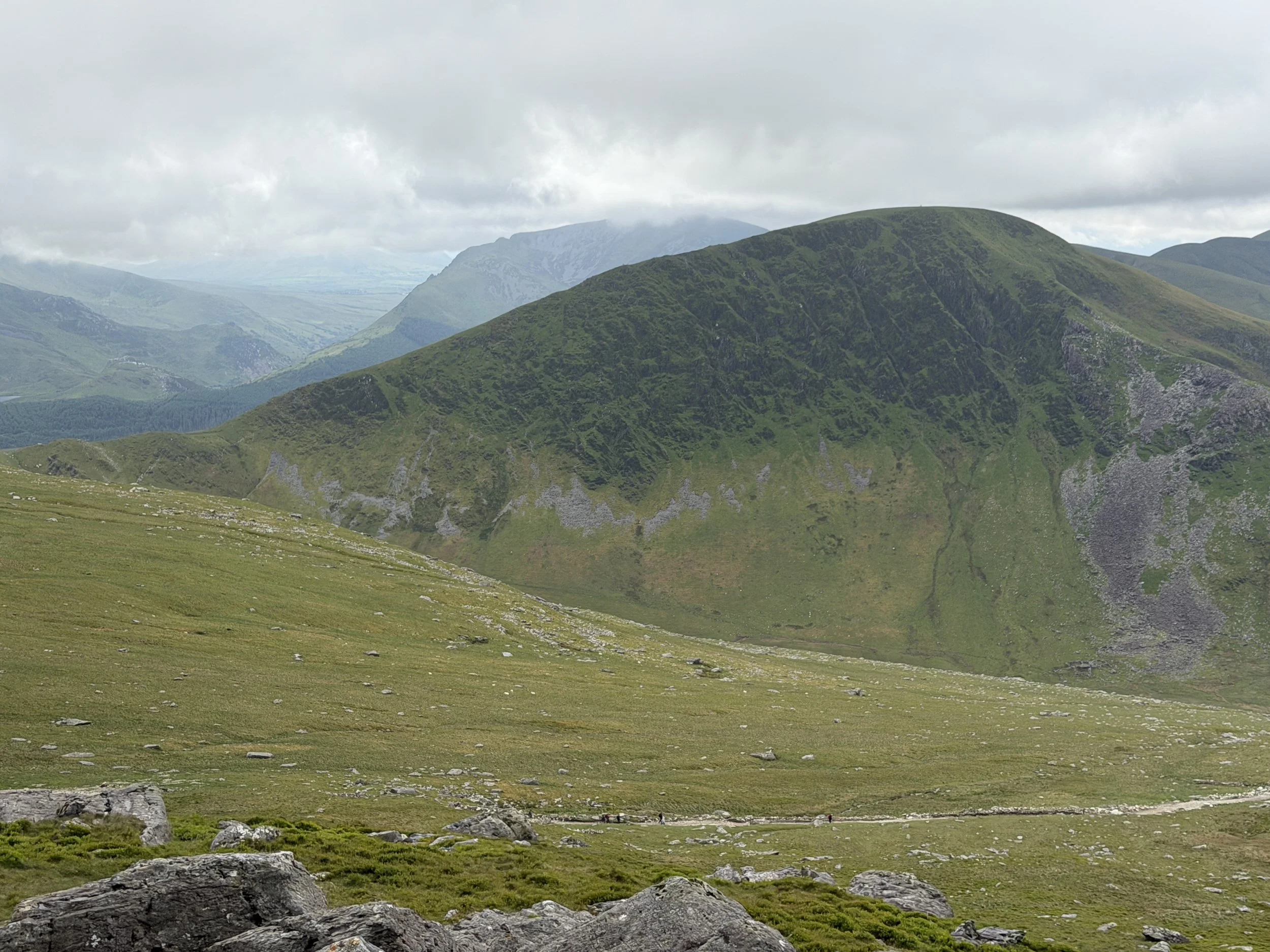
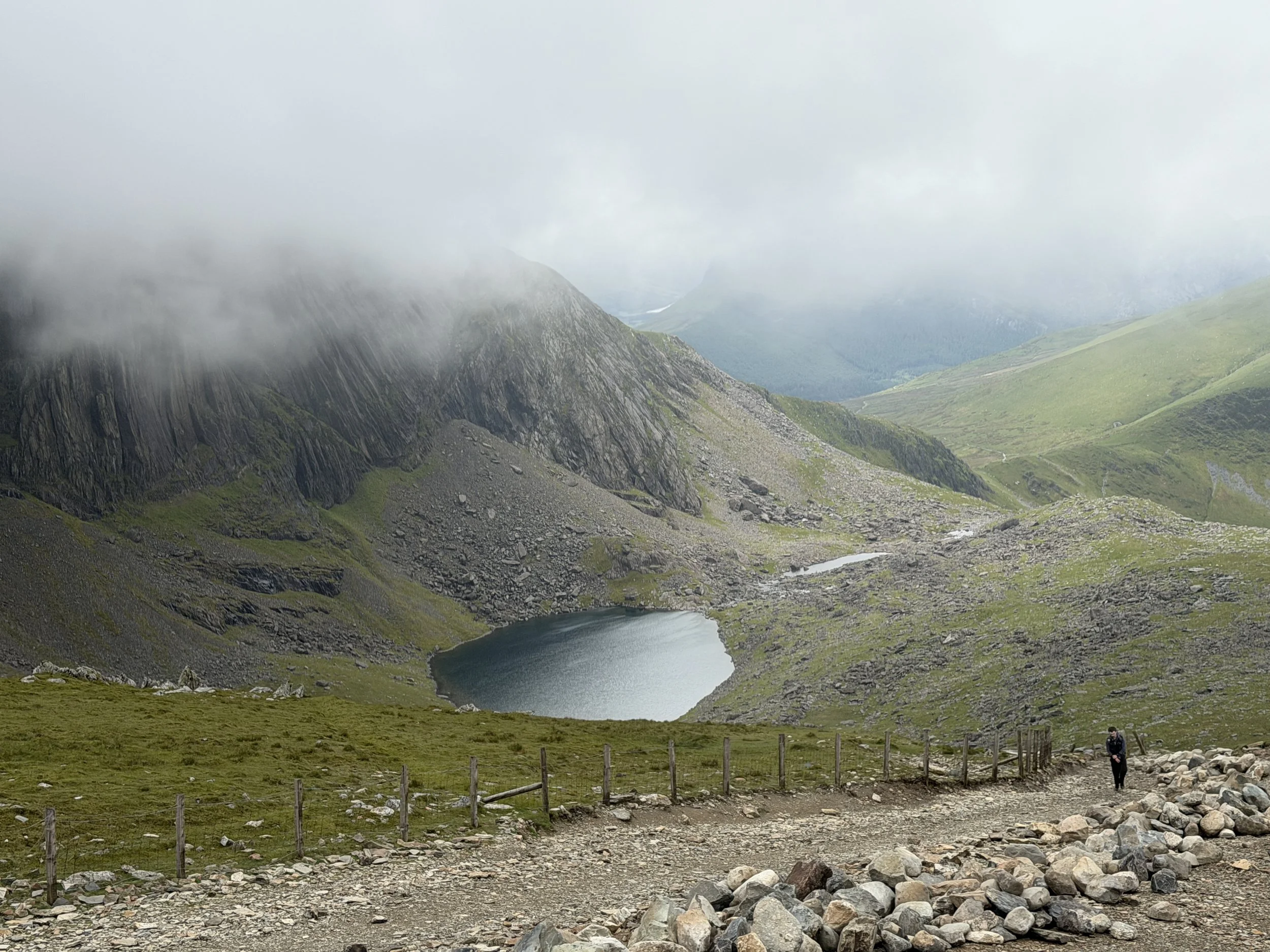
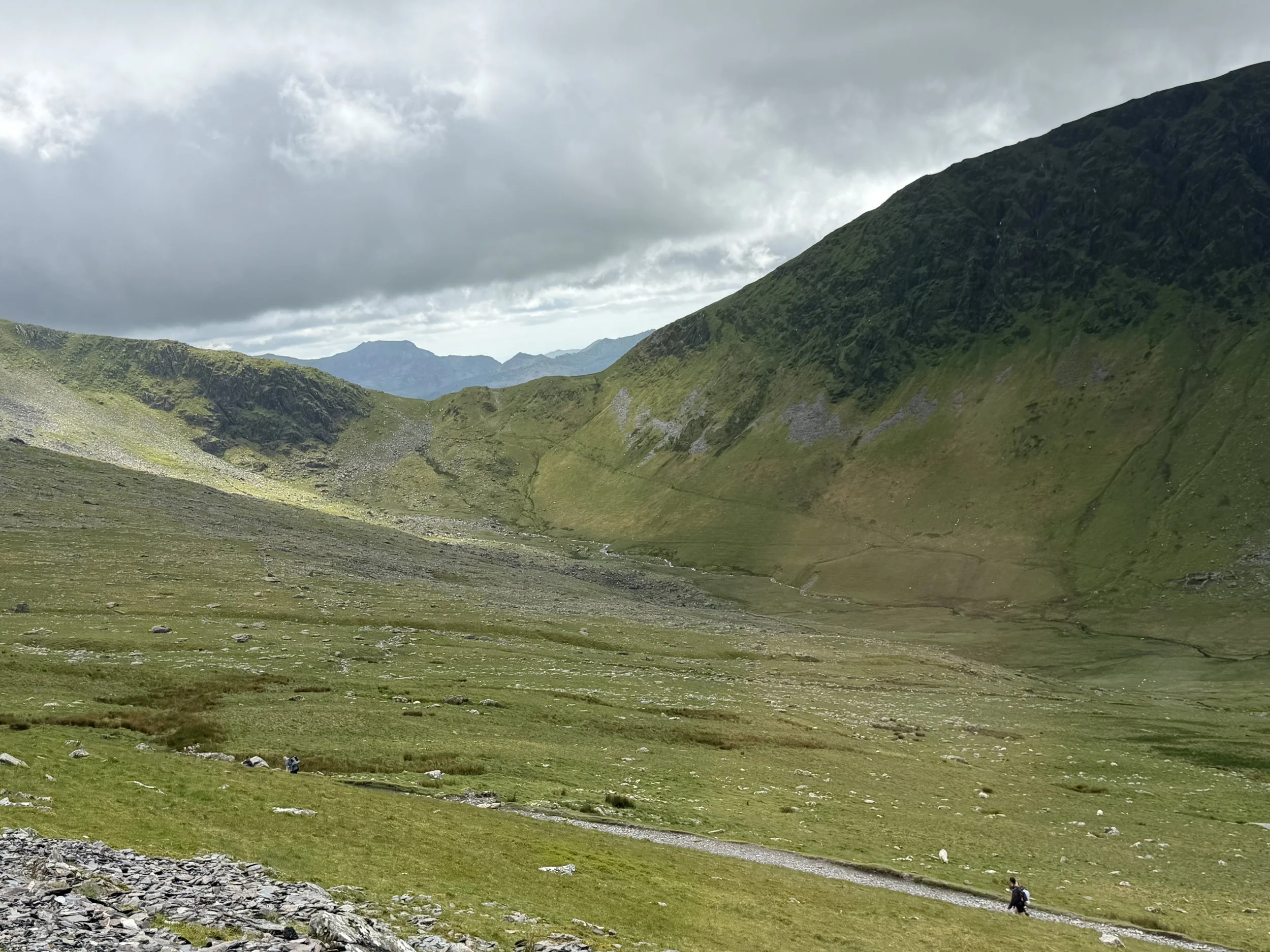
The backdrop to the town of Caernarfon is the tallest mountain range in Wales - Eryri (historically known as Snowdonia). The Eryri National Park span 823 square miles and contains 93 designated mountains - peaks over 2000ft (610m) including Yr Wyddfa (Snowdon), the highest peak in Wales at 3560ft (1085m). This volcanic mountain has changed very little since the end of the last ice age. Since then the climate warmed, the glaciers retreated, and forests of ancient oaks, moorlands, lakes and a stunning coastline remain.
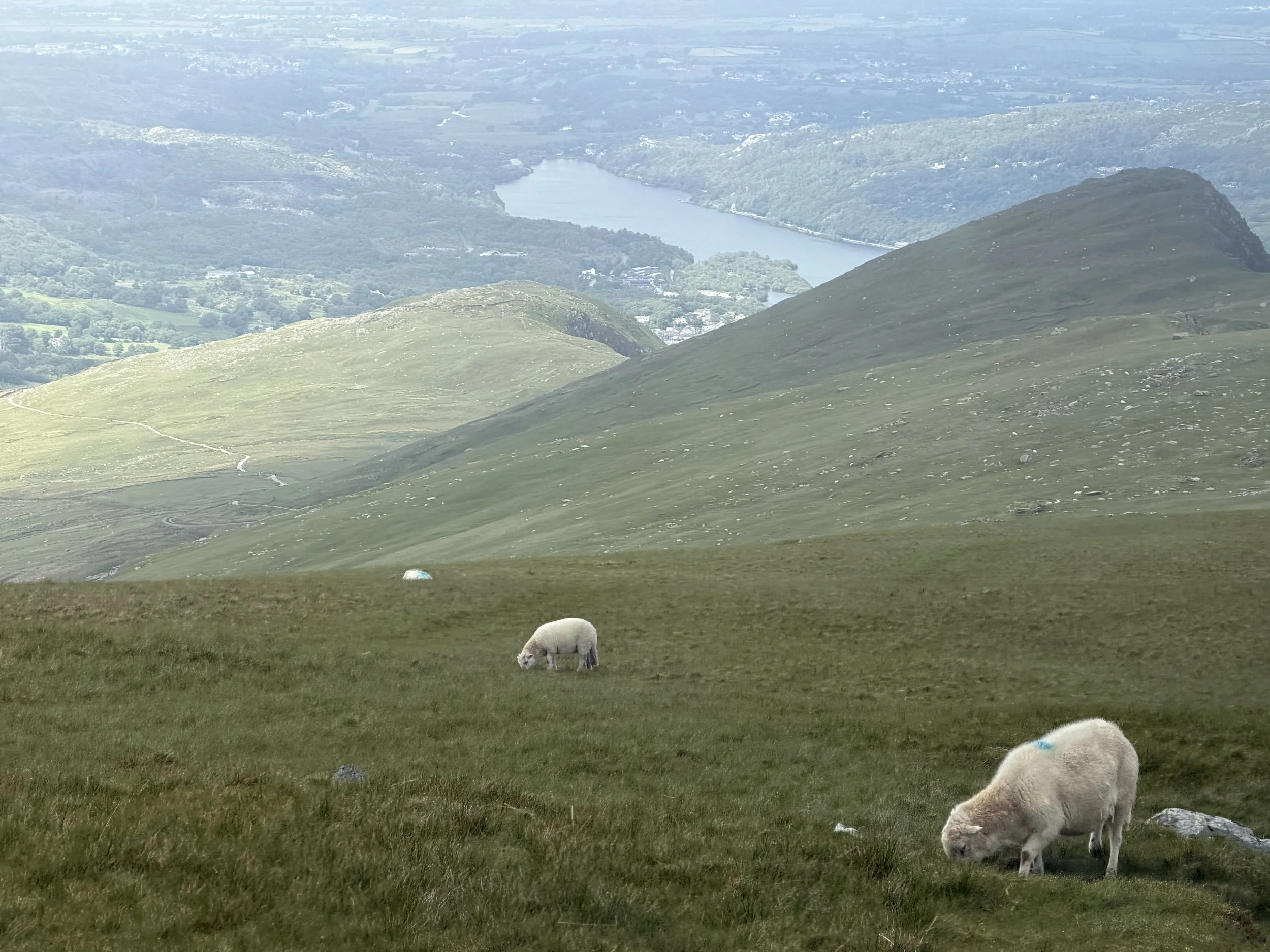
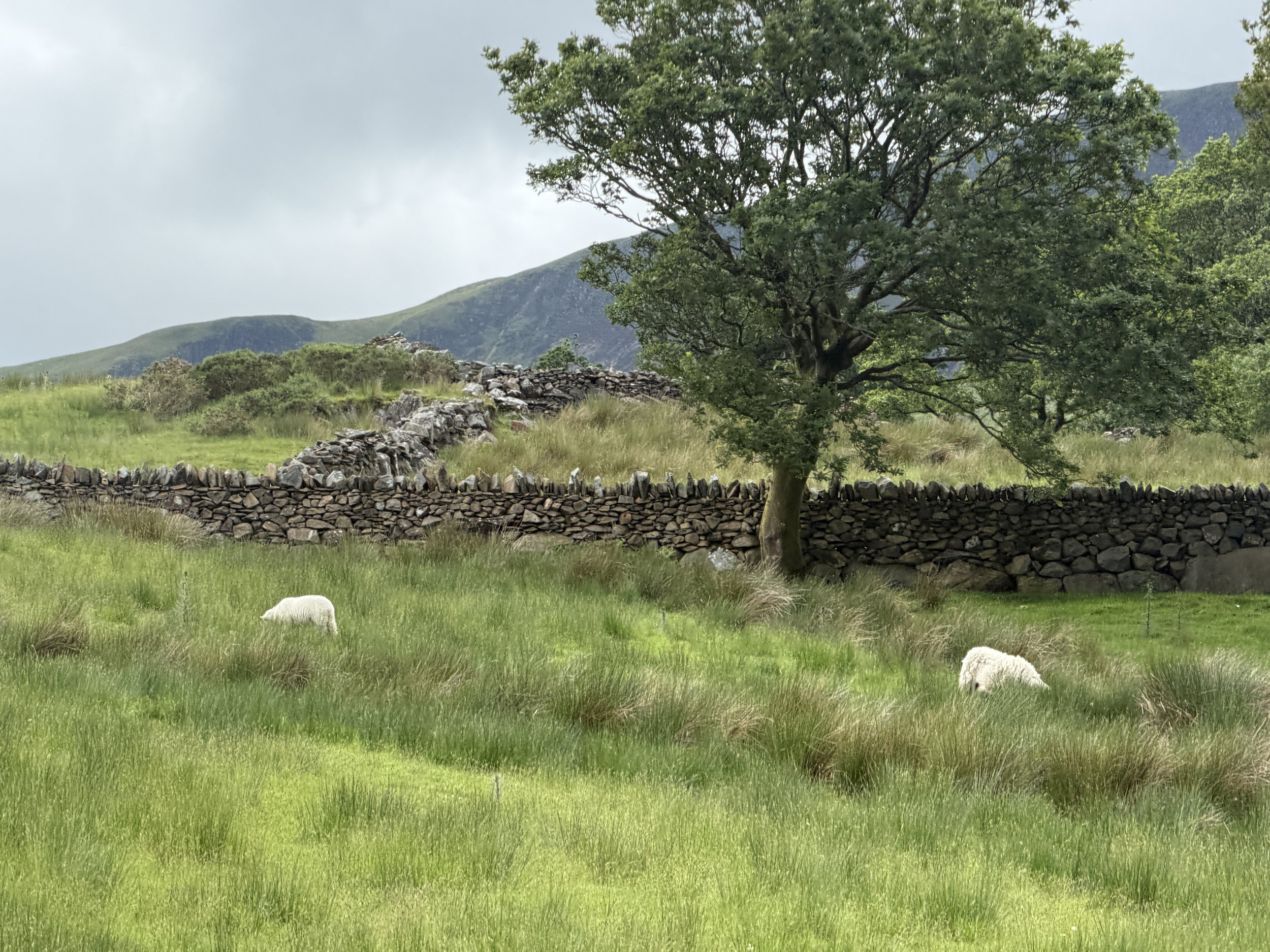
The first ascent of Everest was made in May 1953 by Sir Edmund Hillary who trained the year before on the slopes of Snowdon. For hikers there are six main trails up the rocky peak, passing through meadows dotted with sheep and covered in wildflowers. An incredibly rare alpine plant, Lili'r Wyddfa (Snowdon Lily), is an ice age relic and in Britain it is only found on the highest most inaccessible rocky ledge and crevices on Eryi’s summits.
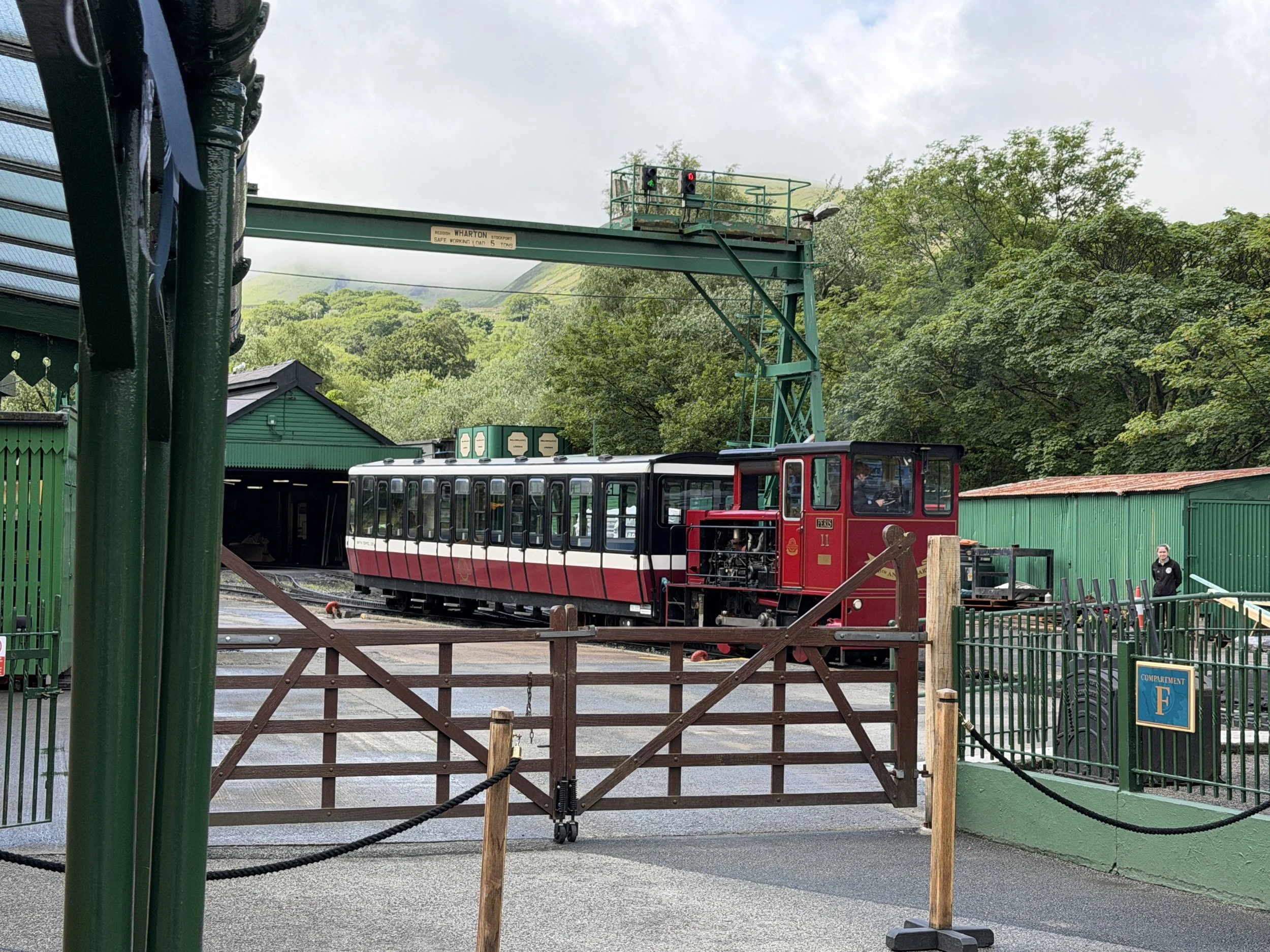
The wind and rain had kept us homebound and we were ready for exploration so we hopped a bus to the town of Llanberis where we would catch the Snowdon Mountain Railway. The original Swiss-built steam locomotives were fitted with boilers set at an incline so they would remain level while climbing the 5 miles of steep grades. This historic steam engine was the inspiration for the famous Thomas the Tank Engine book series. In 1986, the railway introduced new diesel locomotives powered by Rolls-Royce engines to supplement the steam fleet.
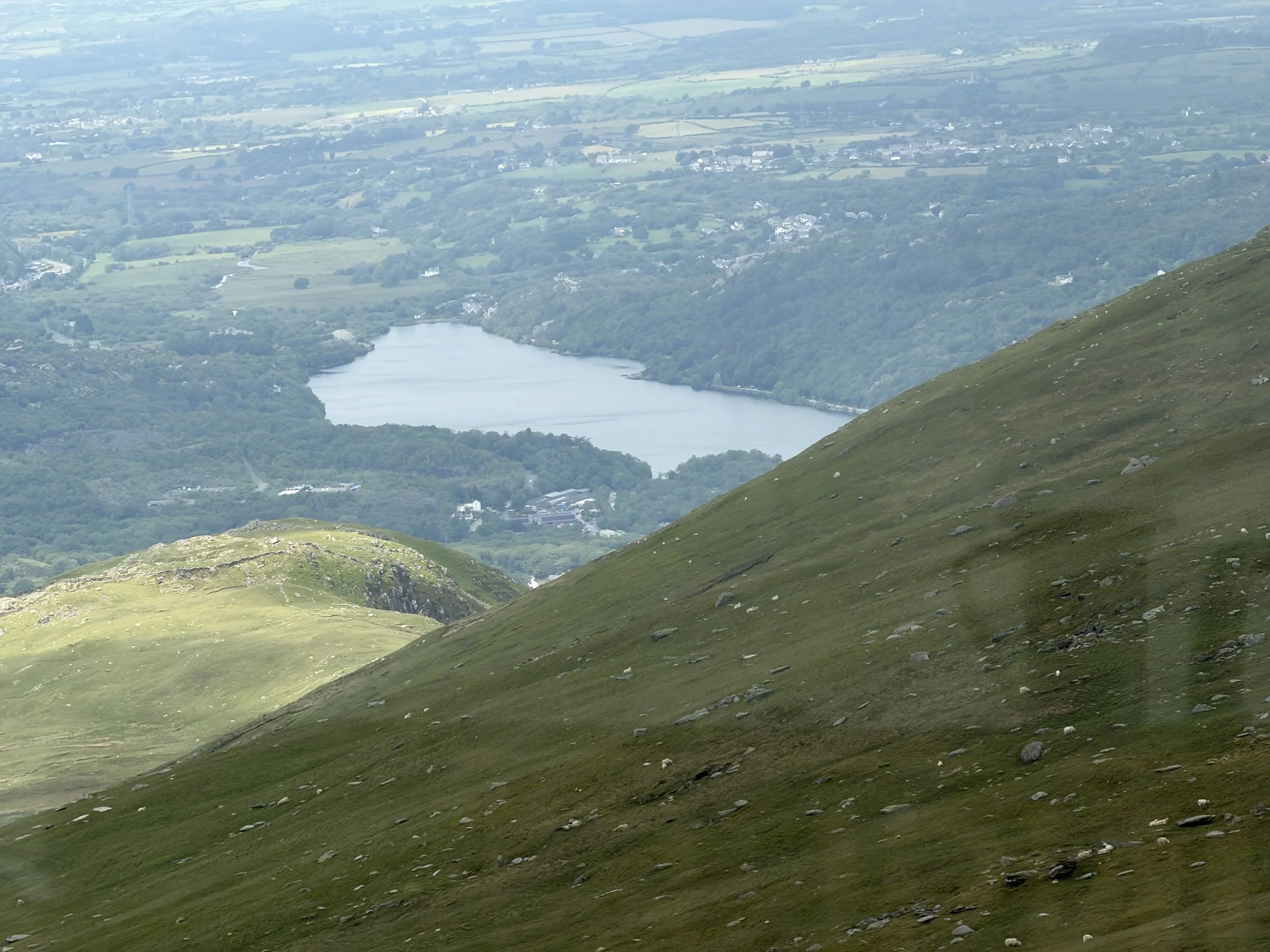
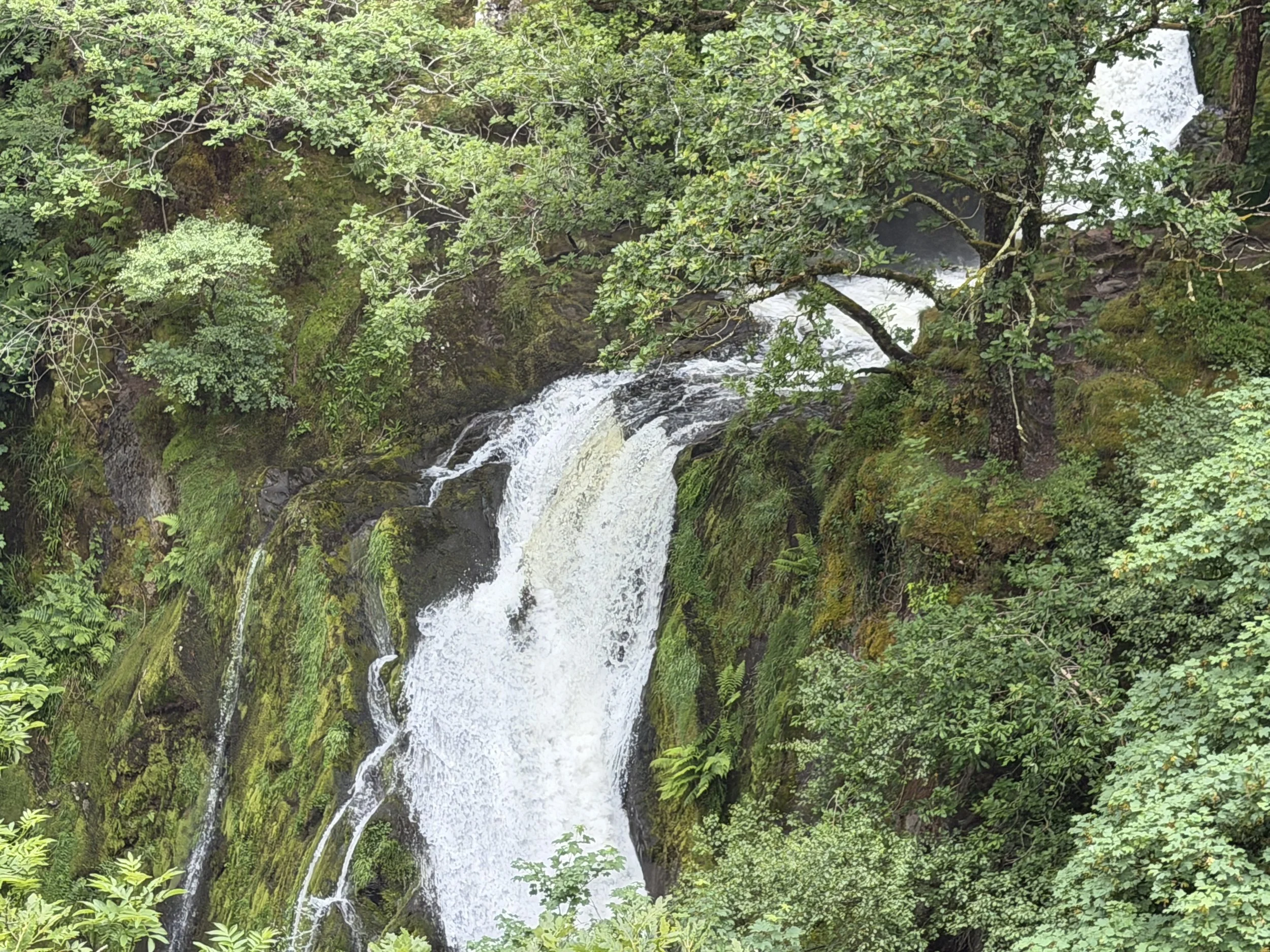
It was overcast and drizzling as we waited at the bus stop but we hoped the skies would clear as we traveled inland. We boarded one of the contemporary carriages, pushed from behind by a diesel locomotive. The train crosses viaducts, passes by waterfalls and over gorges, through the remnants of abandoned farms and medieval settlements and arrives just shy of the actual summit. Views of hanging glacial lakes dotting the mountainsides came in and out of view as we ascended.
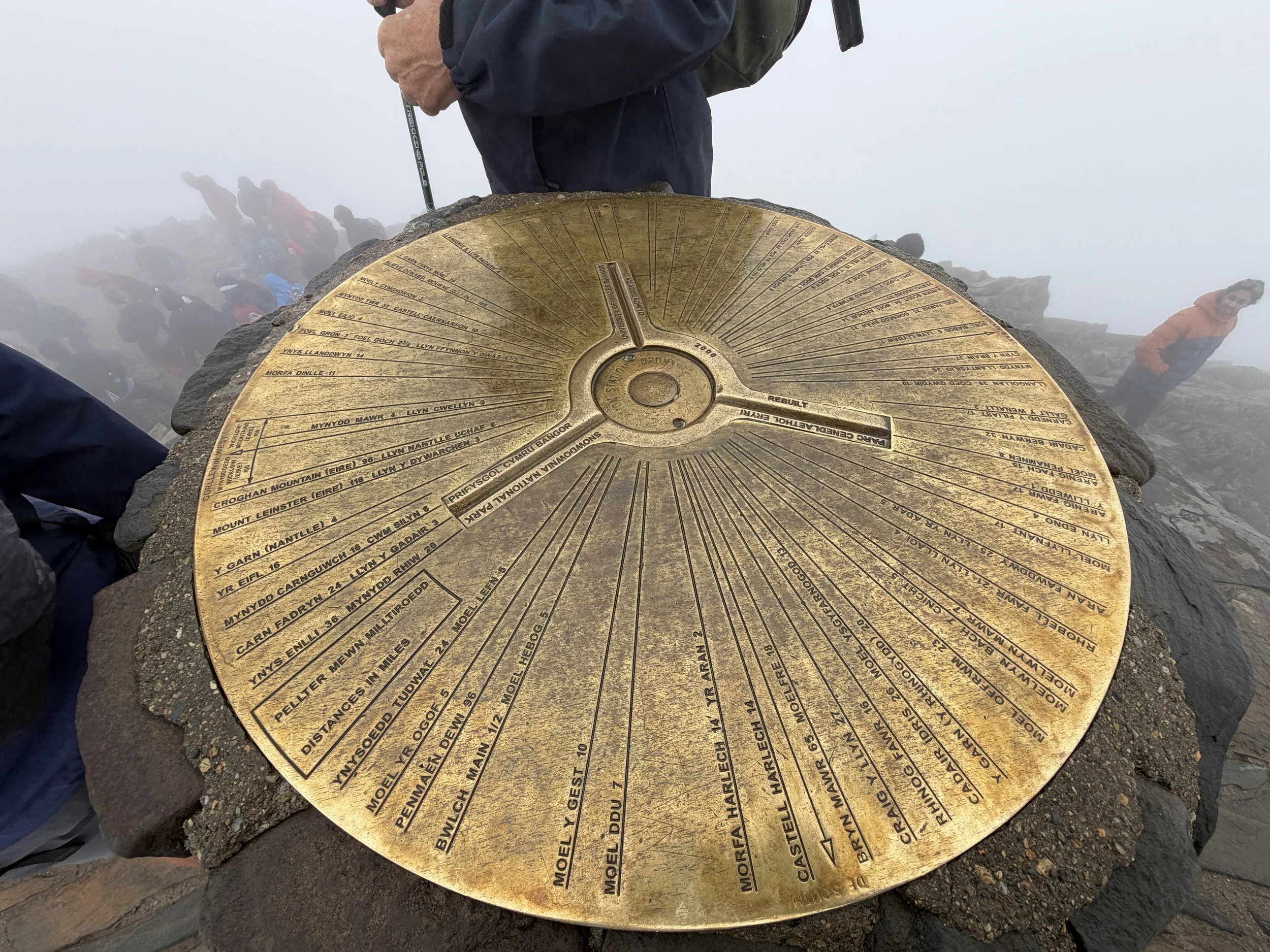
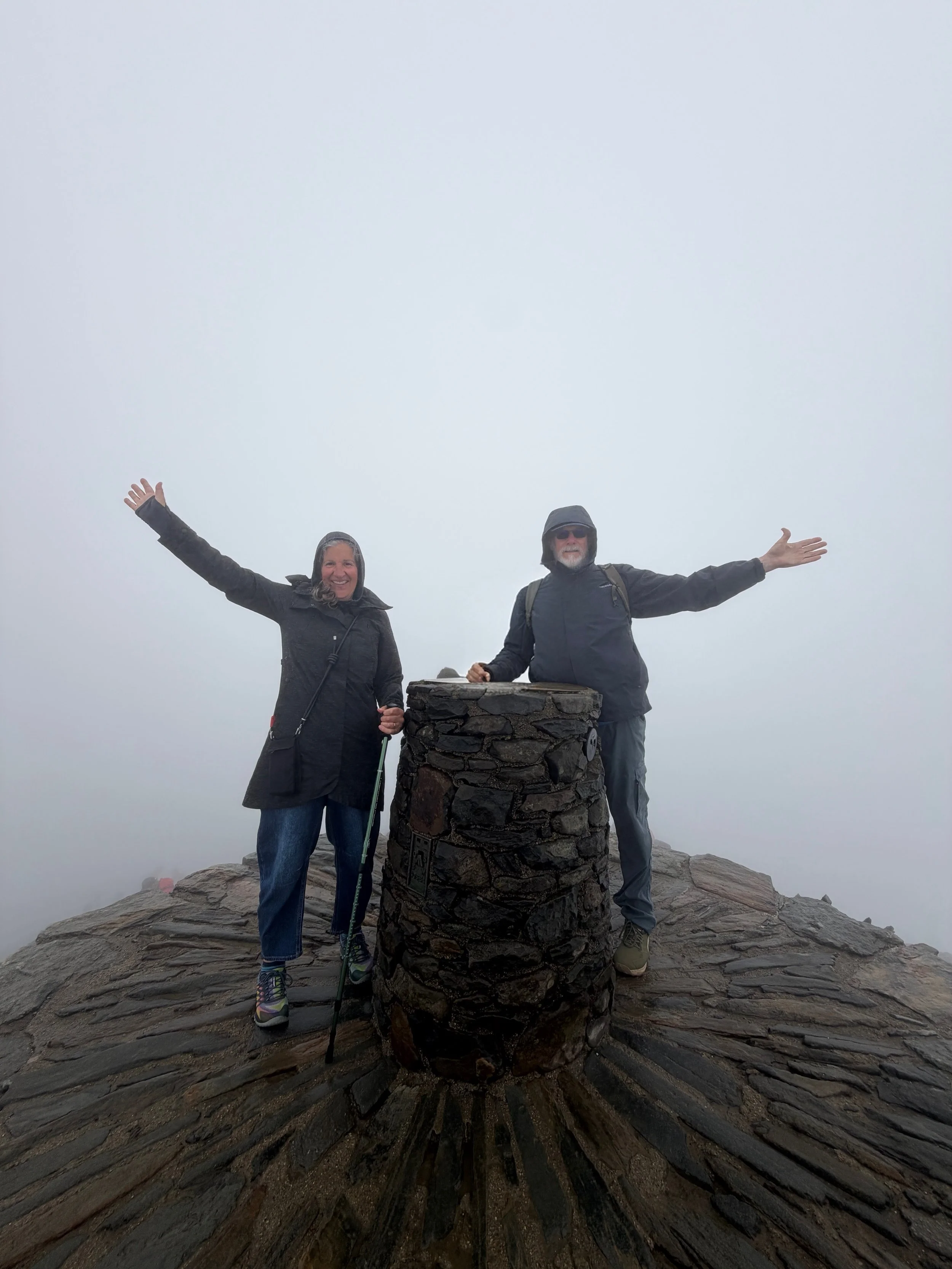
We were buffeted by fierce wind when we disembarked at the top but we trudged our way through the resistance and climbed the stones to the summit. We were in thick clouds - nothing visible beyond a few feet away, but we felt successful none-the-less.
We returned to Meraki, prepared dinner and began the long involved process of planning our next passage. These waters, more than most we’ve experienced, demand extensive research, detailed preparation, sound decision-making and lots of flexibility. Before departing, hours and hours are spent considering not only the weather forecasts and pilotage information, but also the tidal streams, harbor access and suitable alternative ports. It takes the two of us checking, and rechecking the distances, timing, tidal streams and boat speed calculations simply to exit one harbor and enter the next - but this it what makes for a successful day of cruising. Cheers!
Note: photo captions will not appear if viewing on a cell phone.